The Train (1964): Resistance under pressure
1964 • John Frankenheimer • 1.66:1 • Jump to Gallery ↓
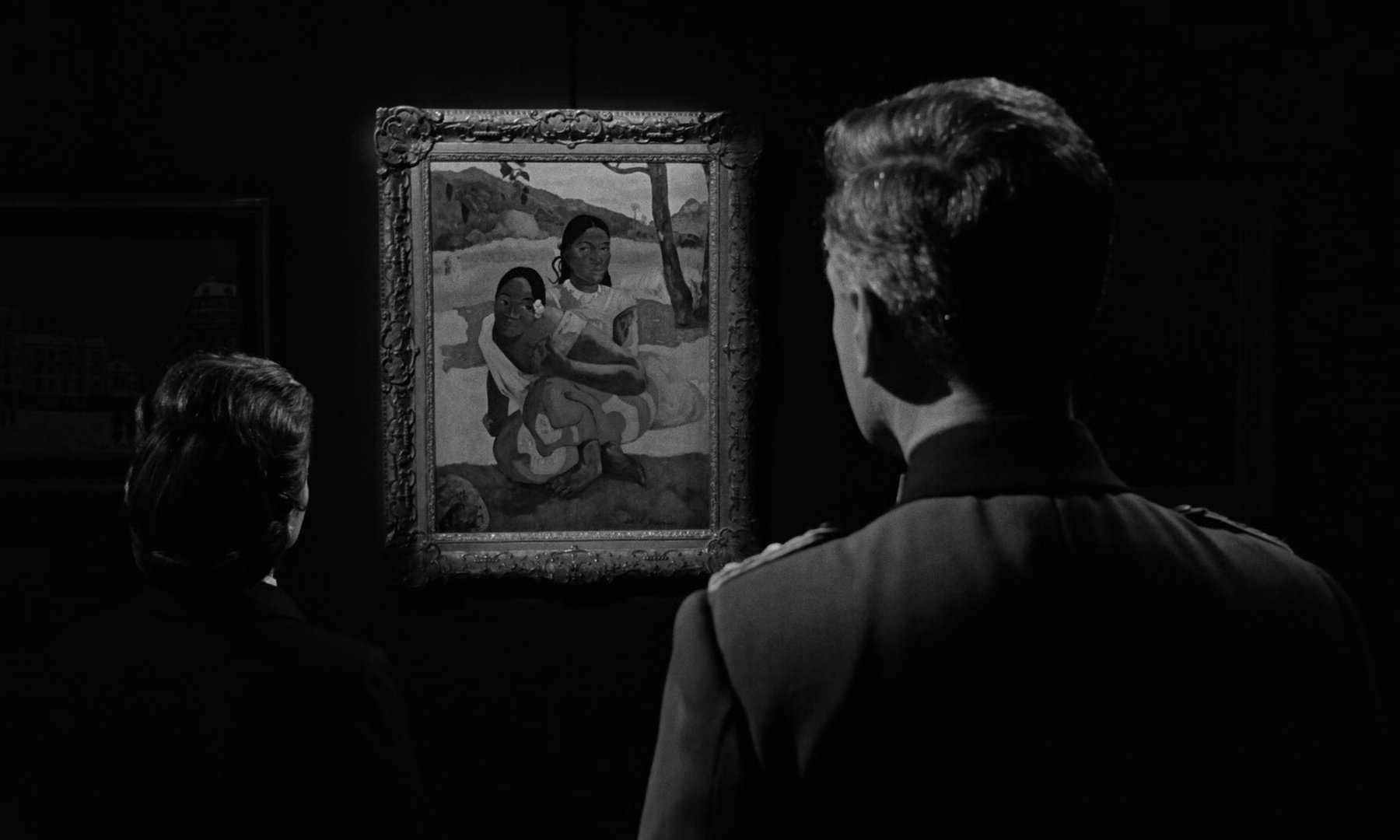
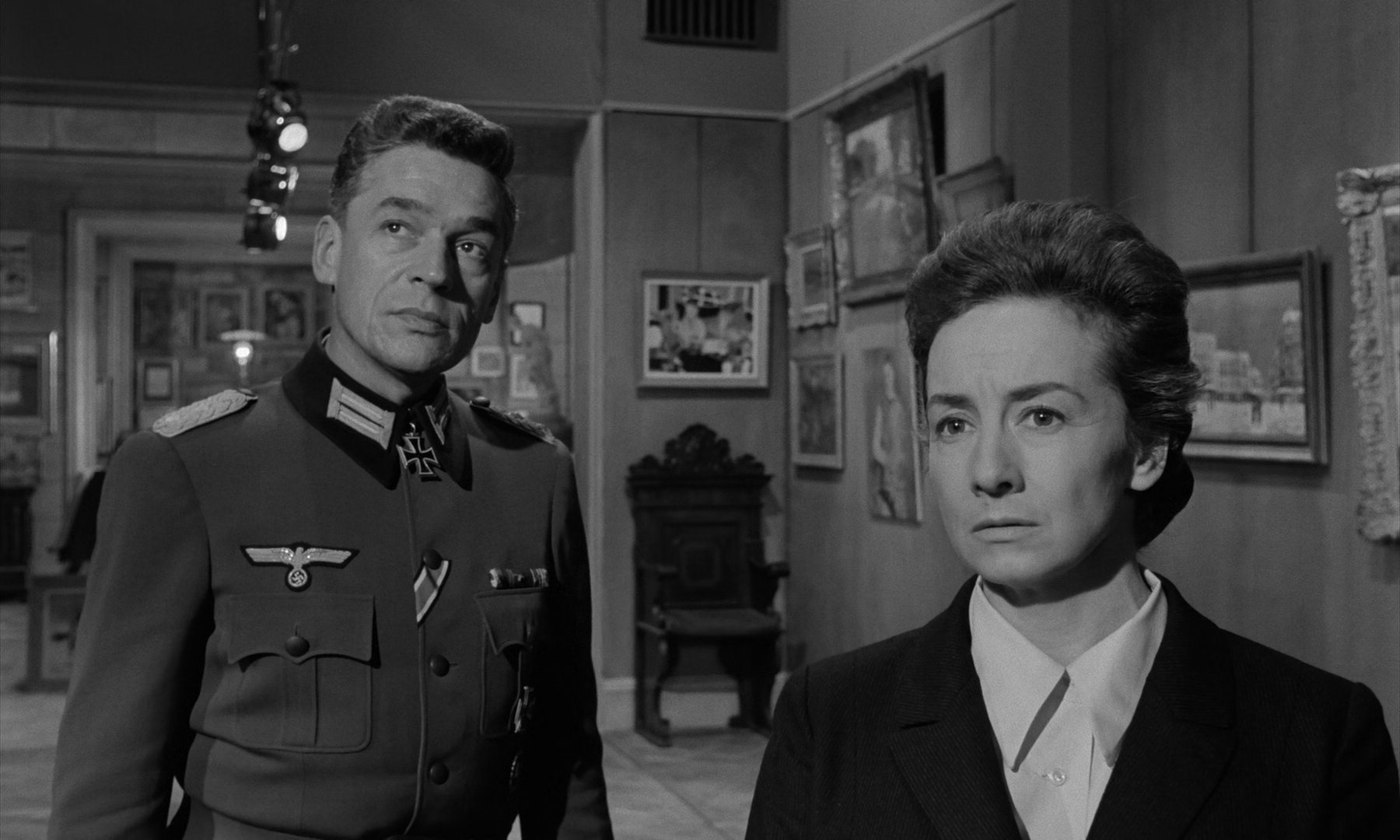
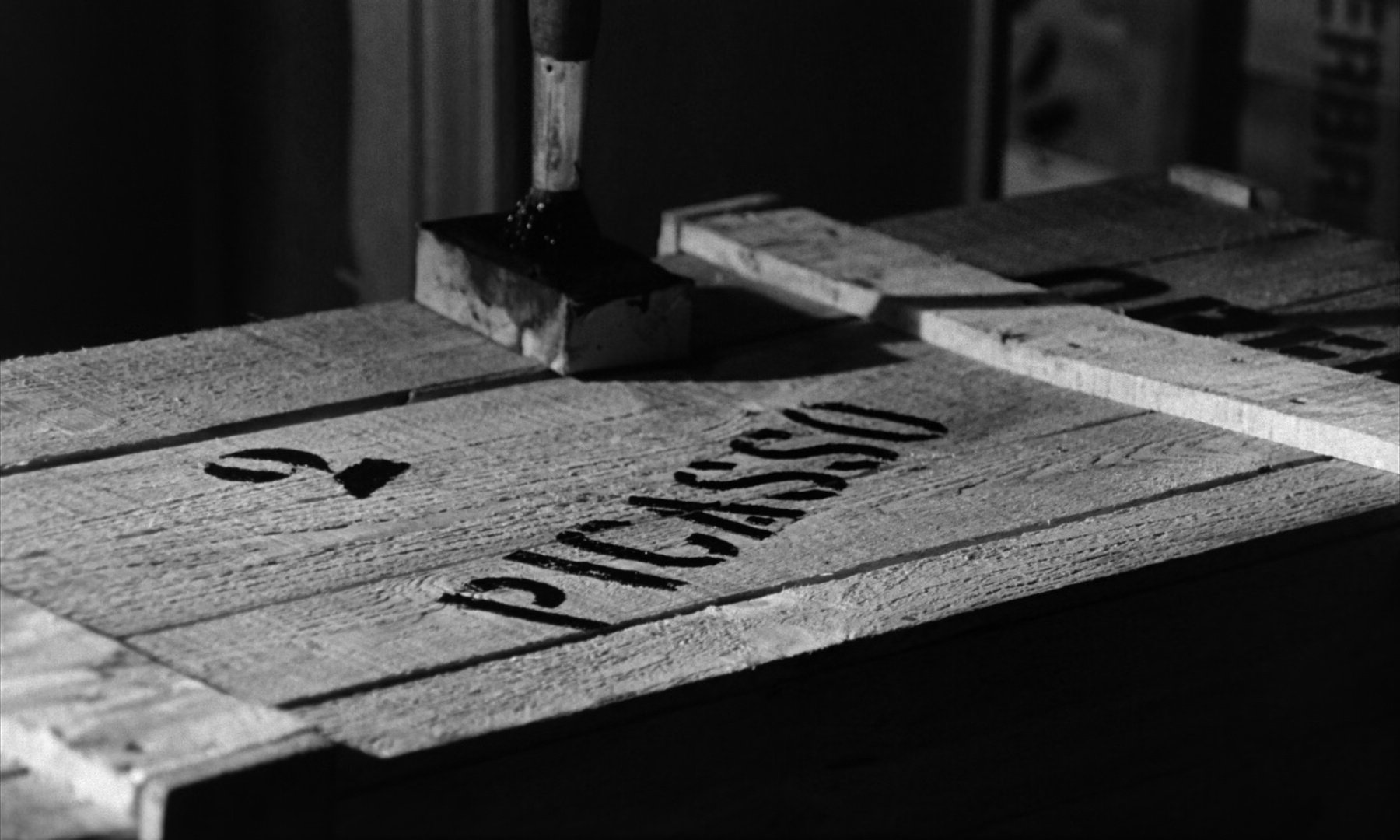
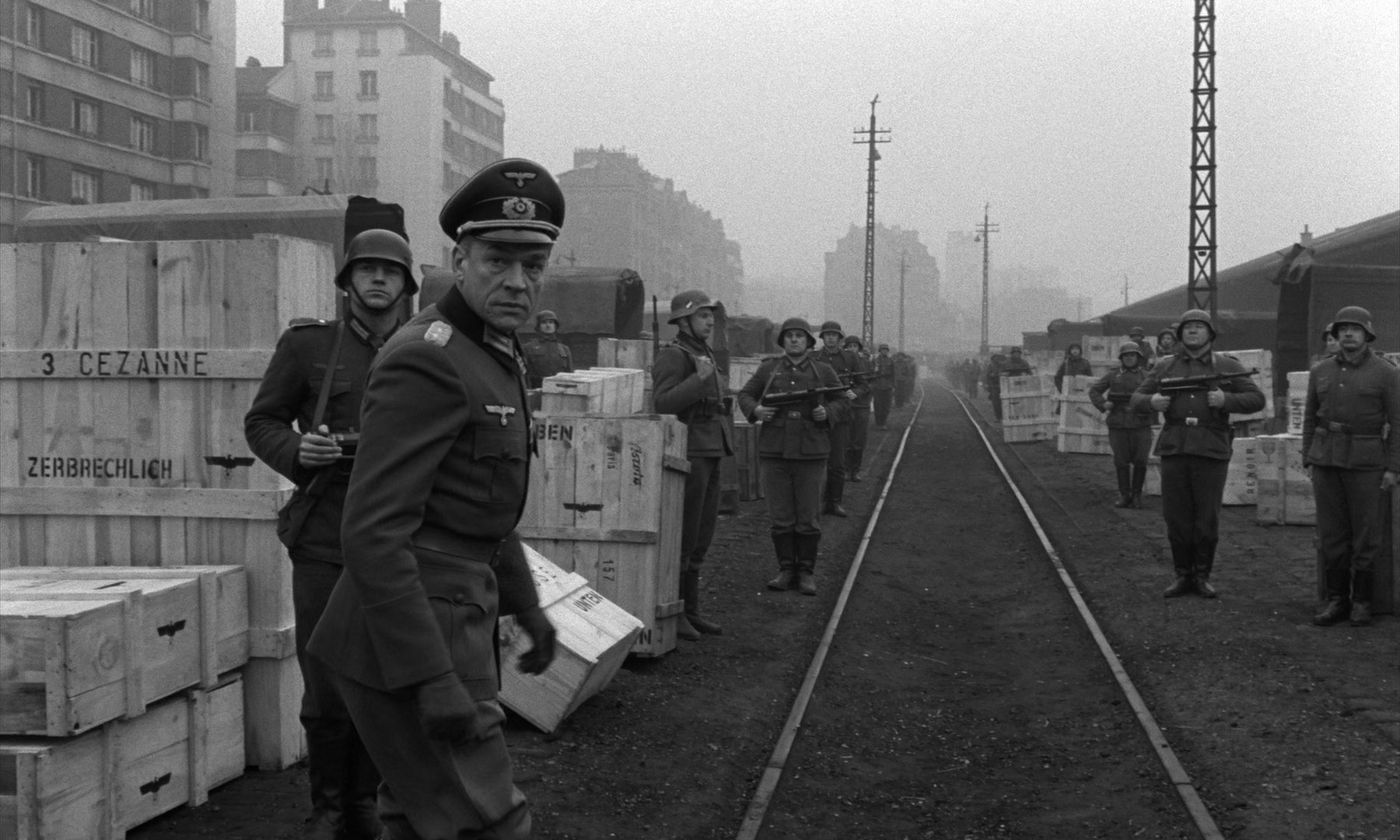
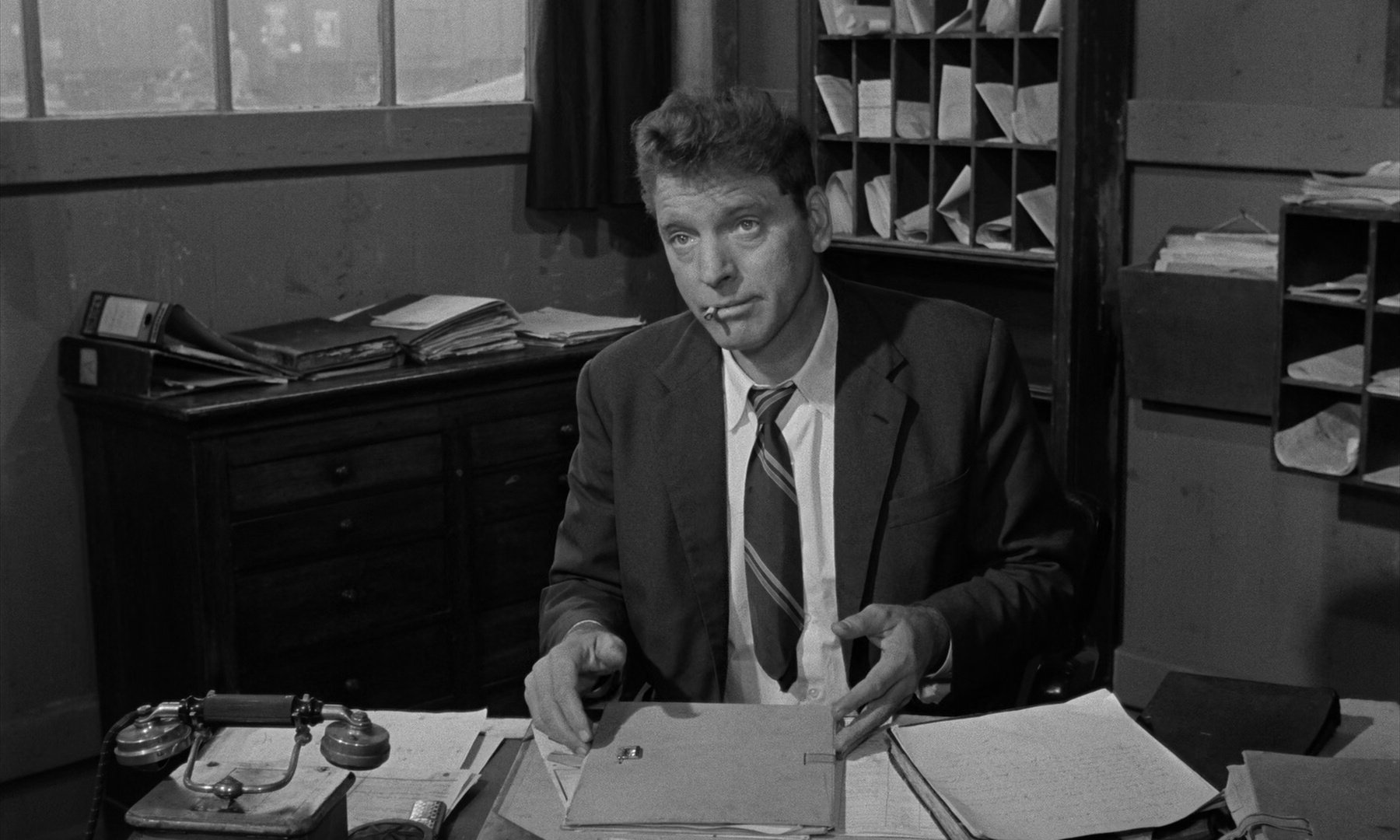
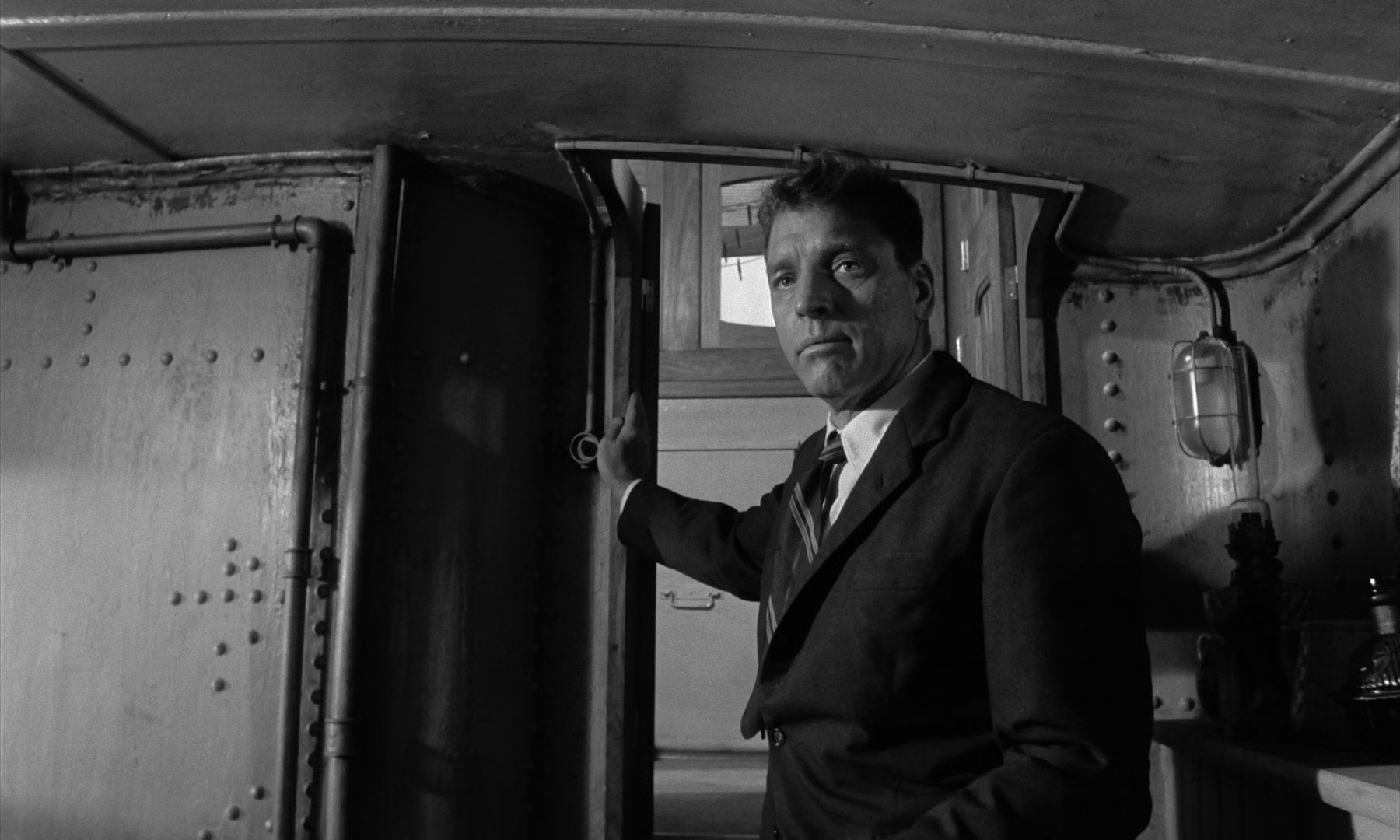
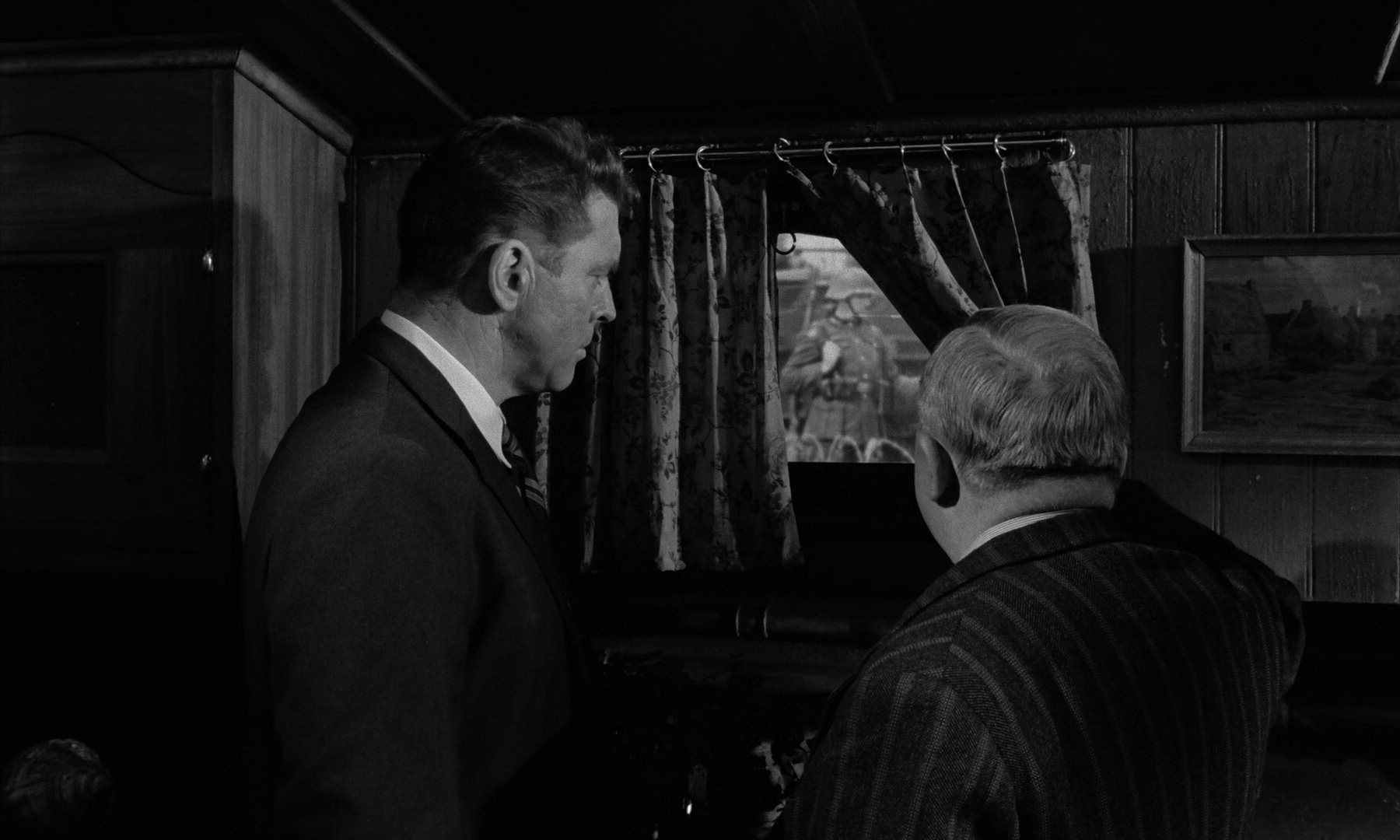
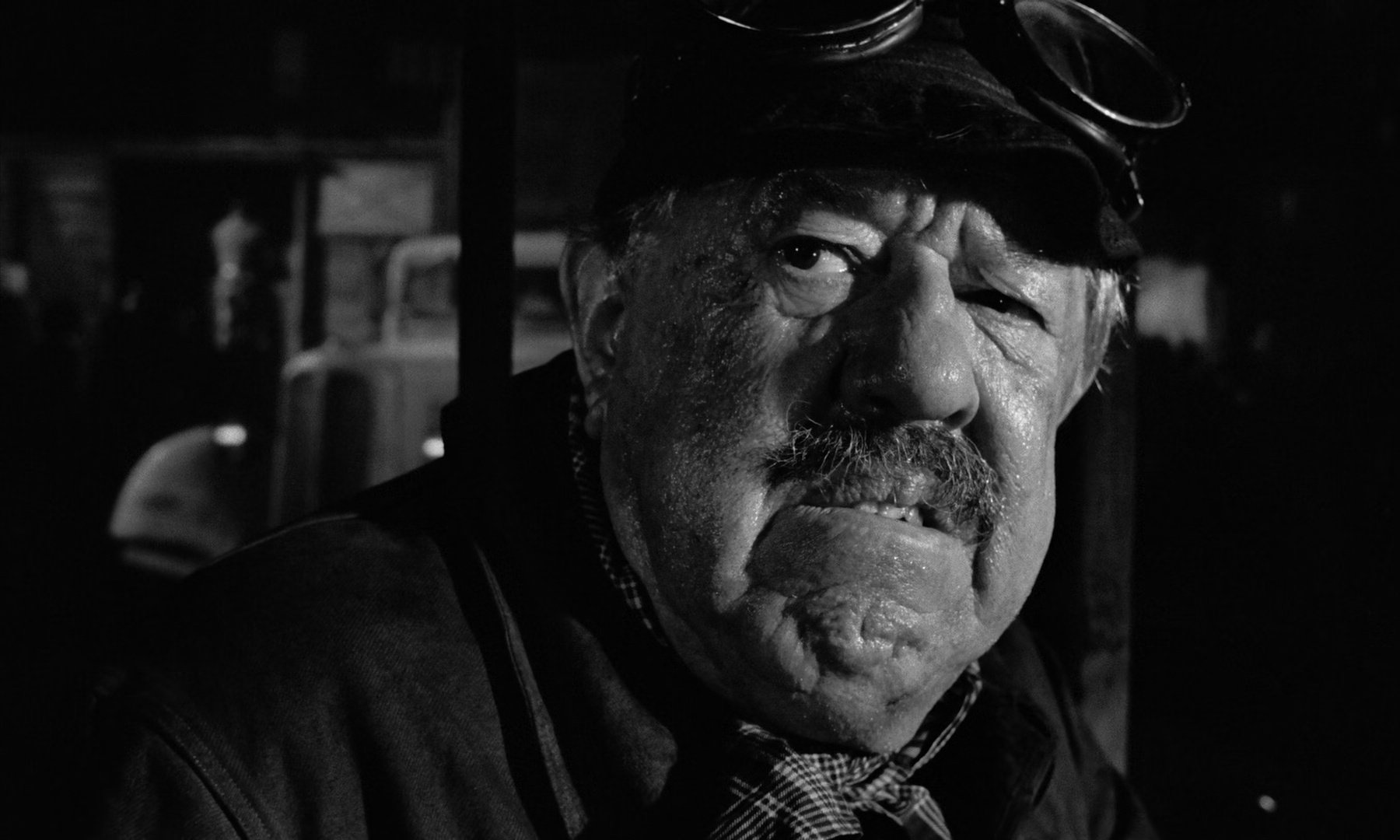
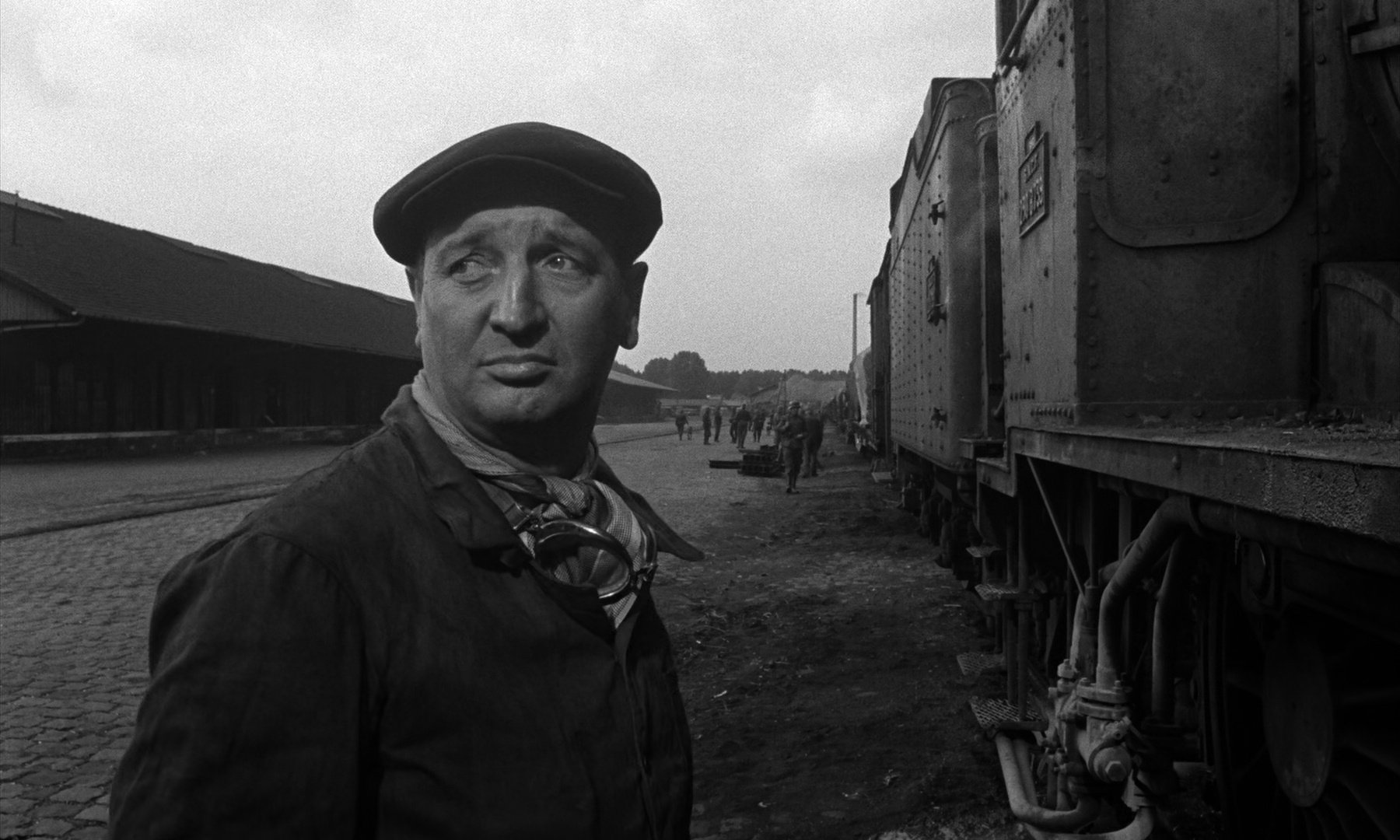
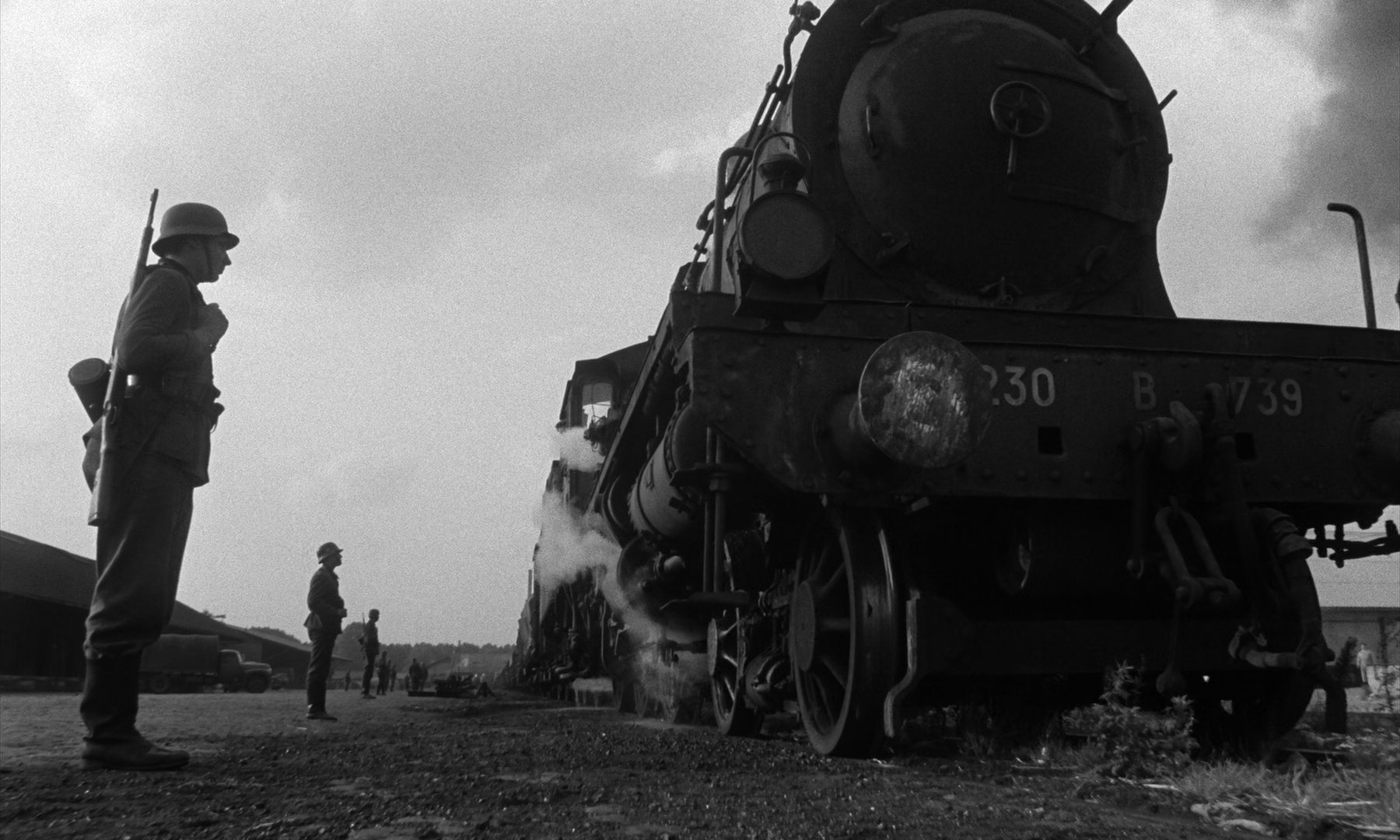
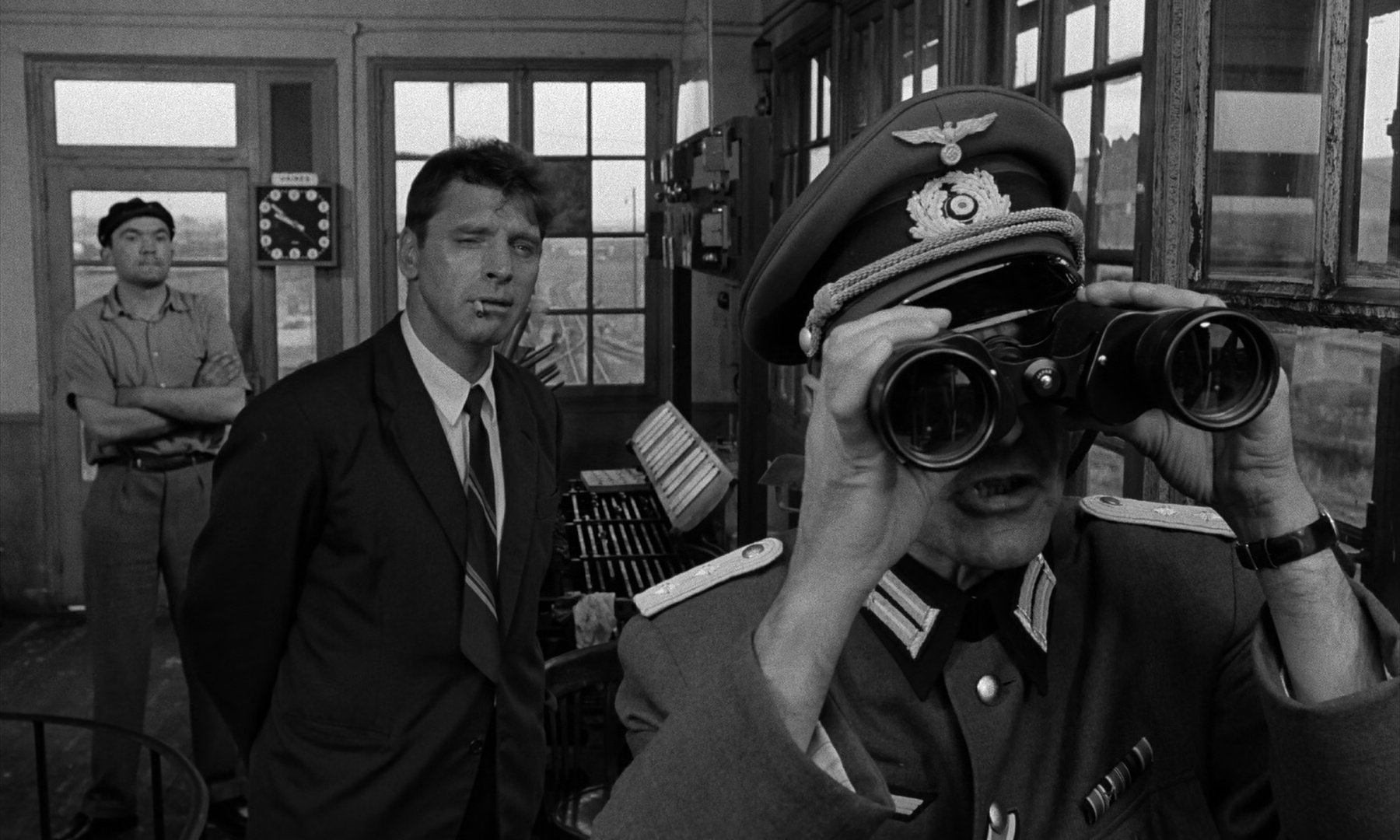
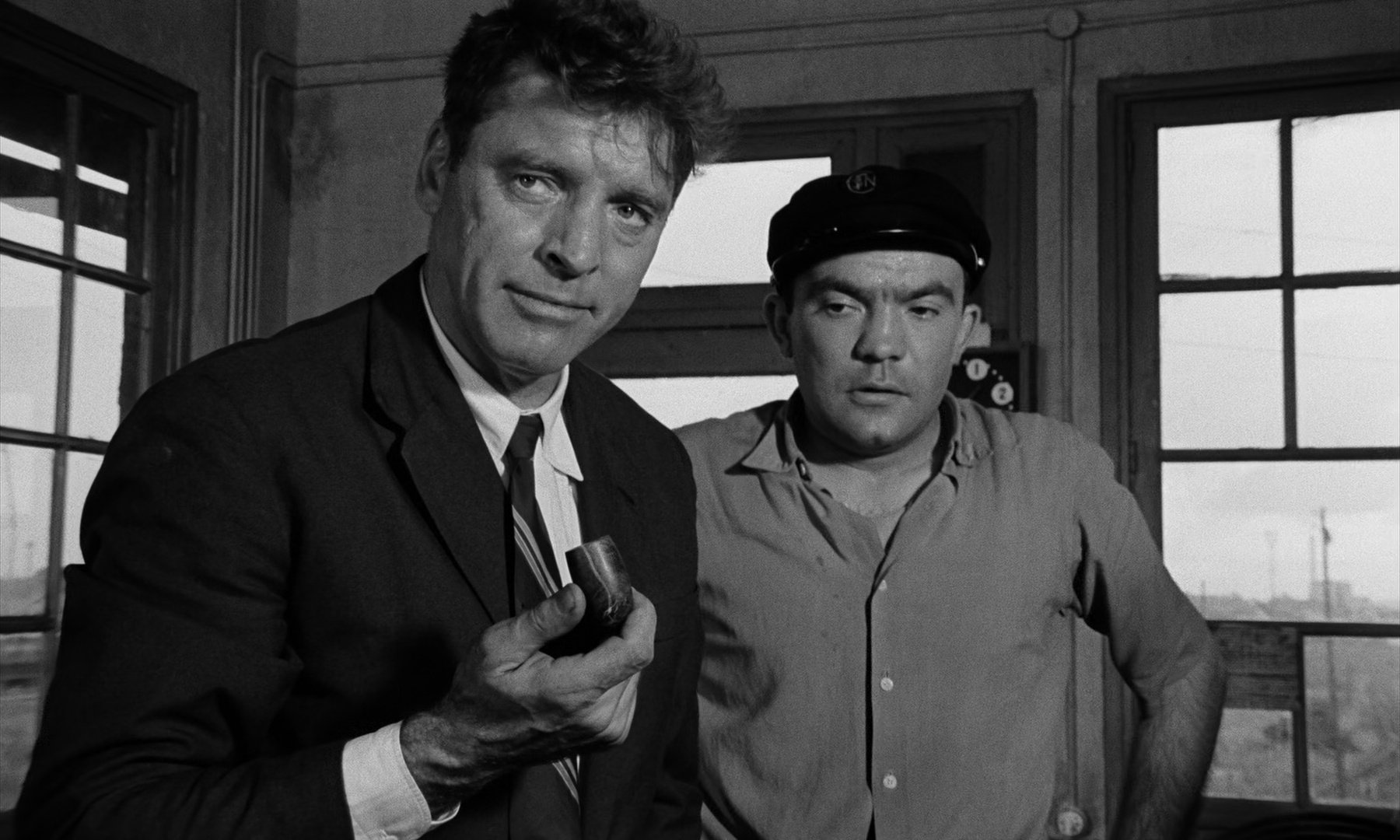
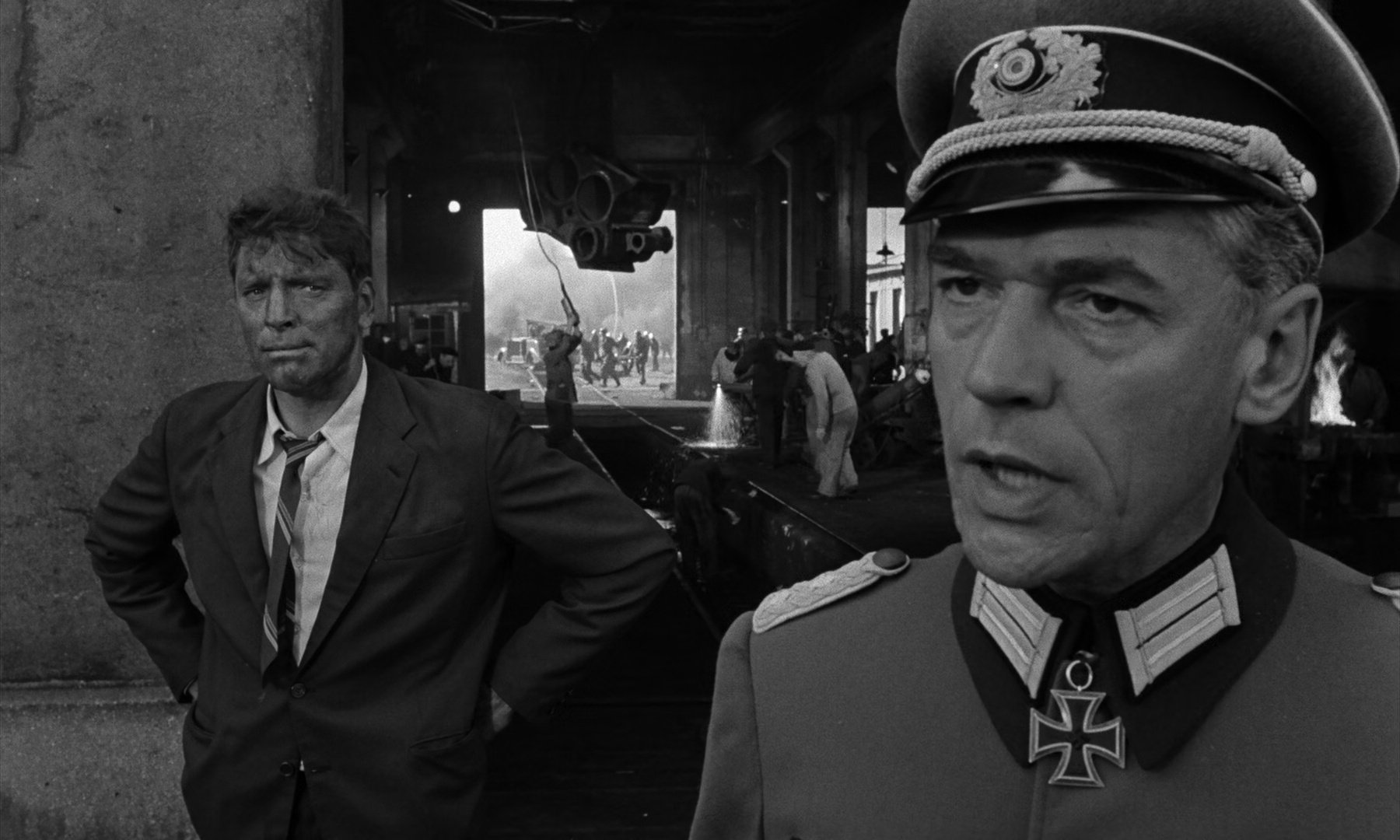
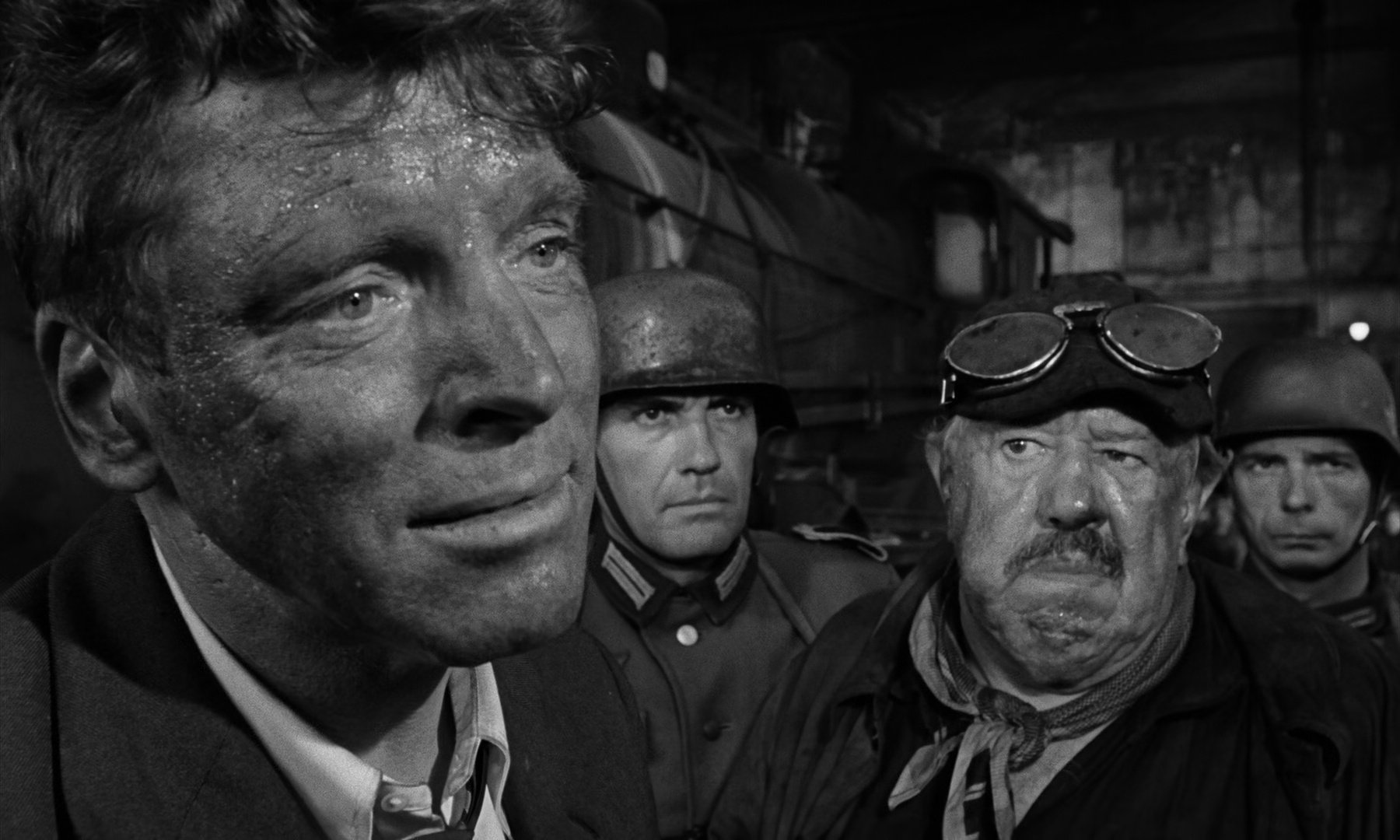
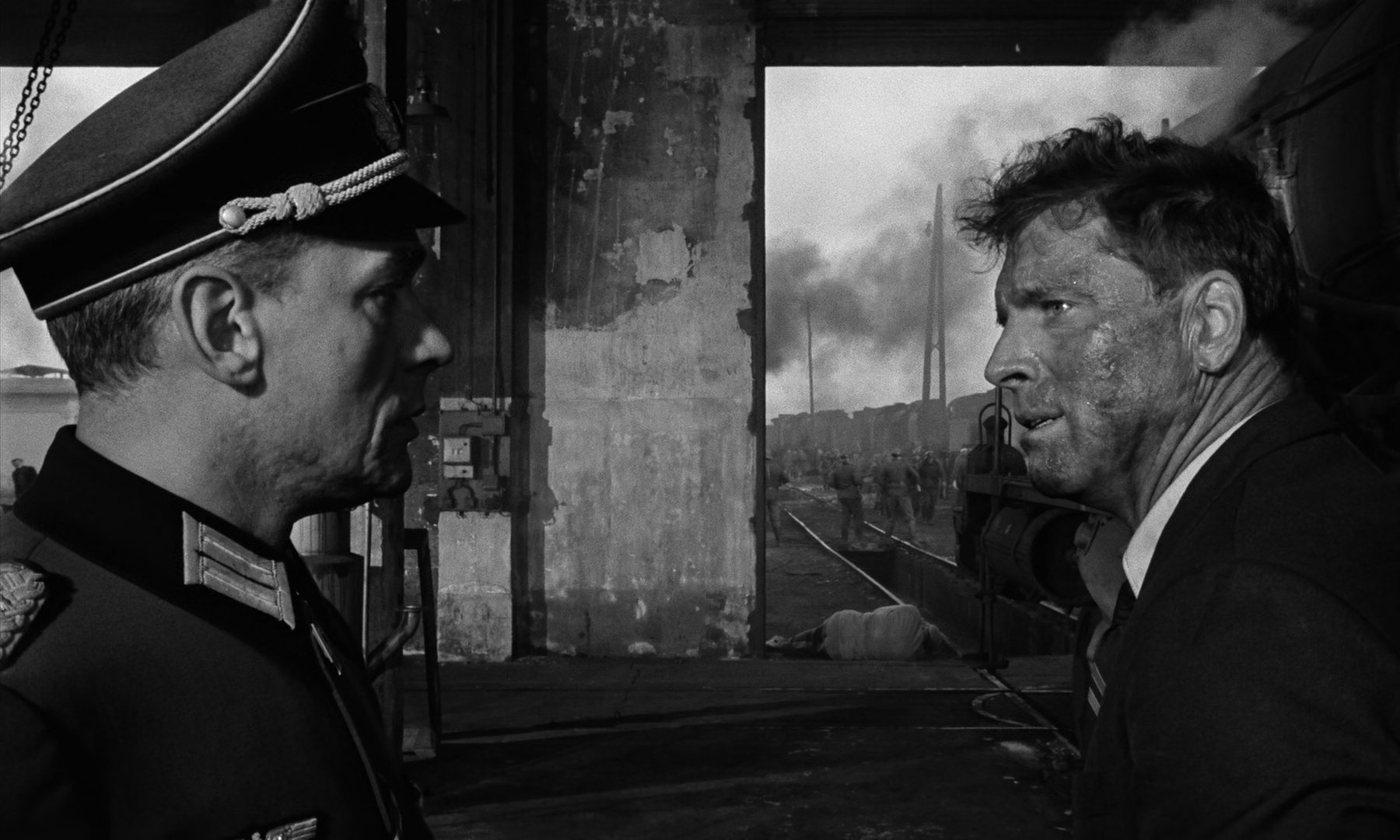
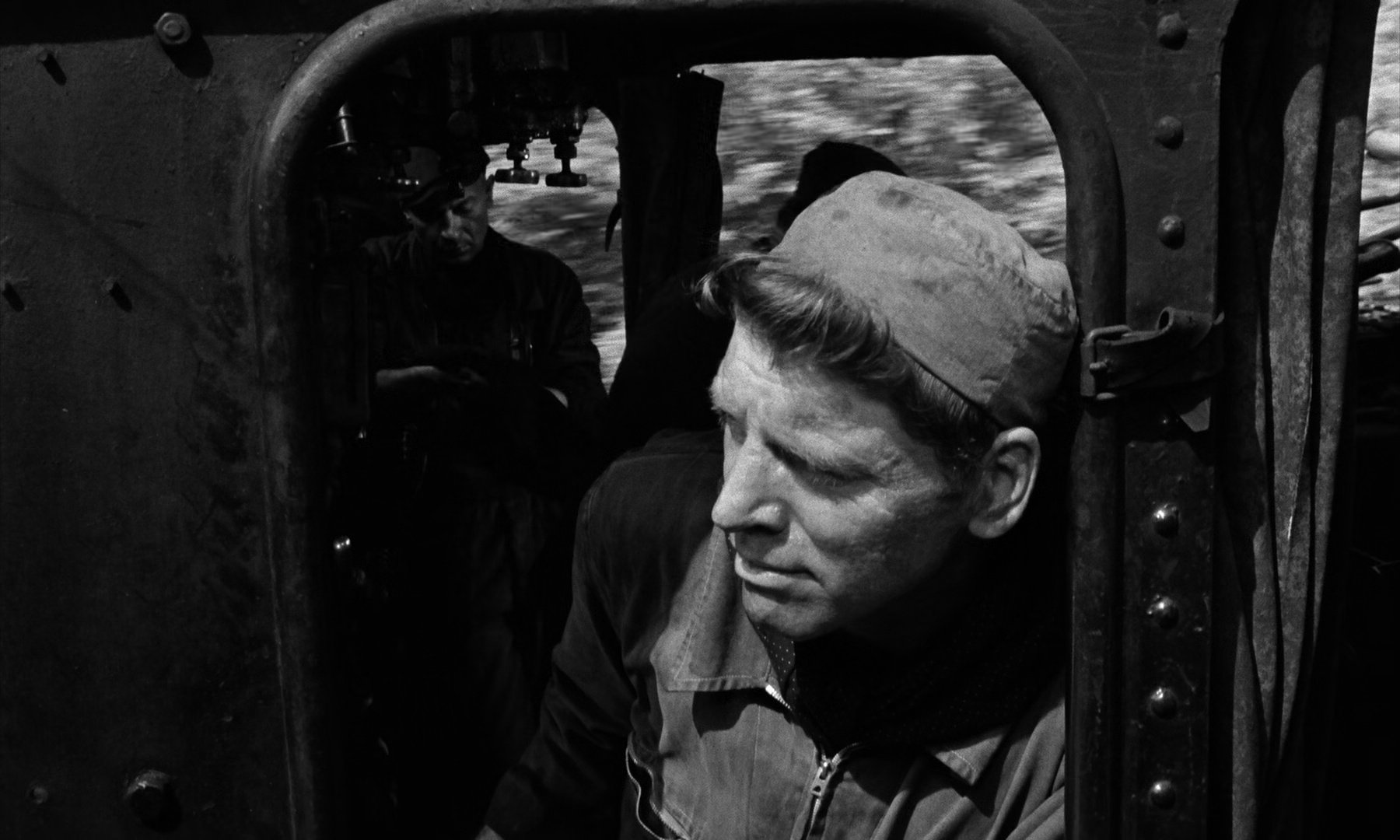
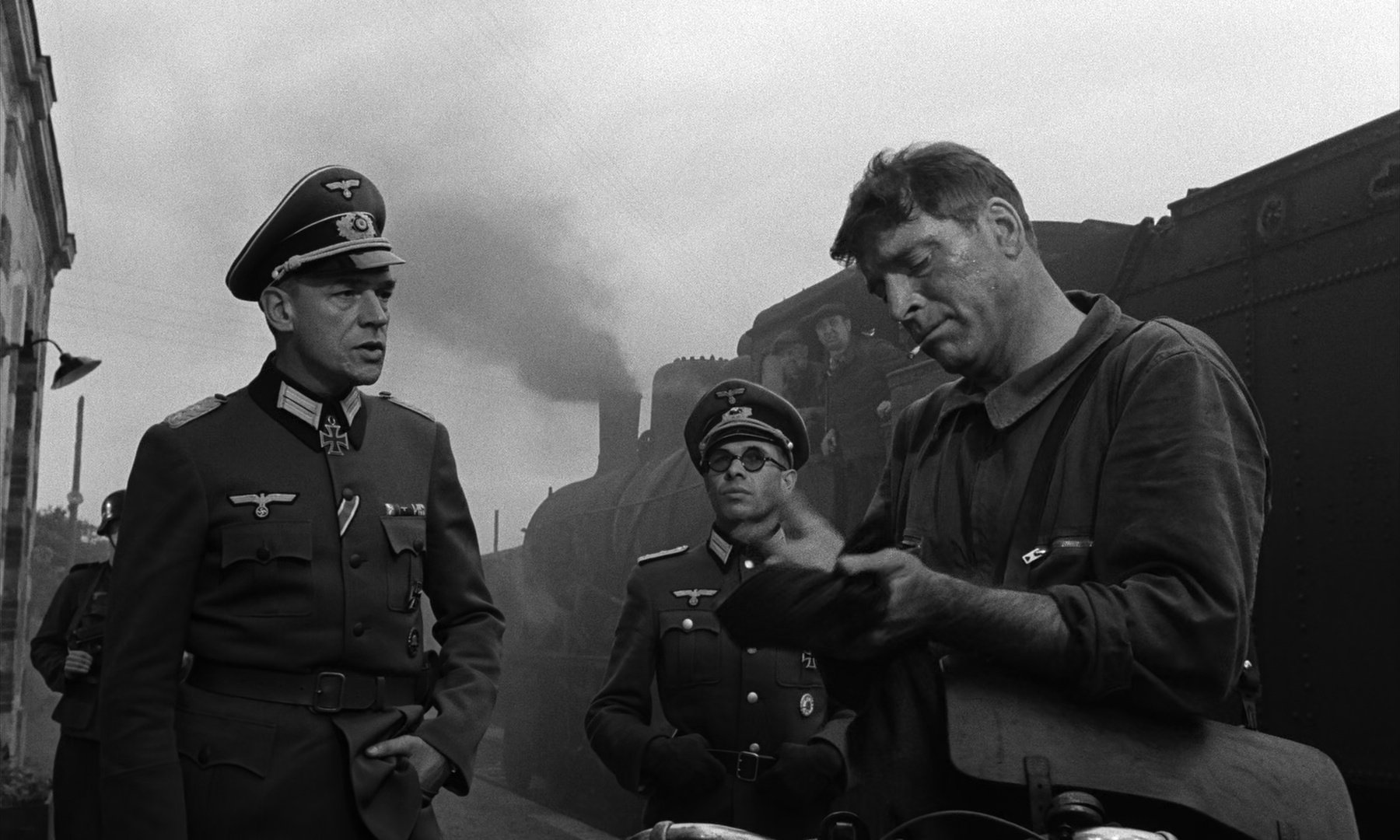
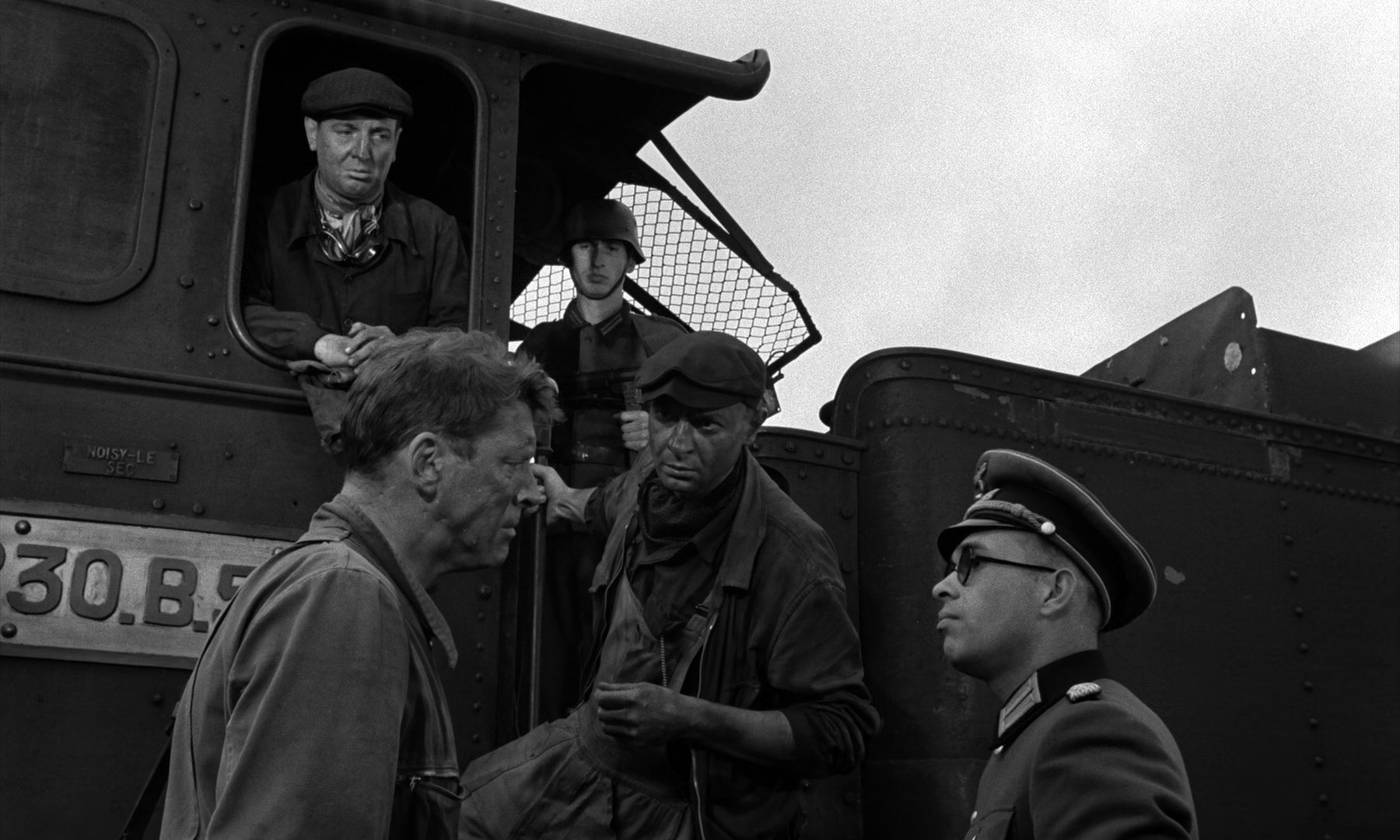
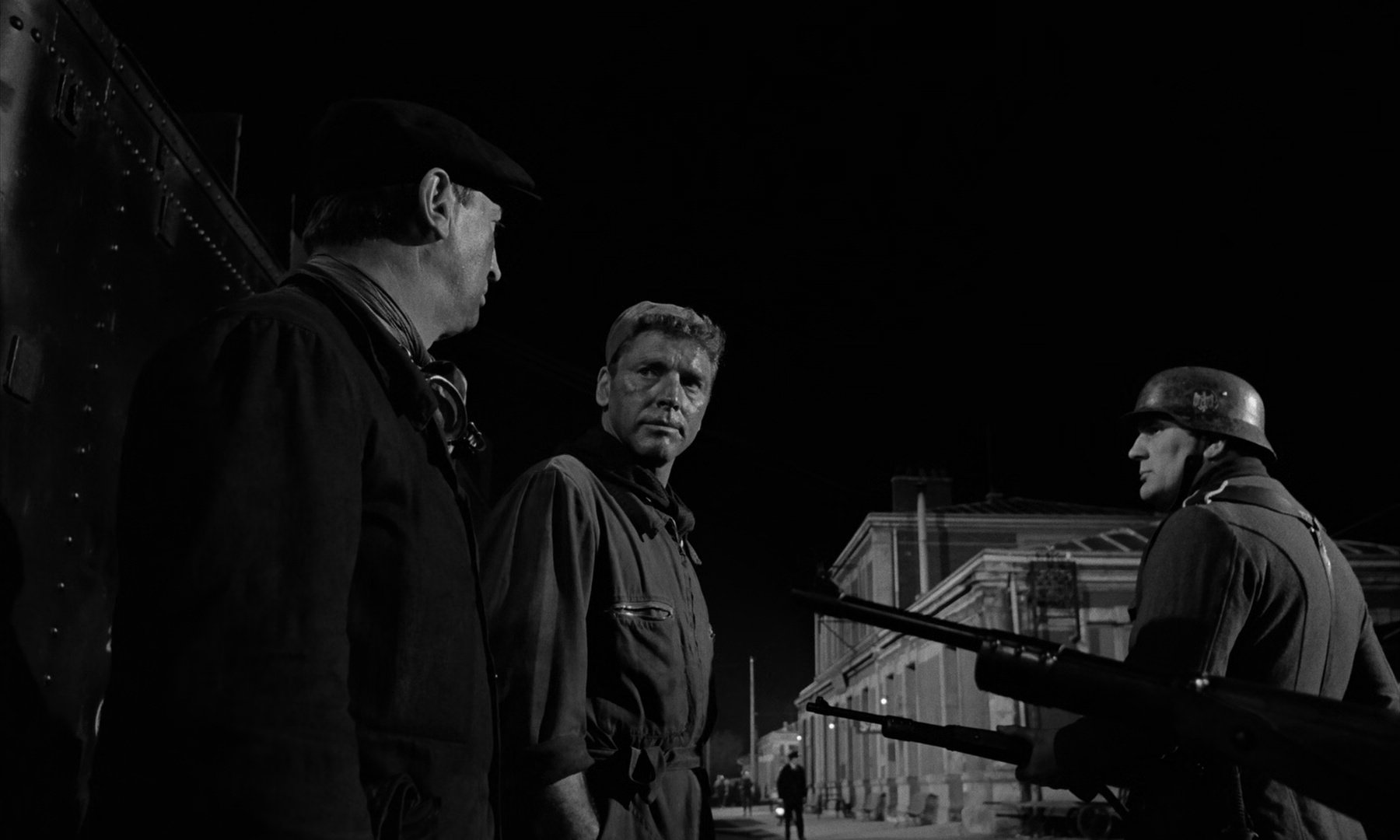
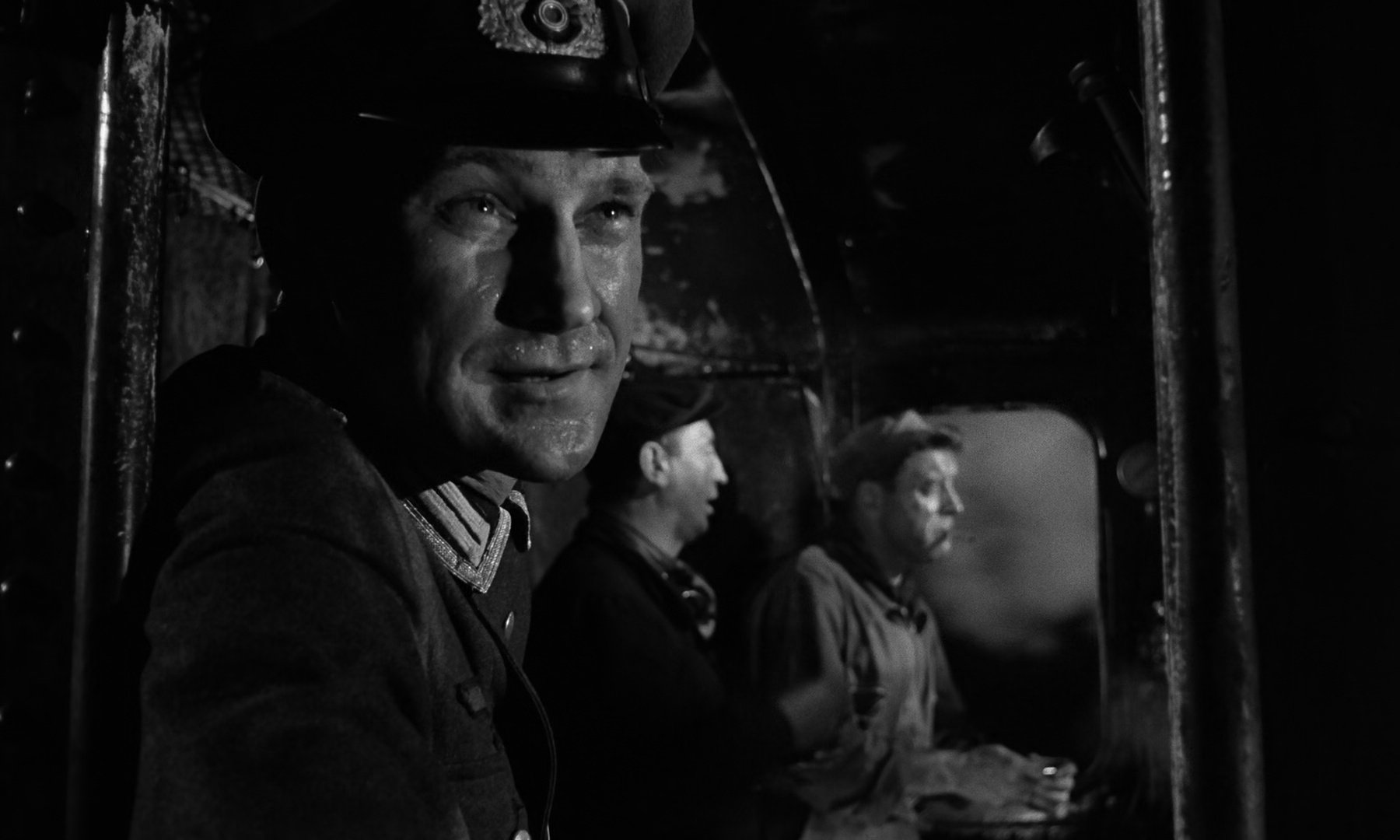
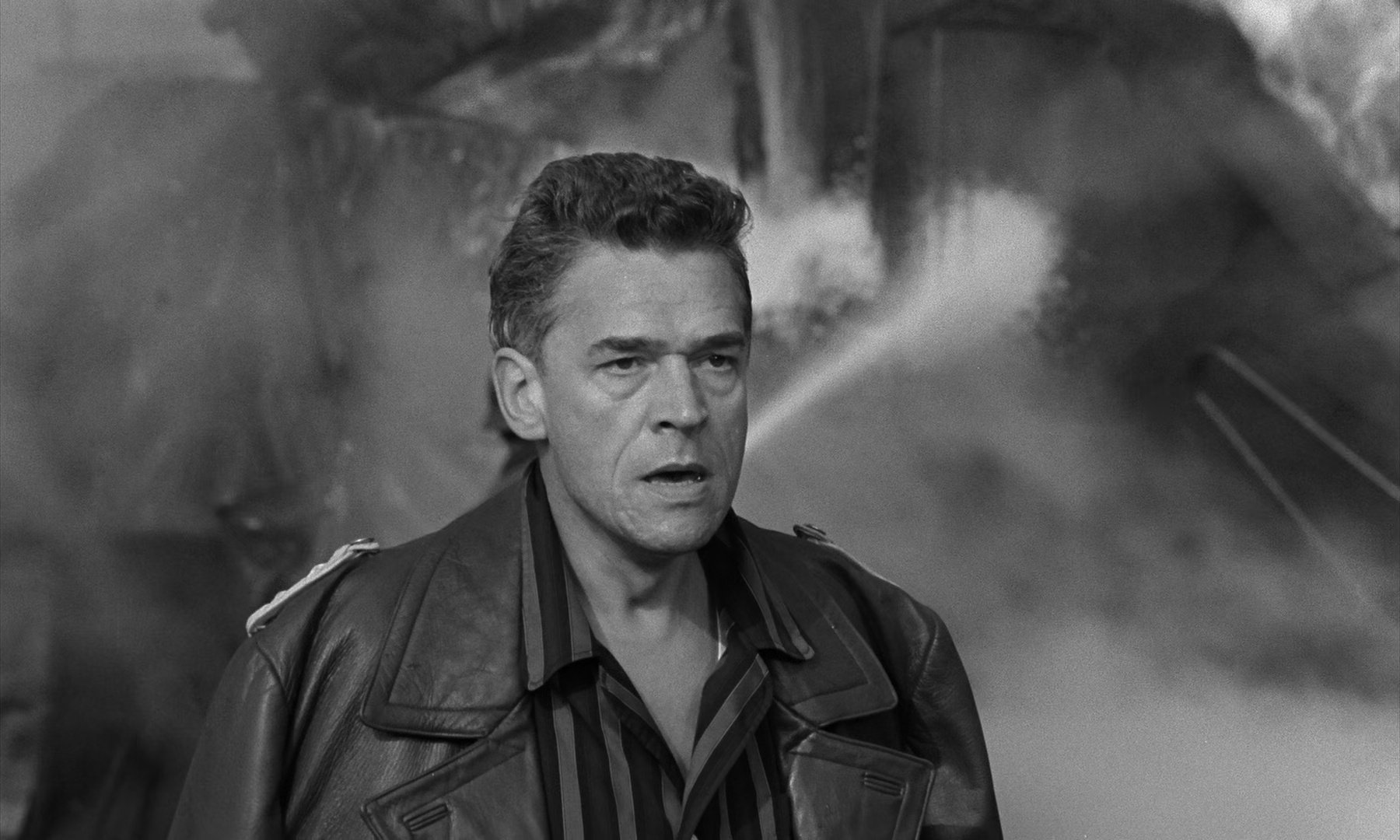
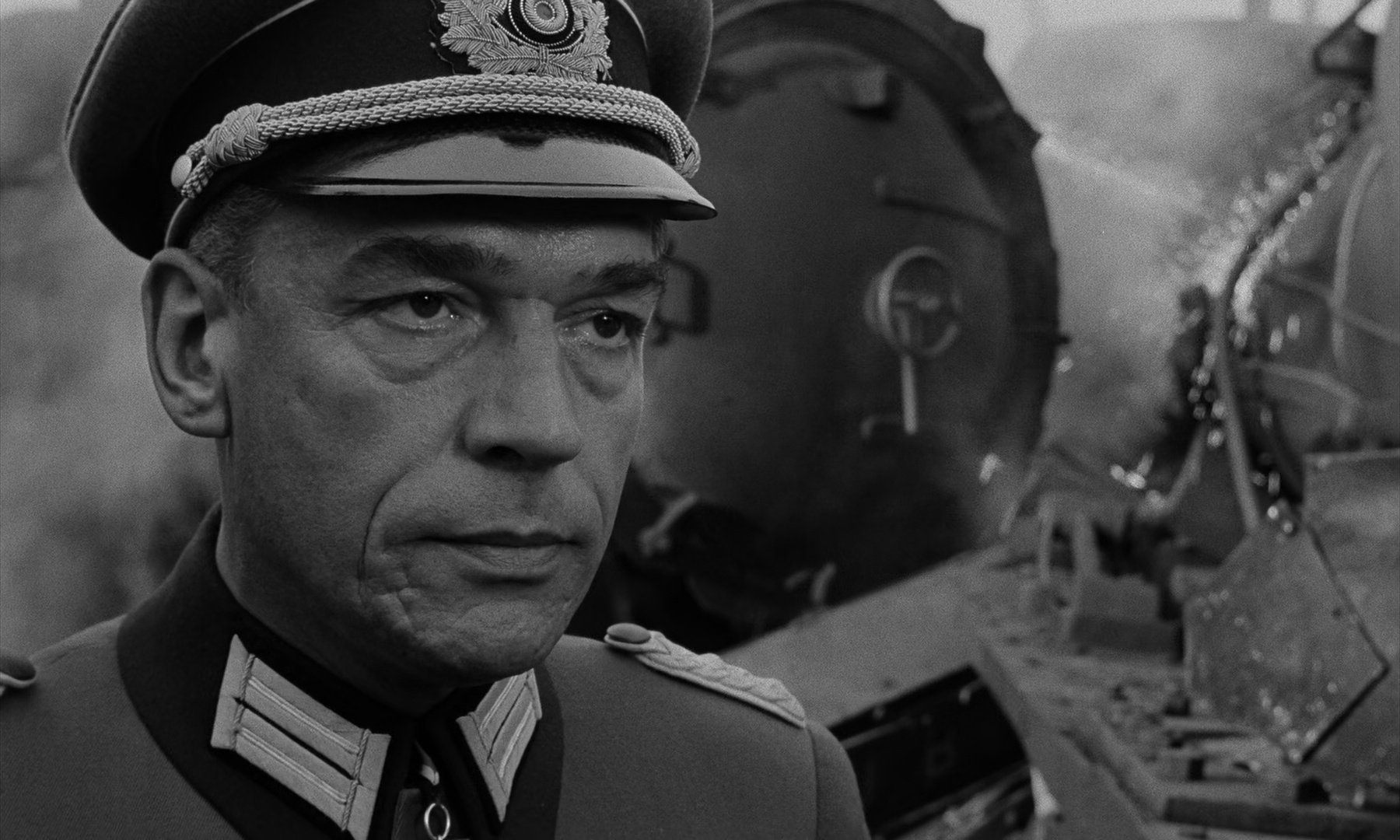
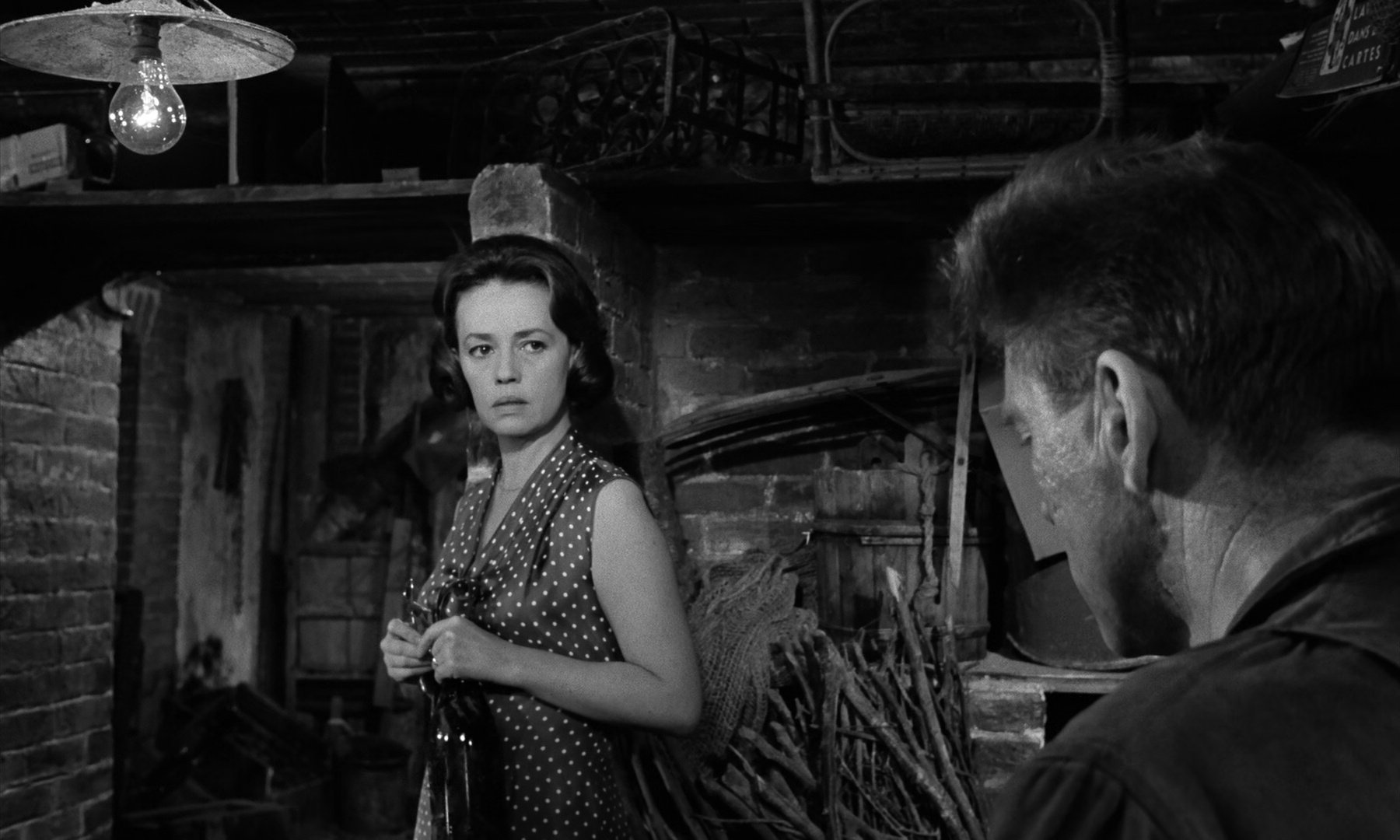
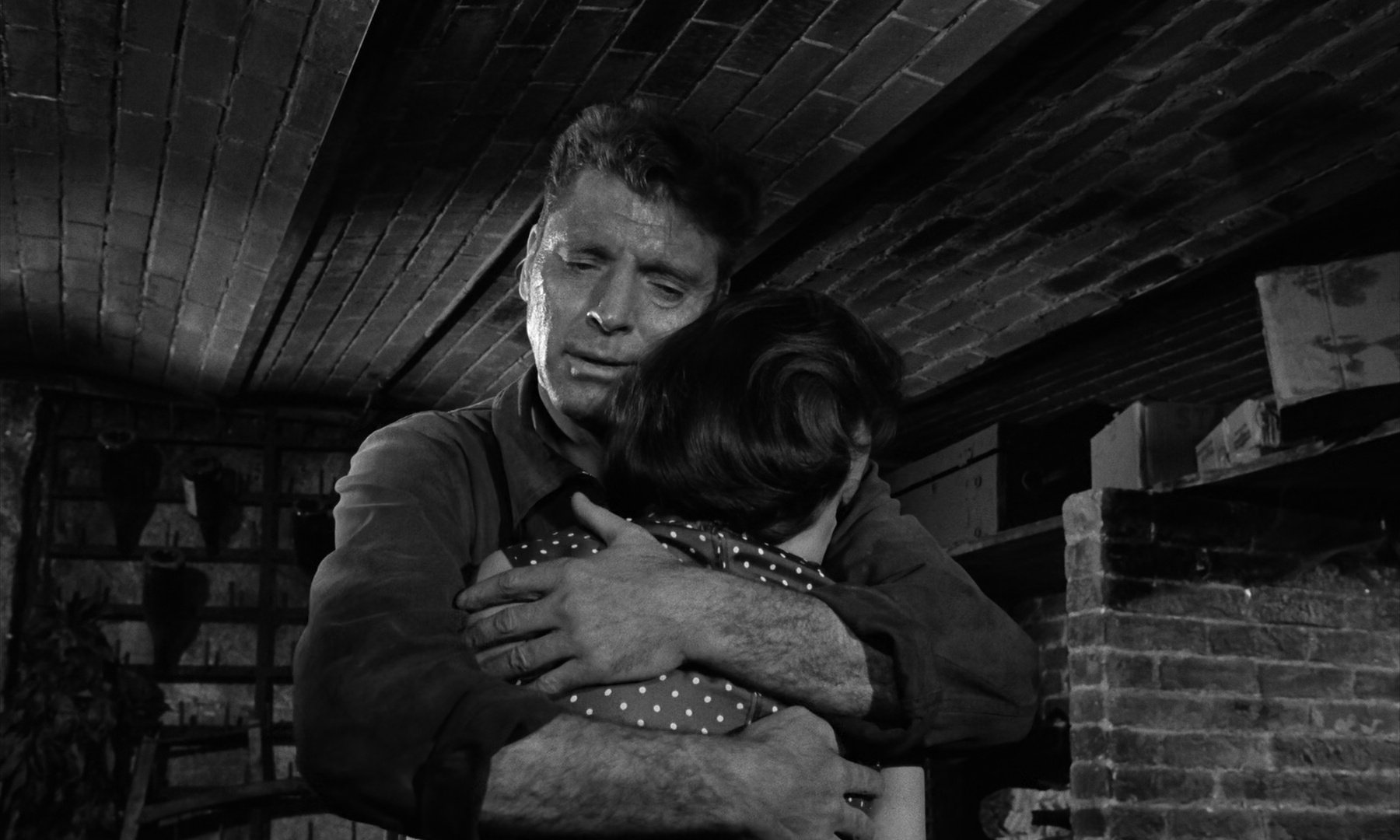
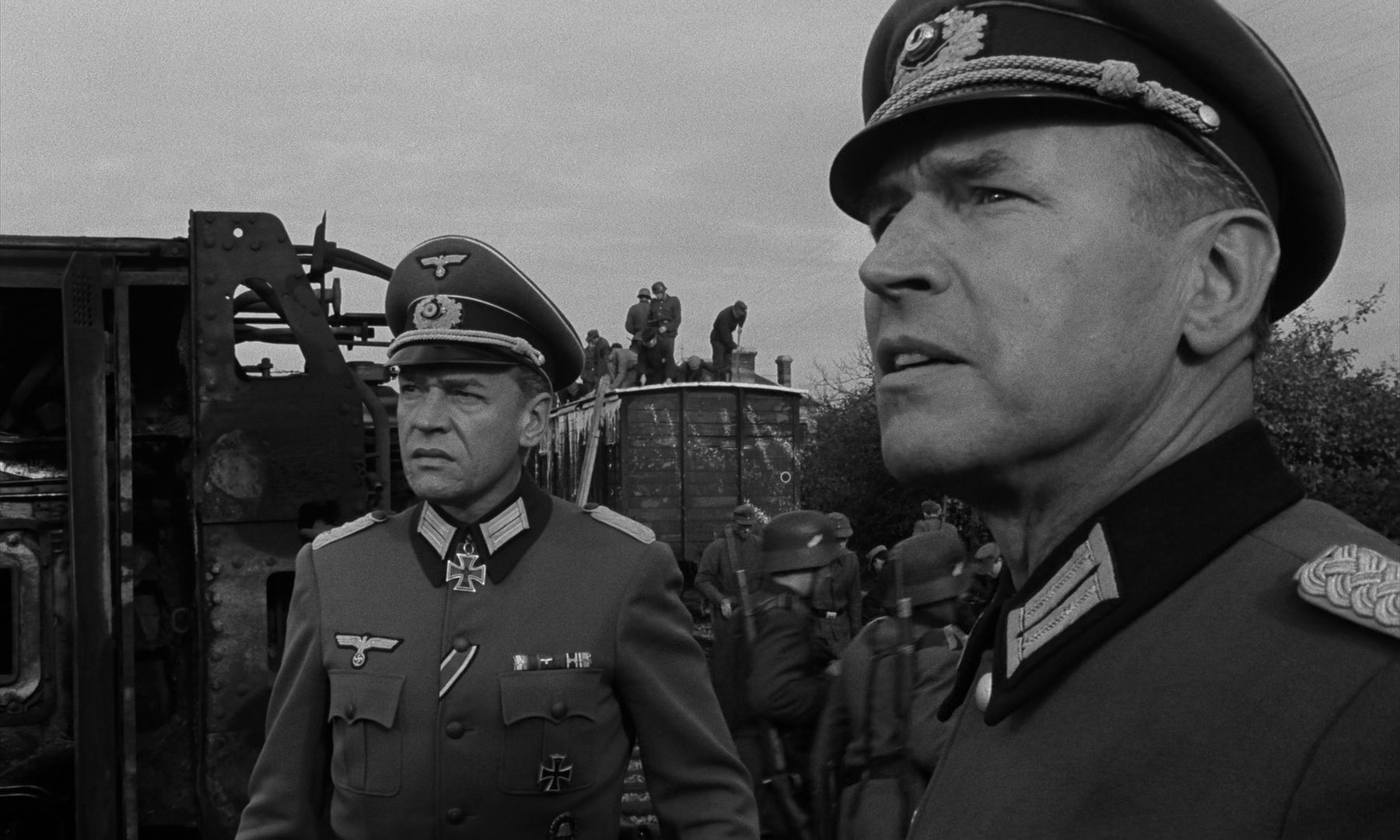
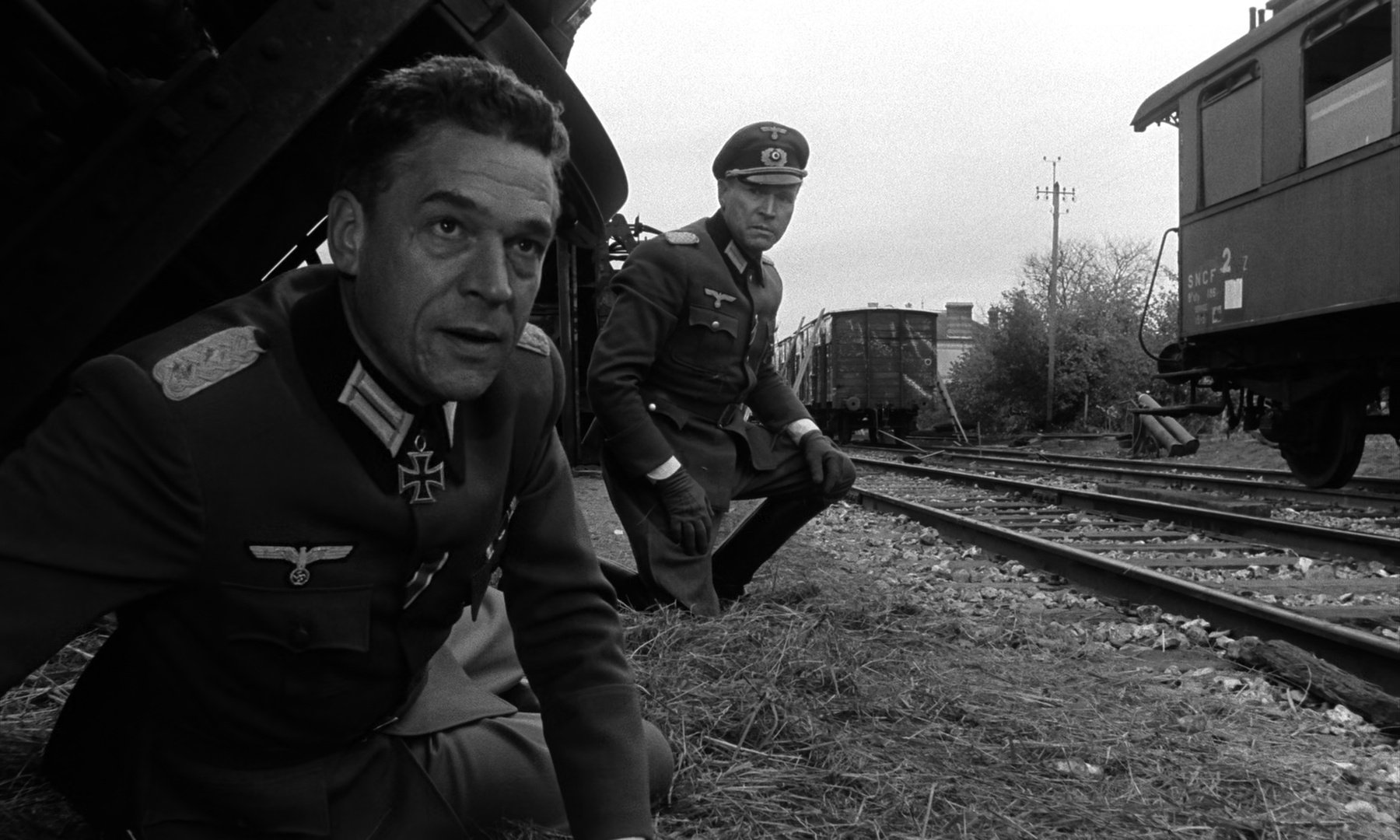
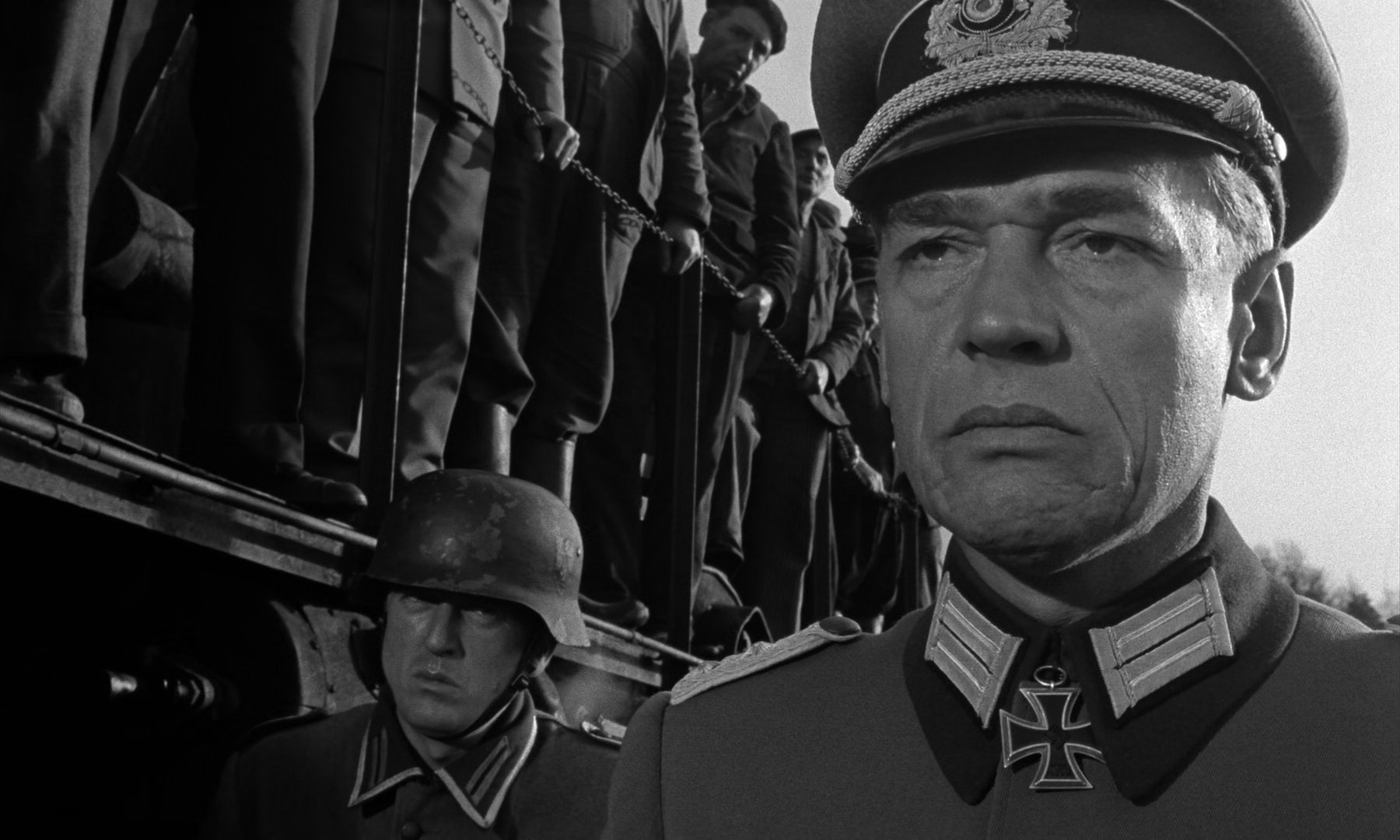
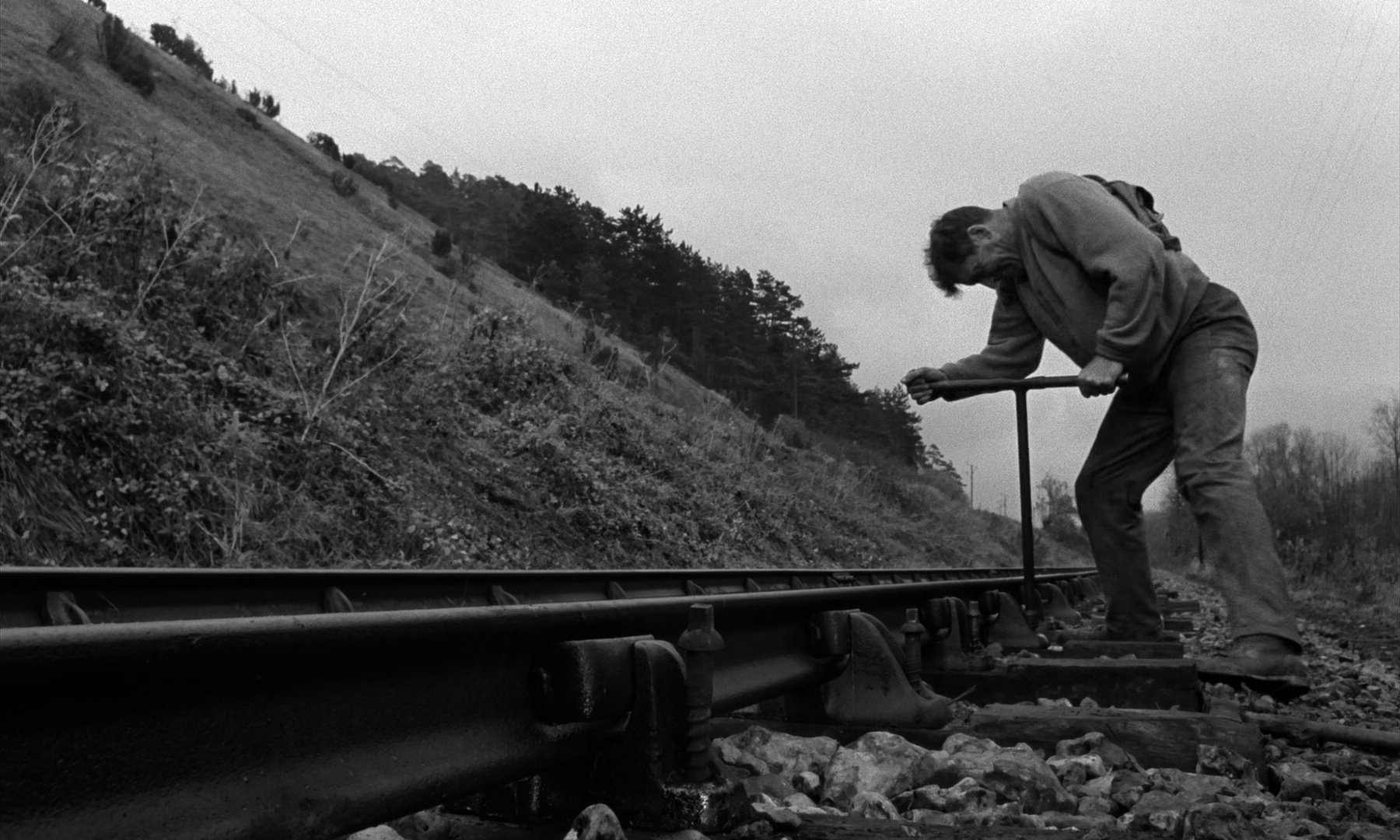
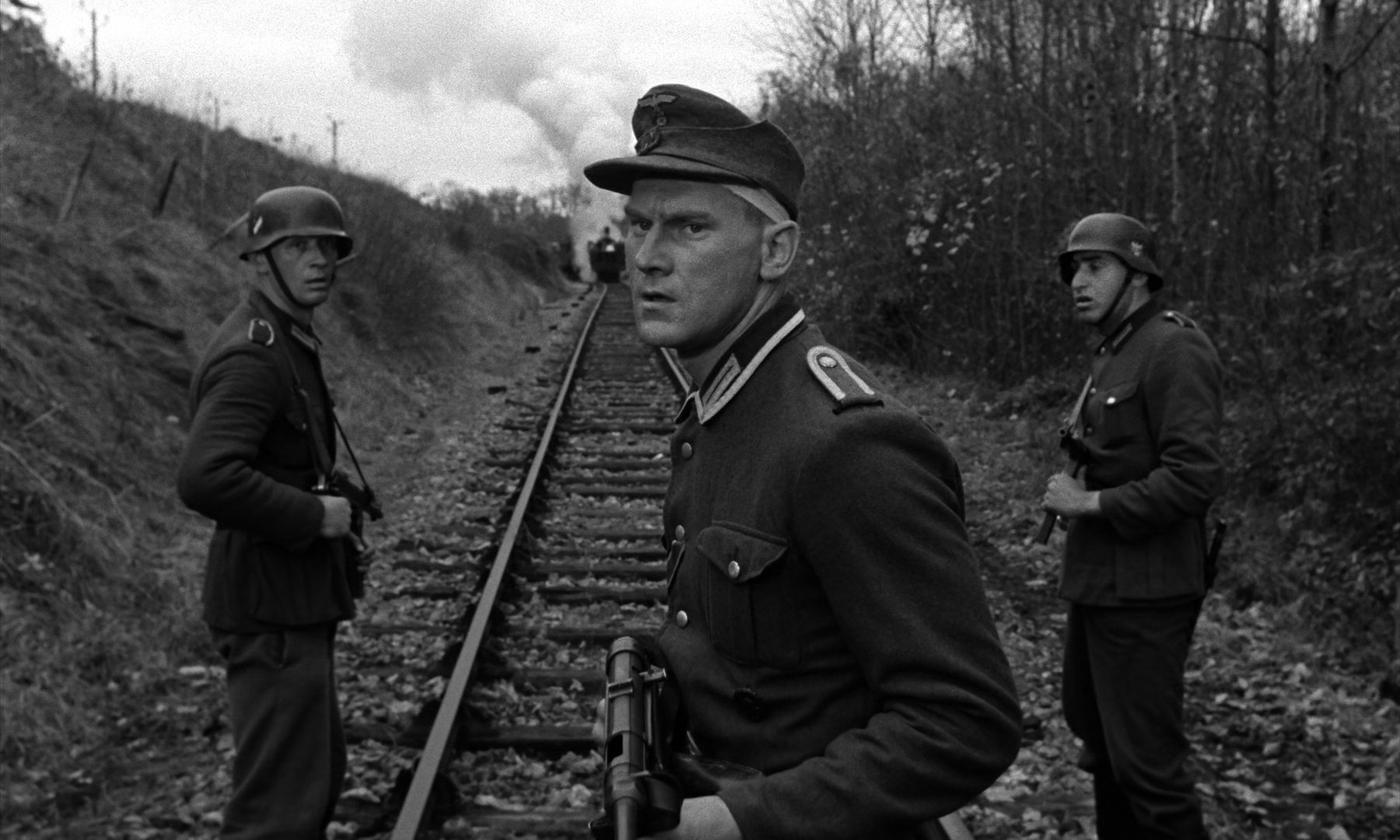
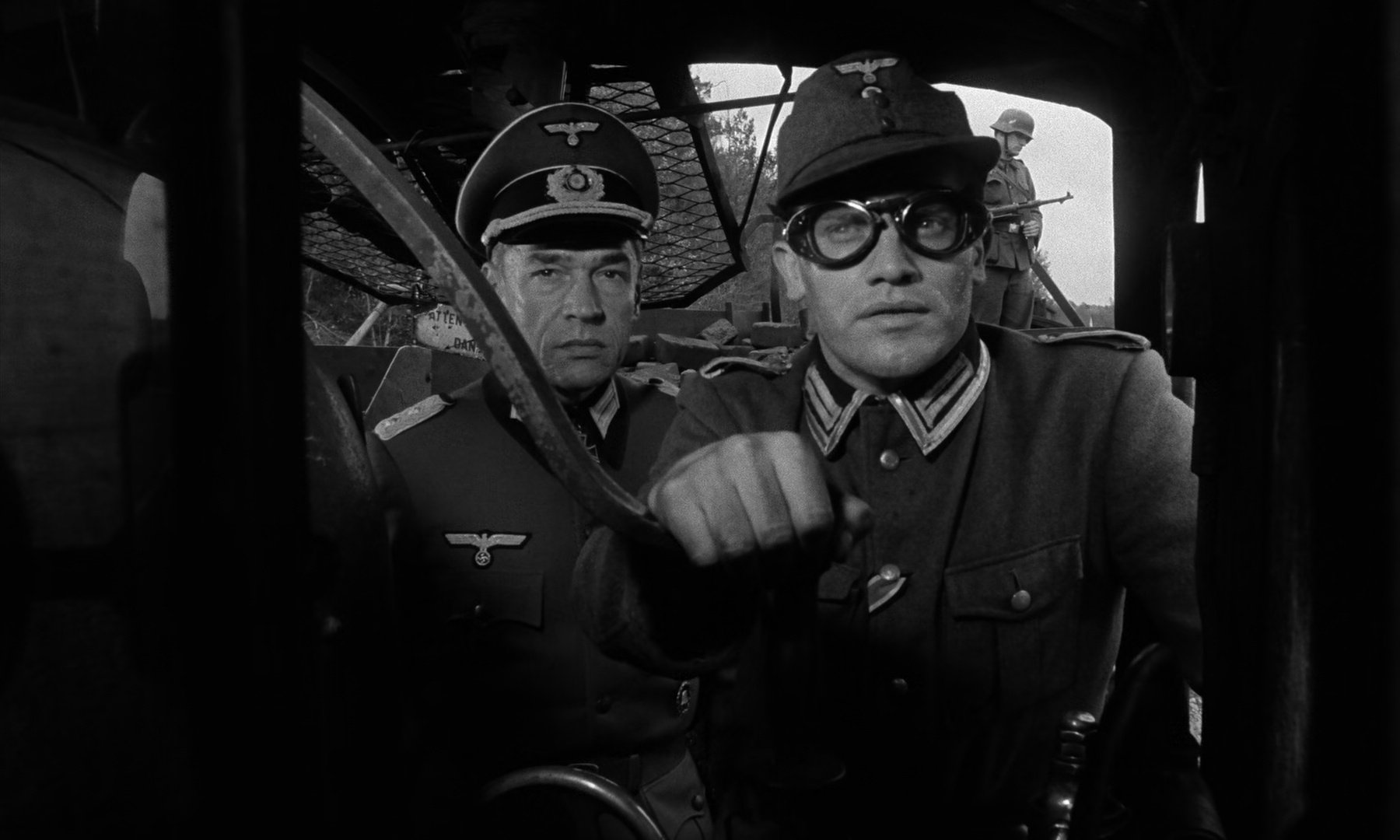
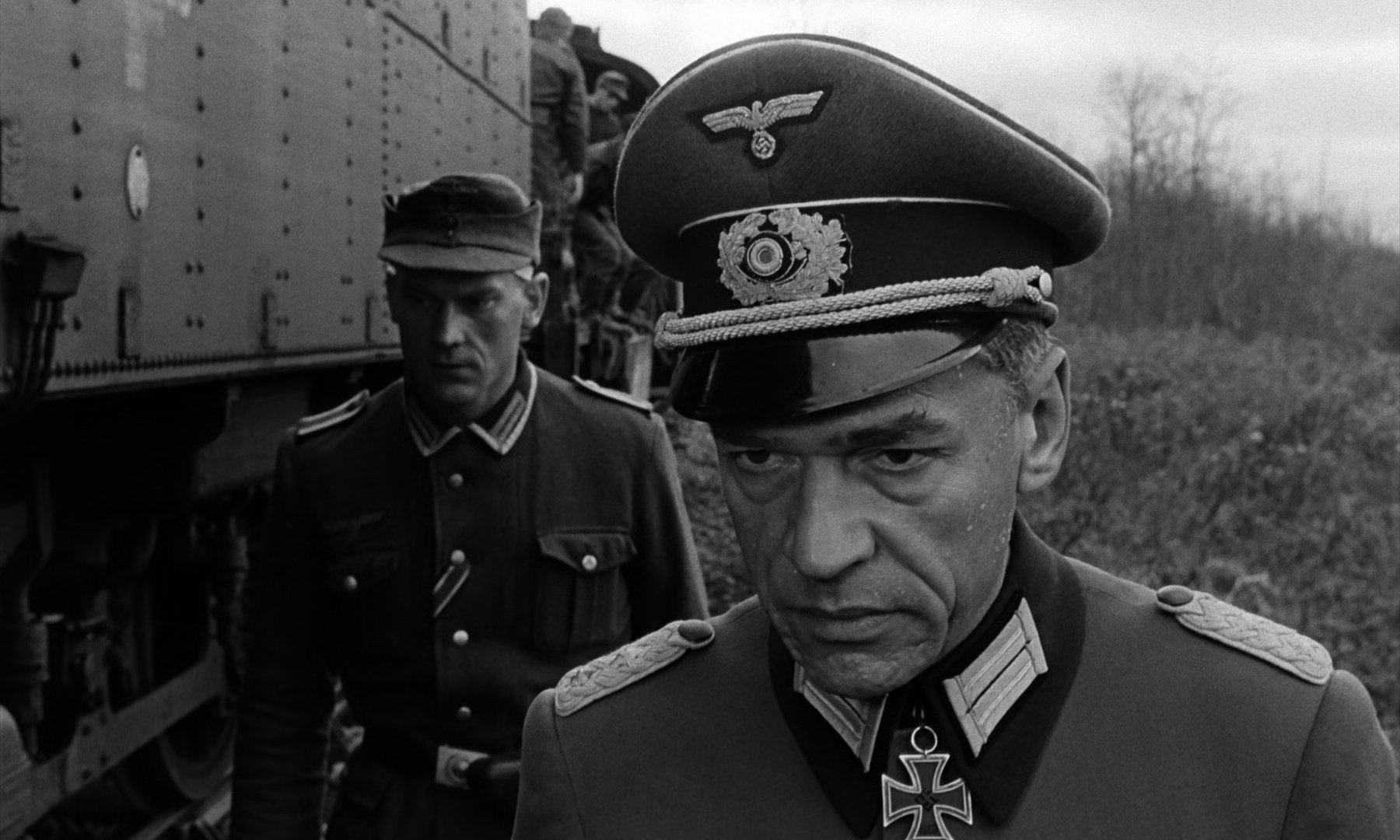
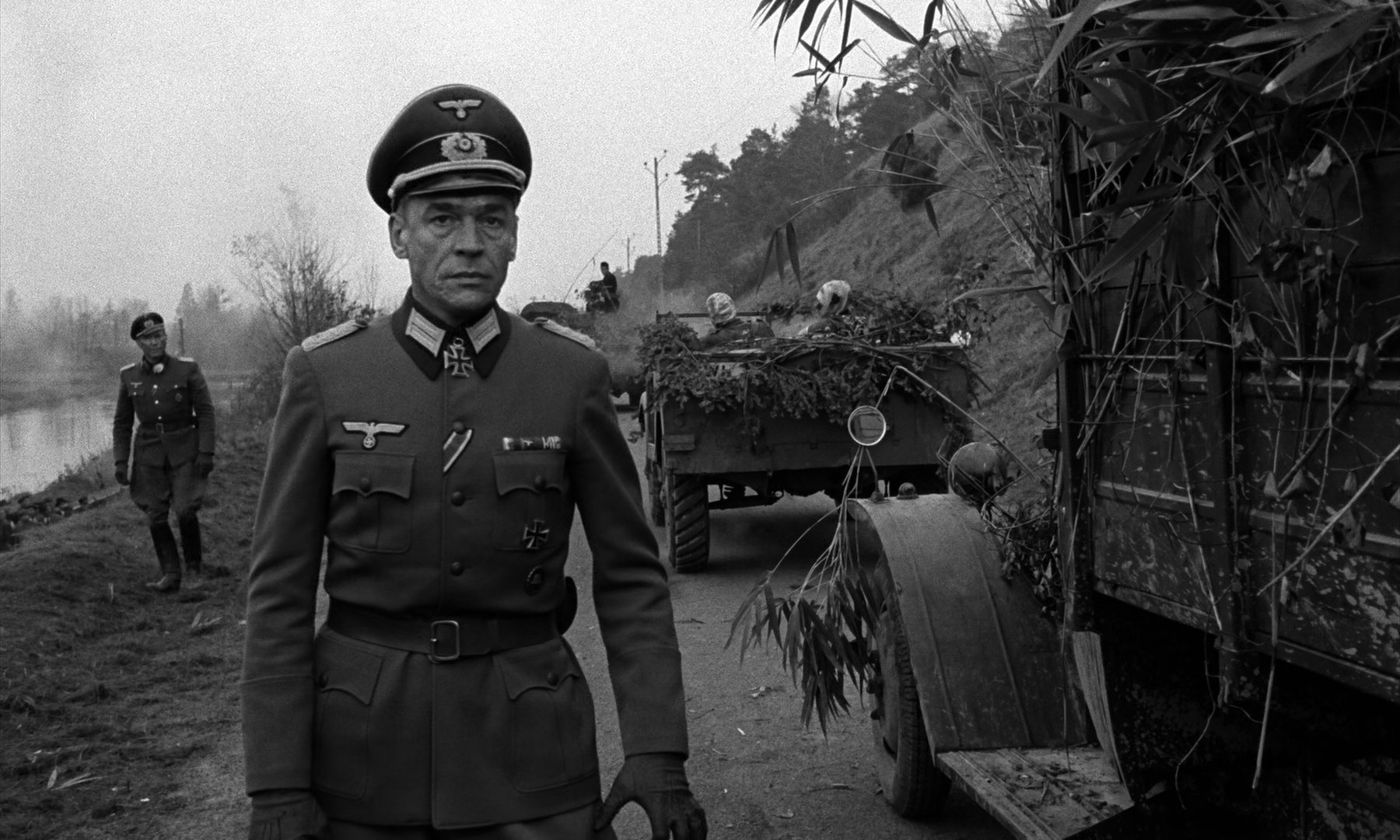
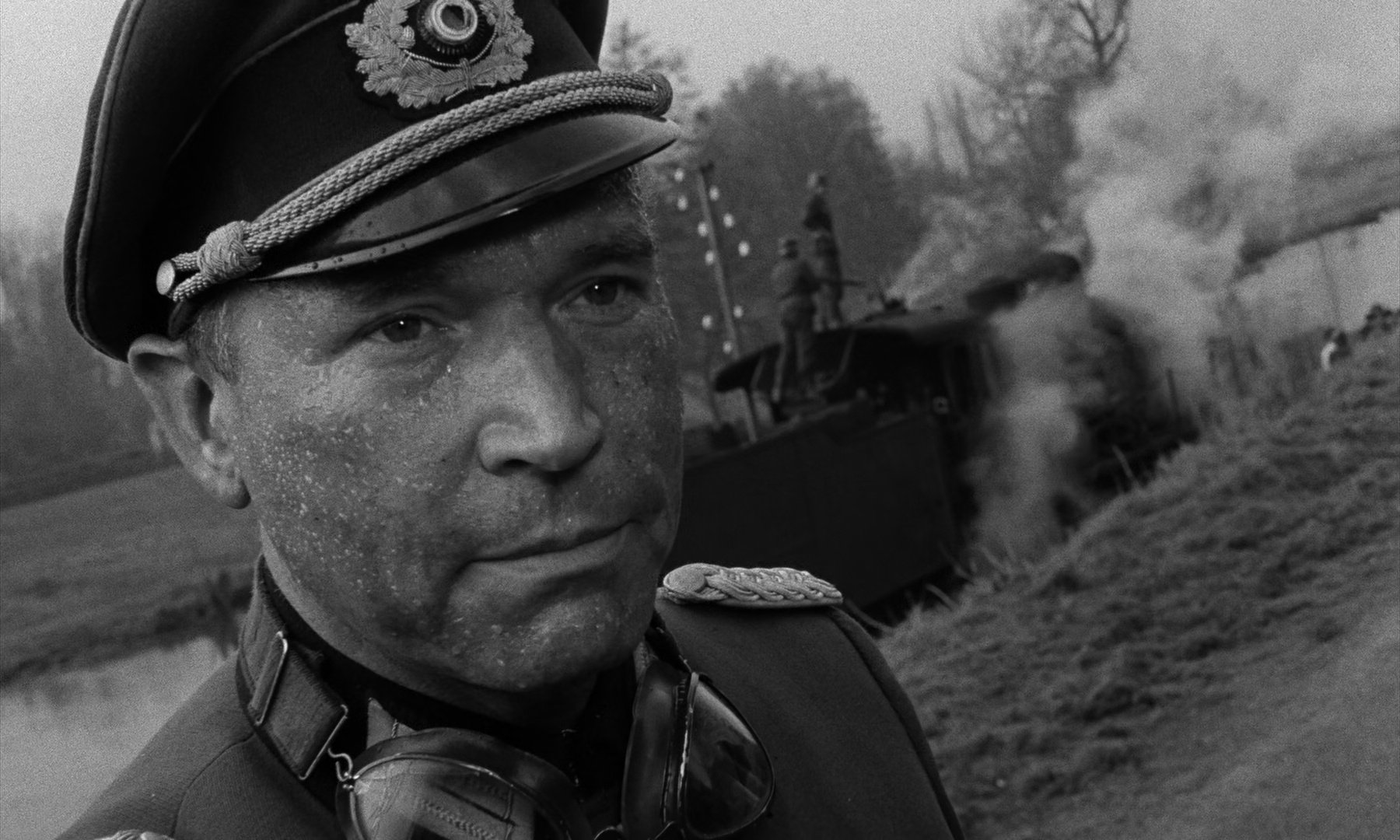
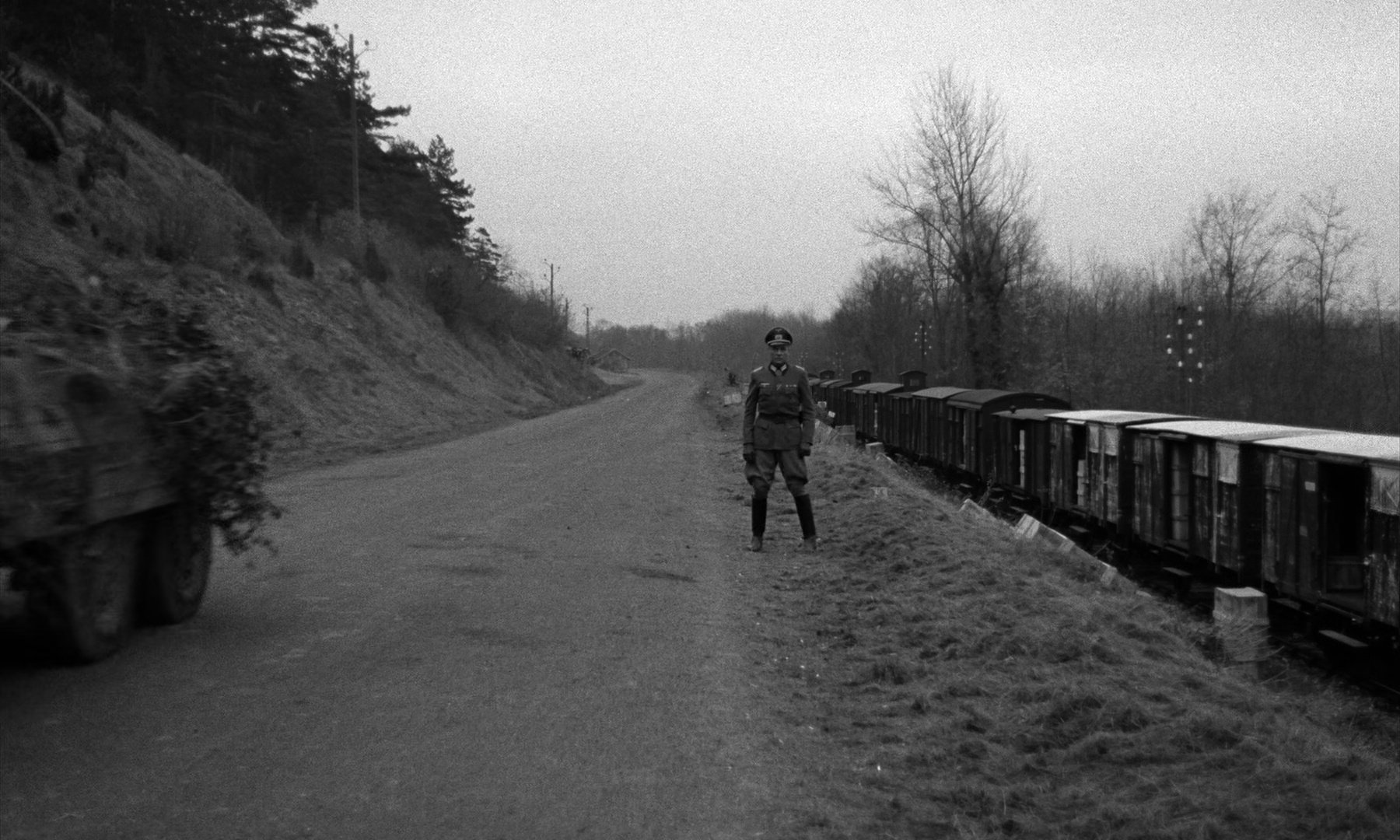
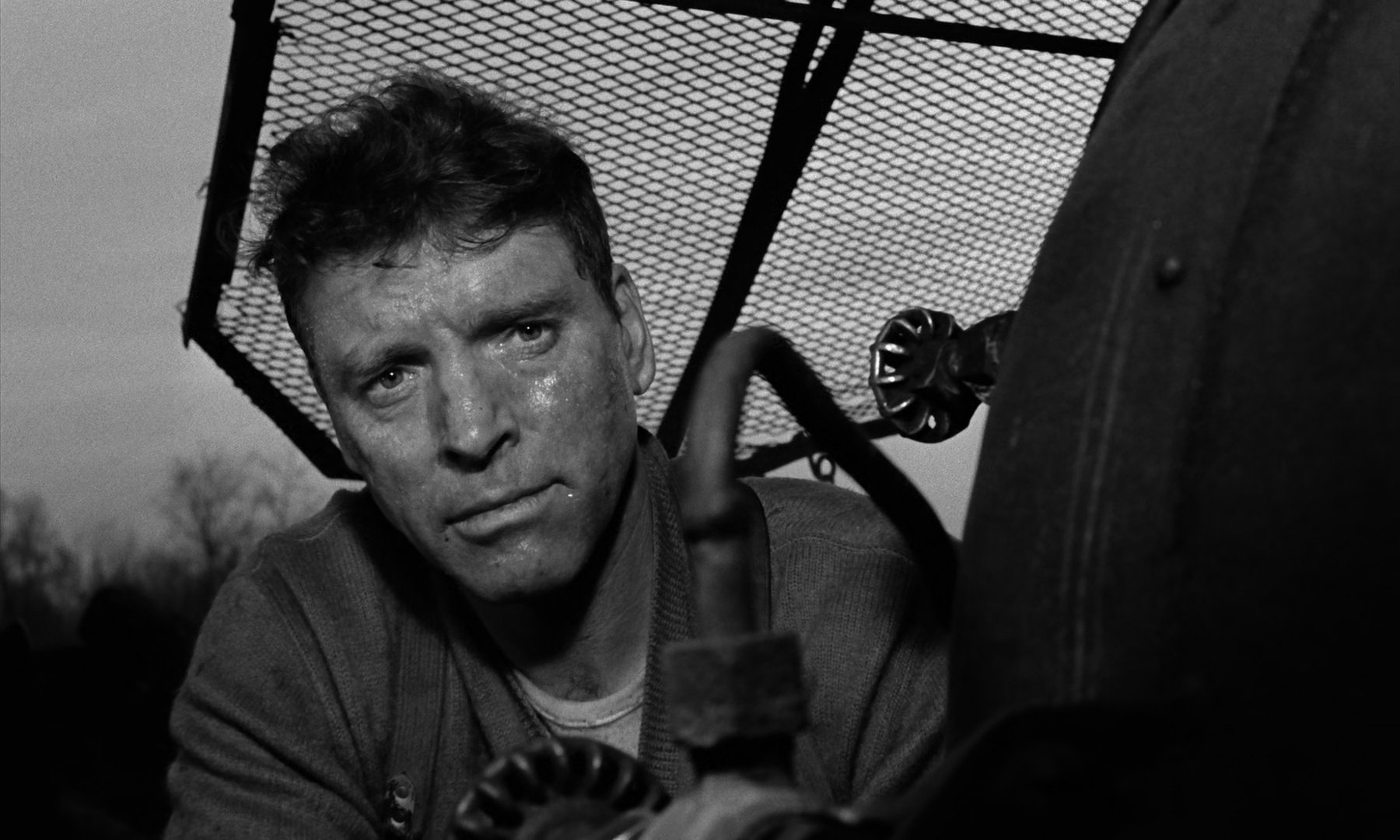
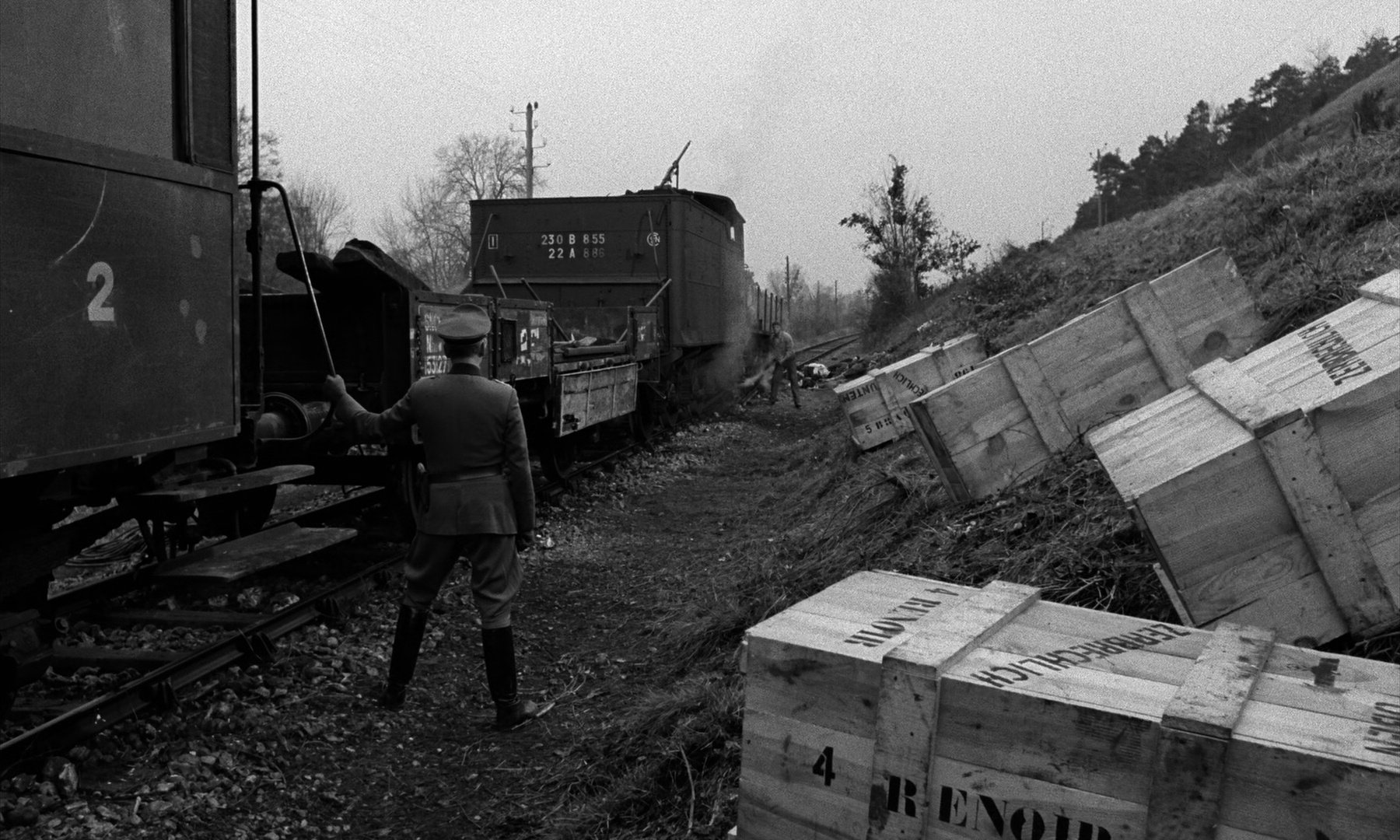
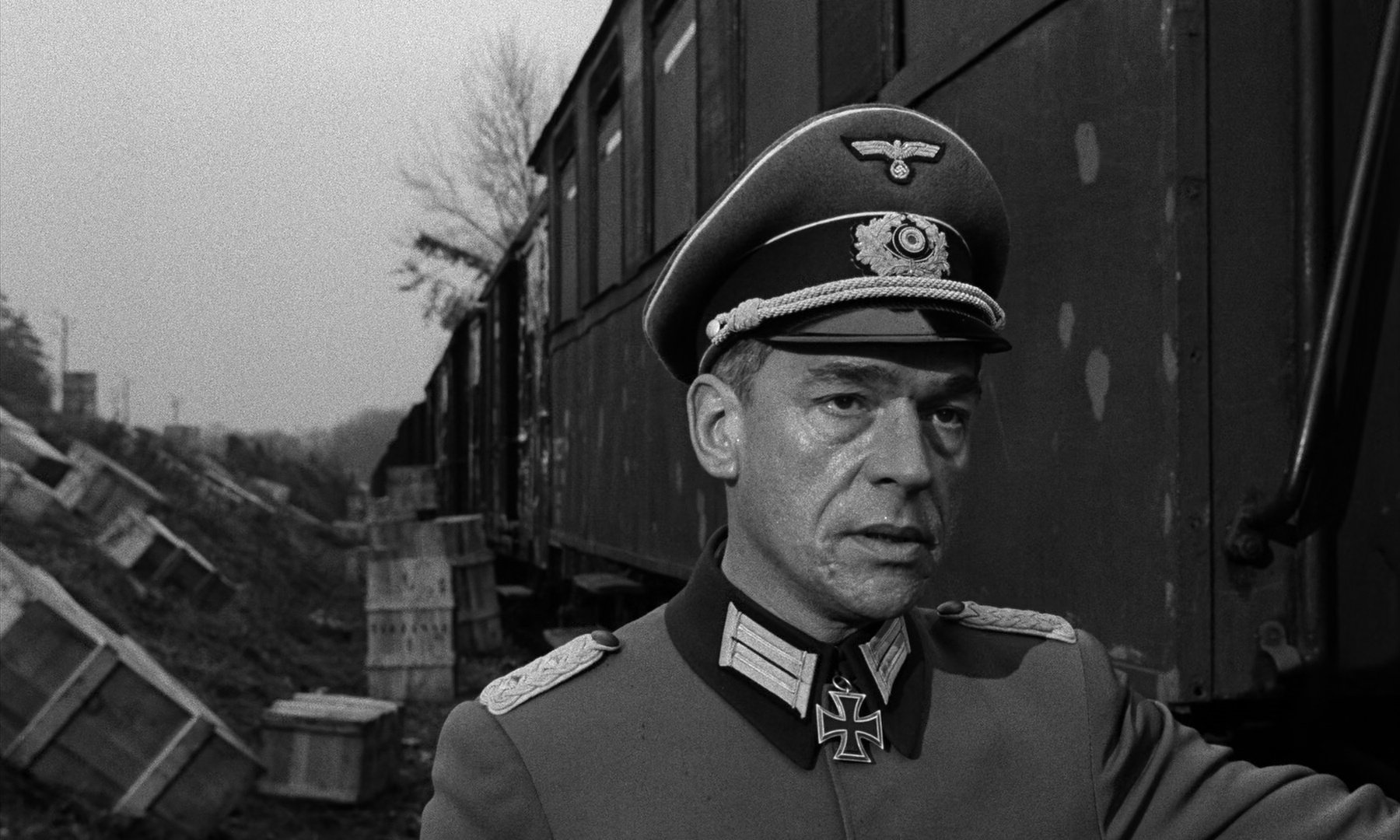
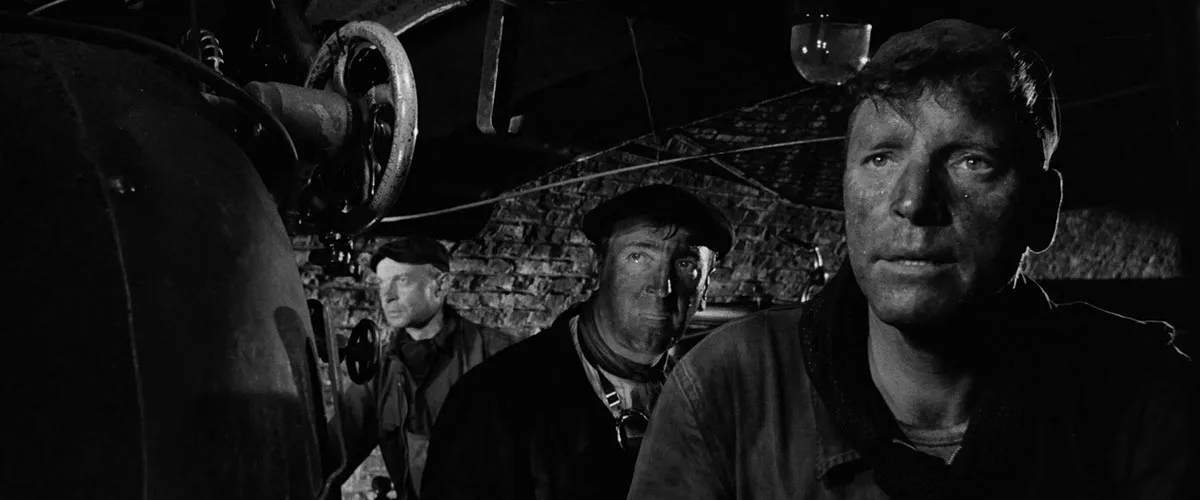
Set at the end of World War II, The Train, directed by John Frankenheimer, follows the retreat of the occupying German army from Paris. A German officer attempts to transport stolen French art by train, while members of the Resistance try to delay or stop the shipment, staging an elaborate ruse to ensure that it never leaves French territory.
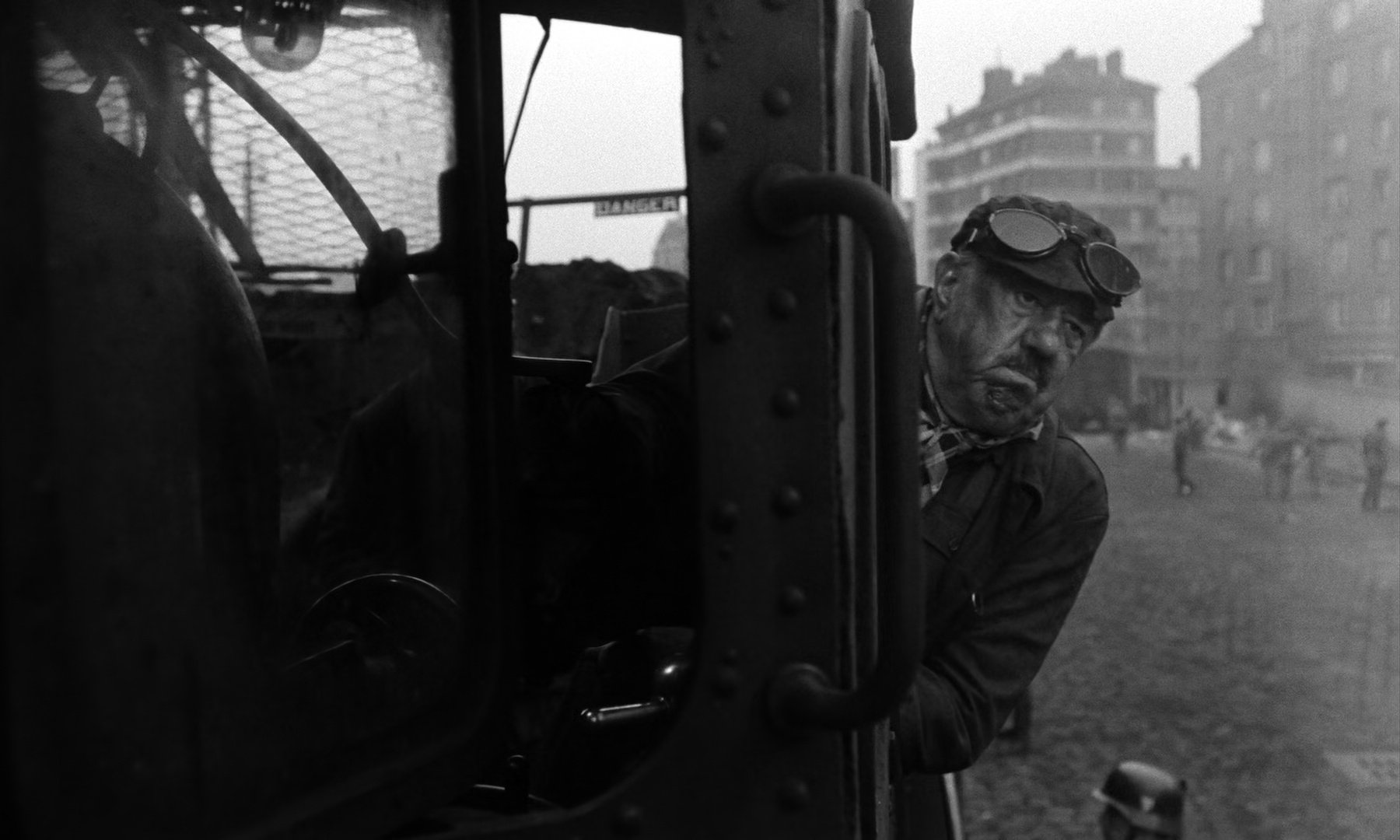
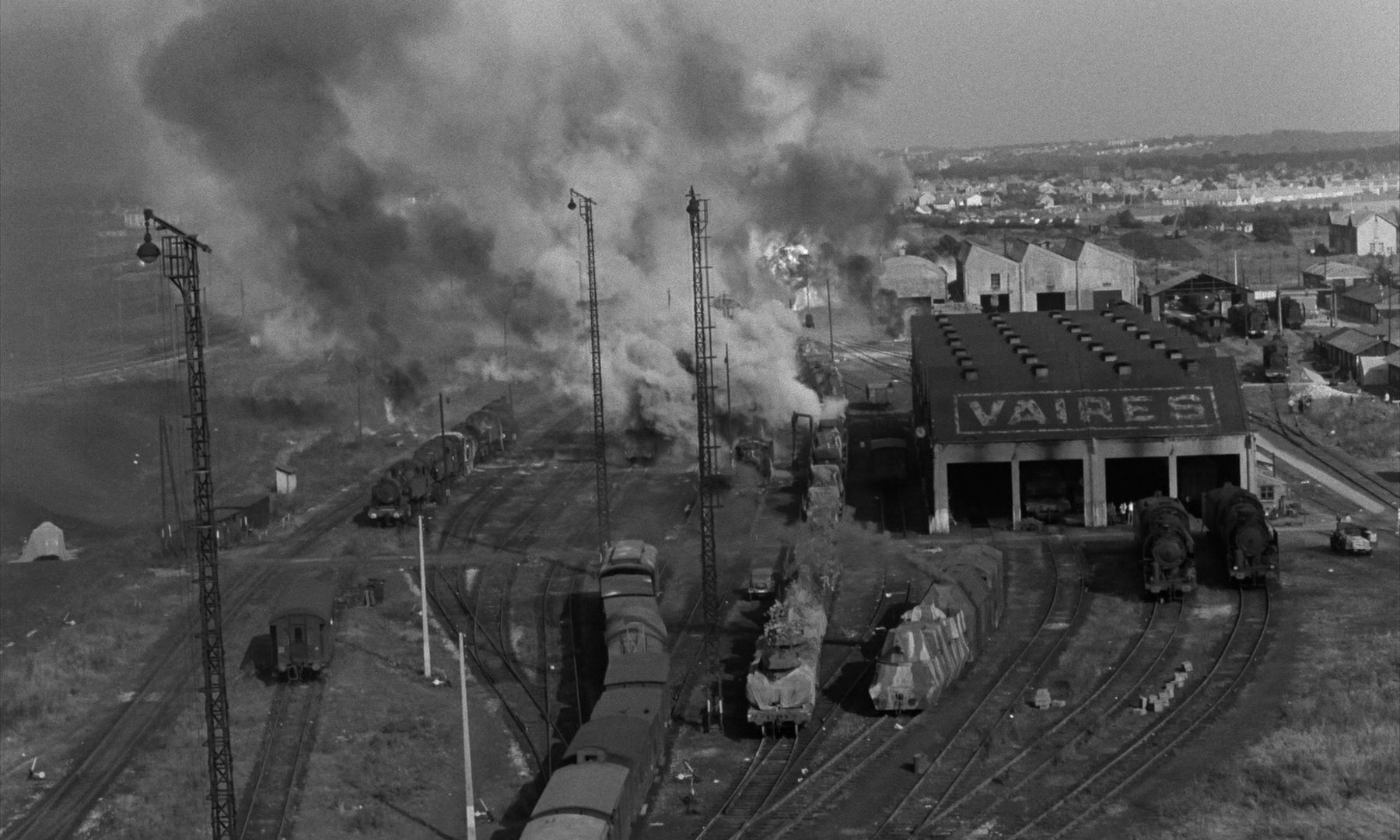
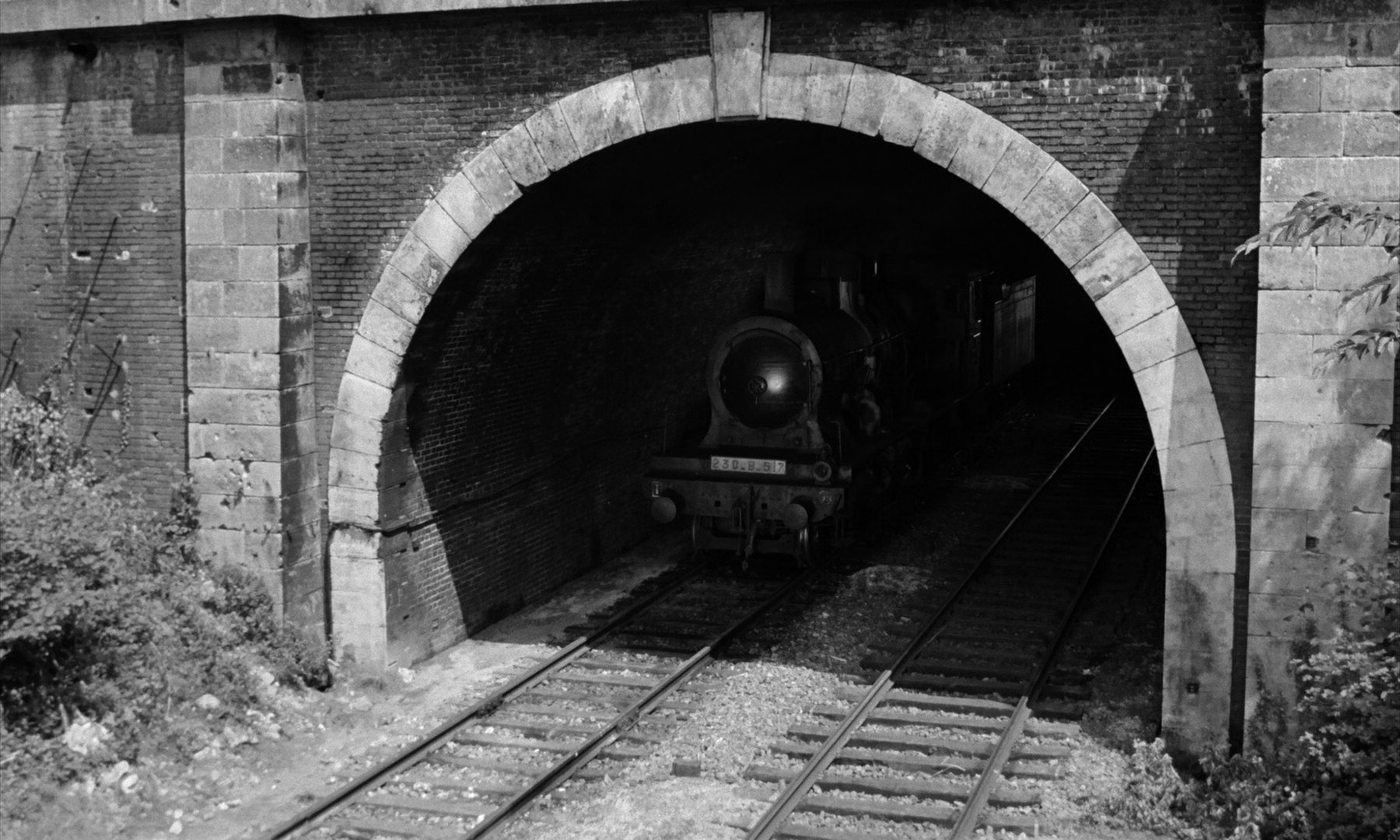
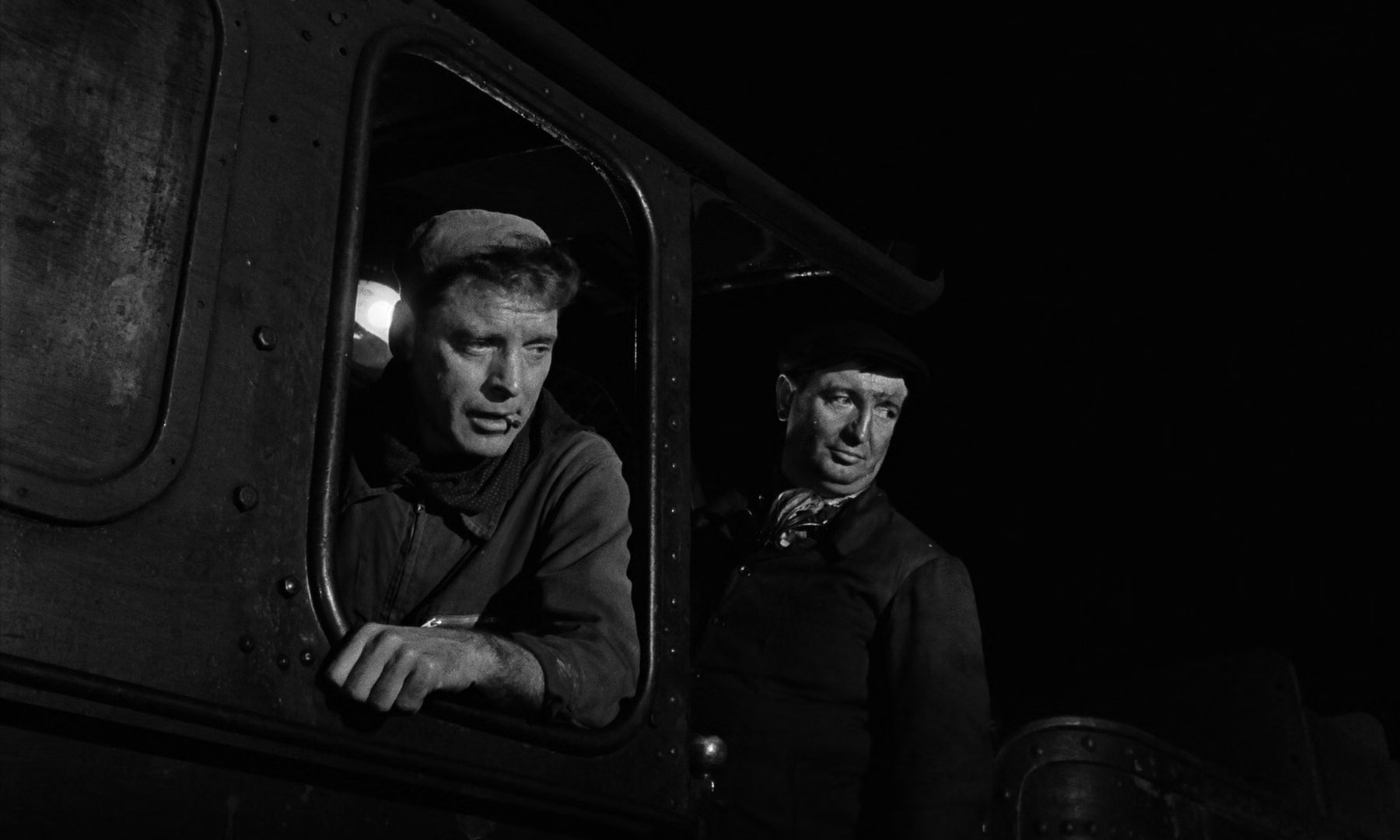
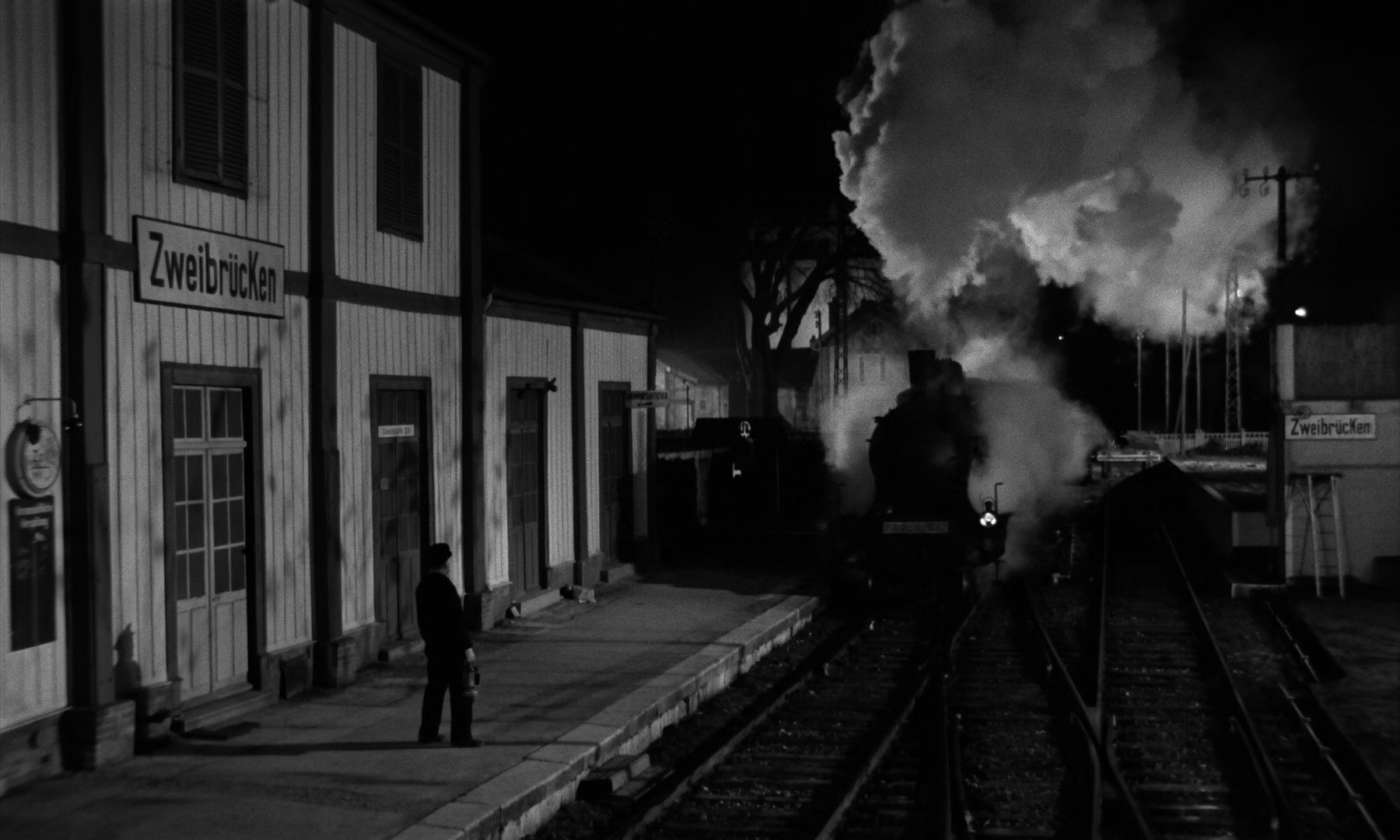
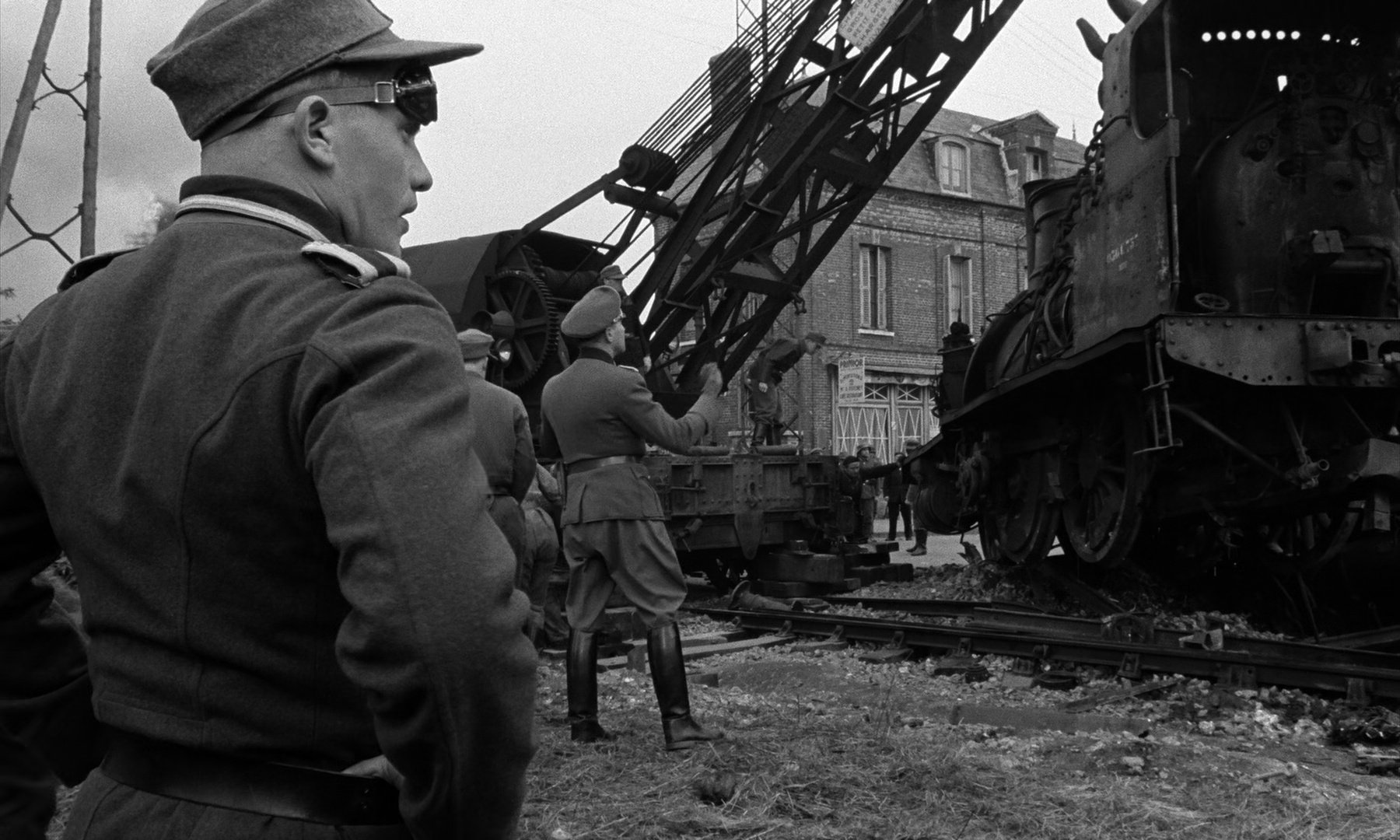
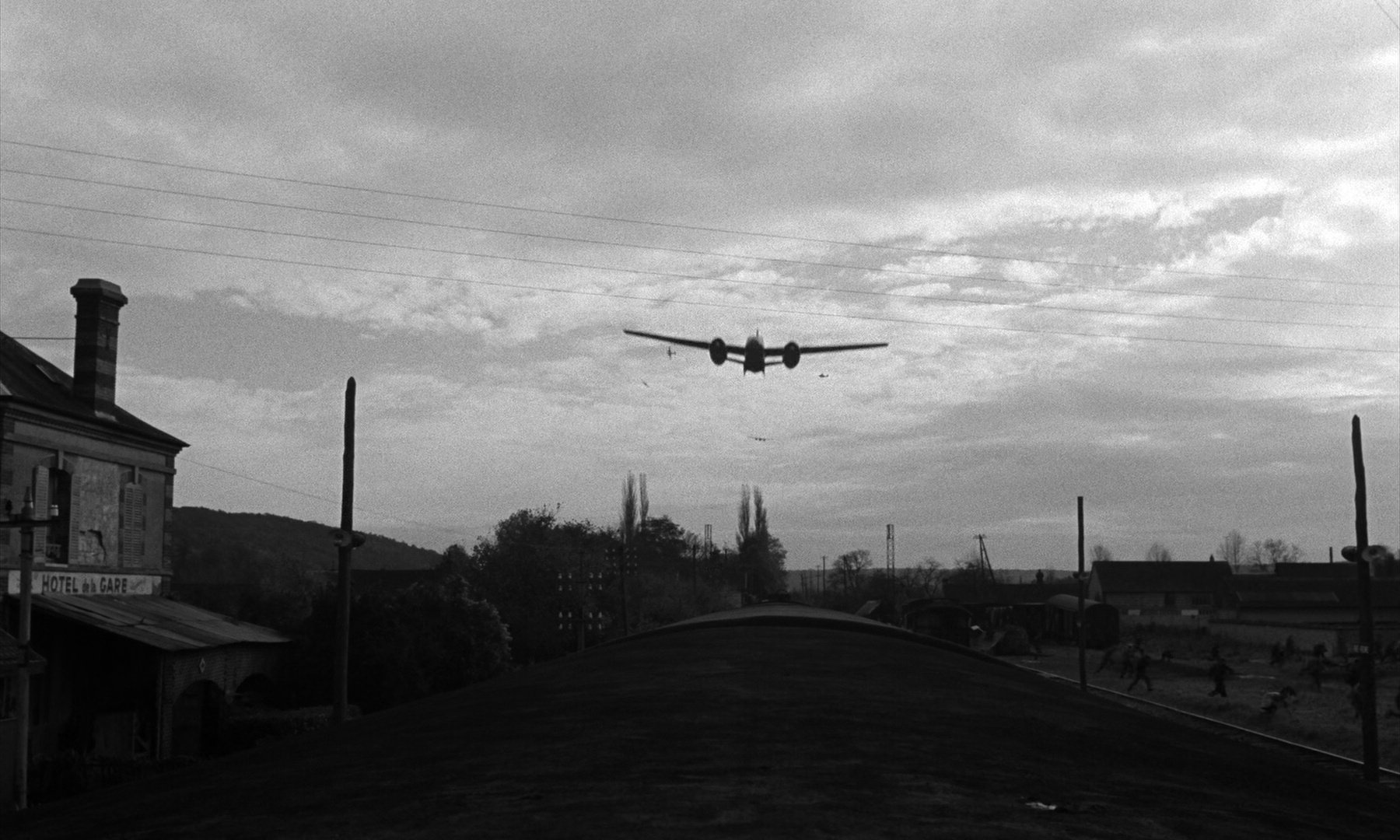
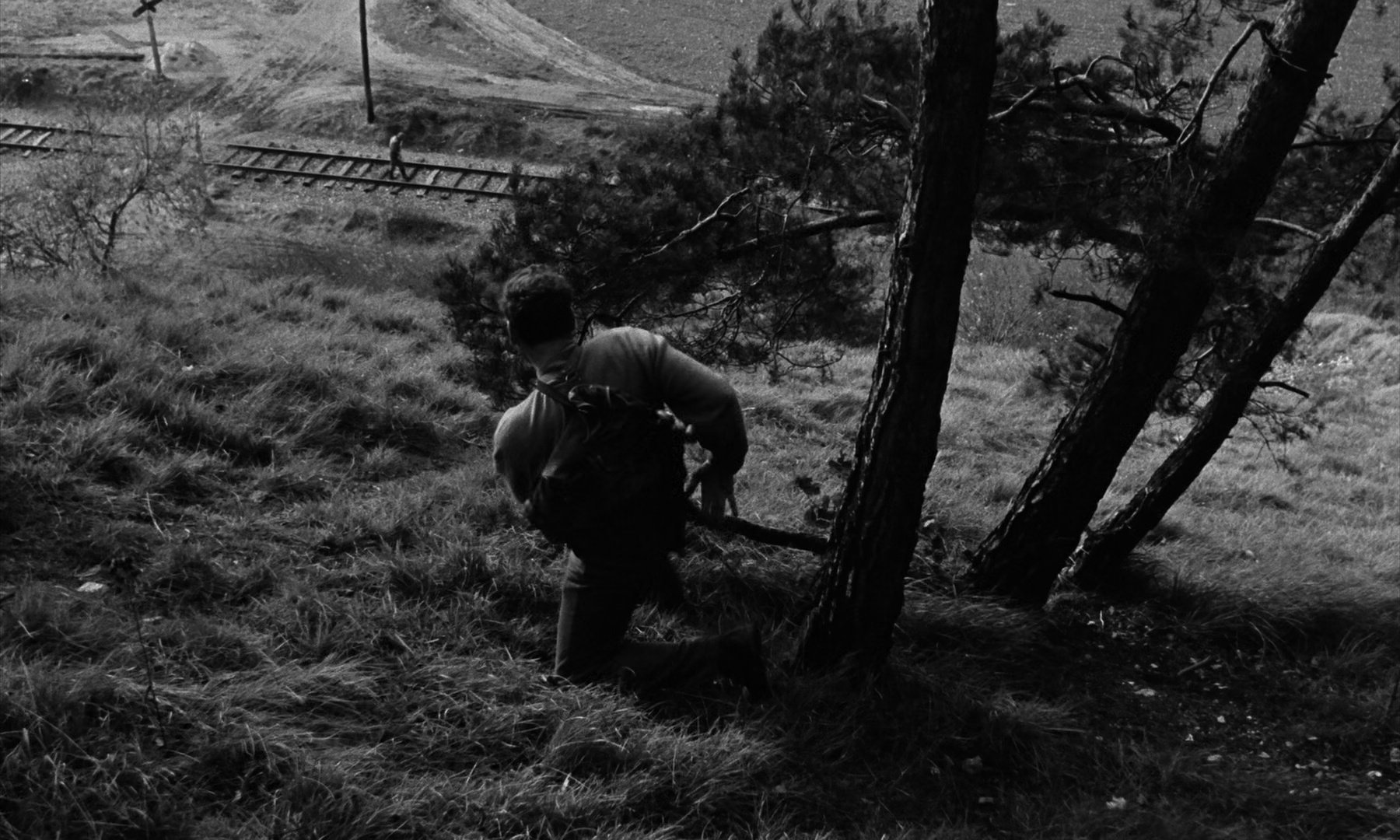
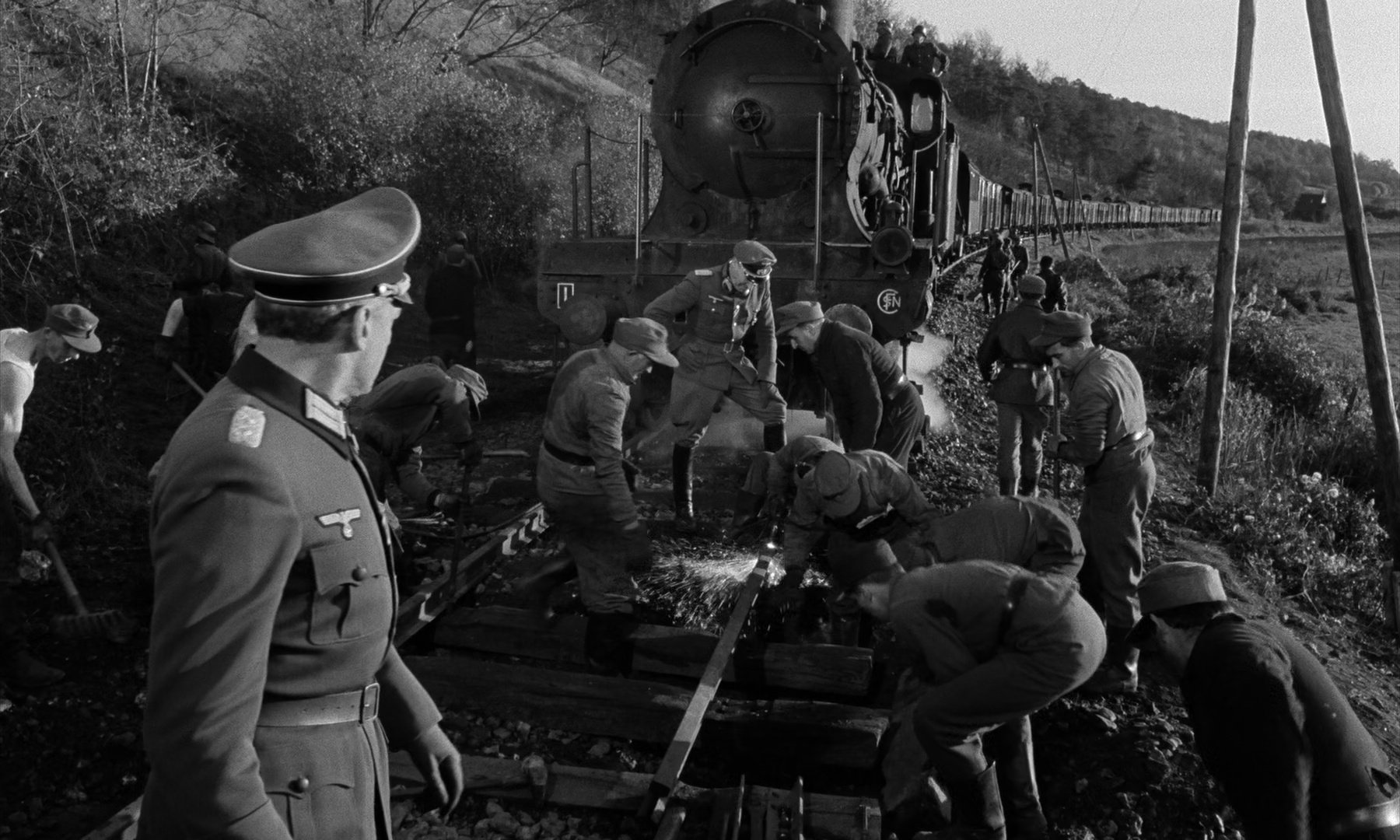
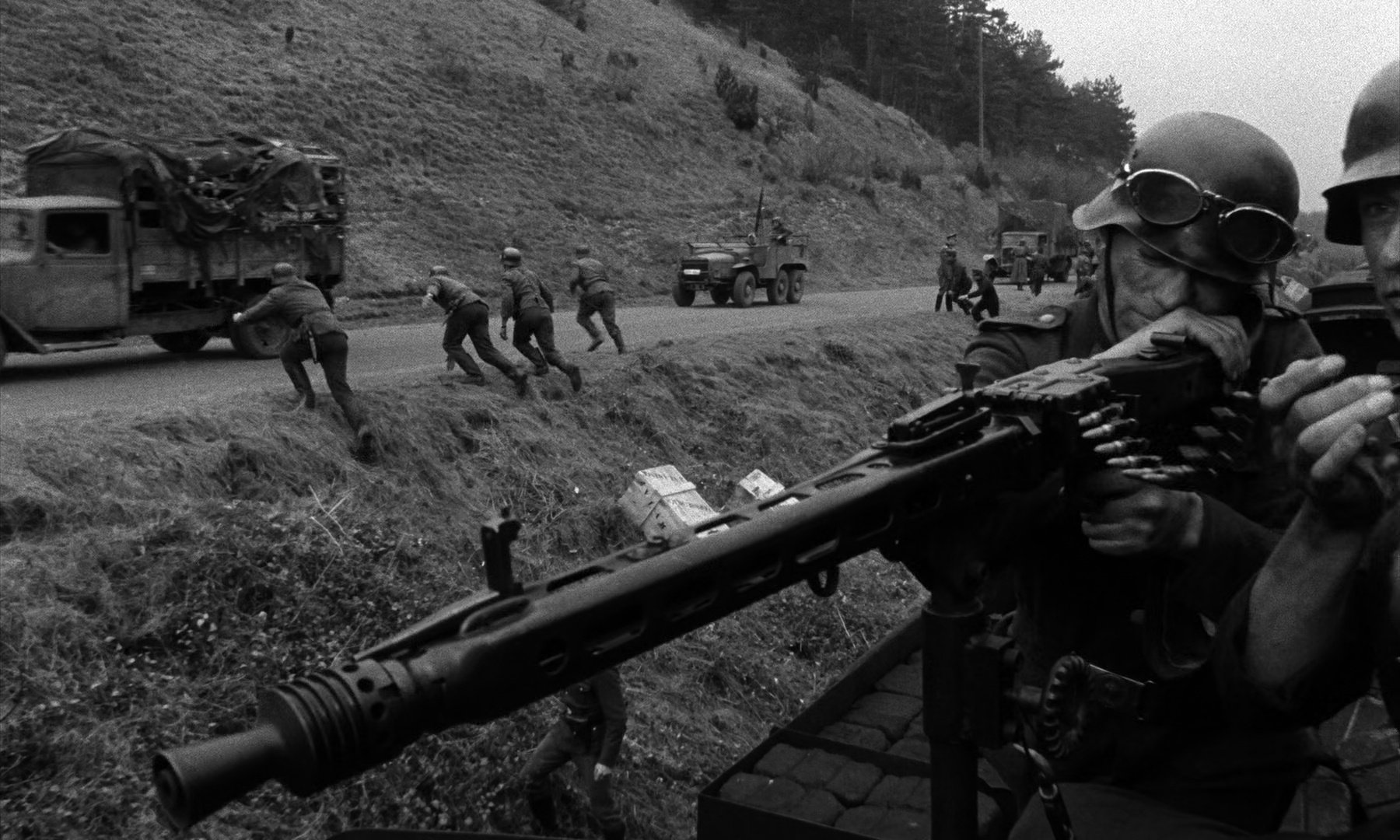
Unlike more conventional American WWII films, it avoids battlefield combat, focusing instead on a logistical conflict defined by movement, delay, and obstruction. The objective is not to destroy the cargo, but to prevent it from falling into German hands. The film is notable for its extensive use of real trains and practical effects, with large-scale stunts performed physically rather than using miniatures or optical techniques.
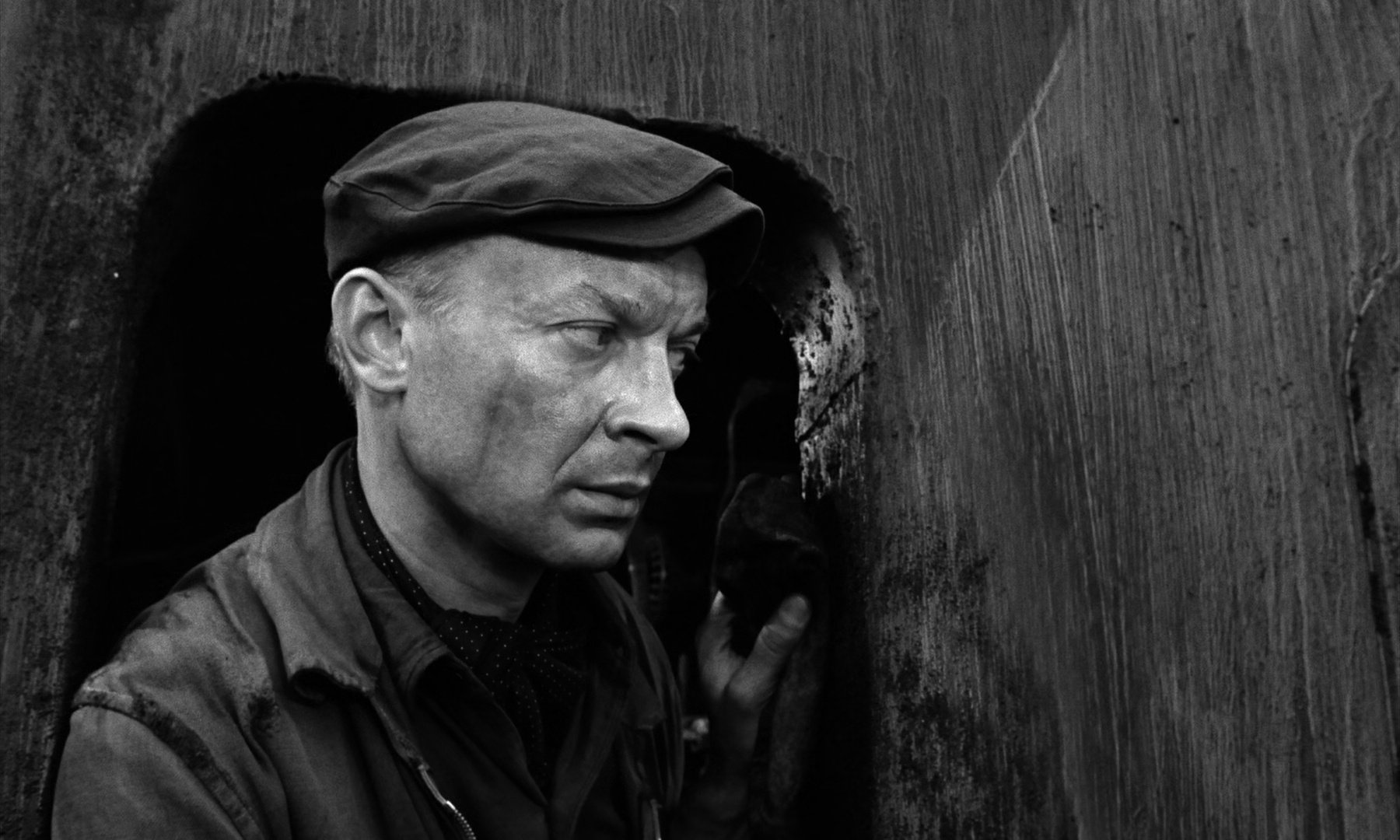
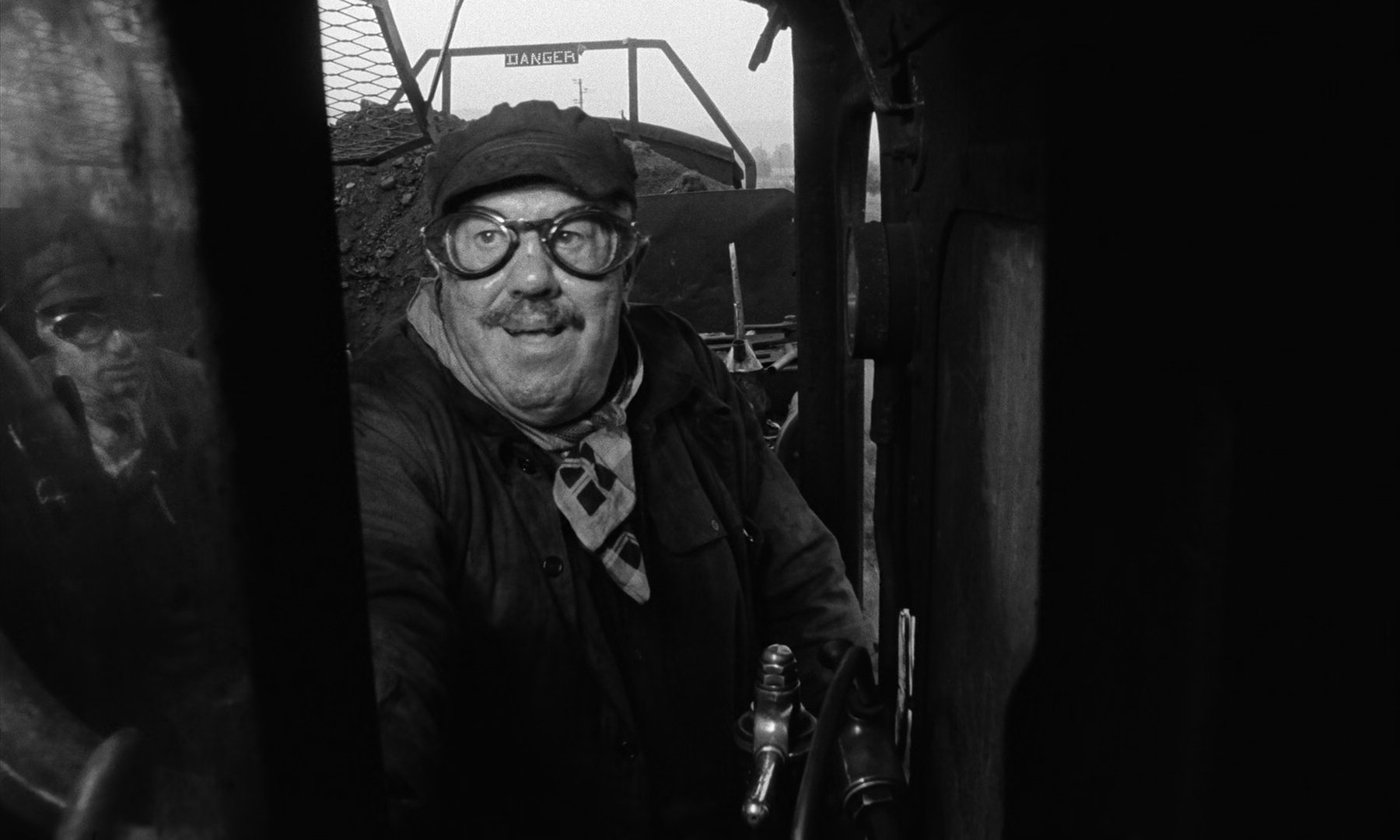
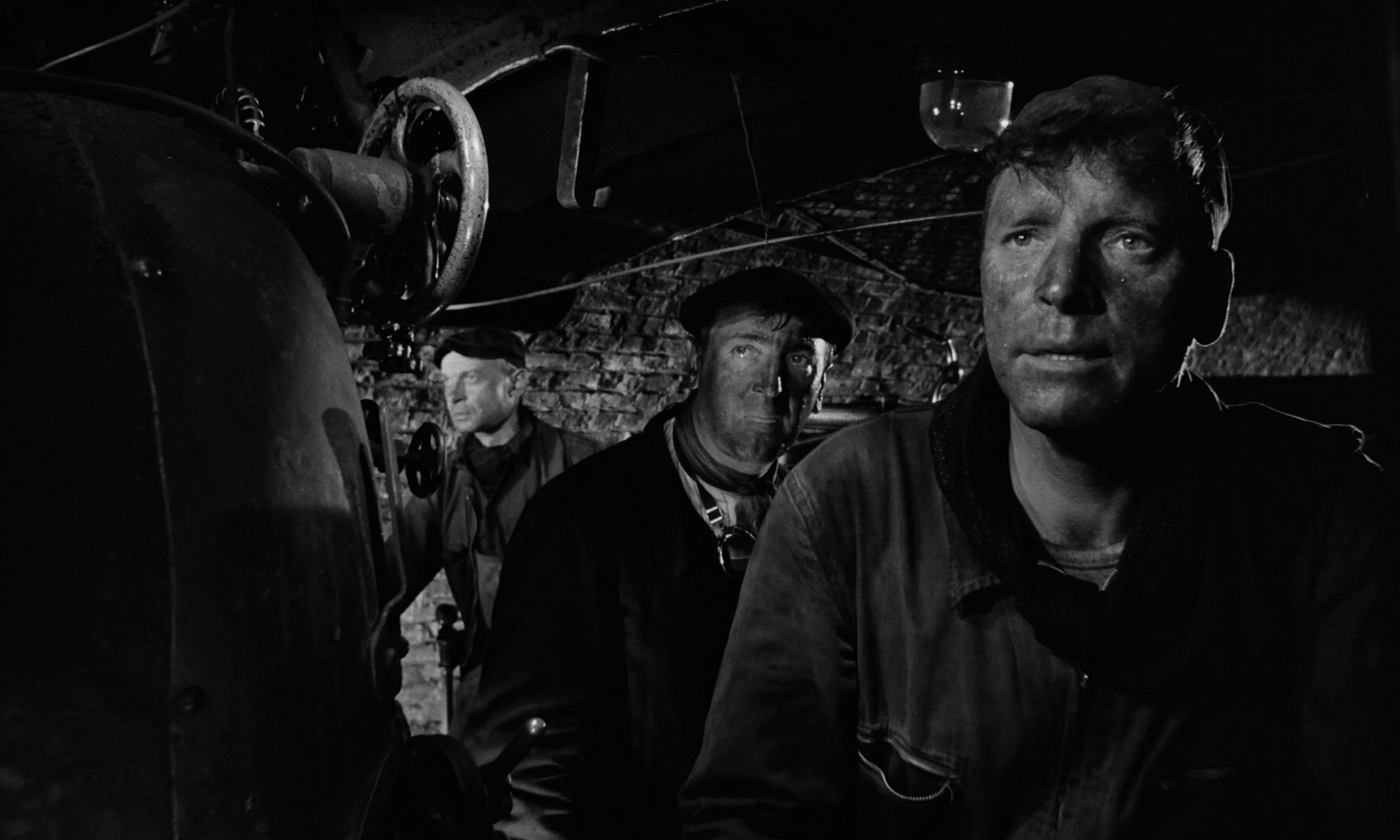
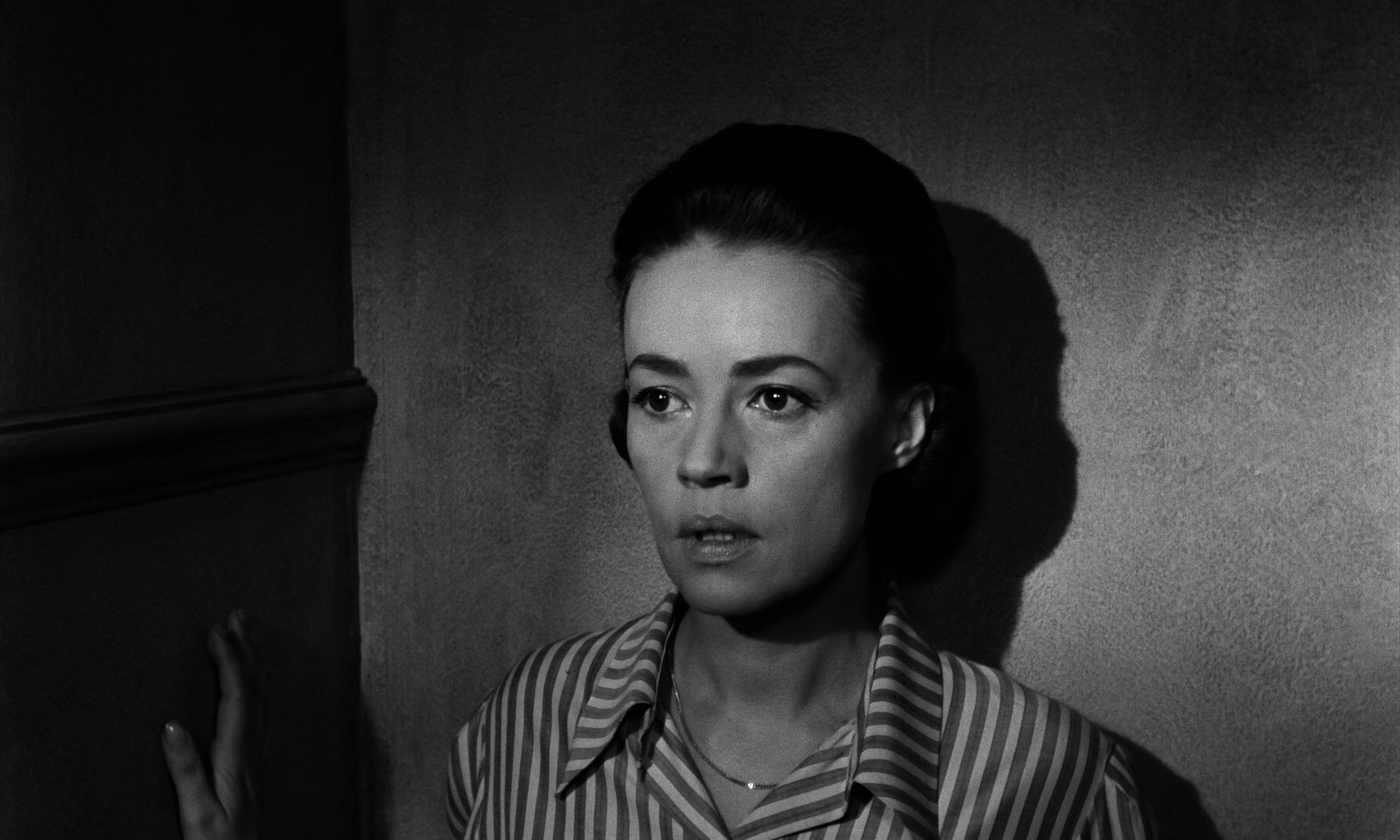
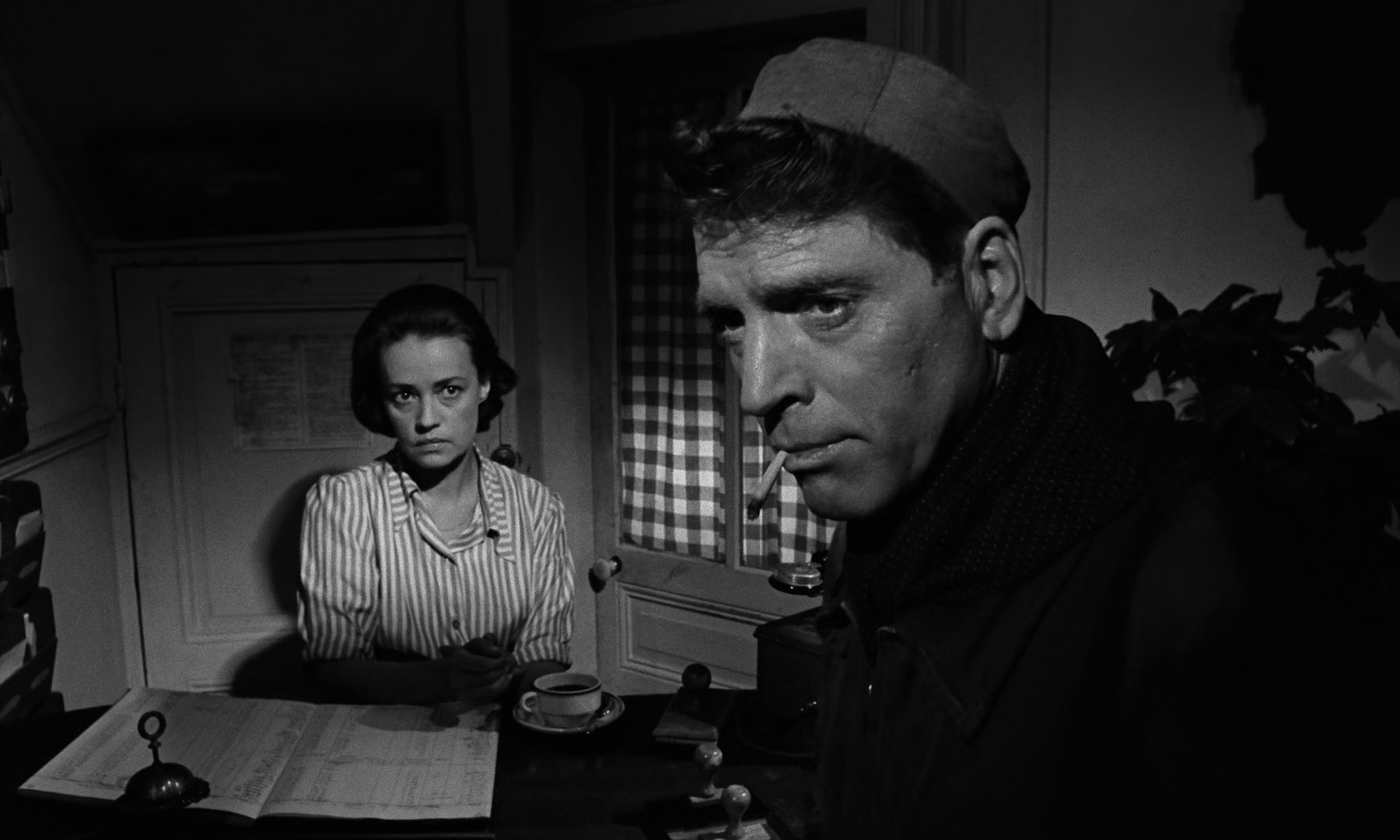
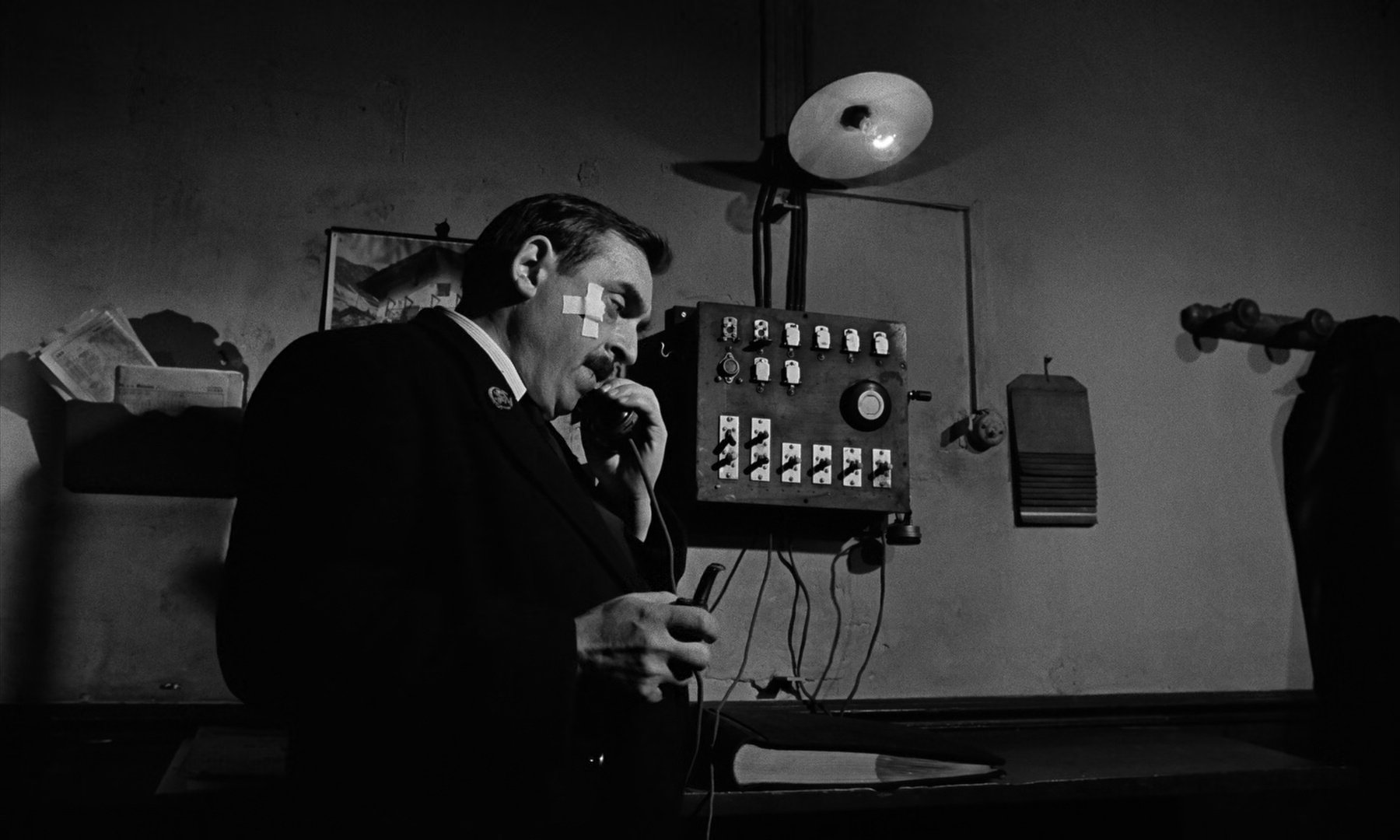
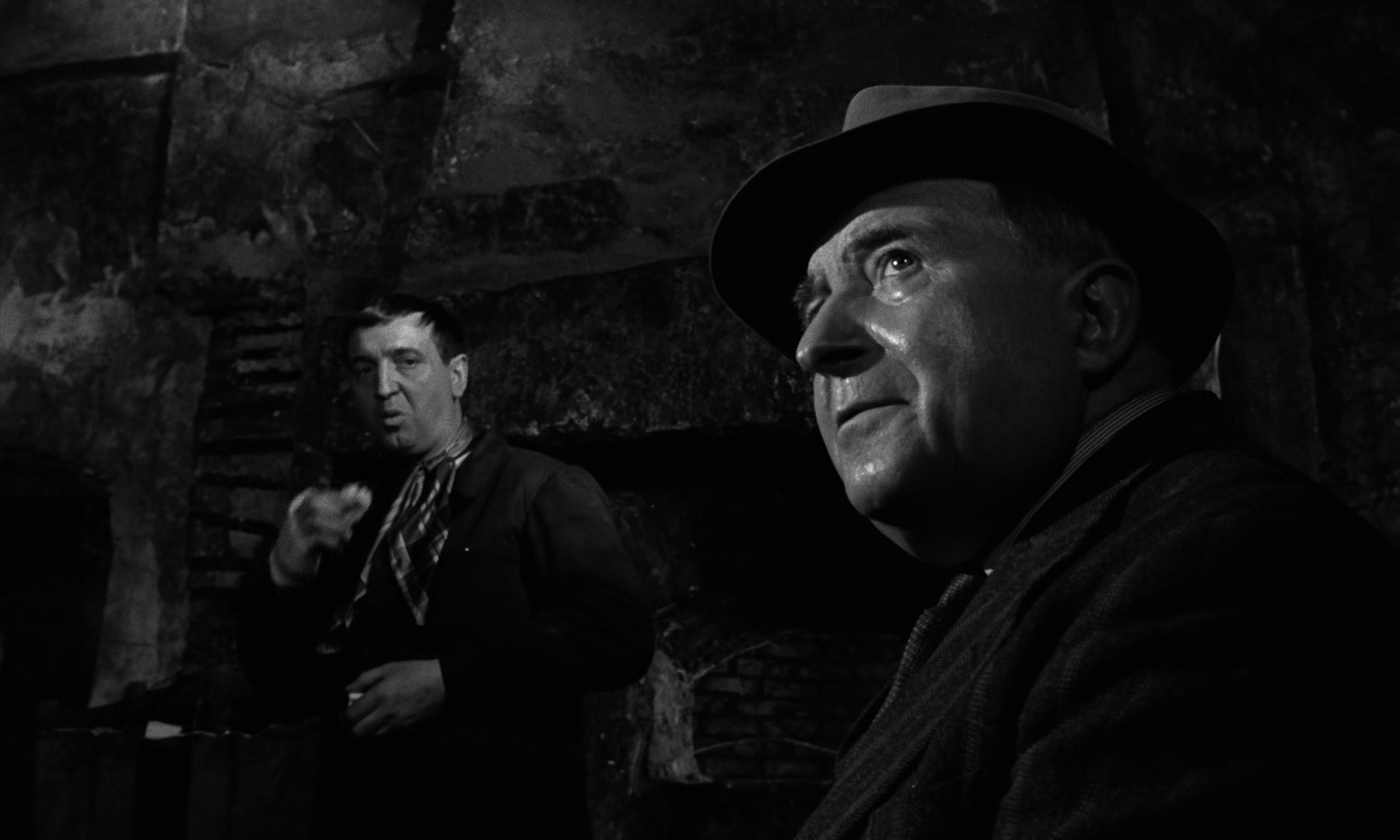
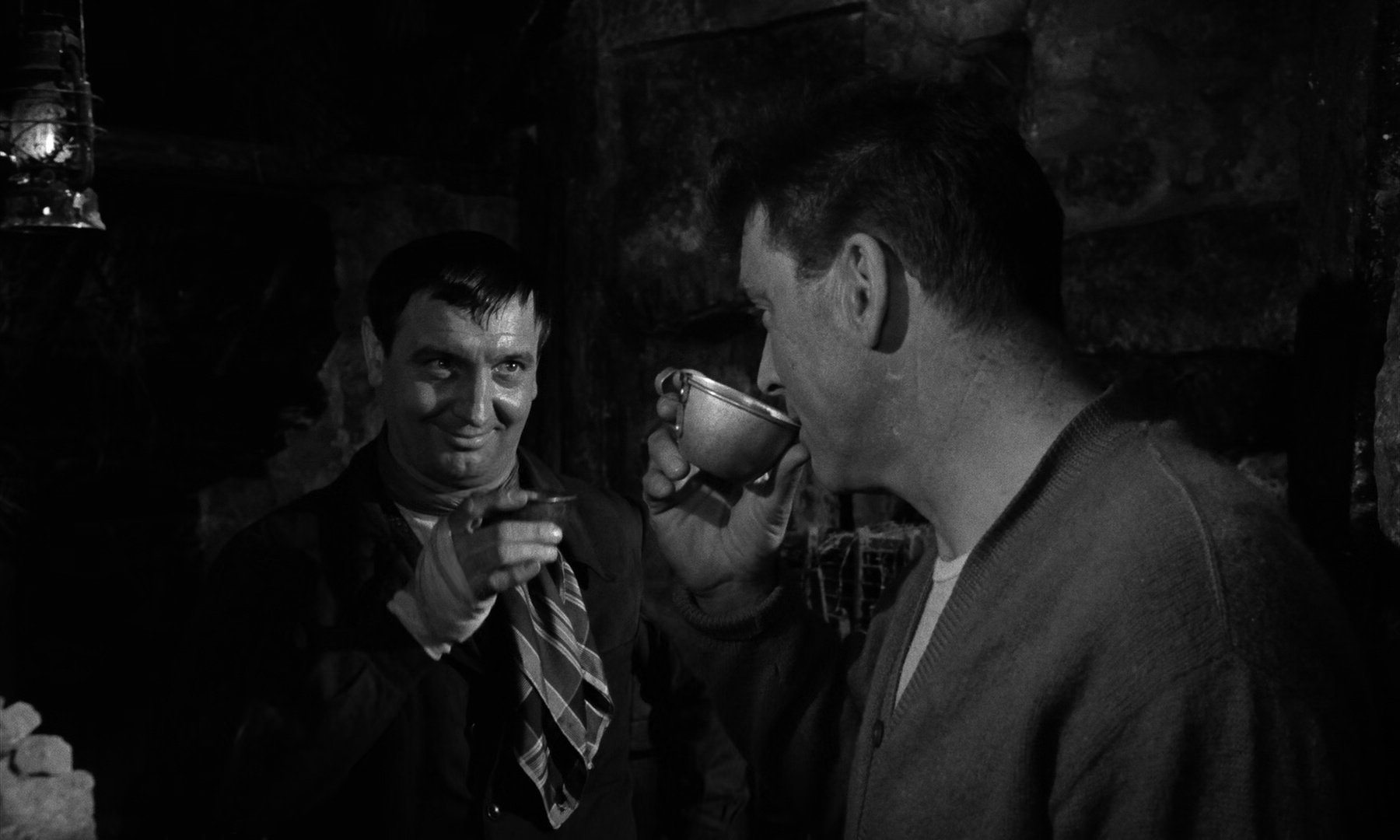
Shot in black and white, The Train stresses realism, depicting the conflict as a psychological and strategic chase structured around the rhythm of the trains. Moving between sabotage and direct confrontation, the film becomes an exploration of sustained resistance under pressure.
Technical Specs:
- The Story: As Allied forces approach Paris in 1944, a French railway inspector joins the Resistance in a dangerous attempt to stop a Nazi officer from smuggling priceless art out of France by train. Read my review of The Train.
- Actors: Burt Lancaster, Paul Scofield, Jeanne Moreau, Michel Simon, Suzanne Flon, Wolfgang Preiss, Albert Rémy.
- Director: John Frankenheimer
- Year: 1964
- Cinematographer: Jean Tournier, Walter Wottitz
- Origin: American Cinema
- Aspect Ratio: 1.66:1
- Genre: War Films