Gaslight (1944): More than flickering lights
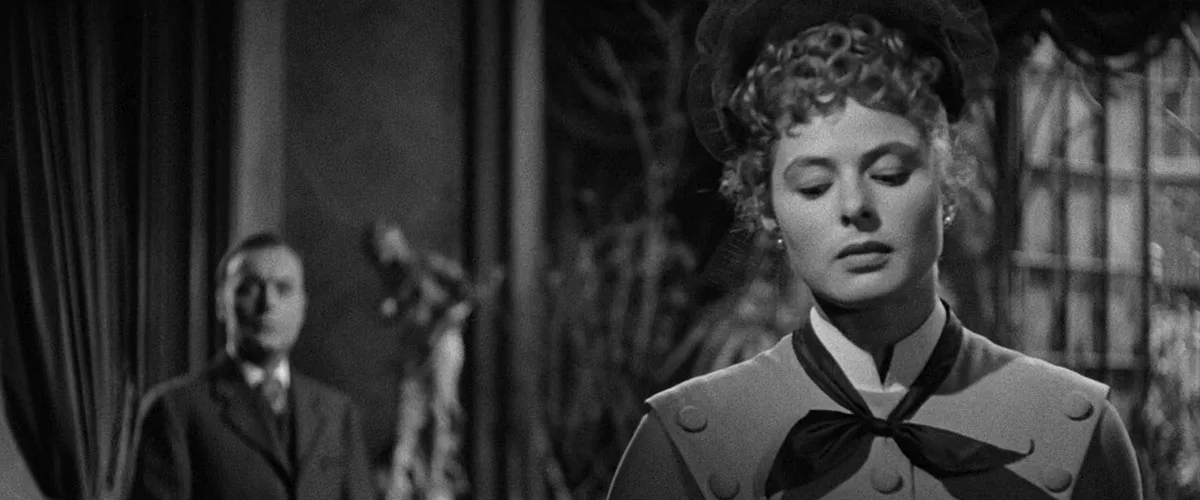
1944 • George Cukor • 1.37:1 • Jump to Gallery ↓
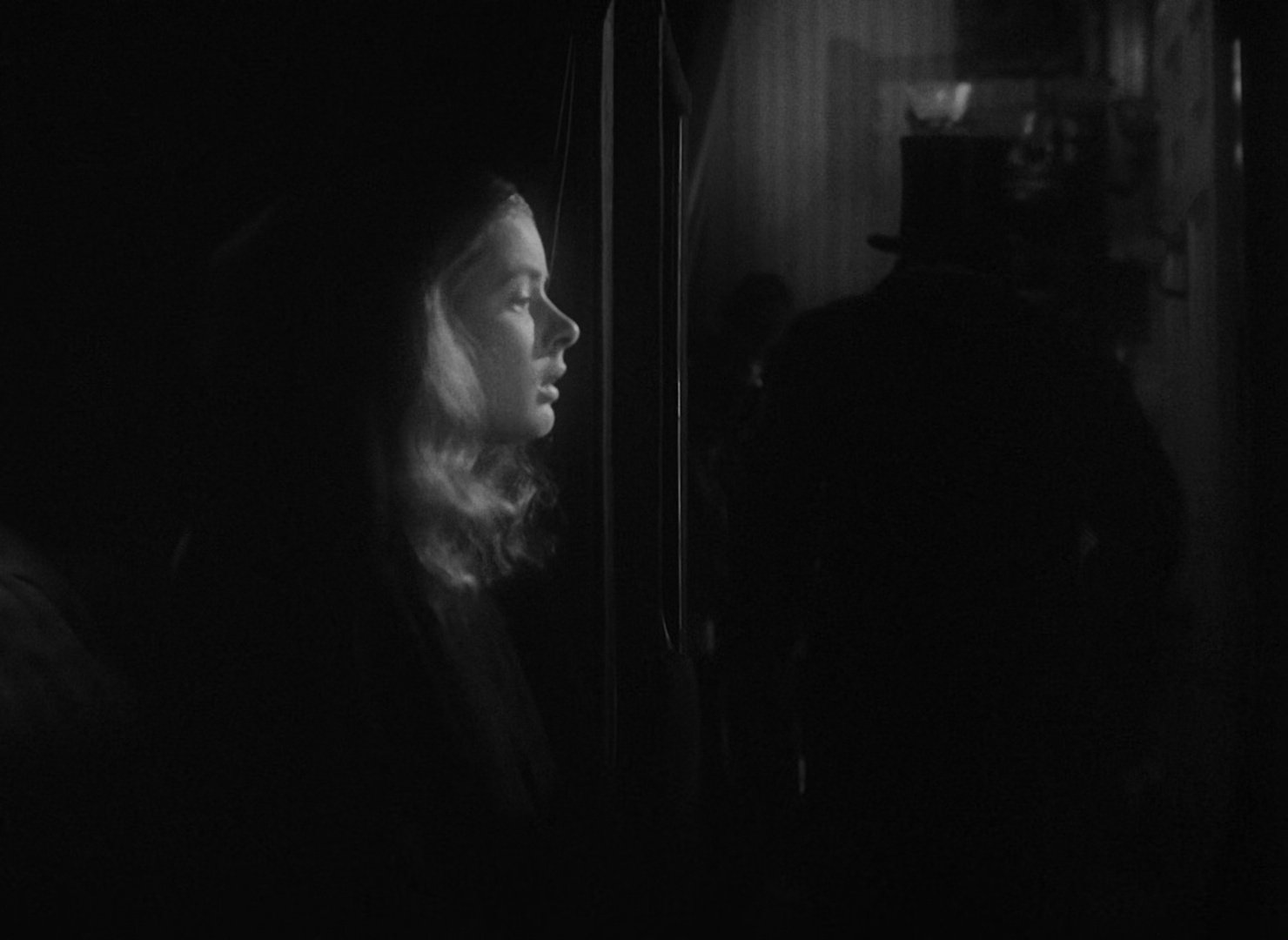
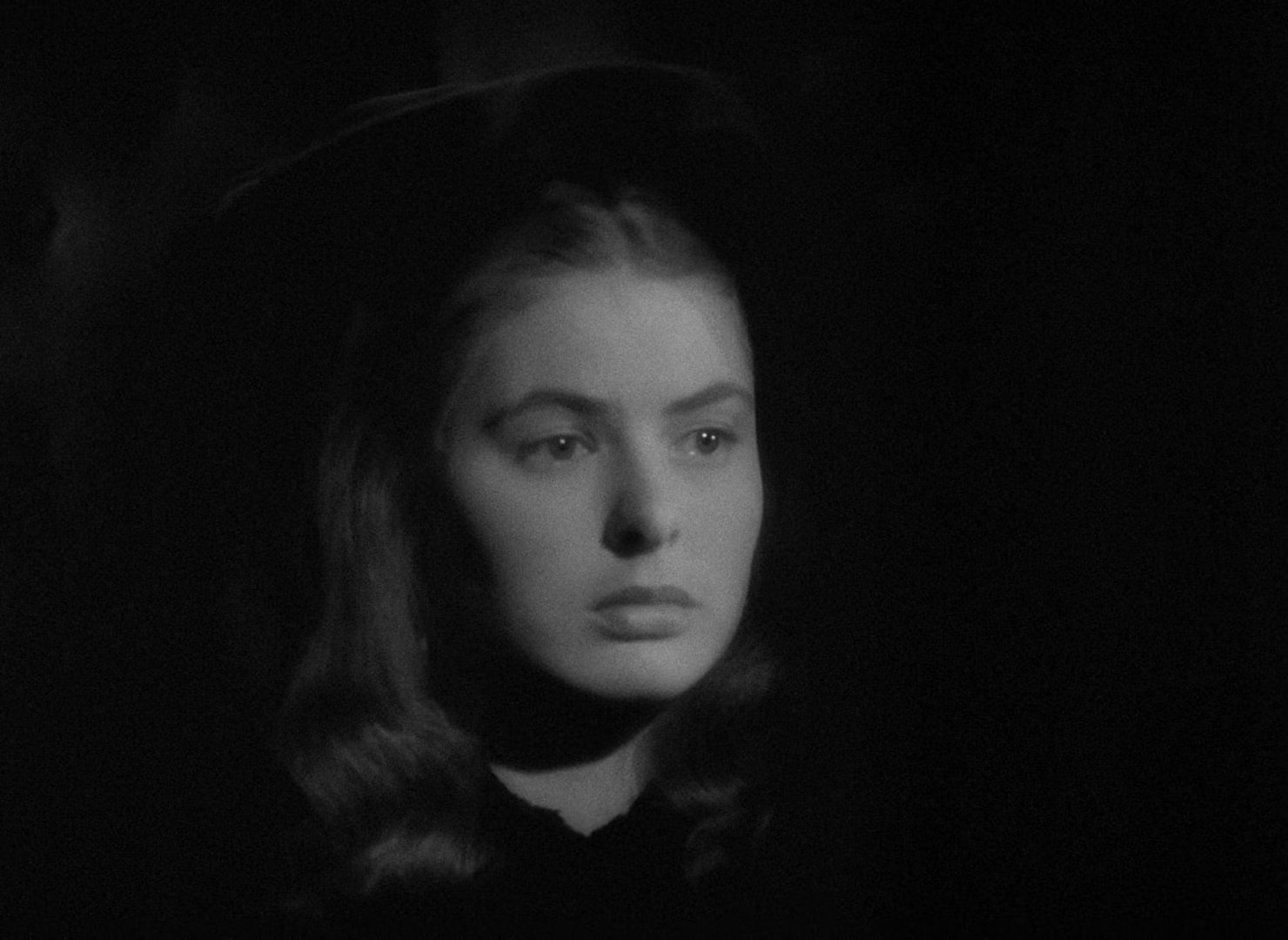
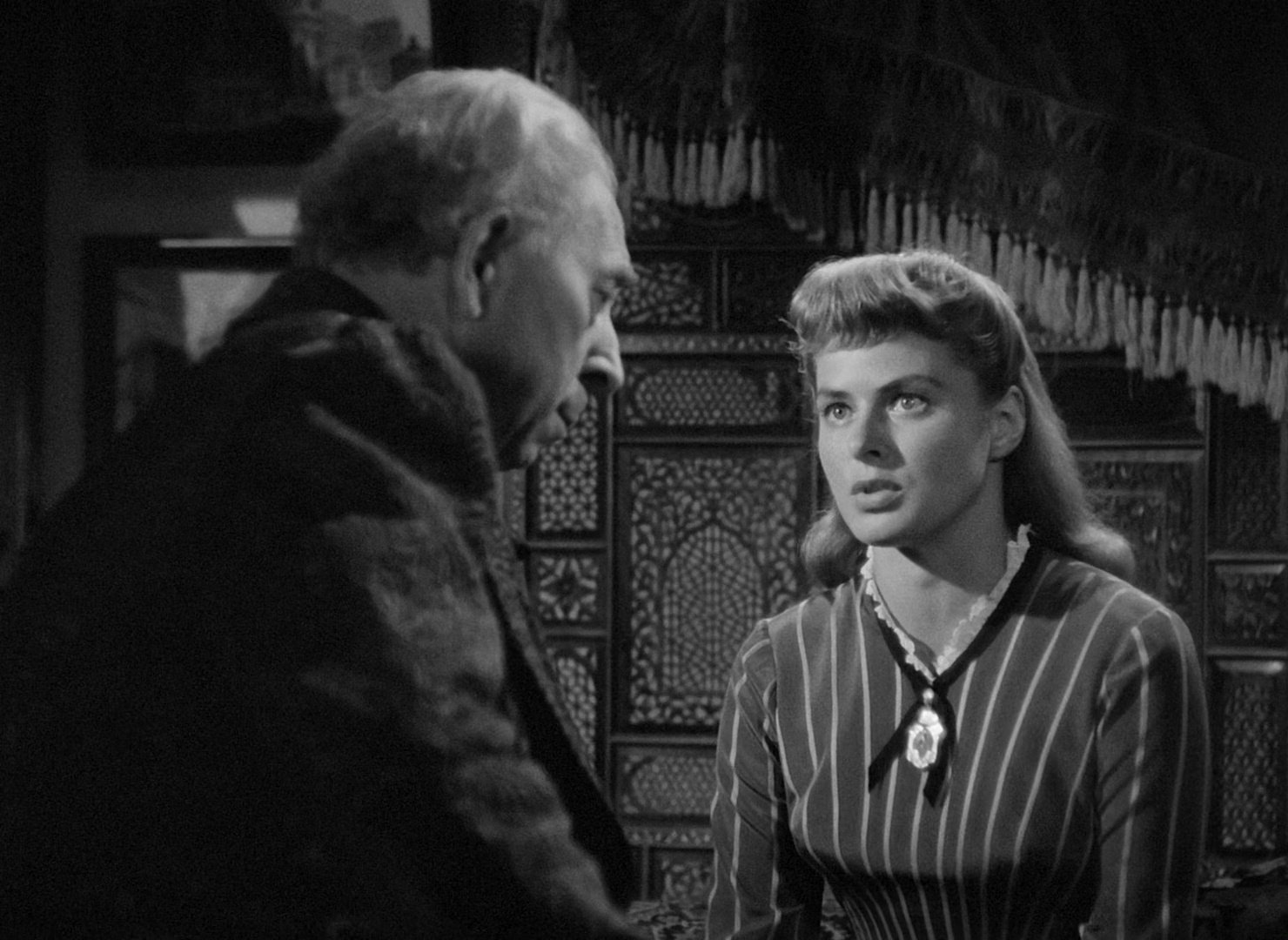
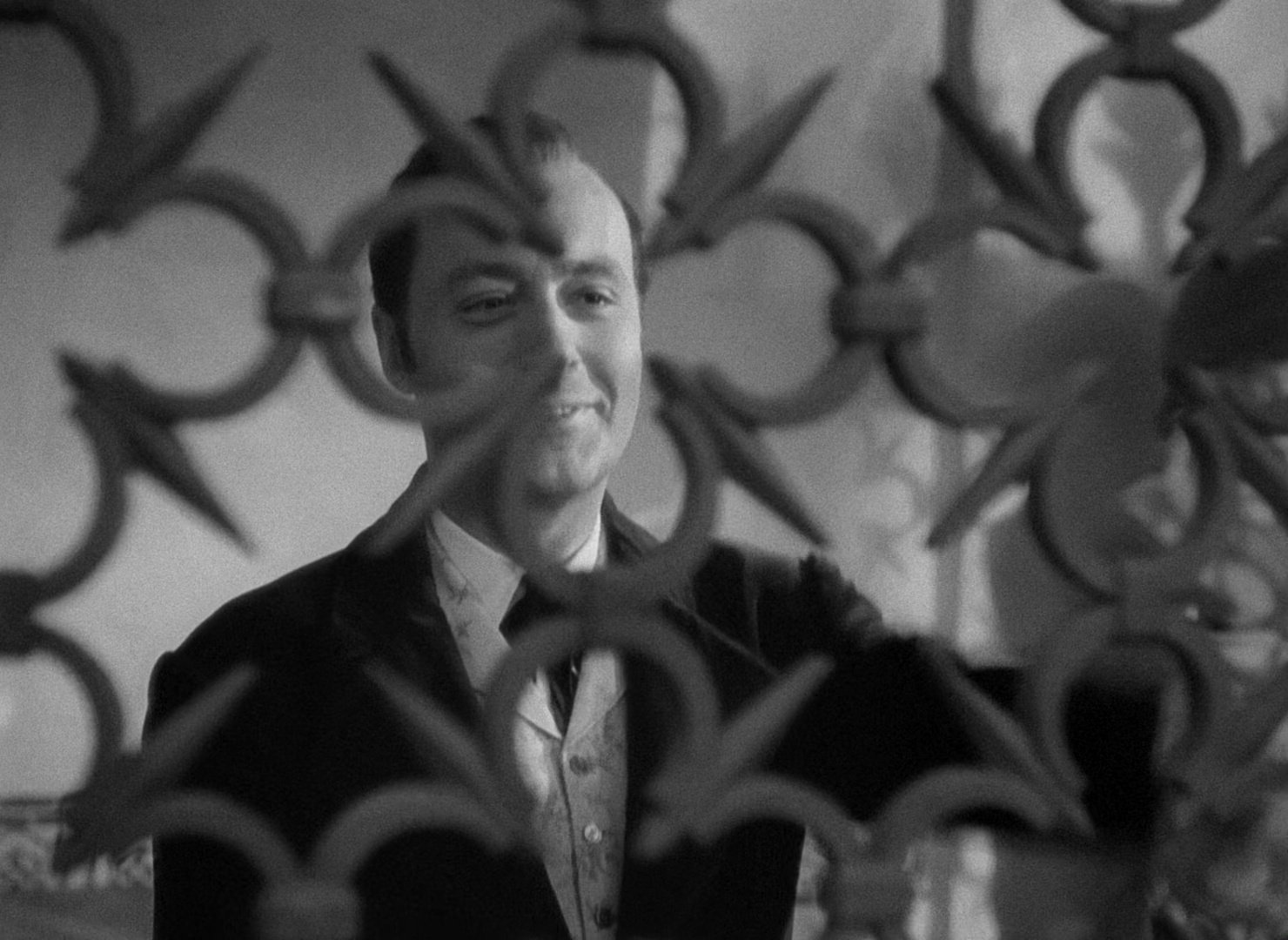
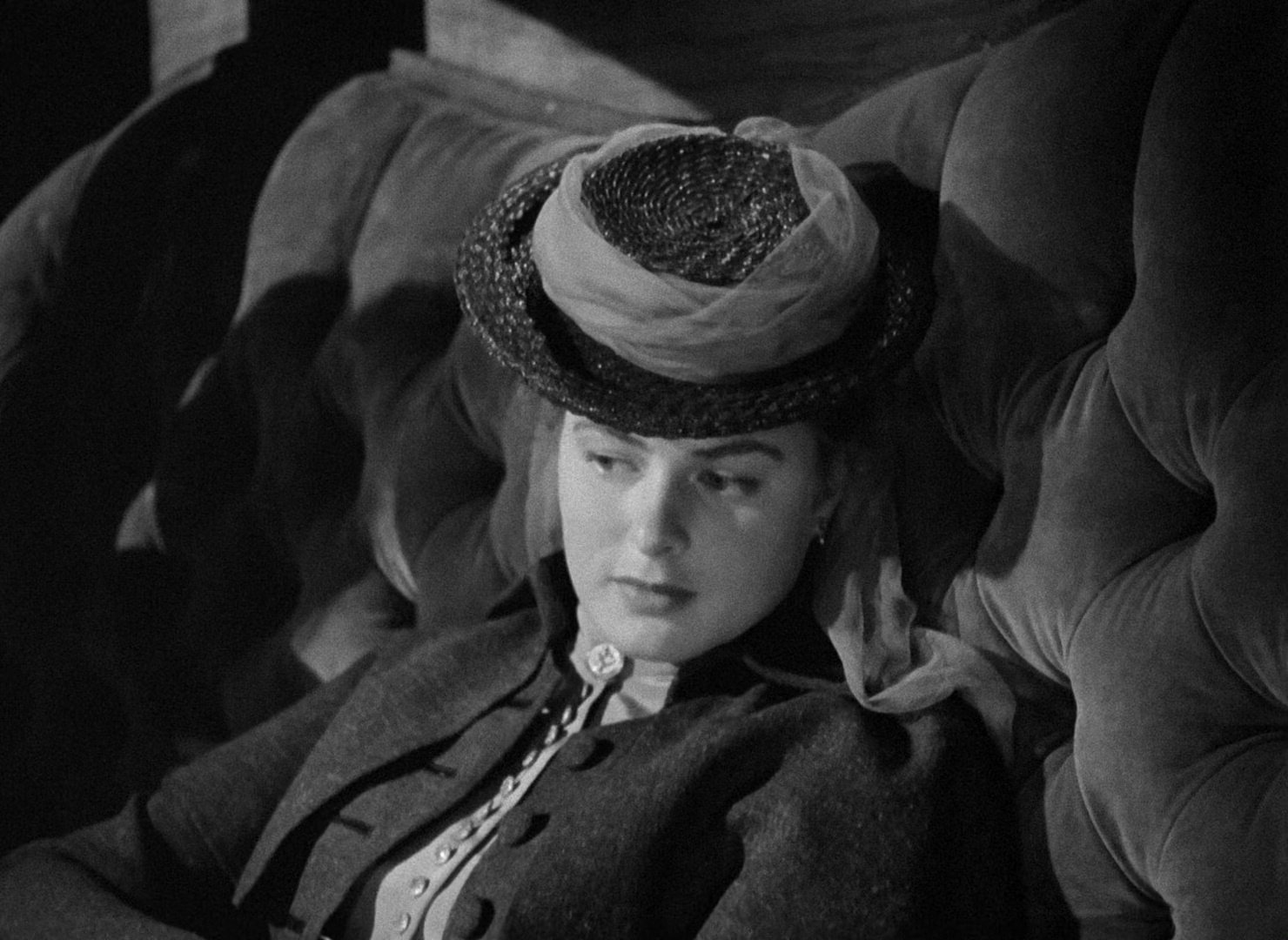
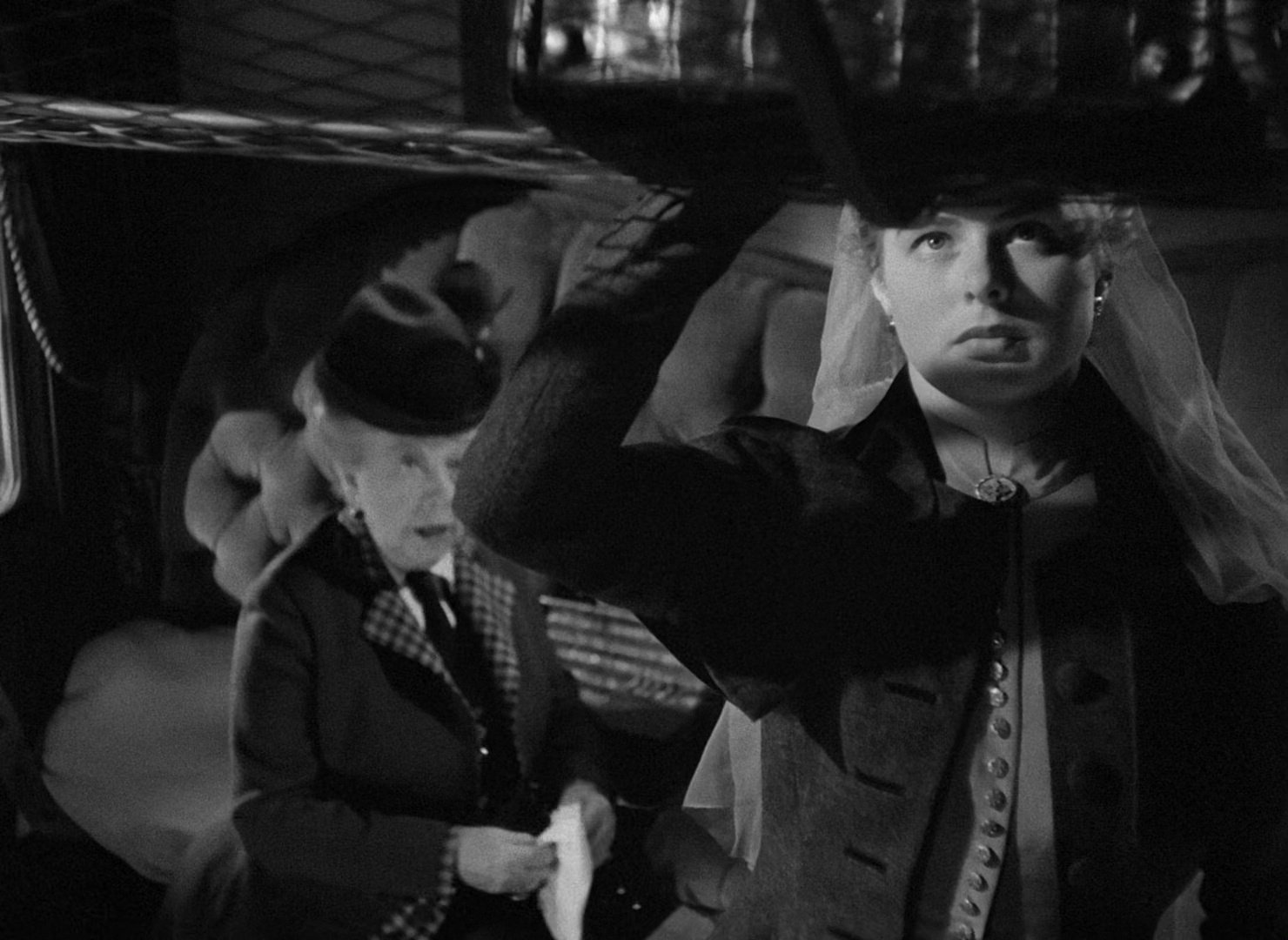
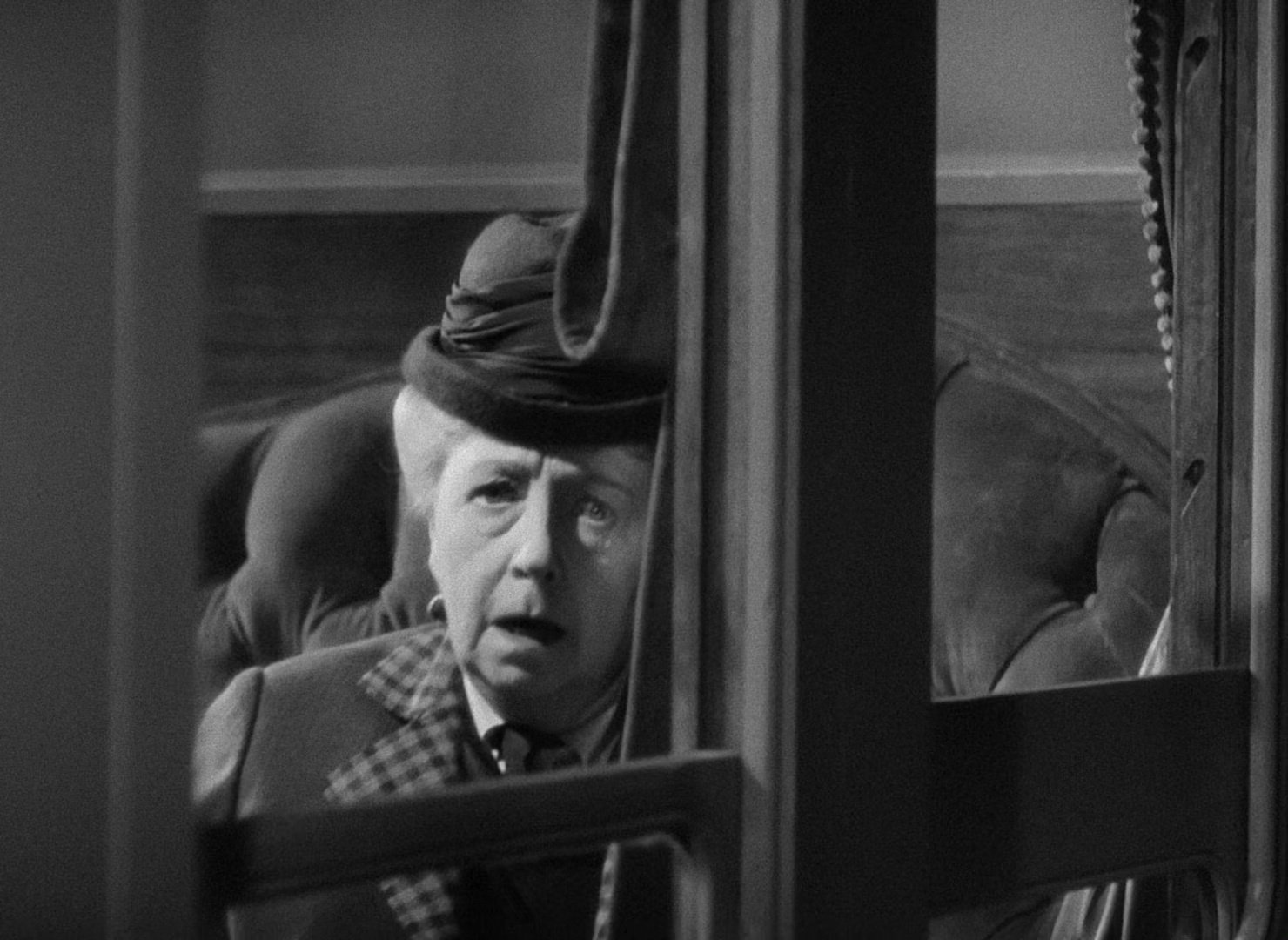
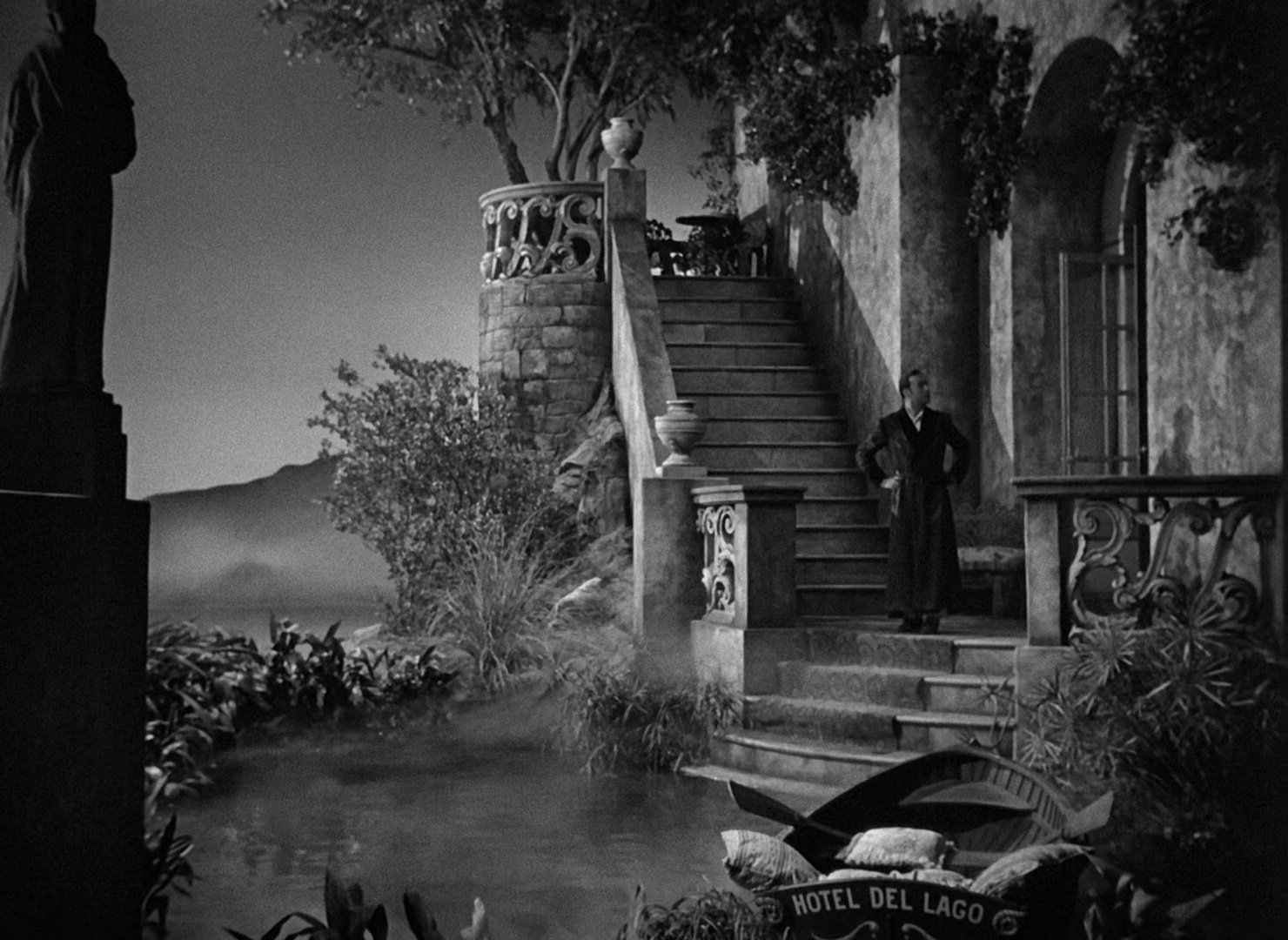
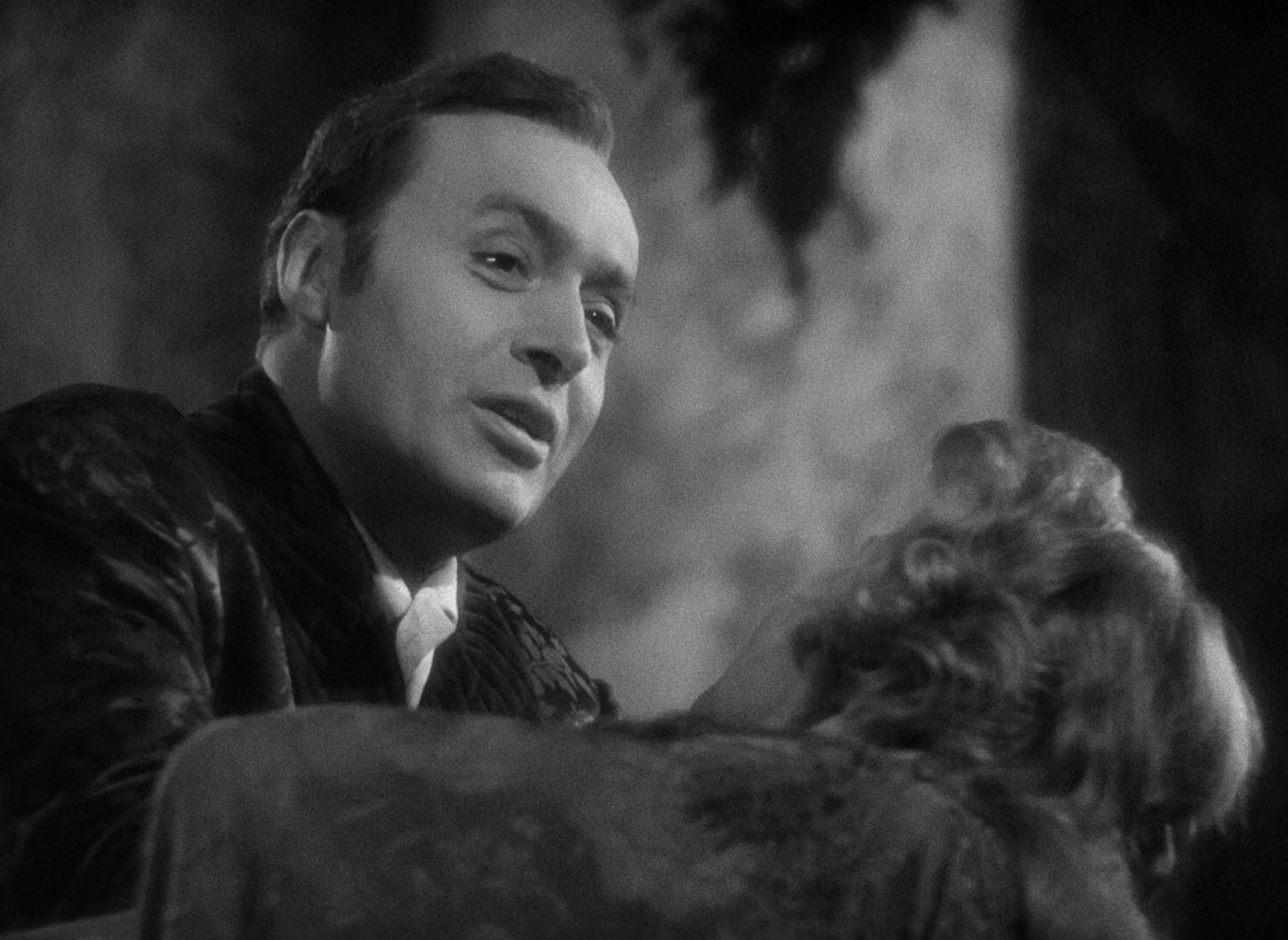
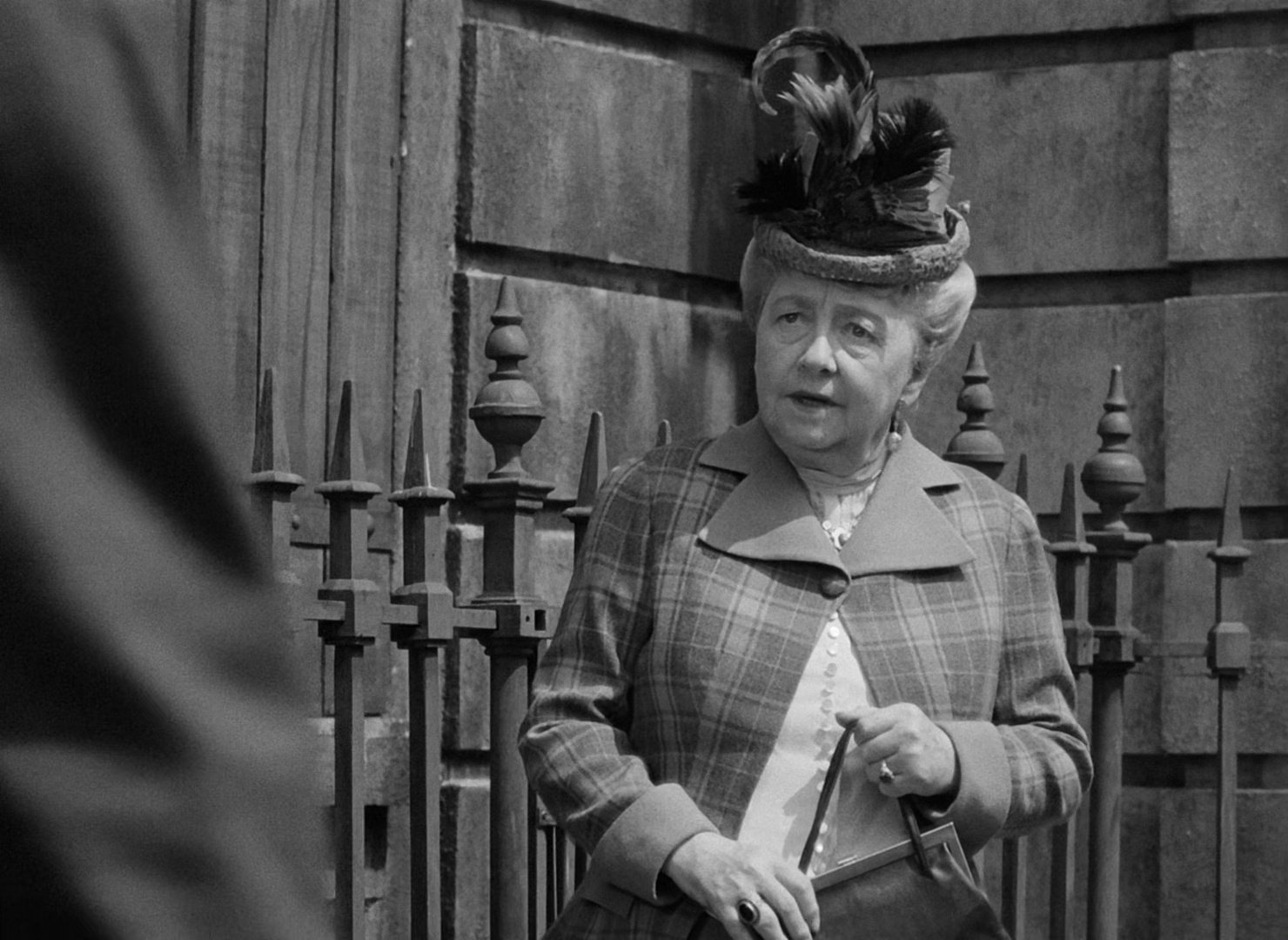
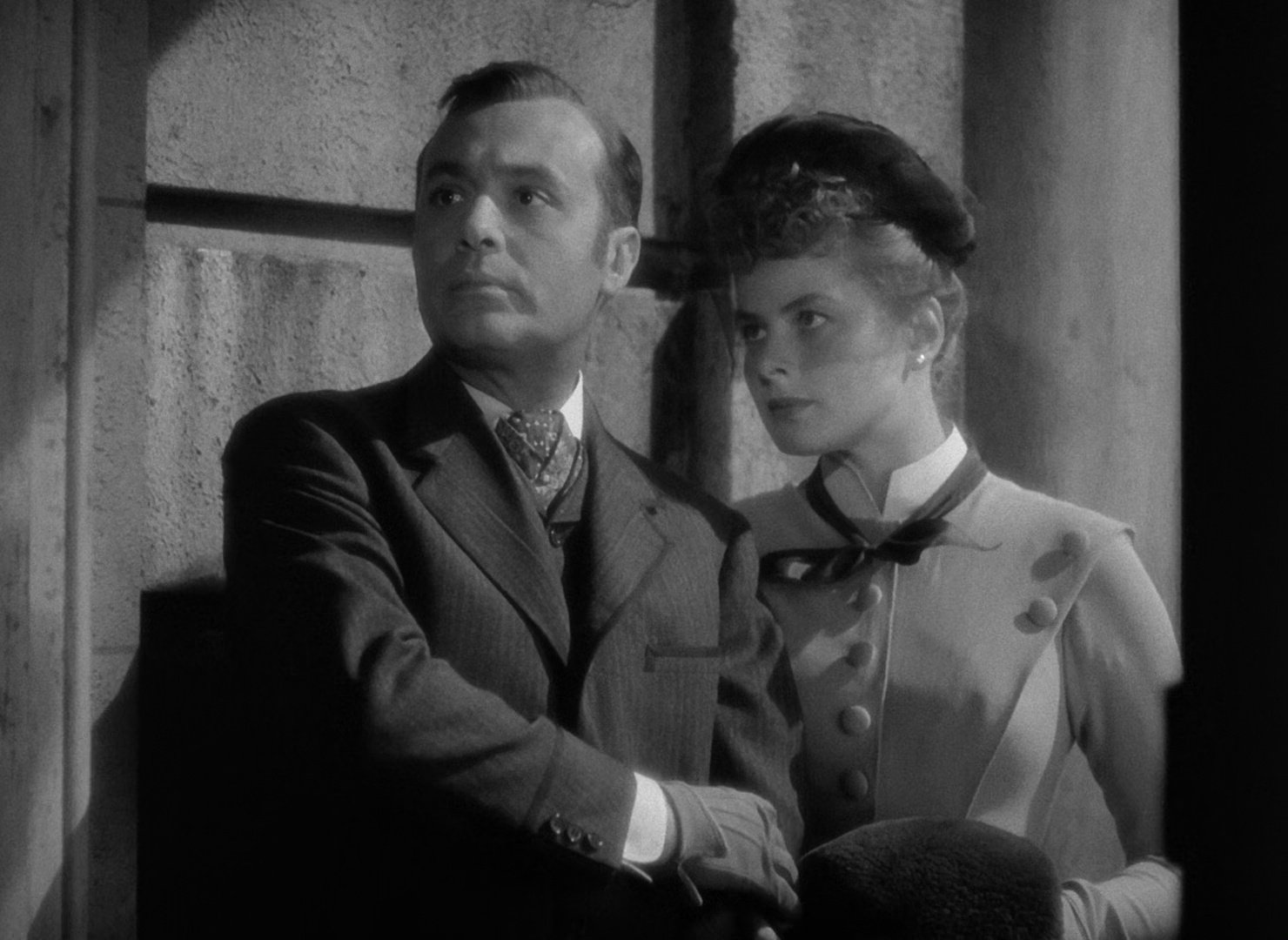
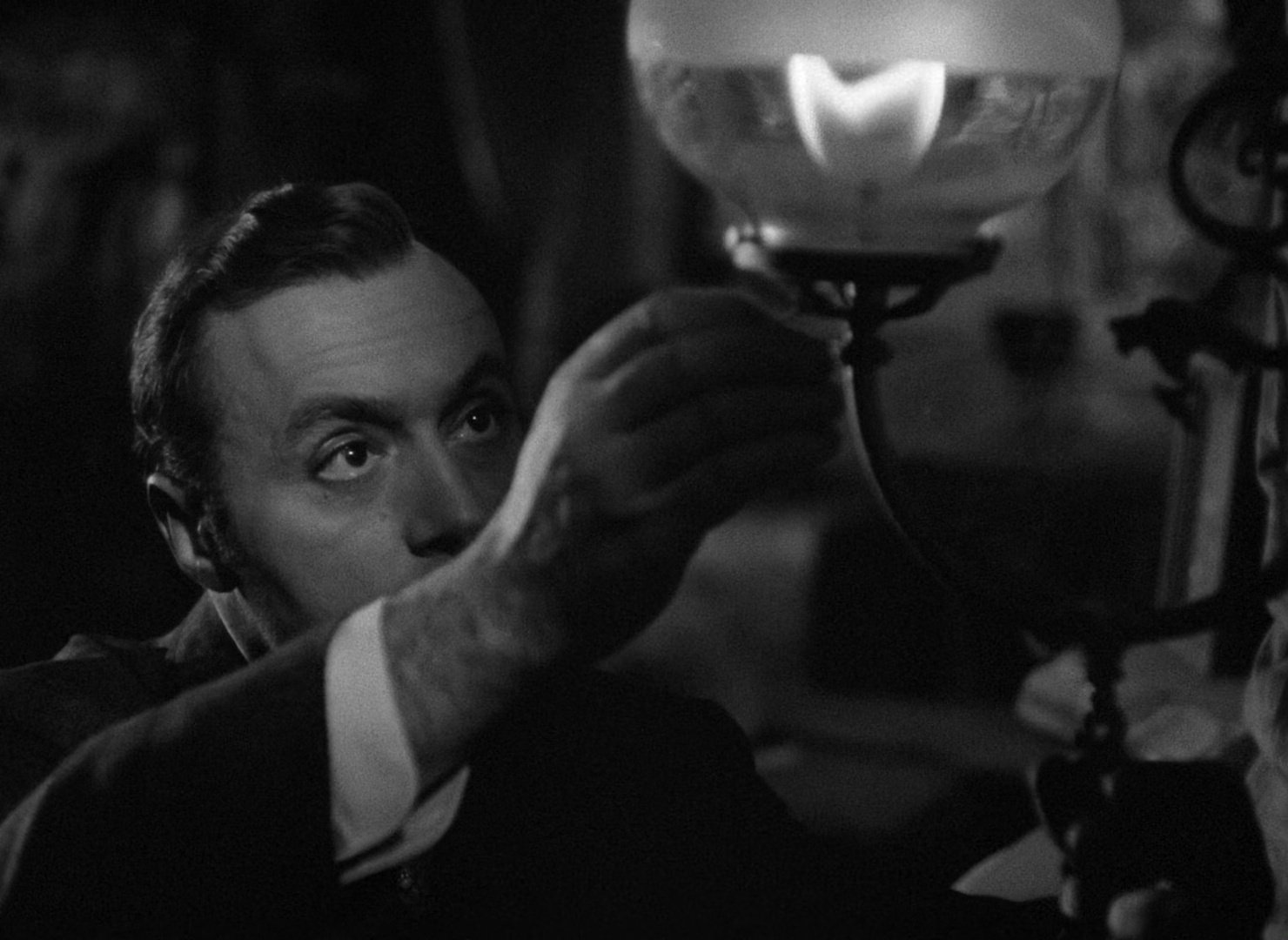
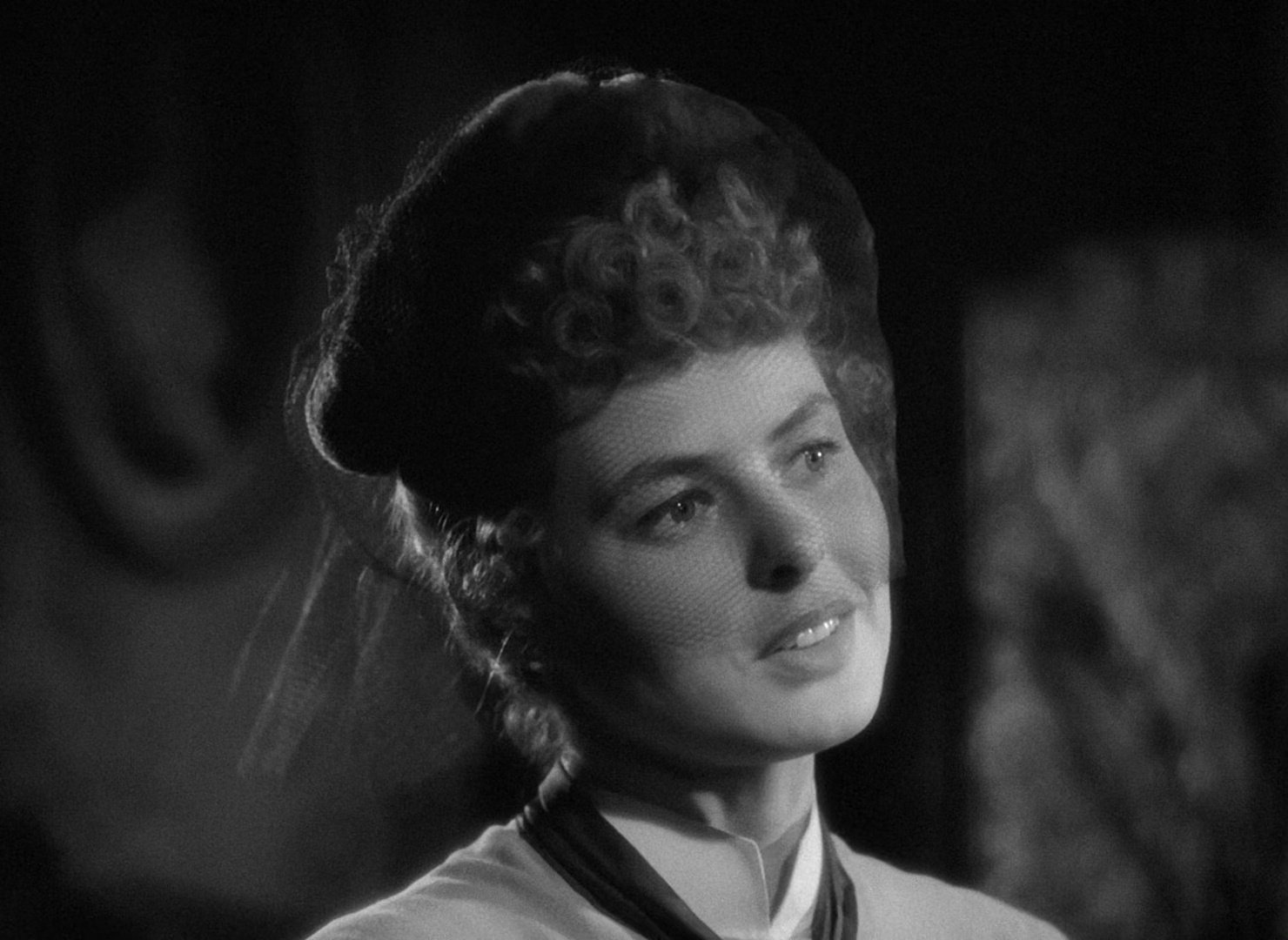
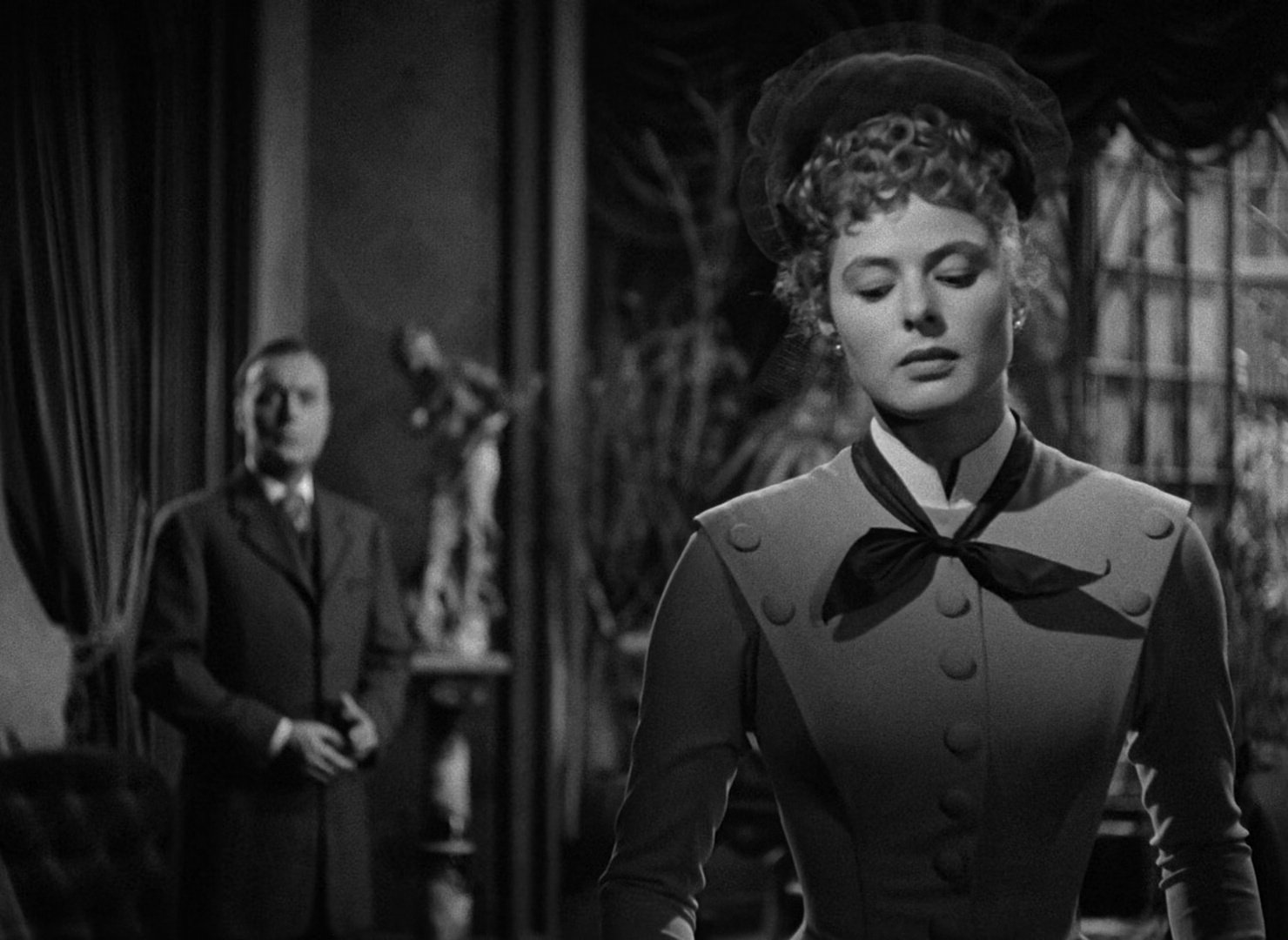
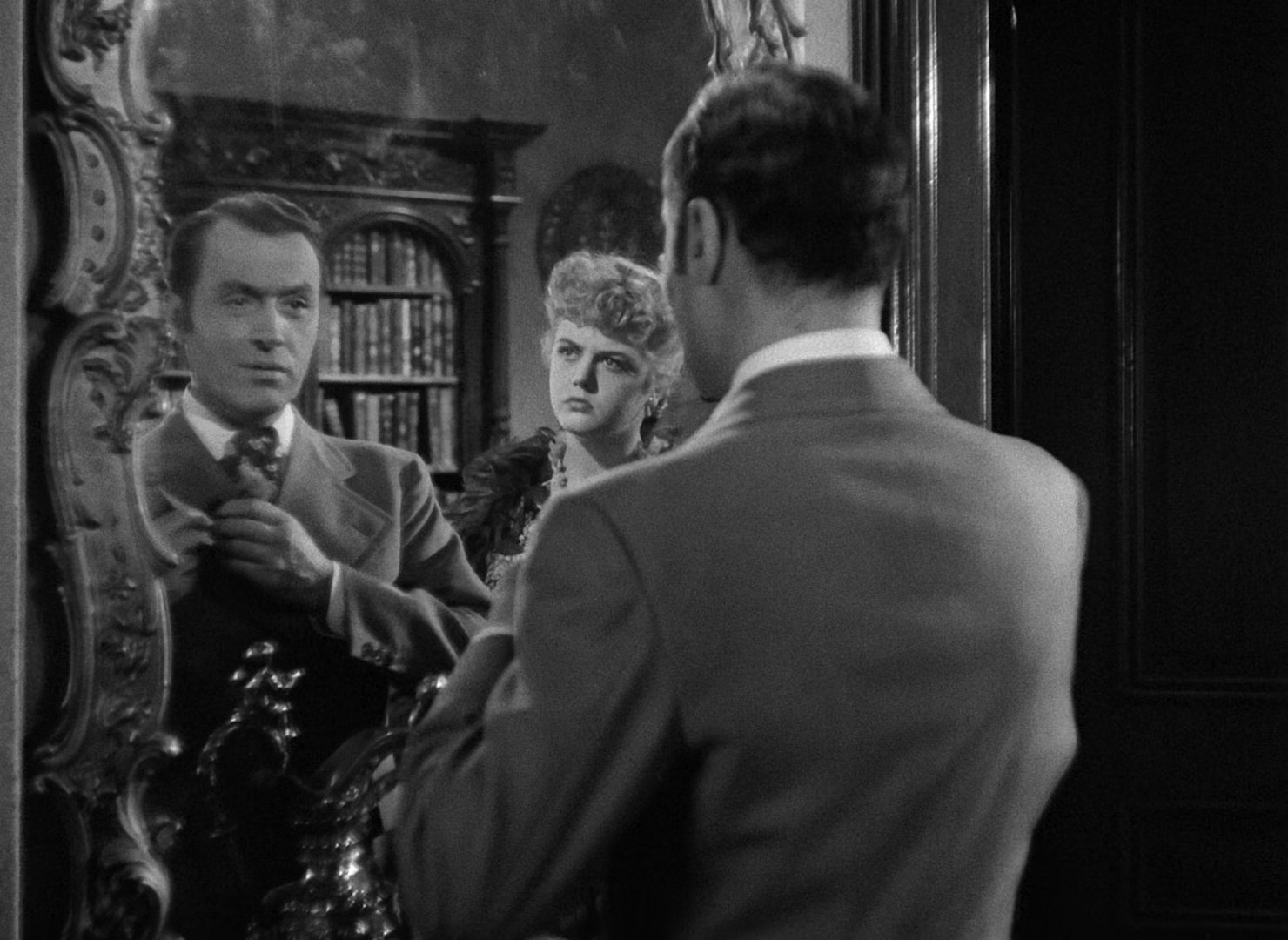
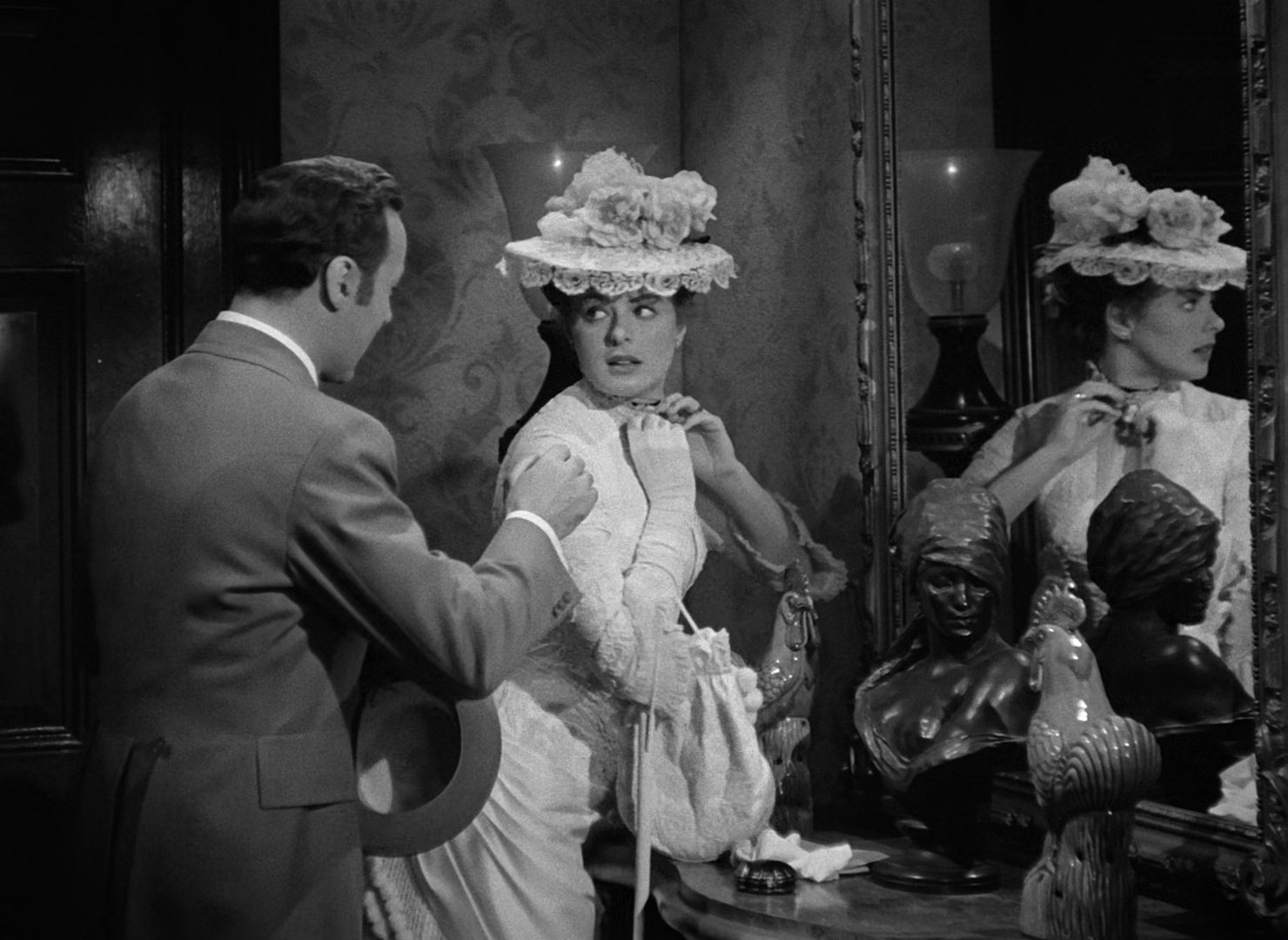
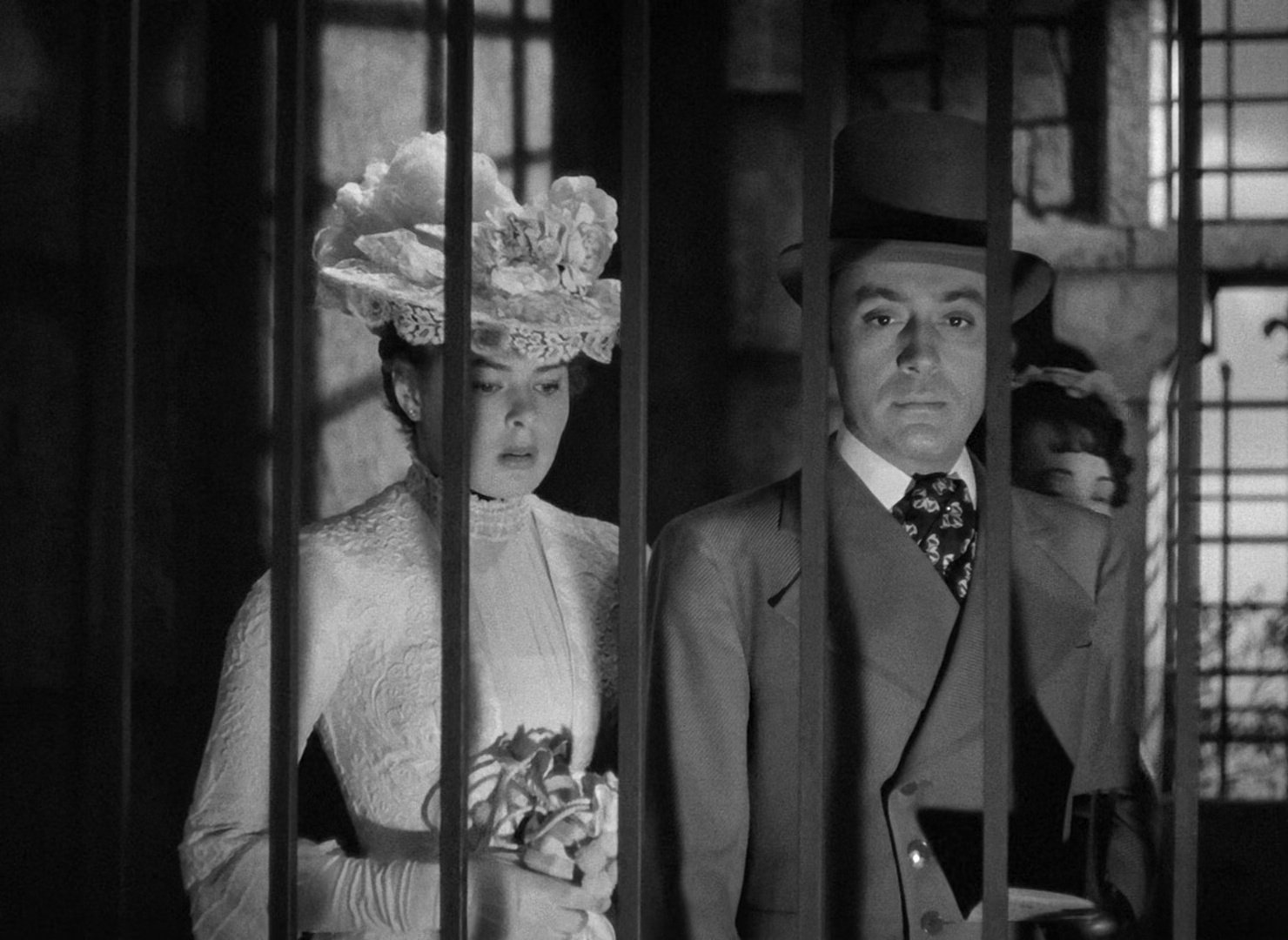
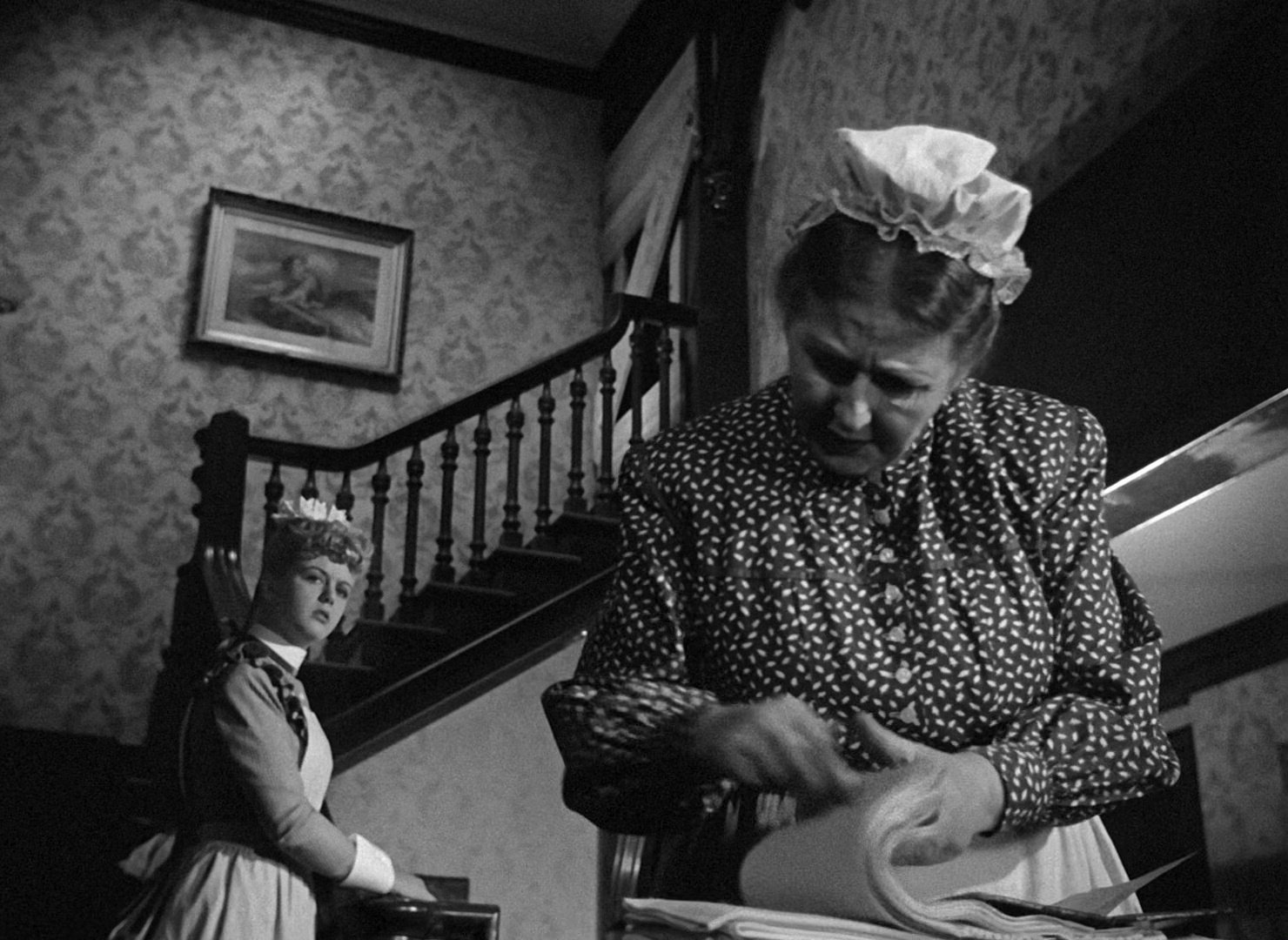
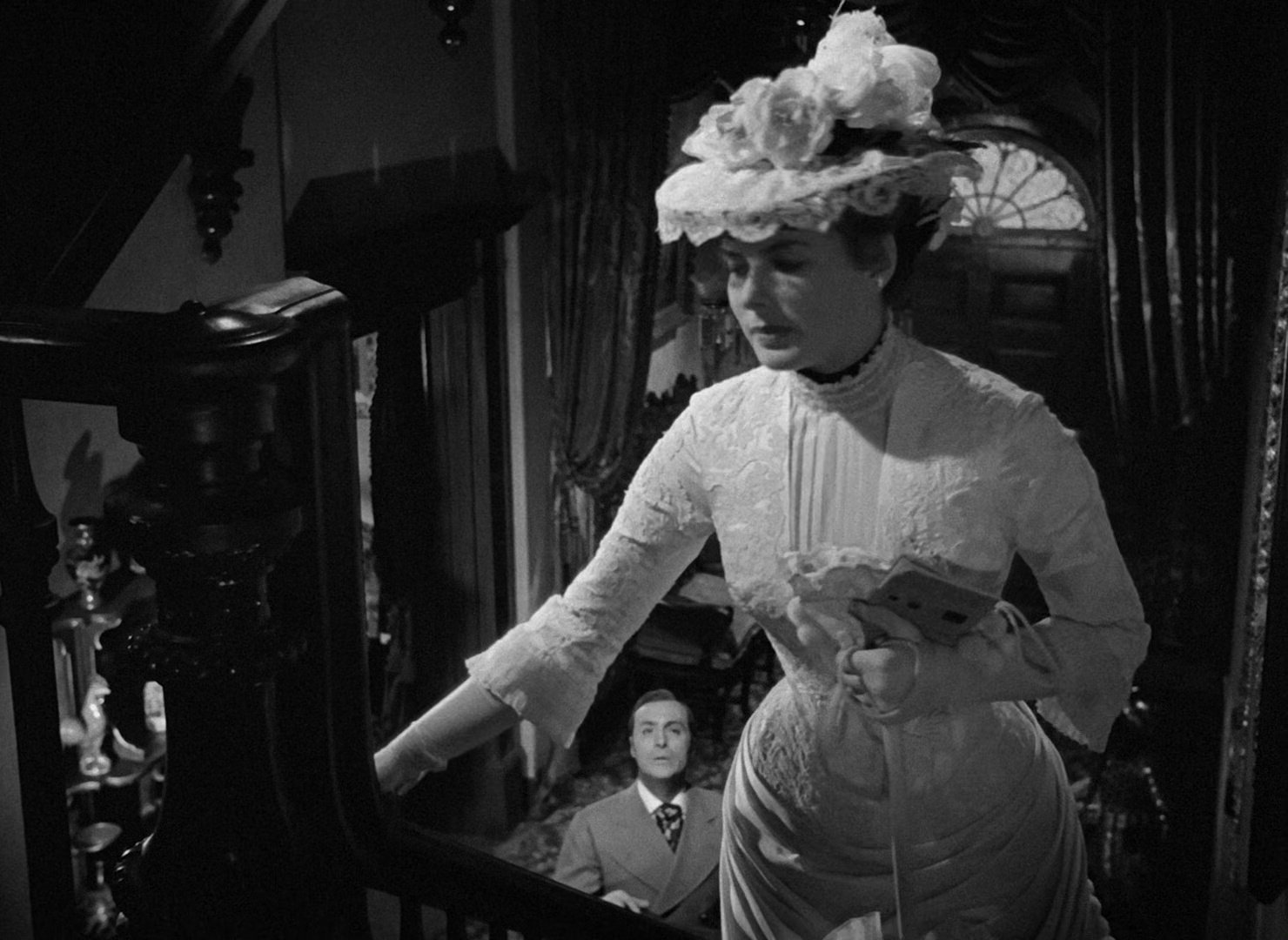
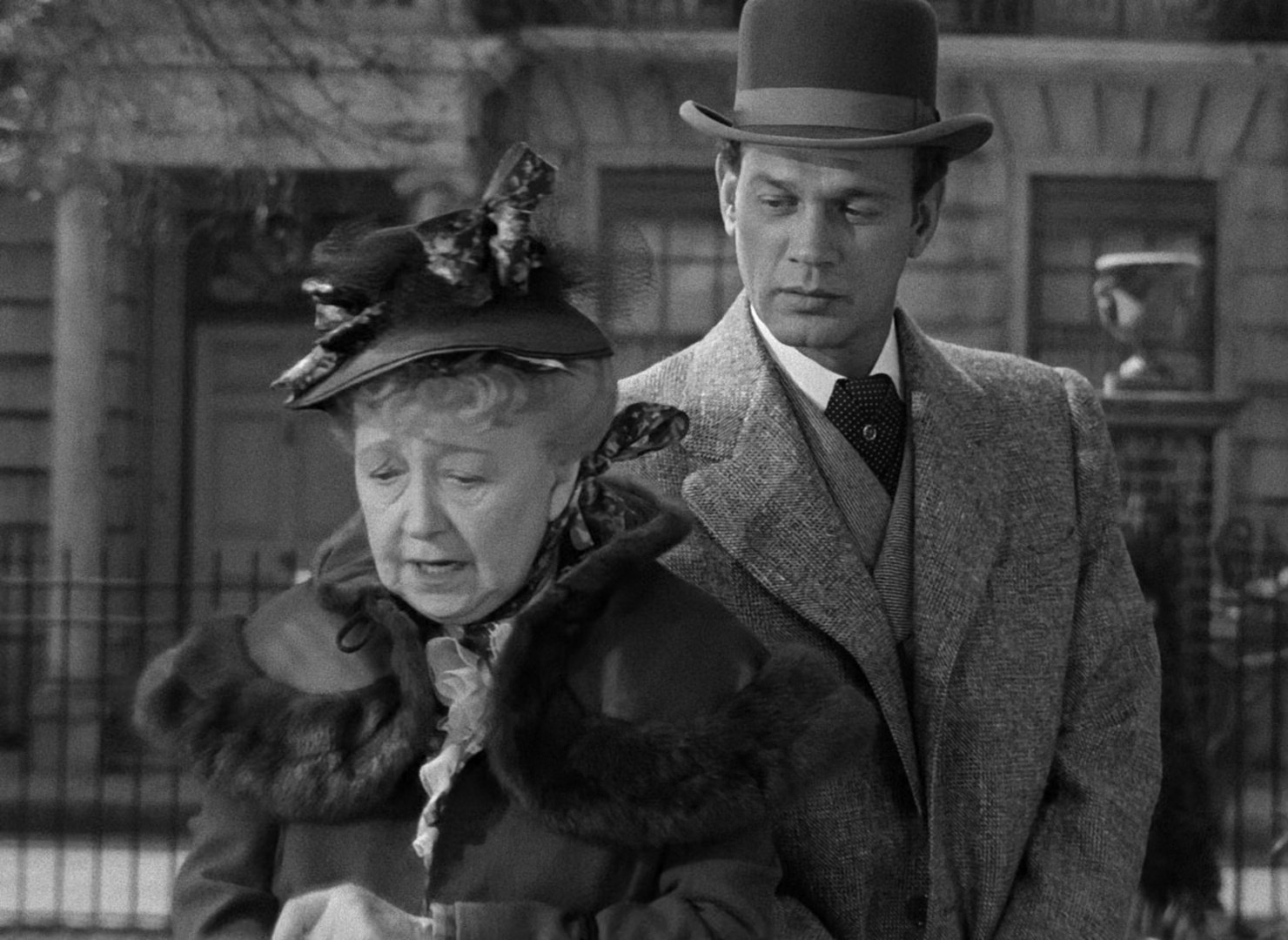
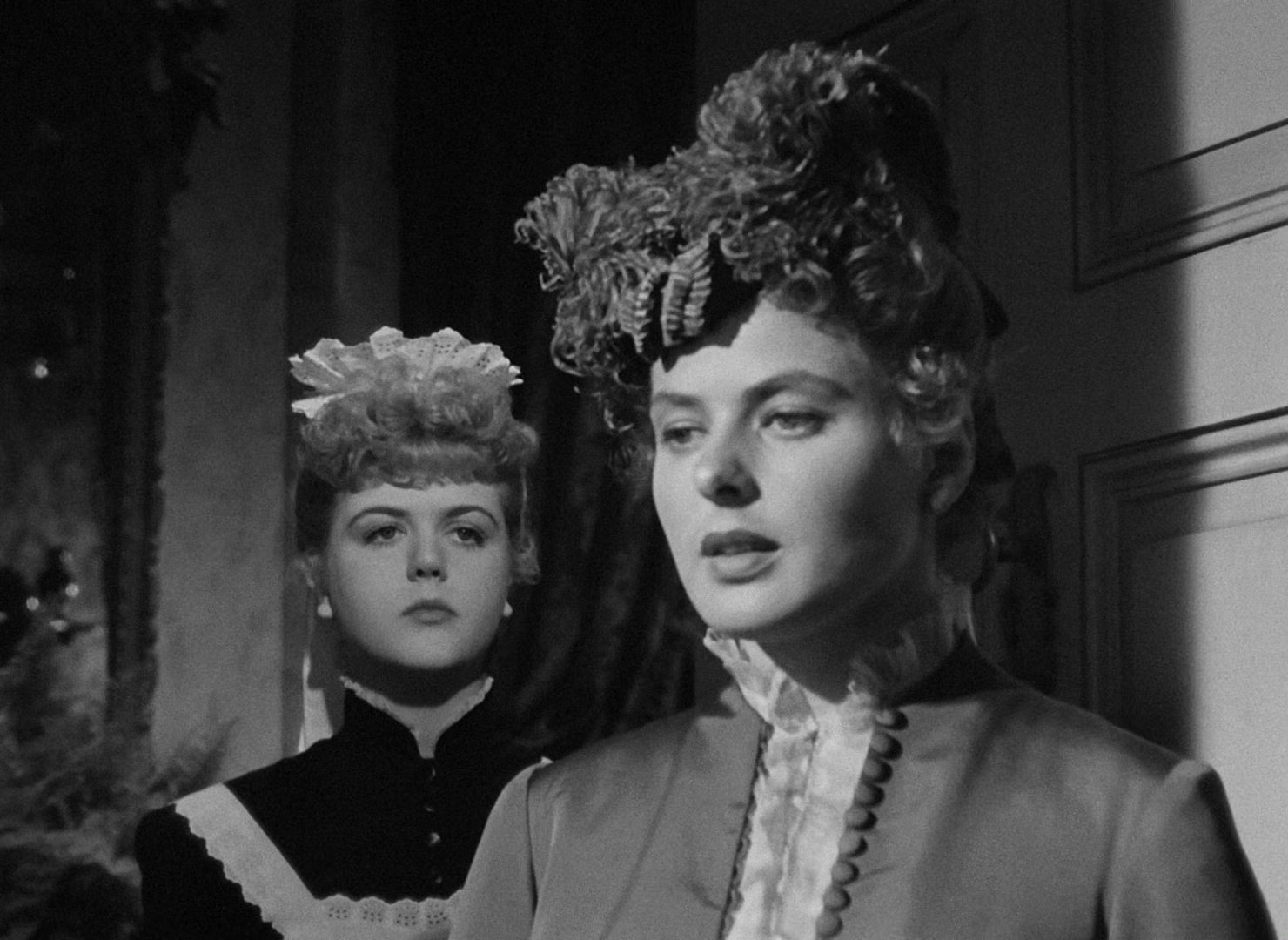
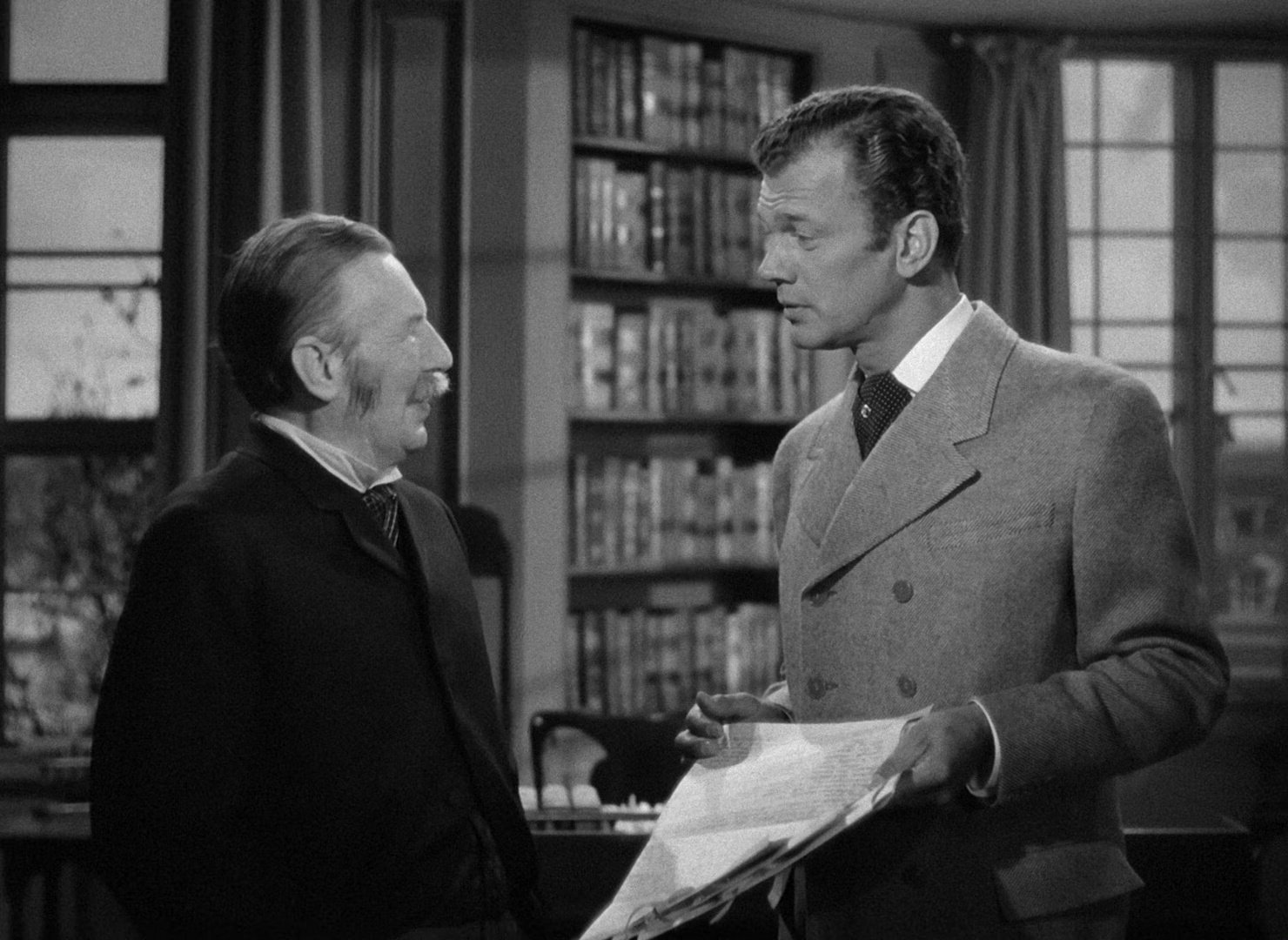
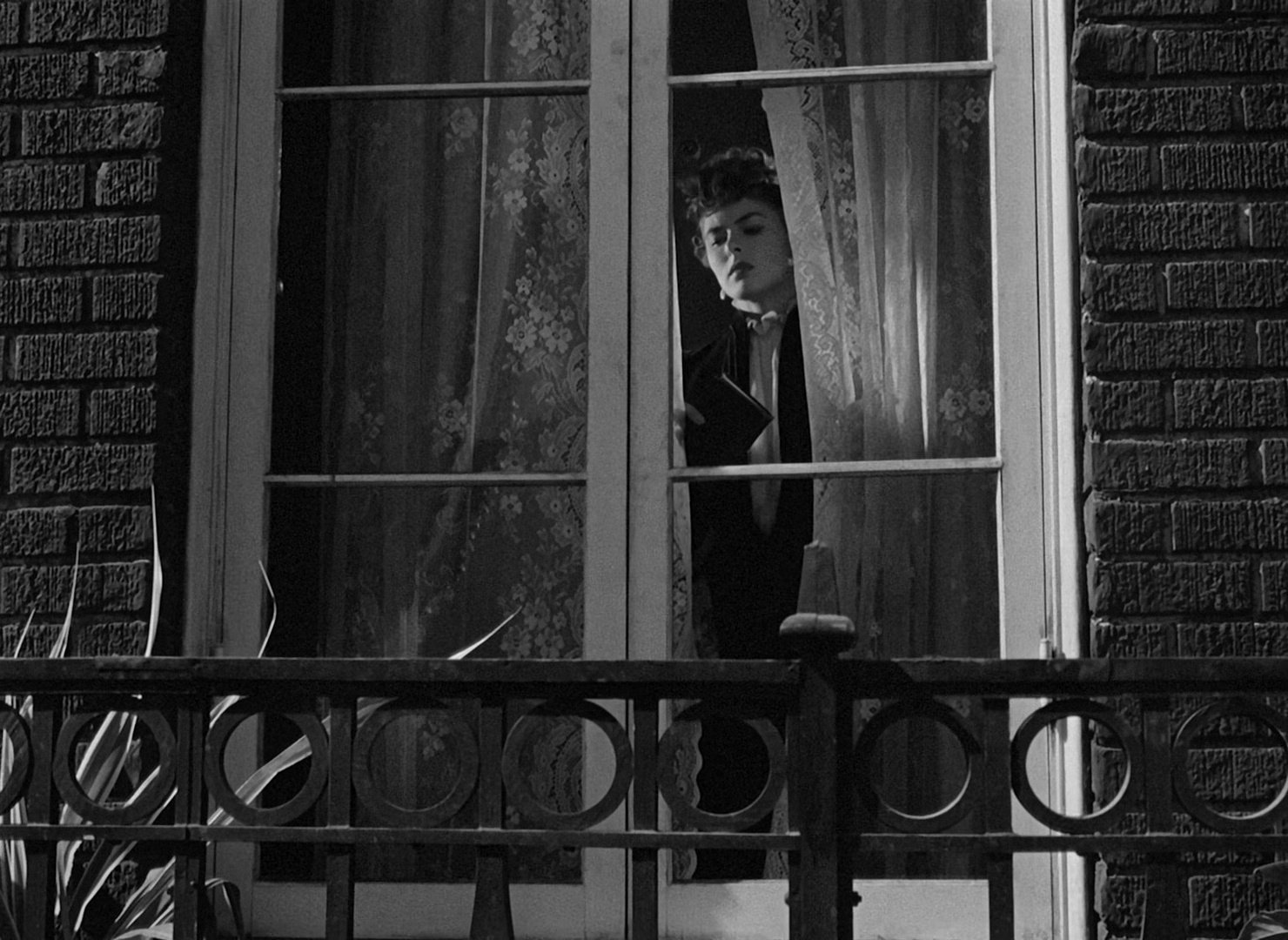
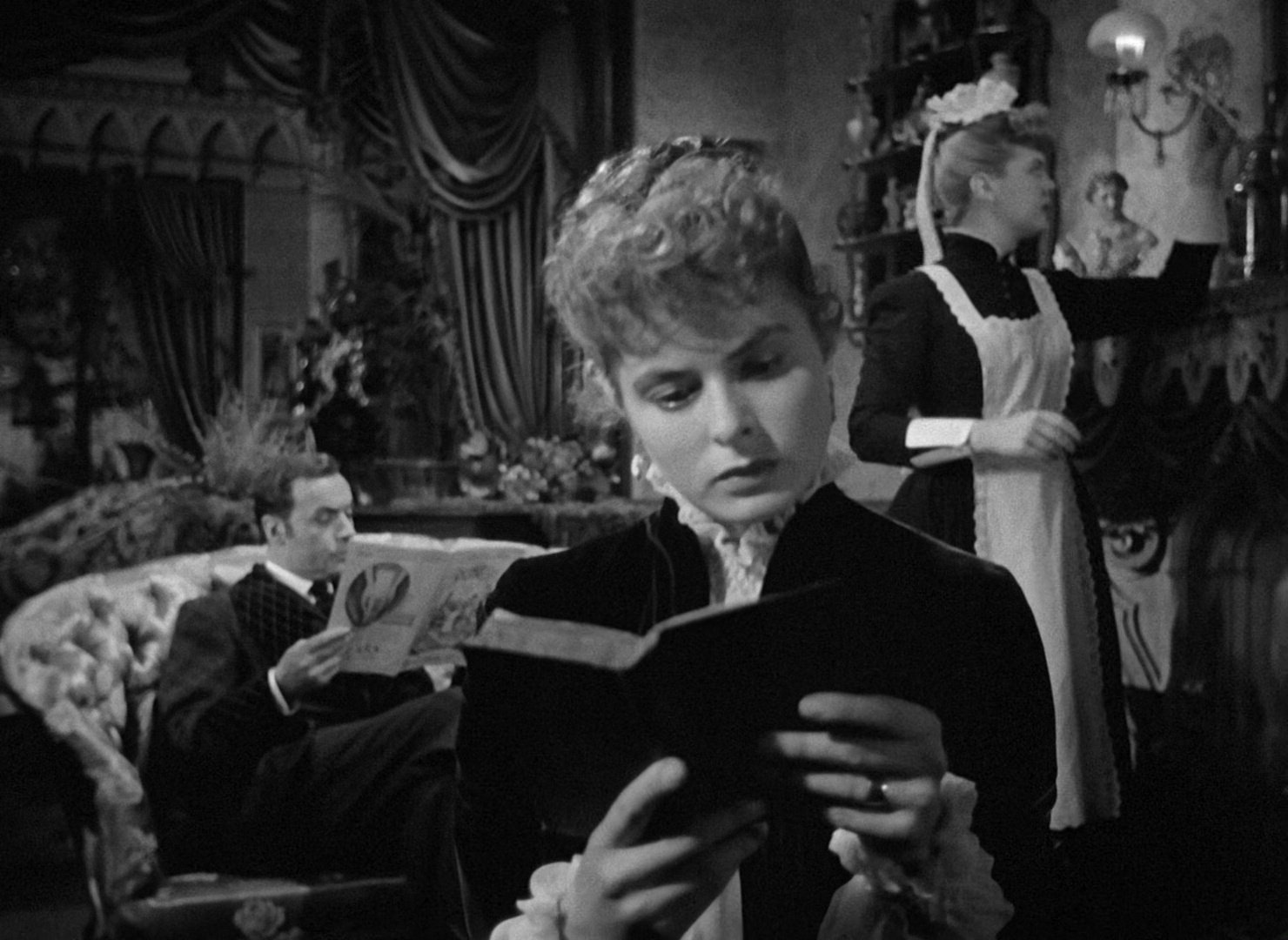
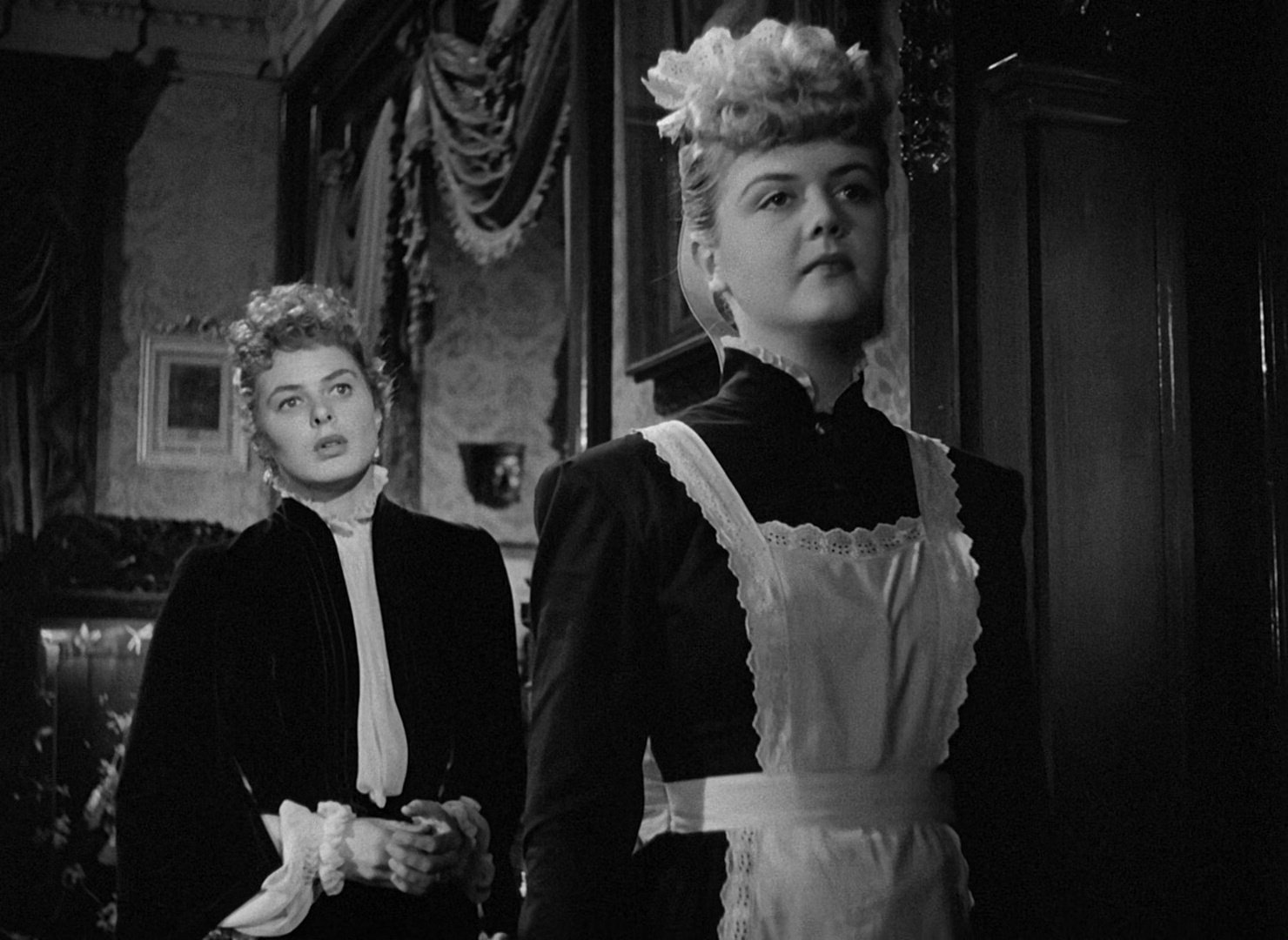
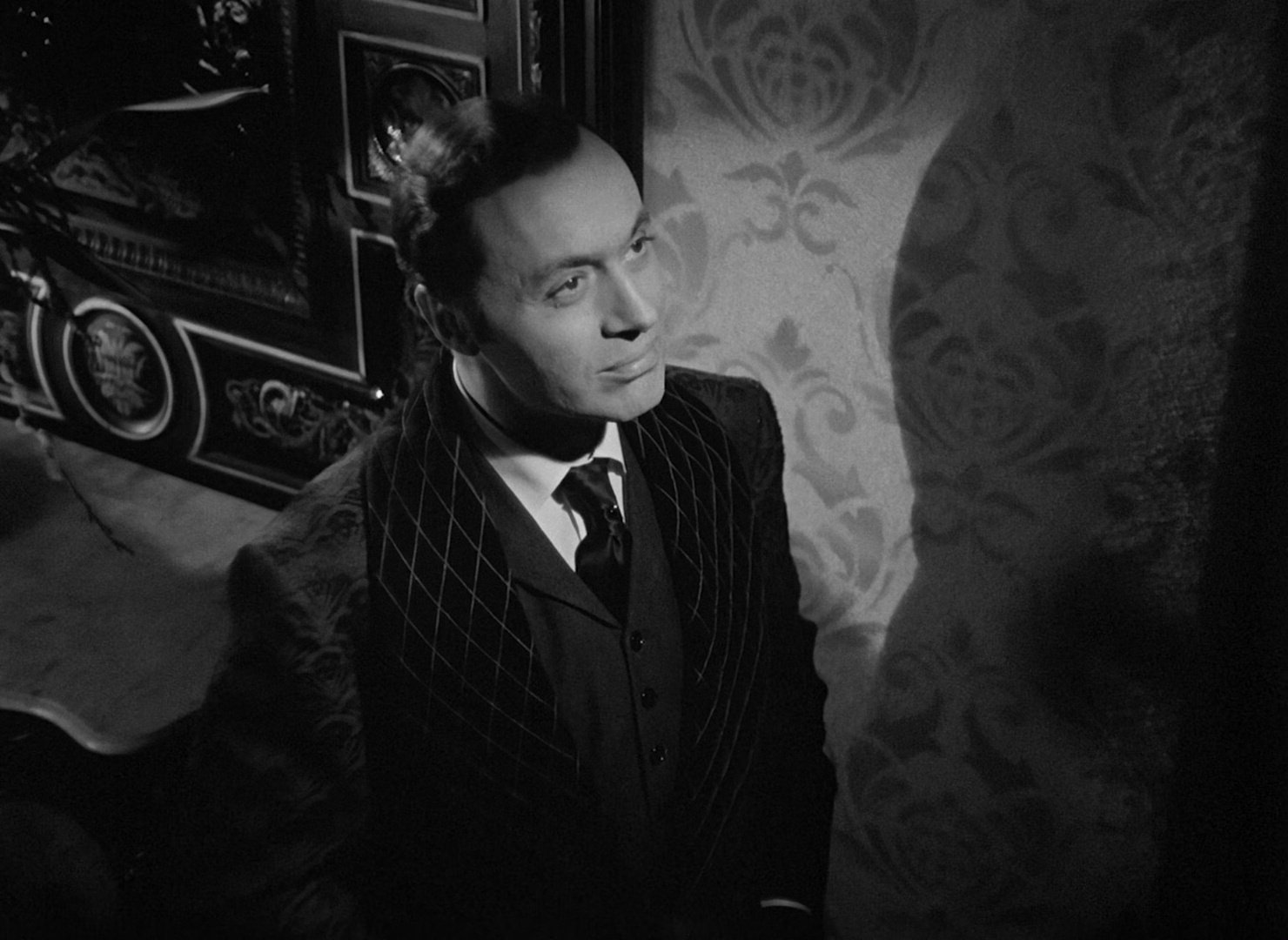
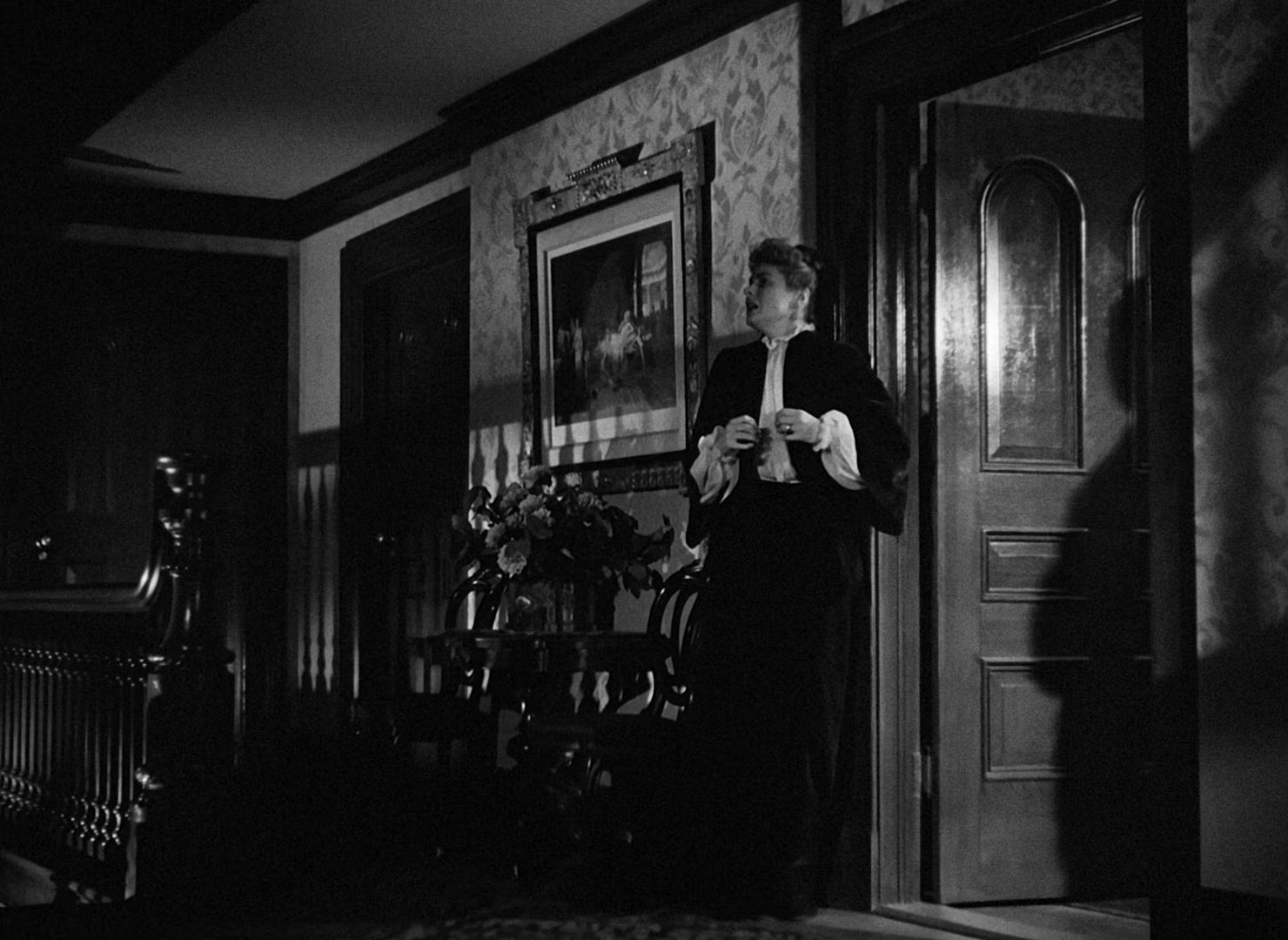
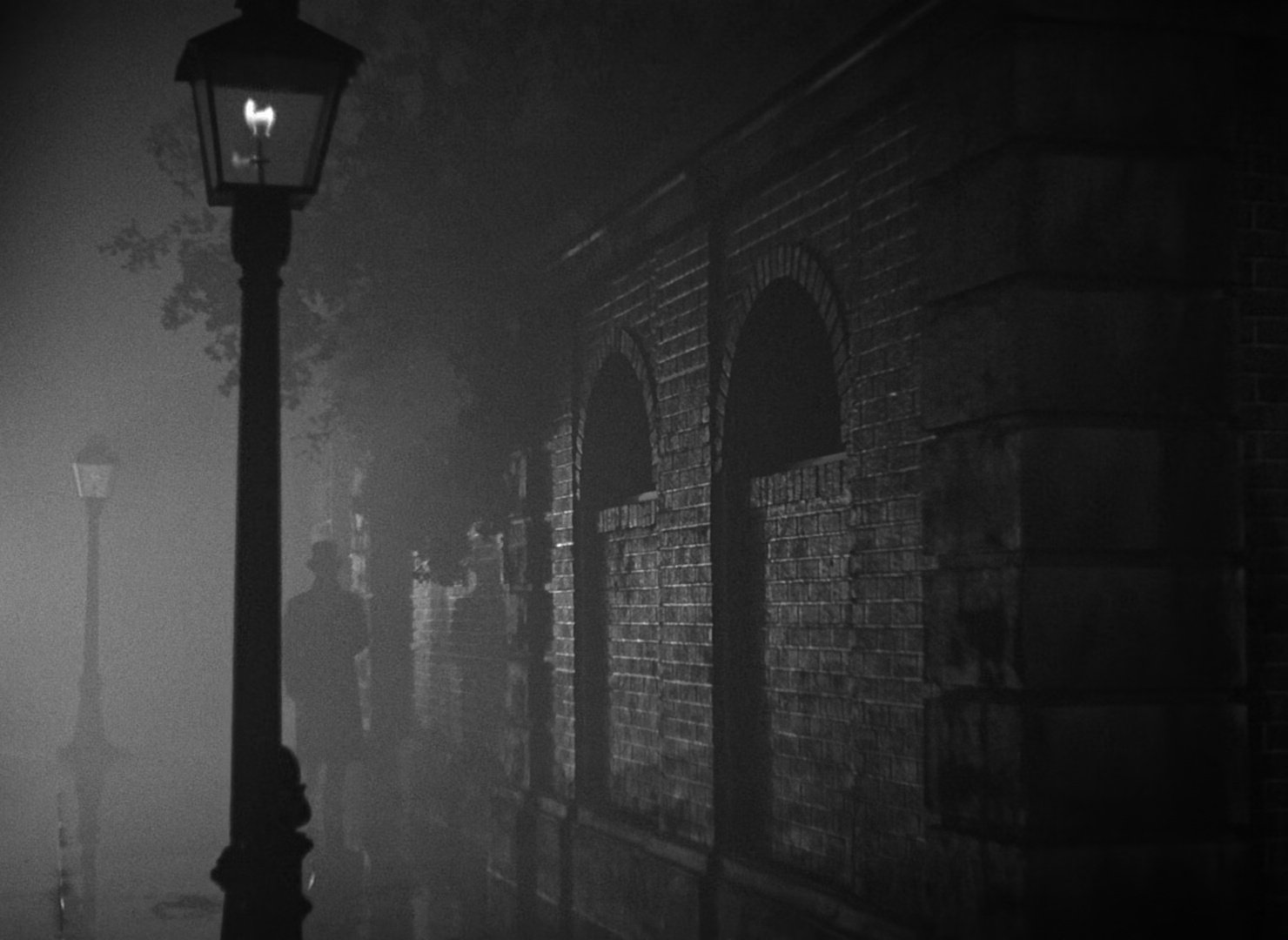
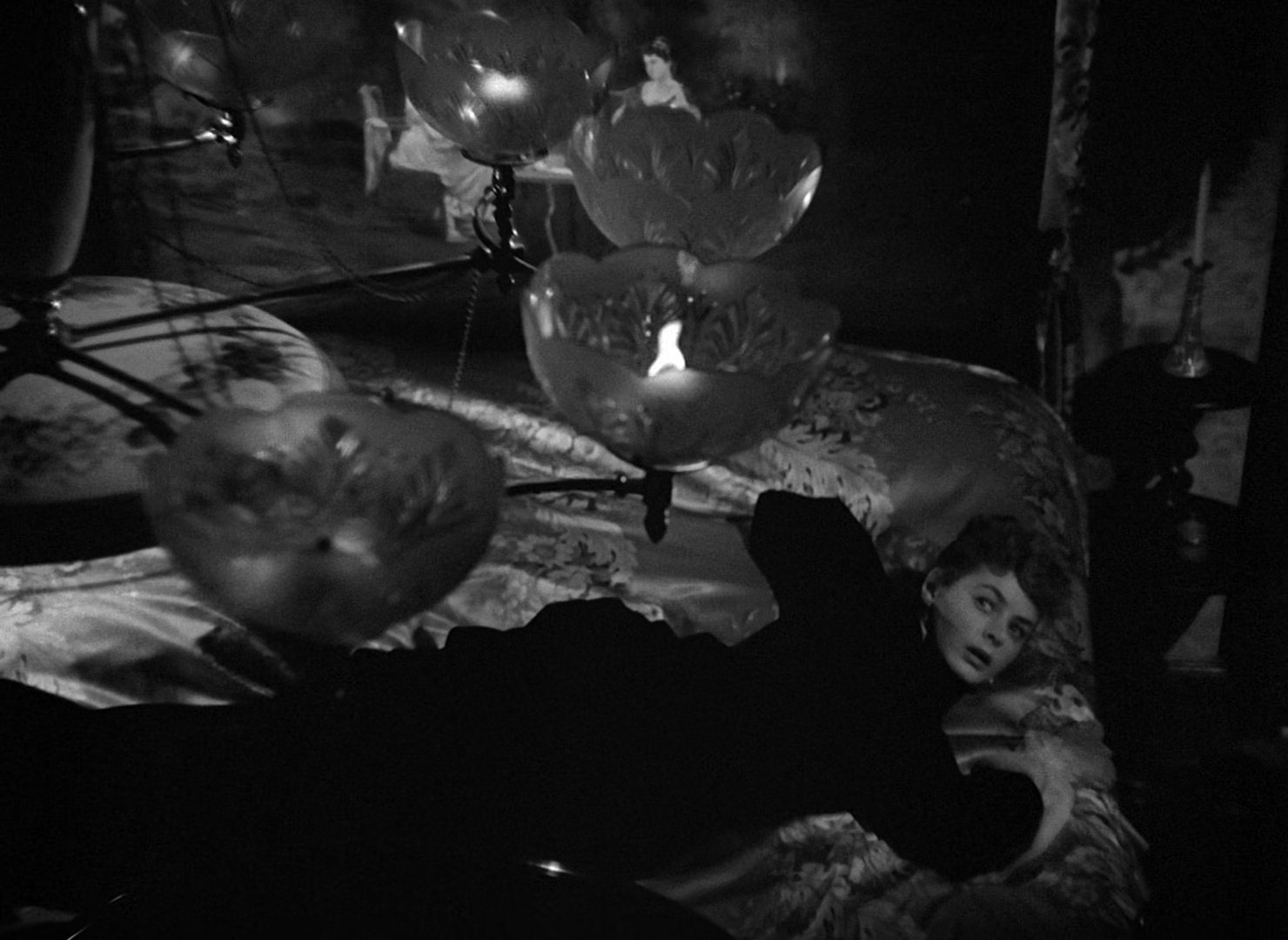
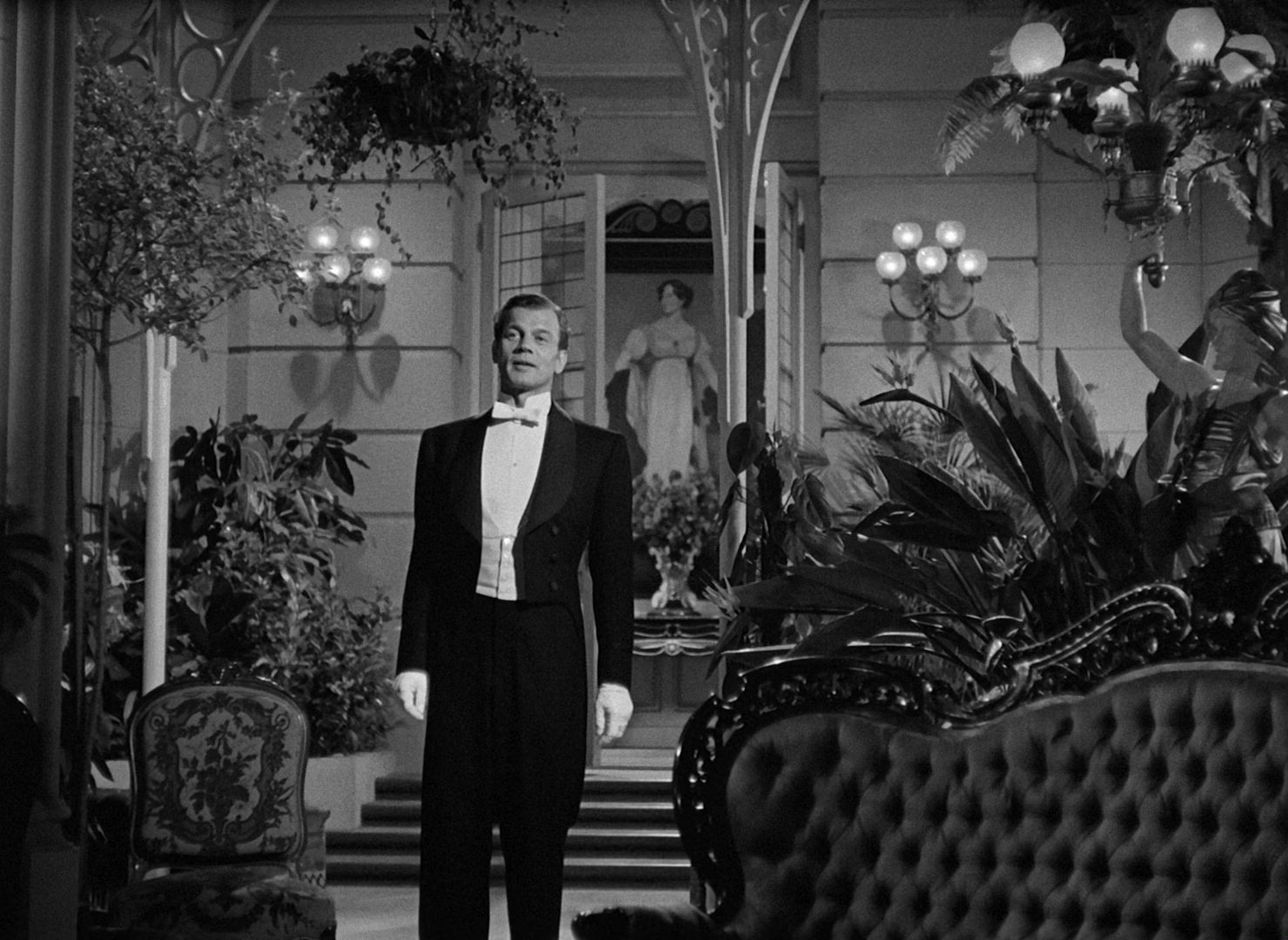
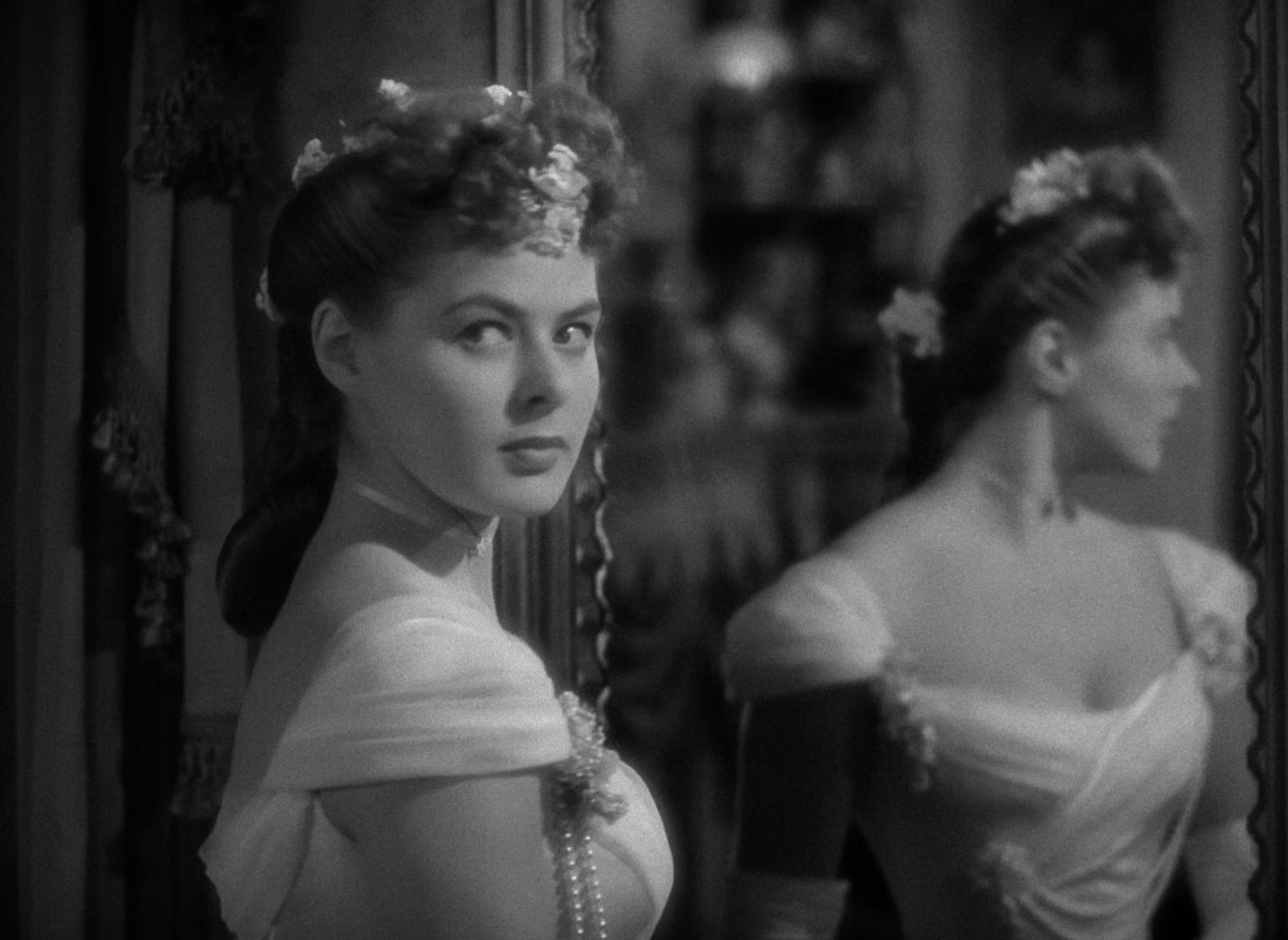
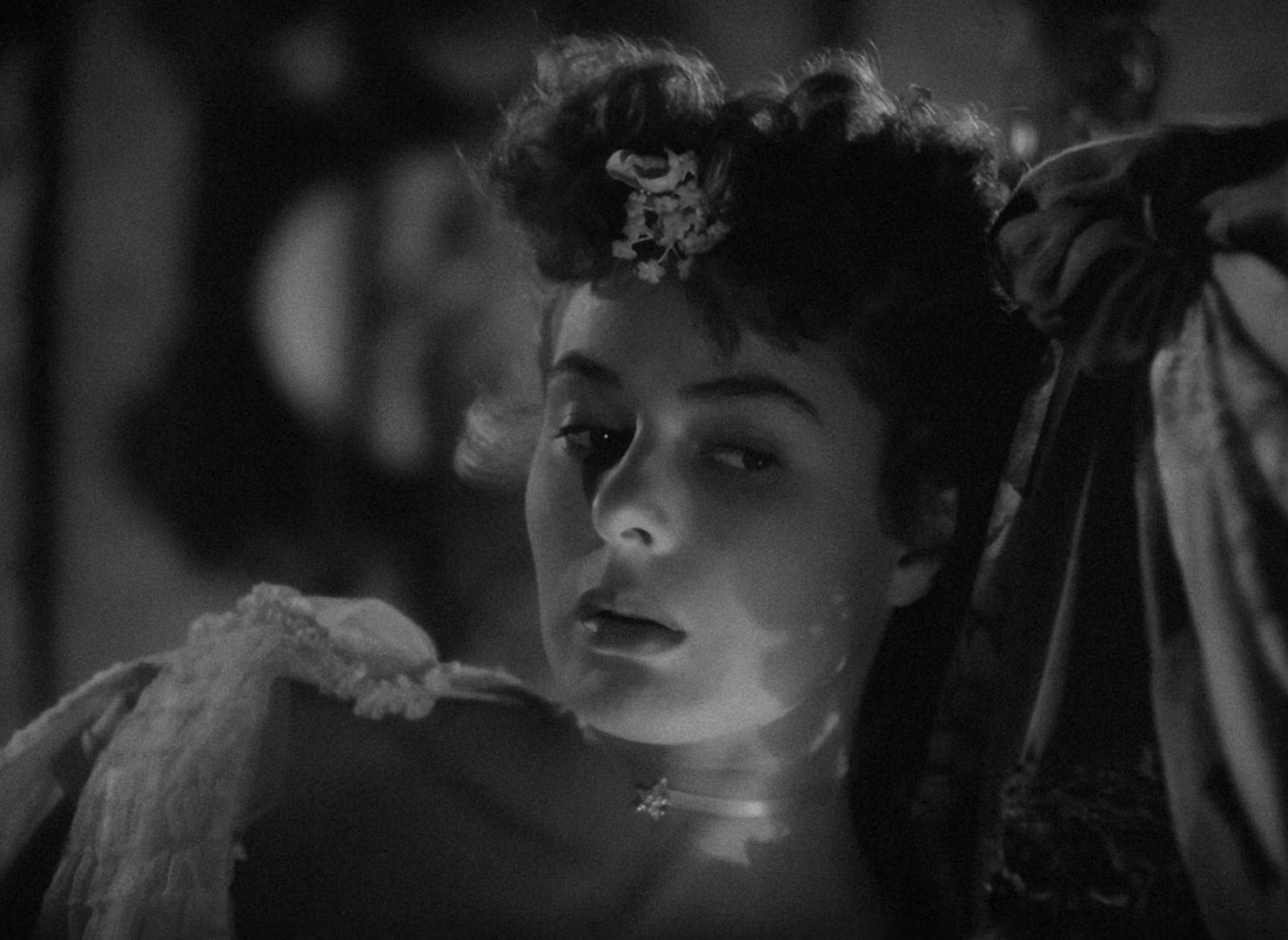
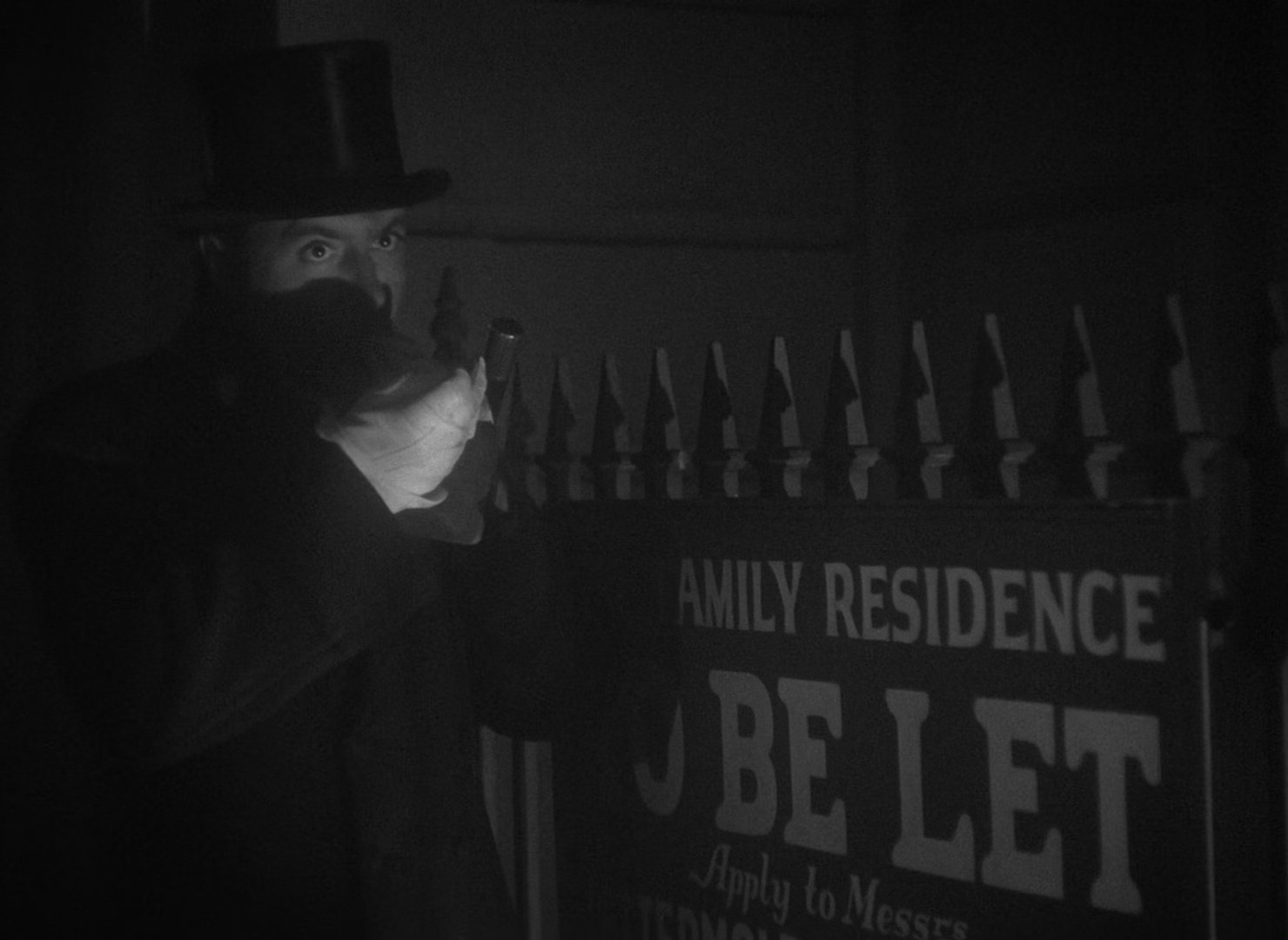
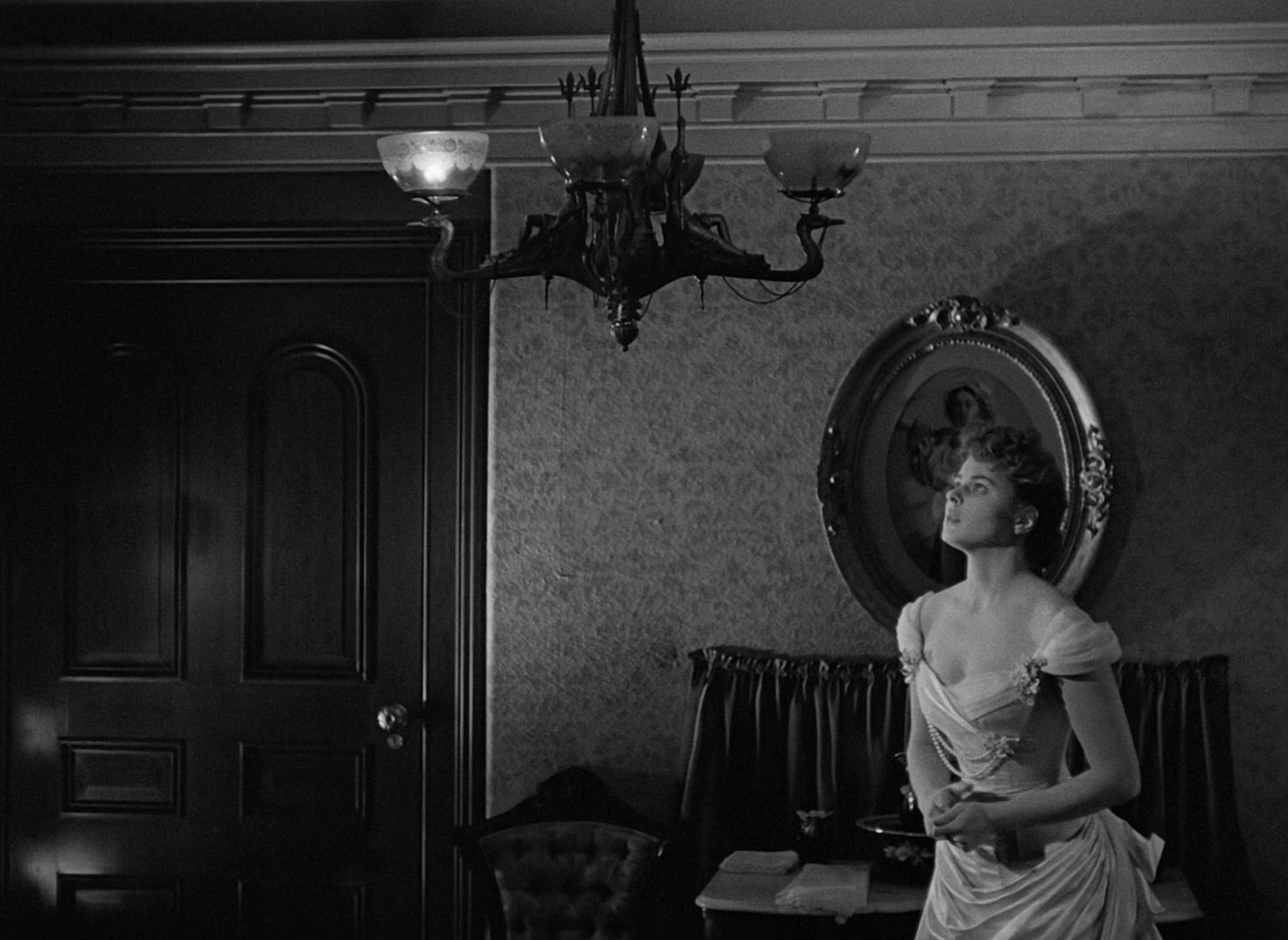
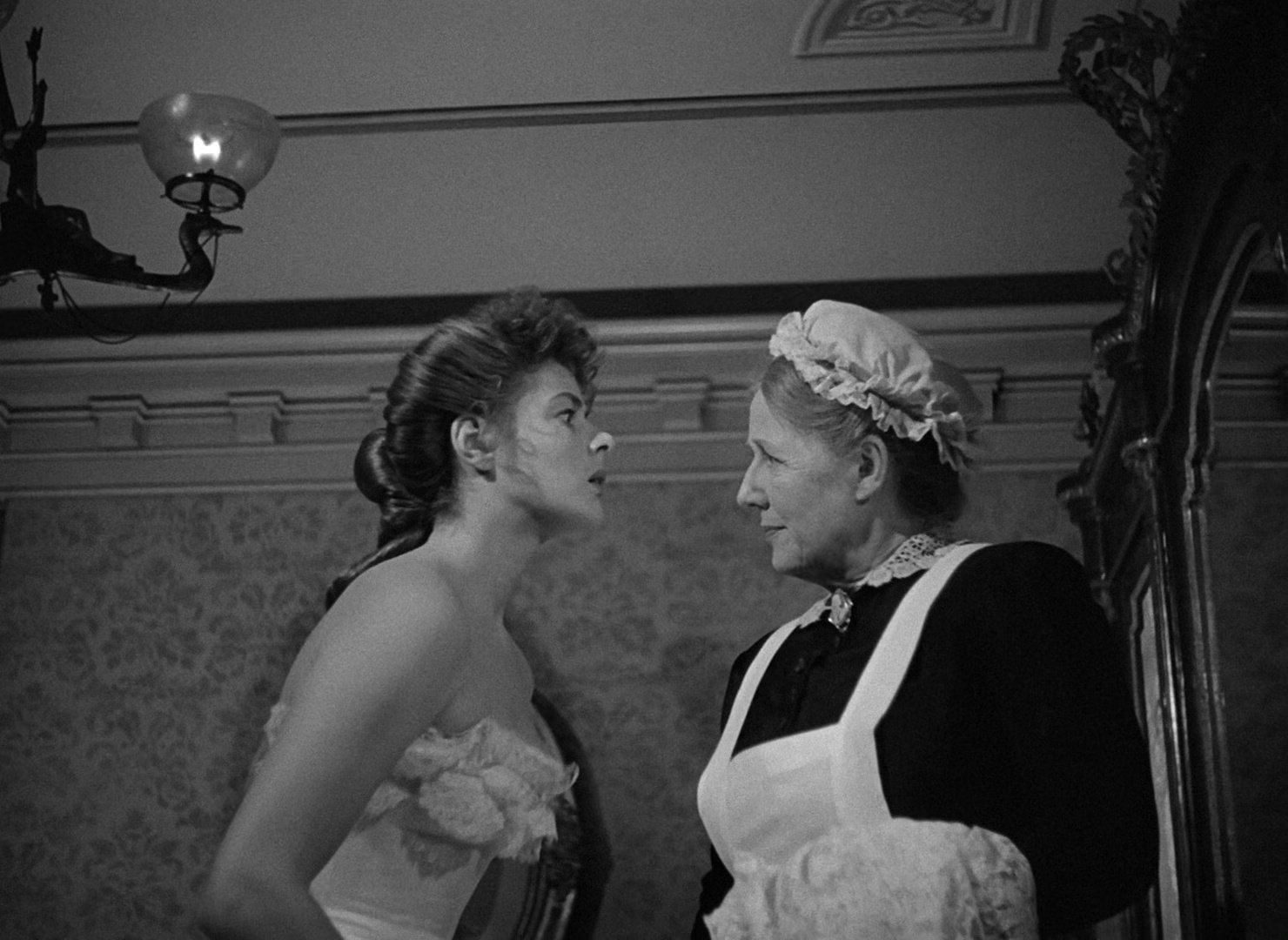
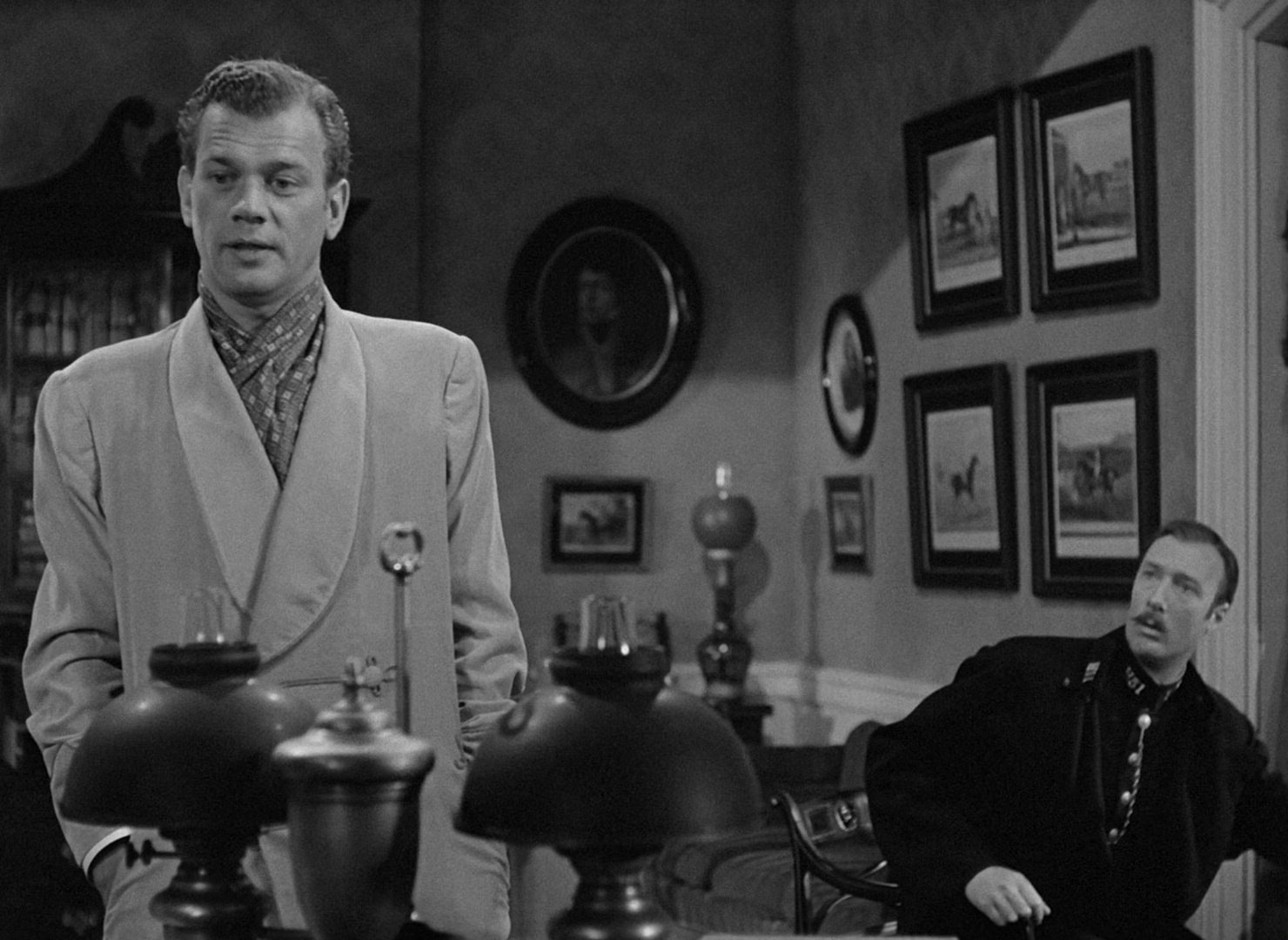
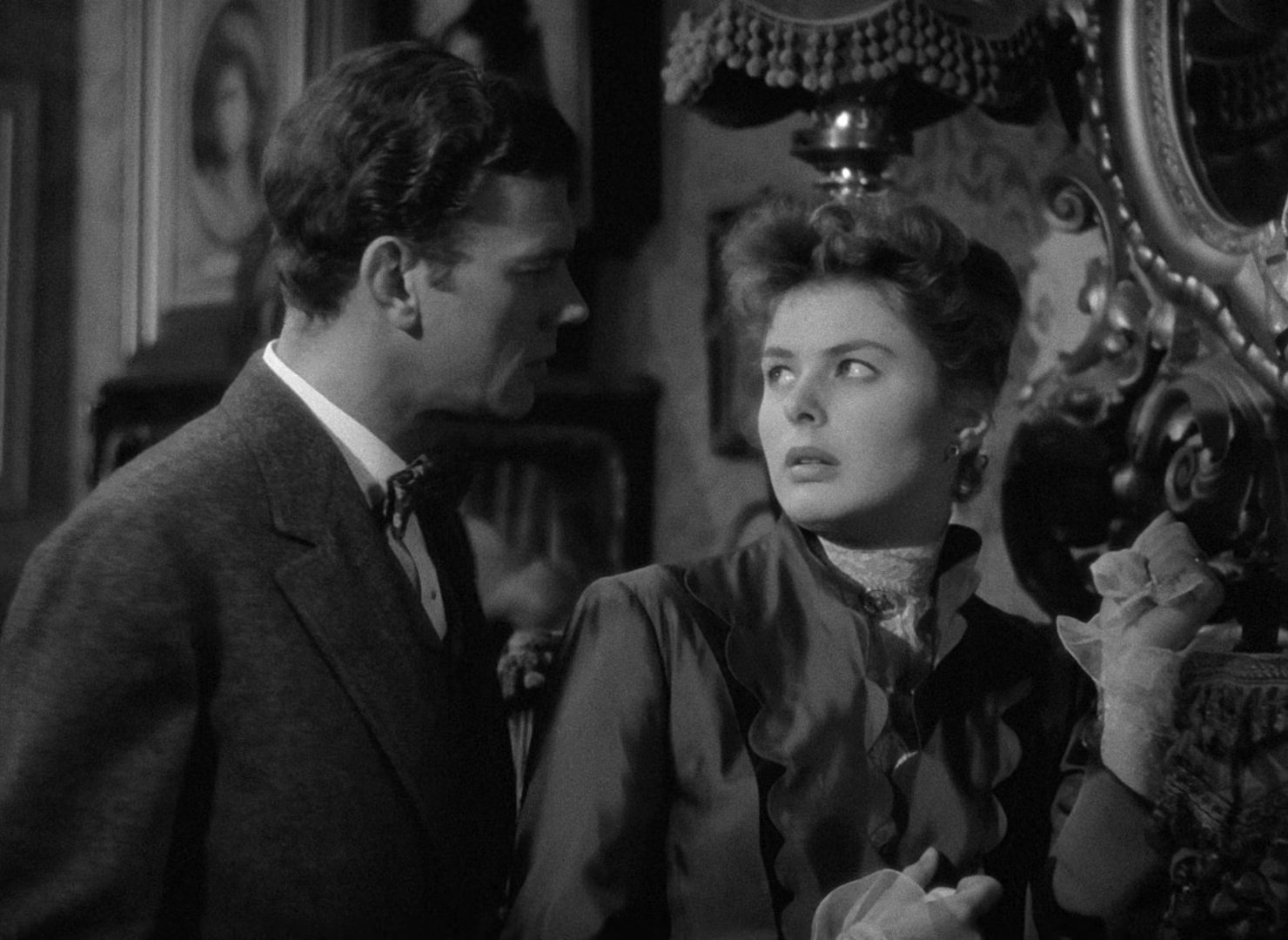
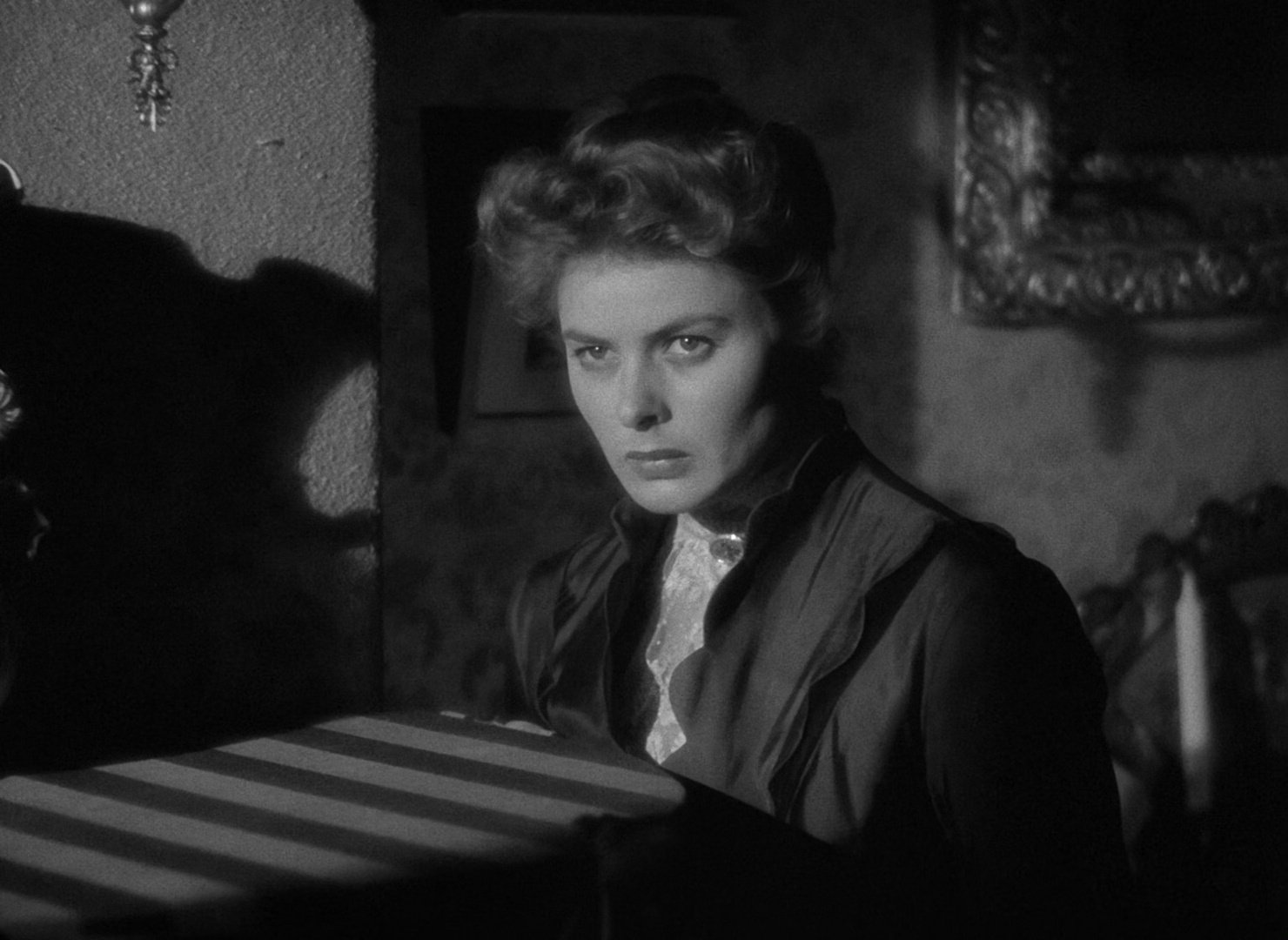
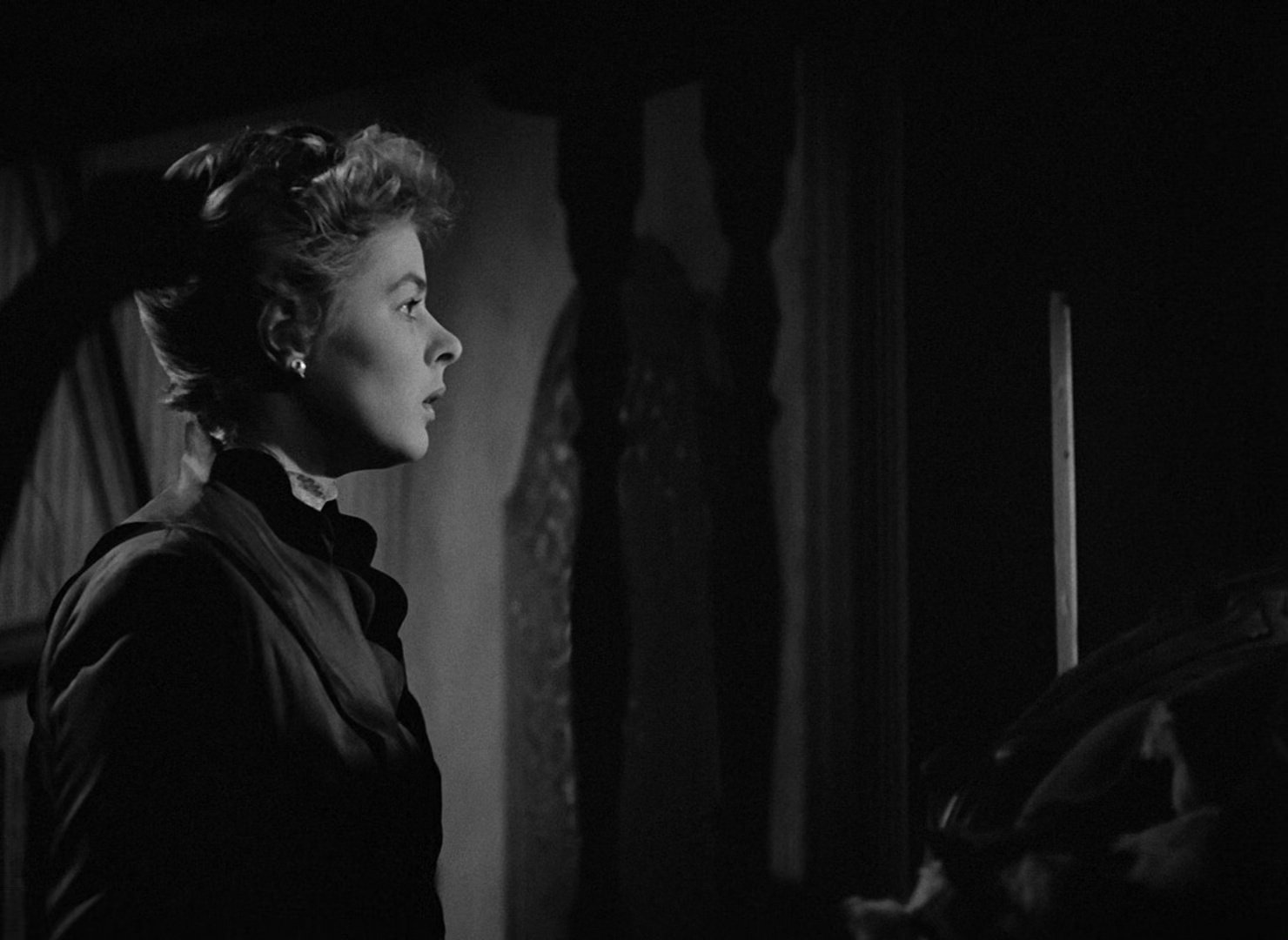
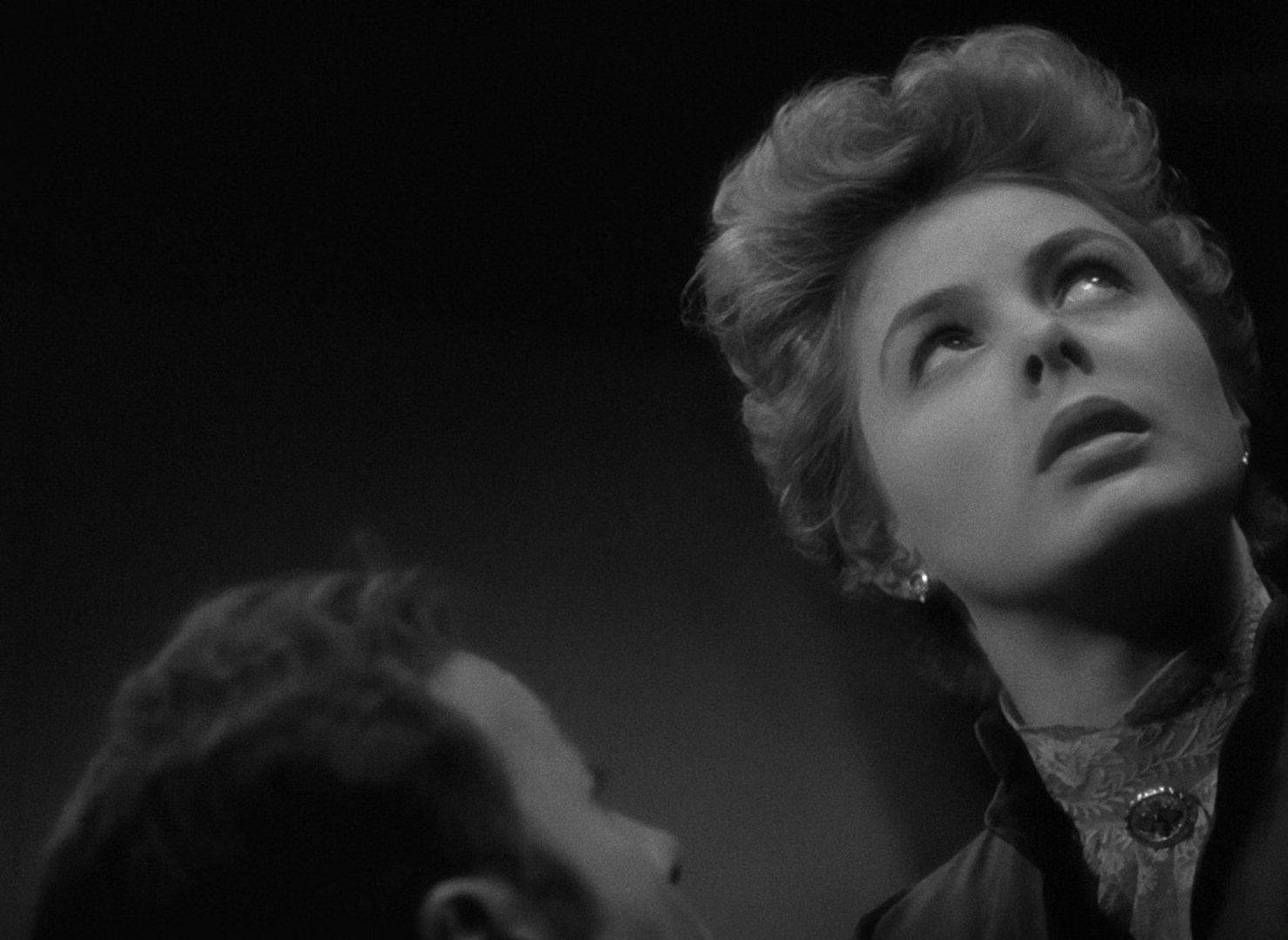
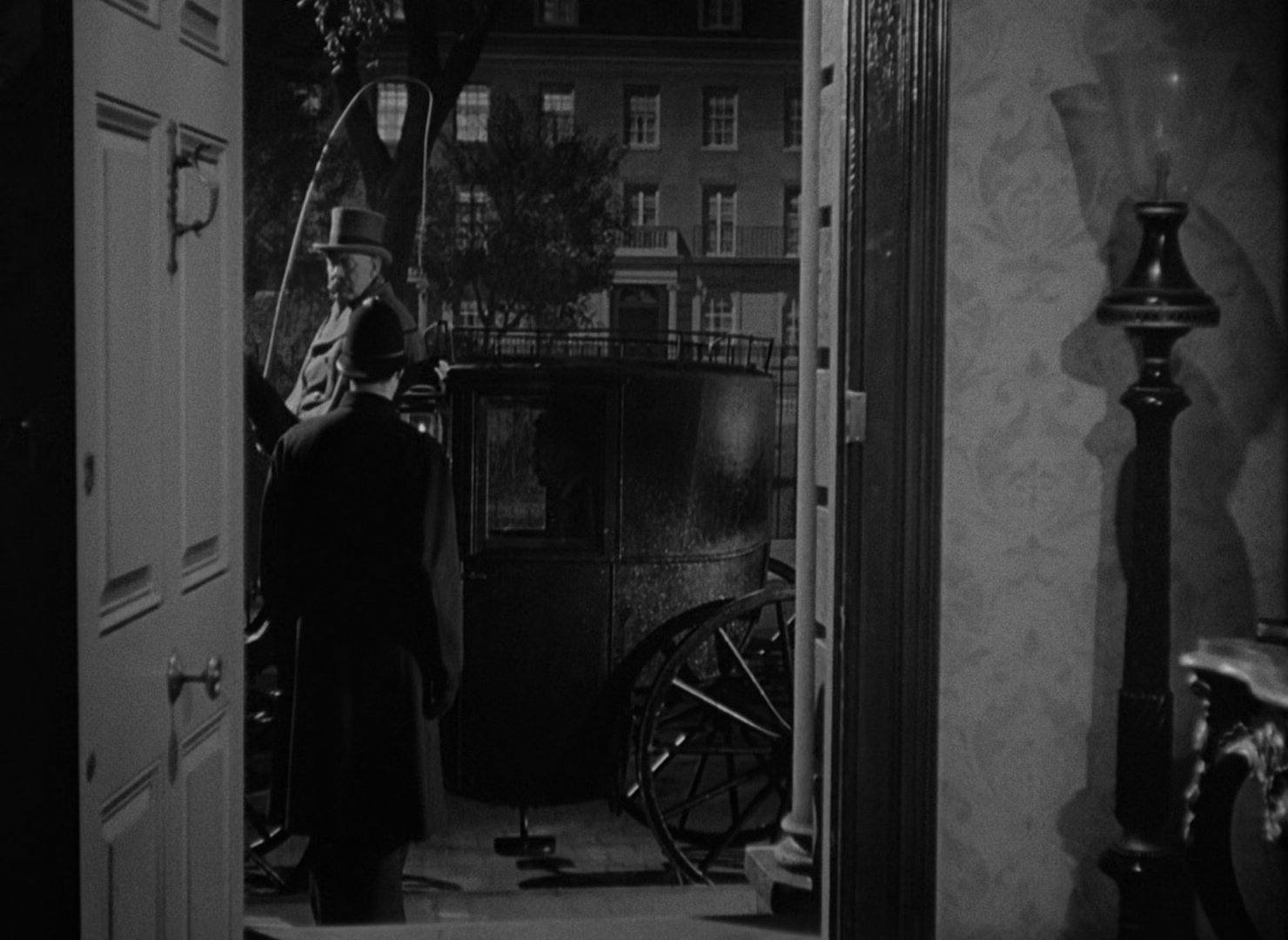
Adapted from Patrick Hamilton’s play Gas Light and directed by George Cukor, Gaslight tells the story of a young woman who moves into her husband’s London home and begins to experience strange occurrences, such as flickering lights, missing objects and unexplained noises. Questioning her own perception, she finds her husband increasingly insisting that nothing is wrong, which gradually undermines her sense of reality.
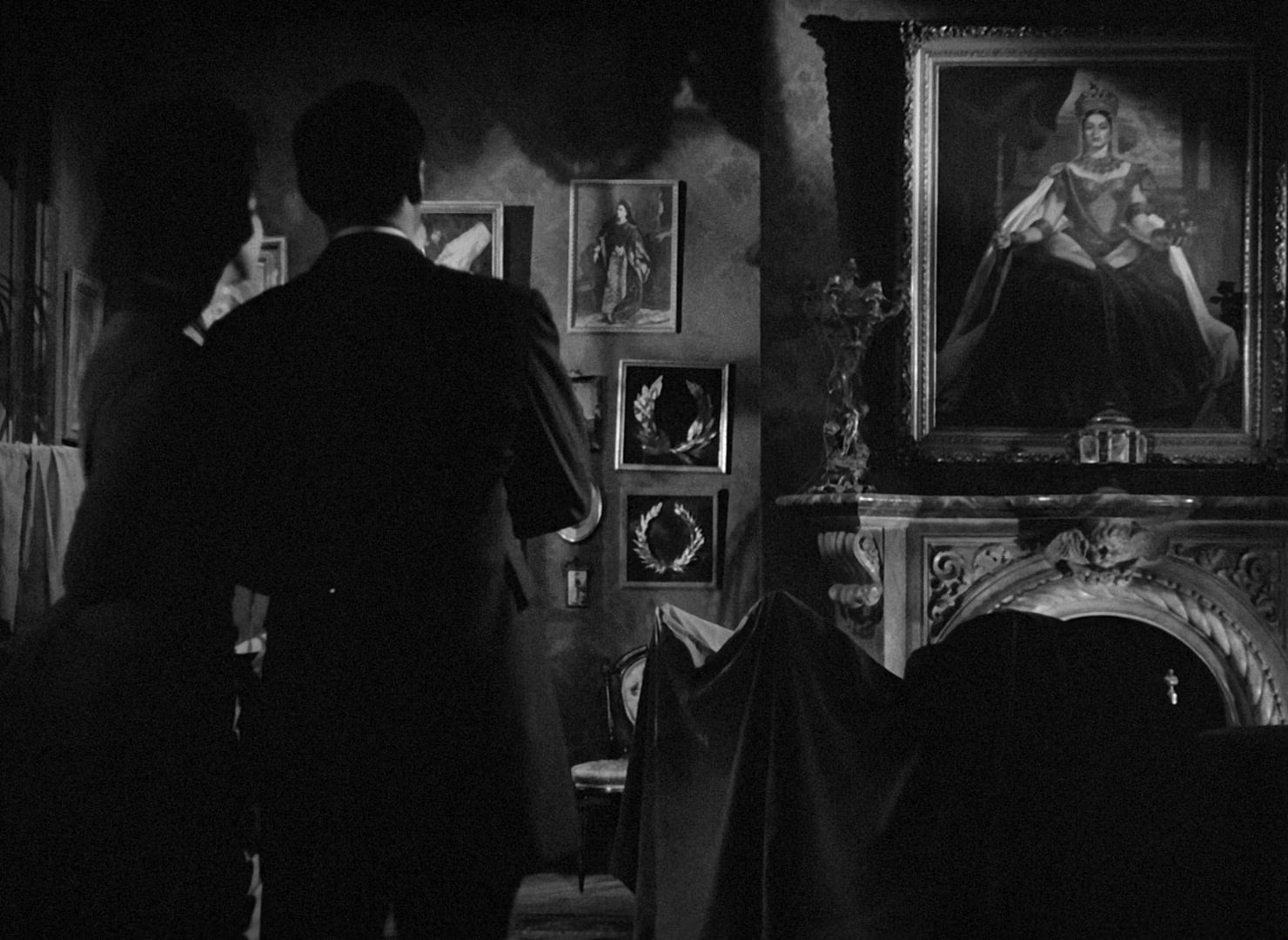
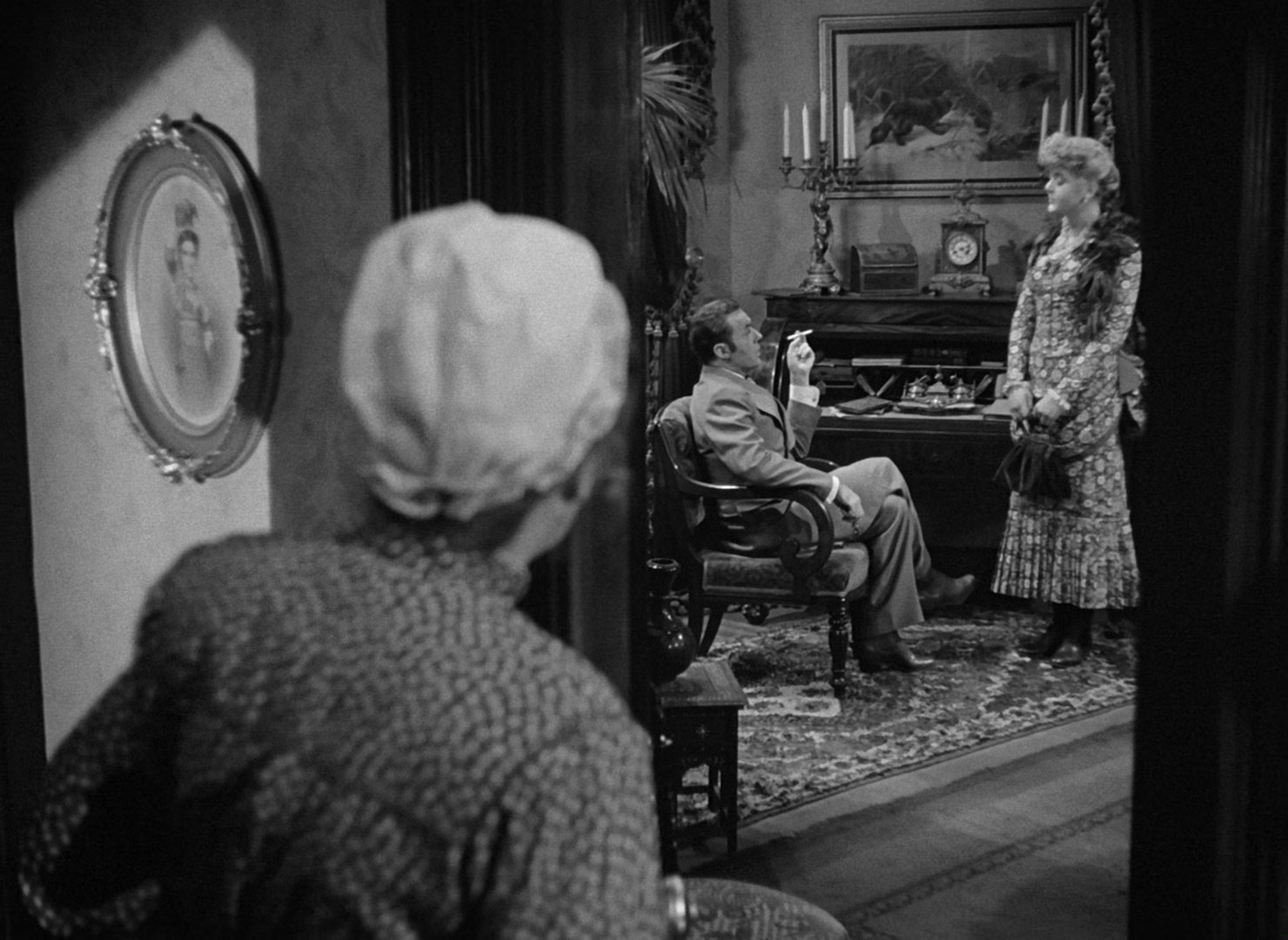
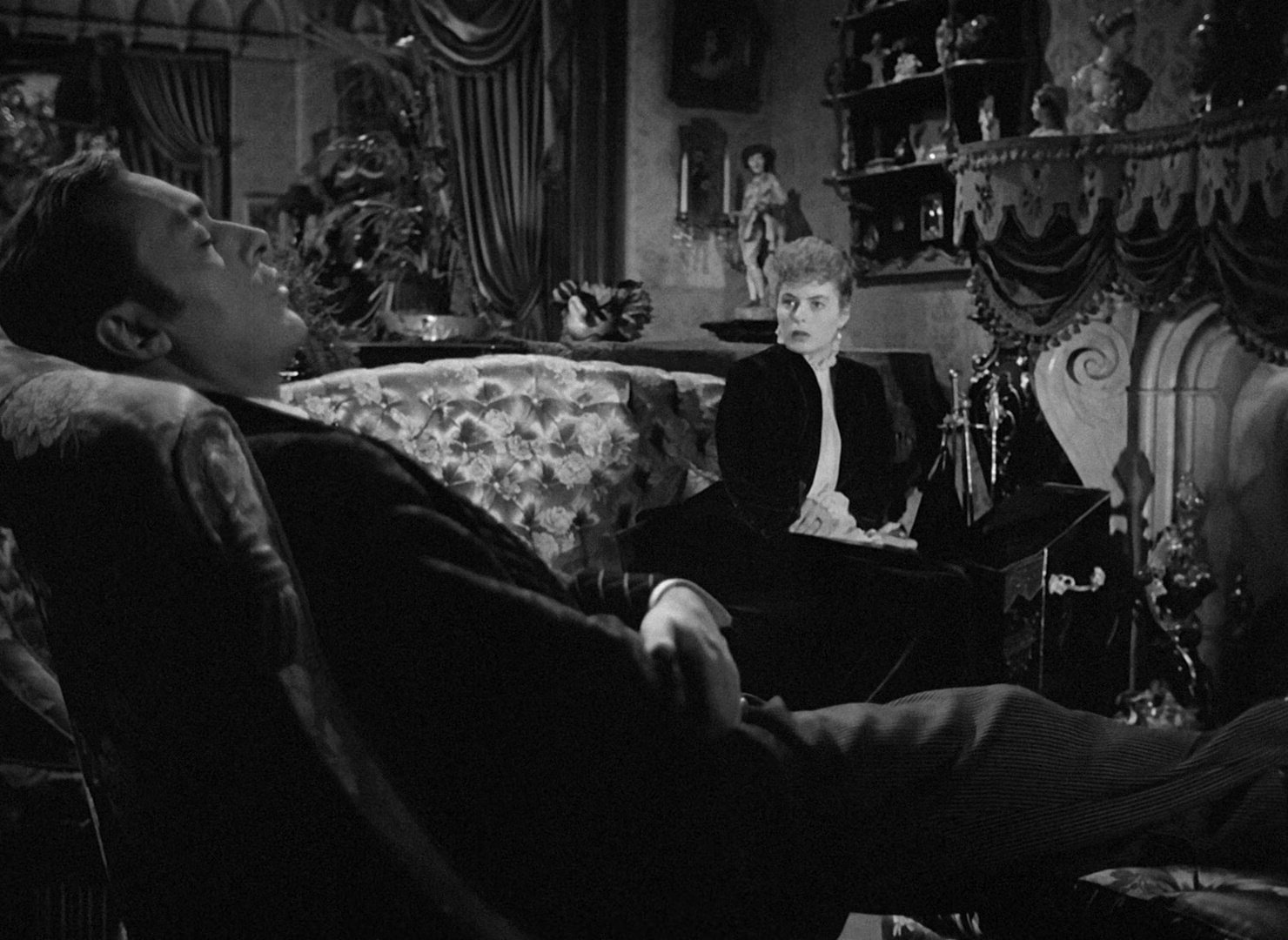
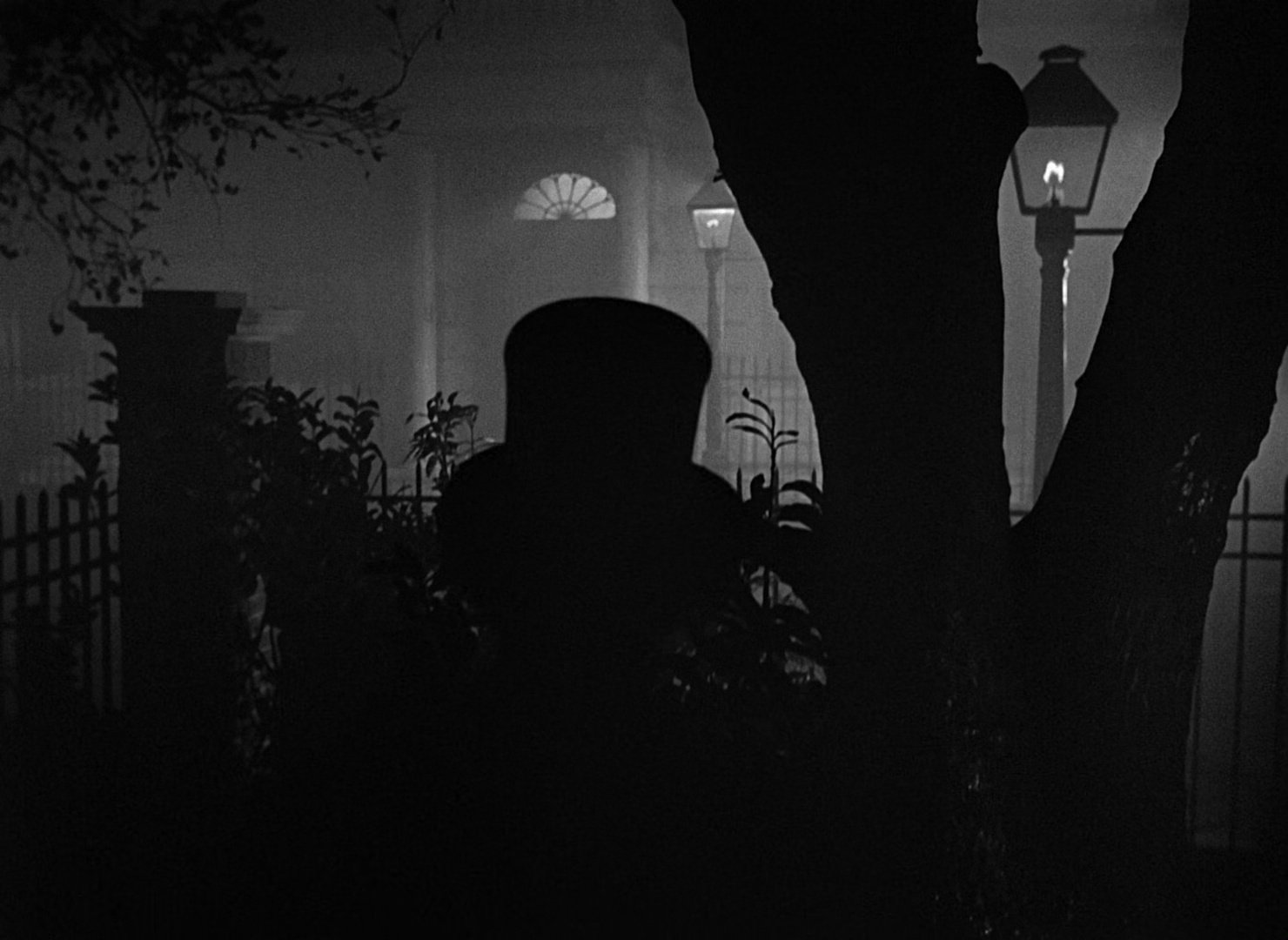
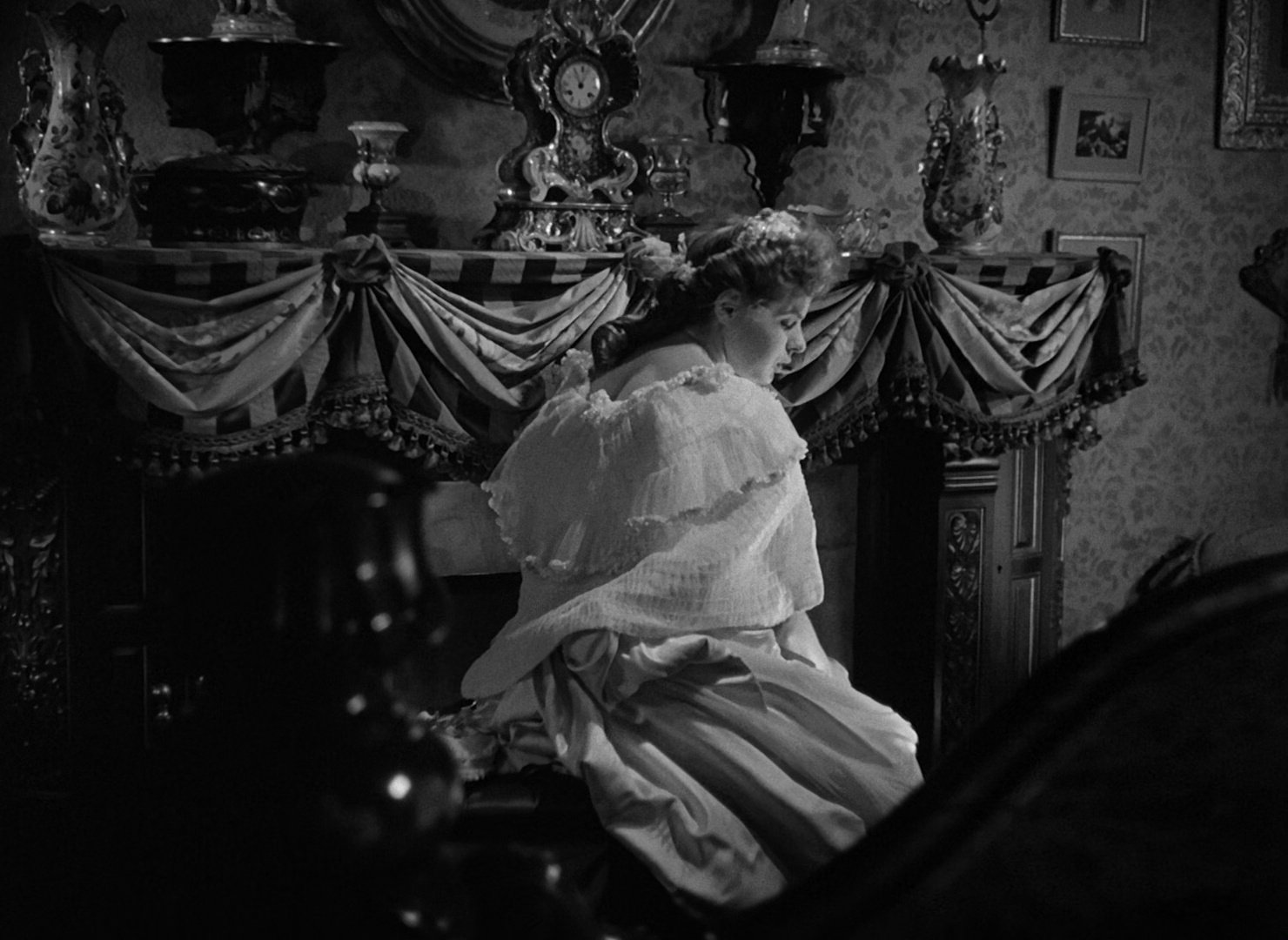
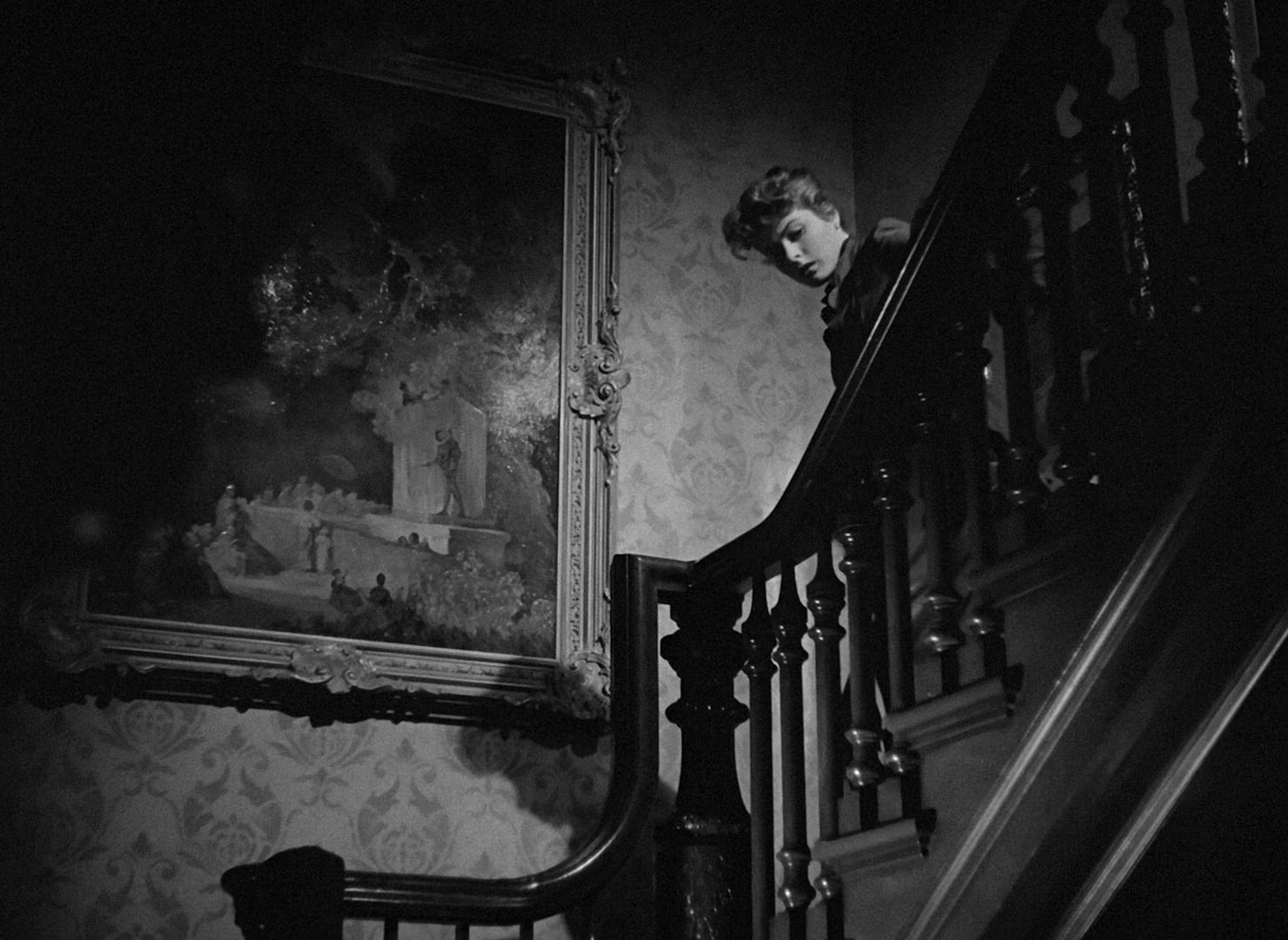
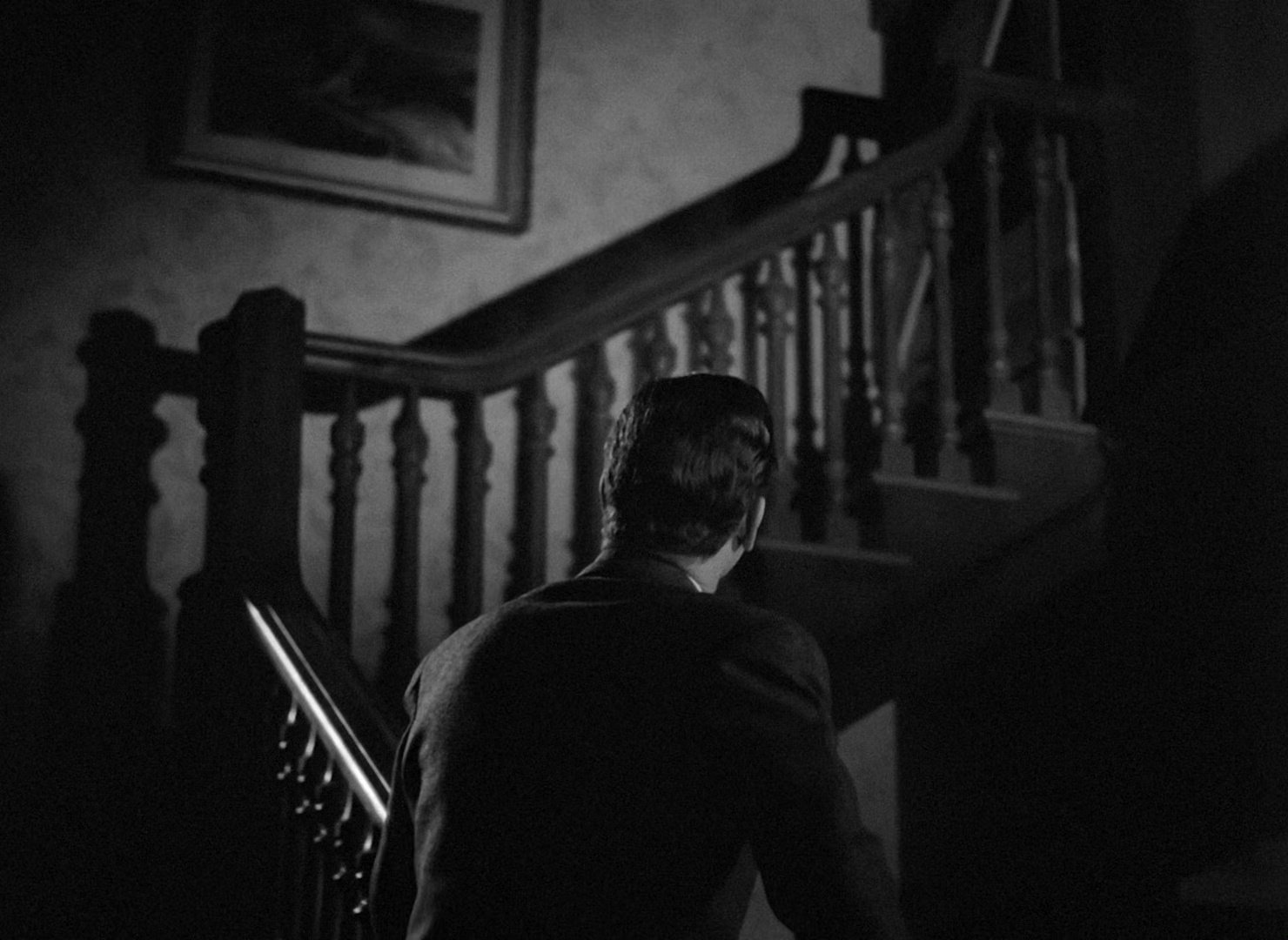
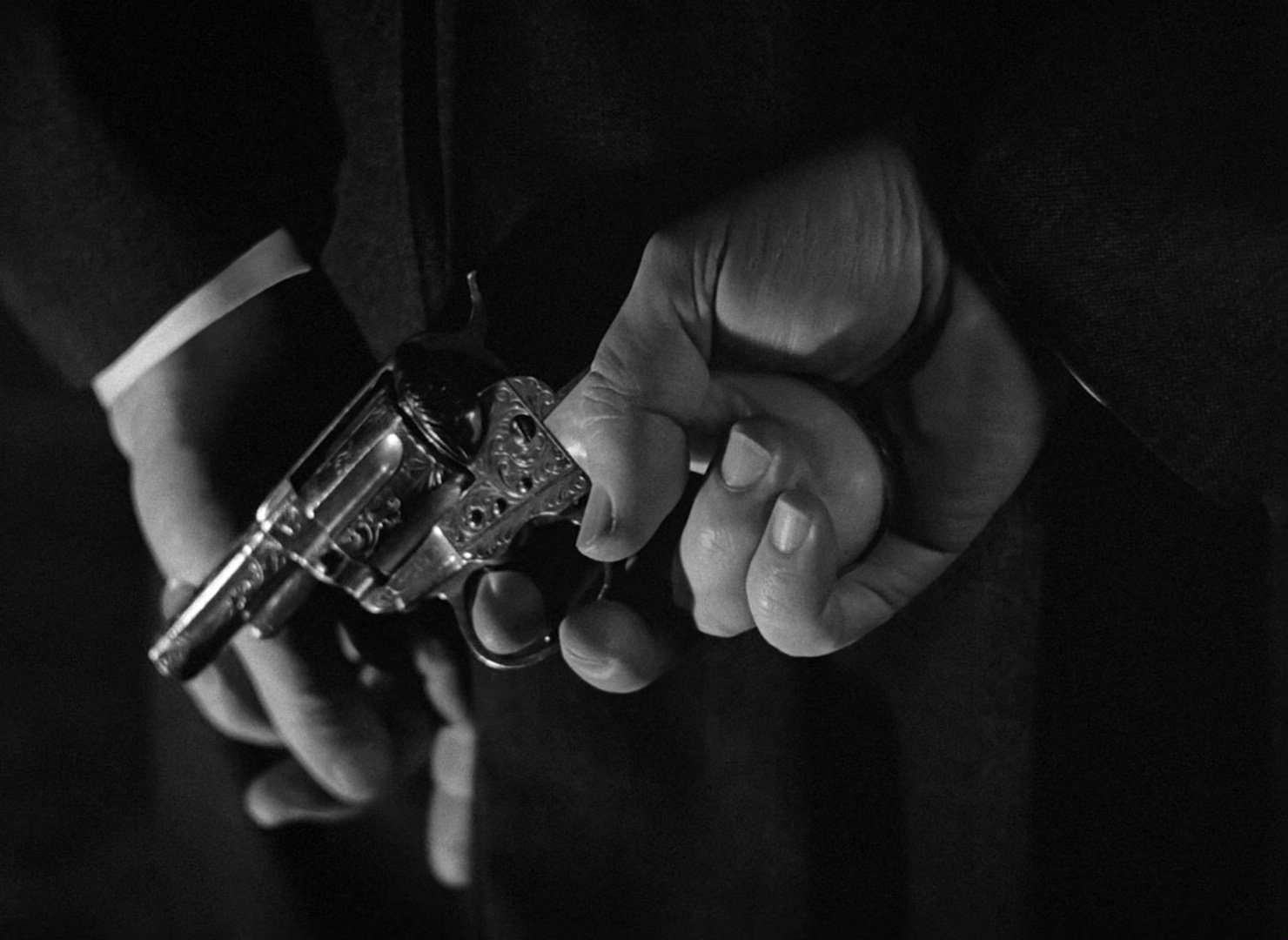
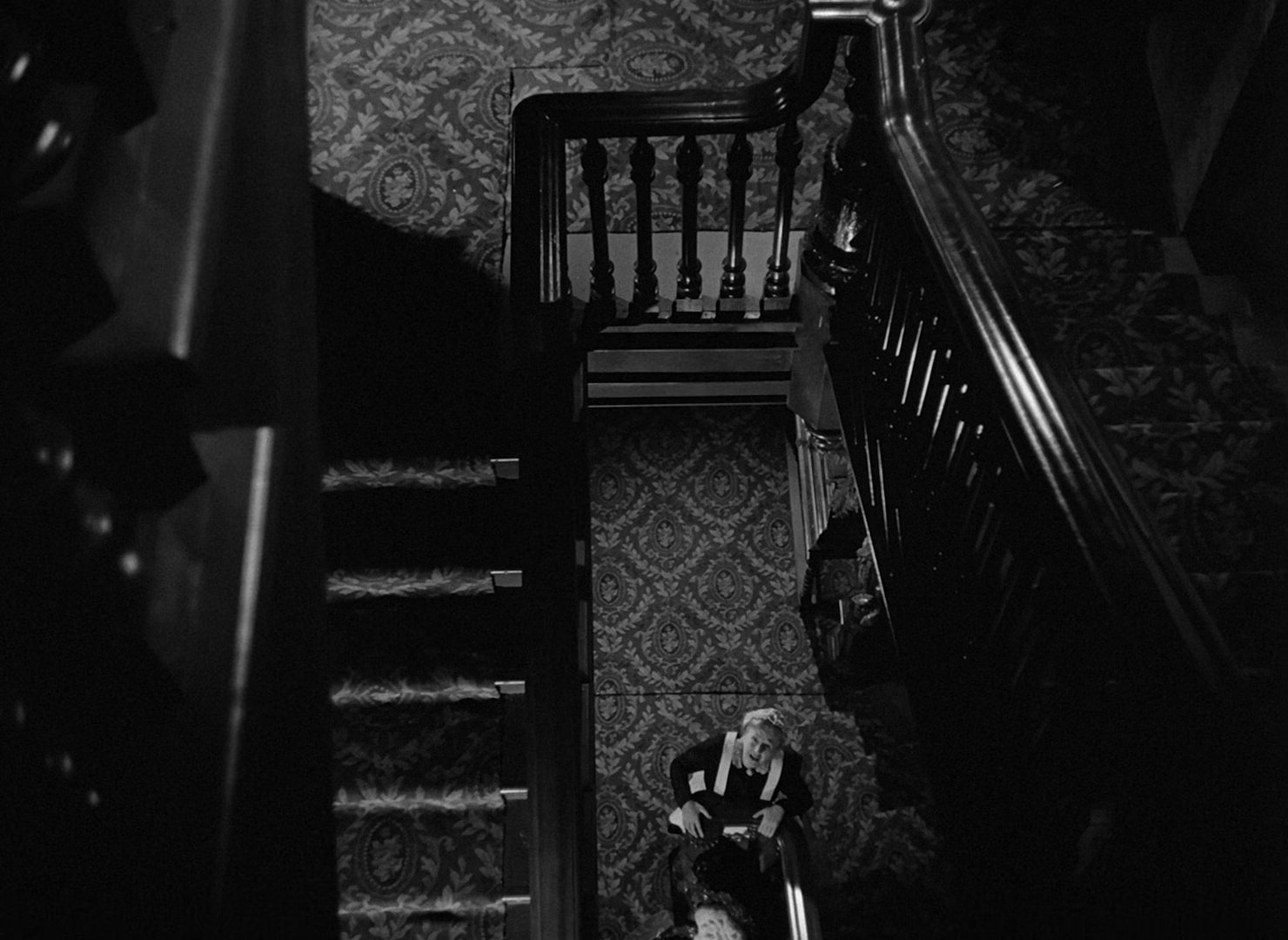
As a film centred on psychological manipulation, it has become a reference point. Focusing on the husband’s constant lies to his wife, the film depicts the slow destruction of her confidence through confinement, repetition, and constant misdirection. The house plays a significant role in the story as it becomes a prison in which tension mounts. The lighting is just one trigger as minor changes accumulate to form a cloud of confusion.
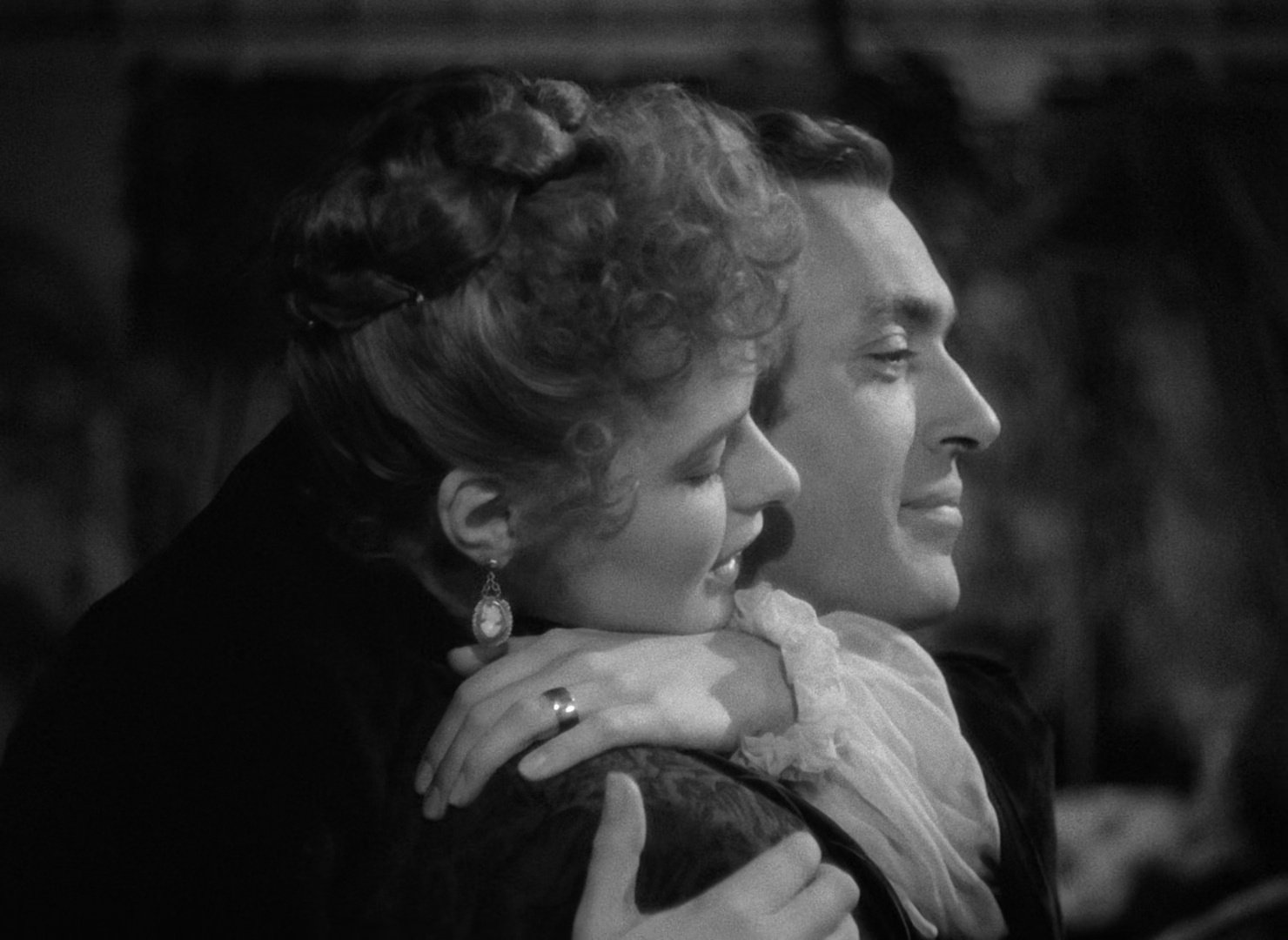
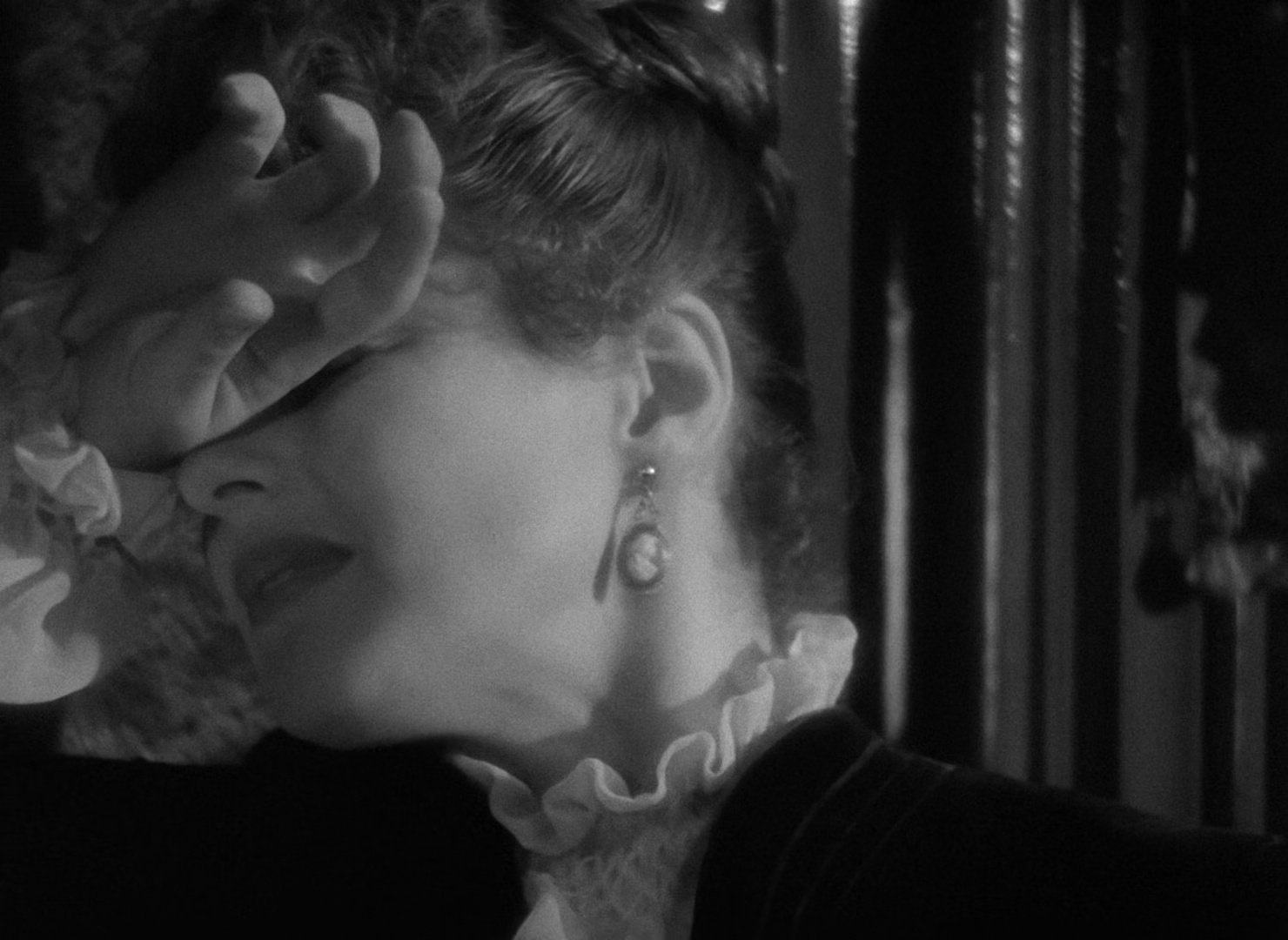
A classic Hollywood film from the 1940s, Gaslight is about domestic abuse through psychological manipulation more than it is a simple mystery. The film explores the mechanics of doubt and control within intimate relationships through atmosphere and performance.
Technical Specs:
- The Story: After moving into her late aunt’s London home with her new husband, a young woman begins to question her sanity as mysterious occurrences and psychological manipulation threaten to unravel her mind.
- Actors: Ingrid Bergman, Charles Boyer, Joseph Cotten, Angela Lansbury, Dame May Whitty, Barbara Everest.
- Director: George Cukor
- Year: 1944
- Cinematographer: Joseph Ruttenberg
- Origin: American Cinema
- Aspect Ratio: 1.37:1
- Genre: Psychological Drama