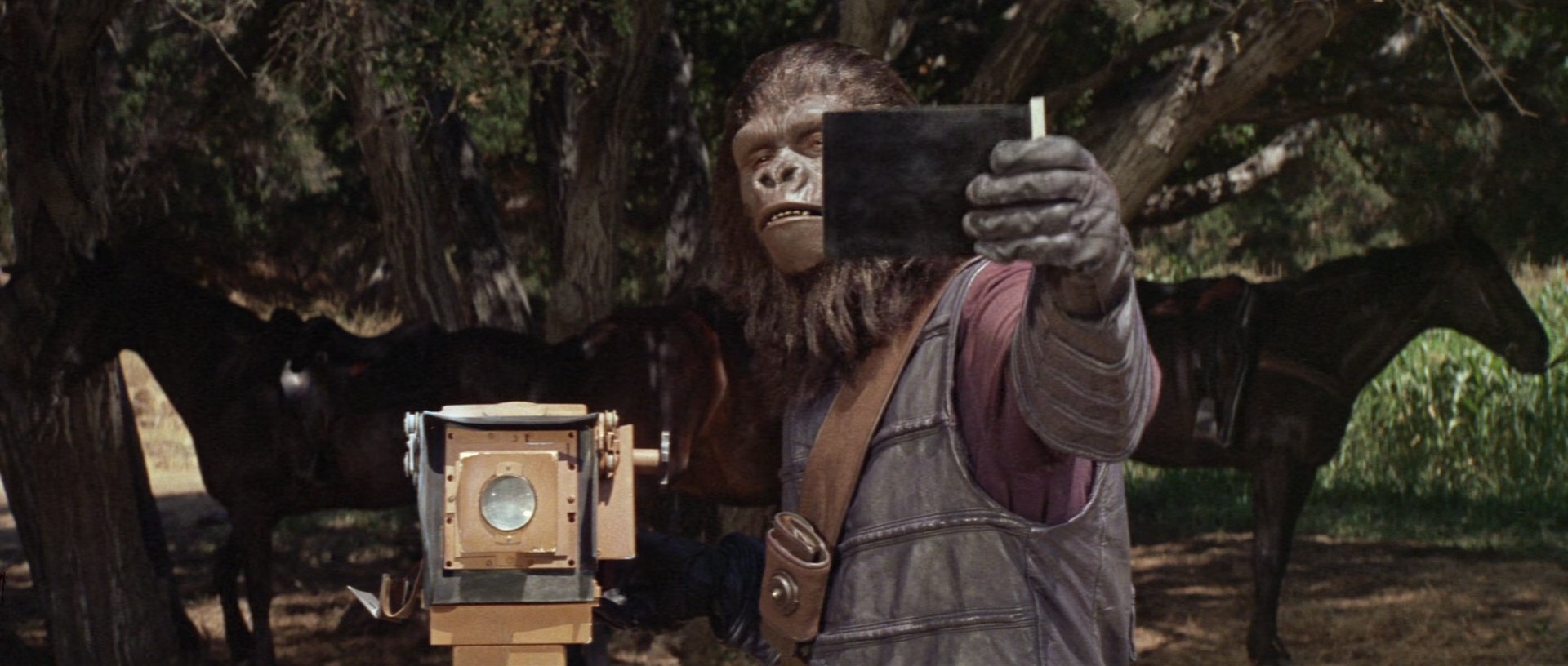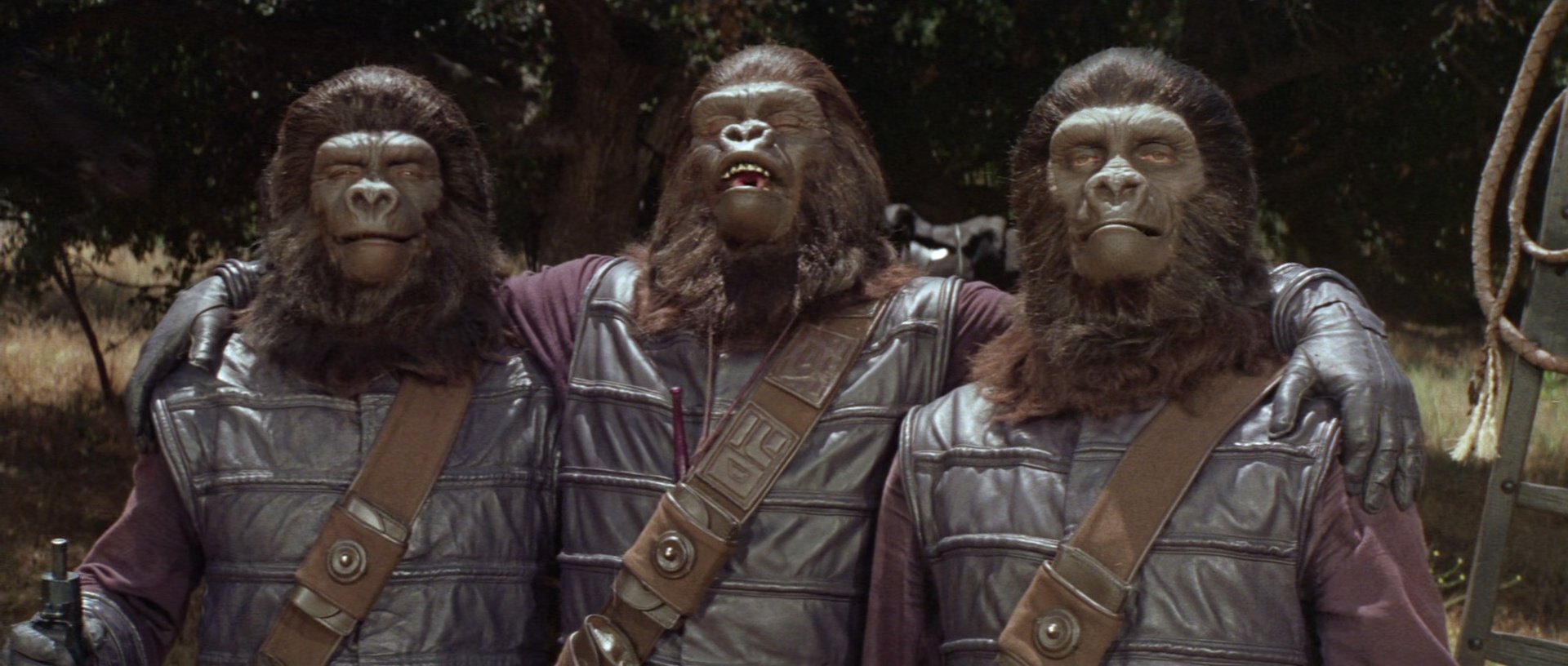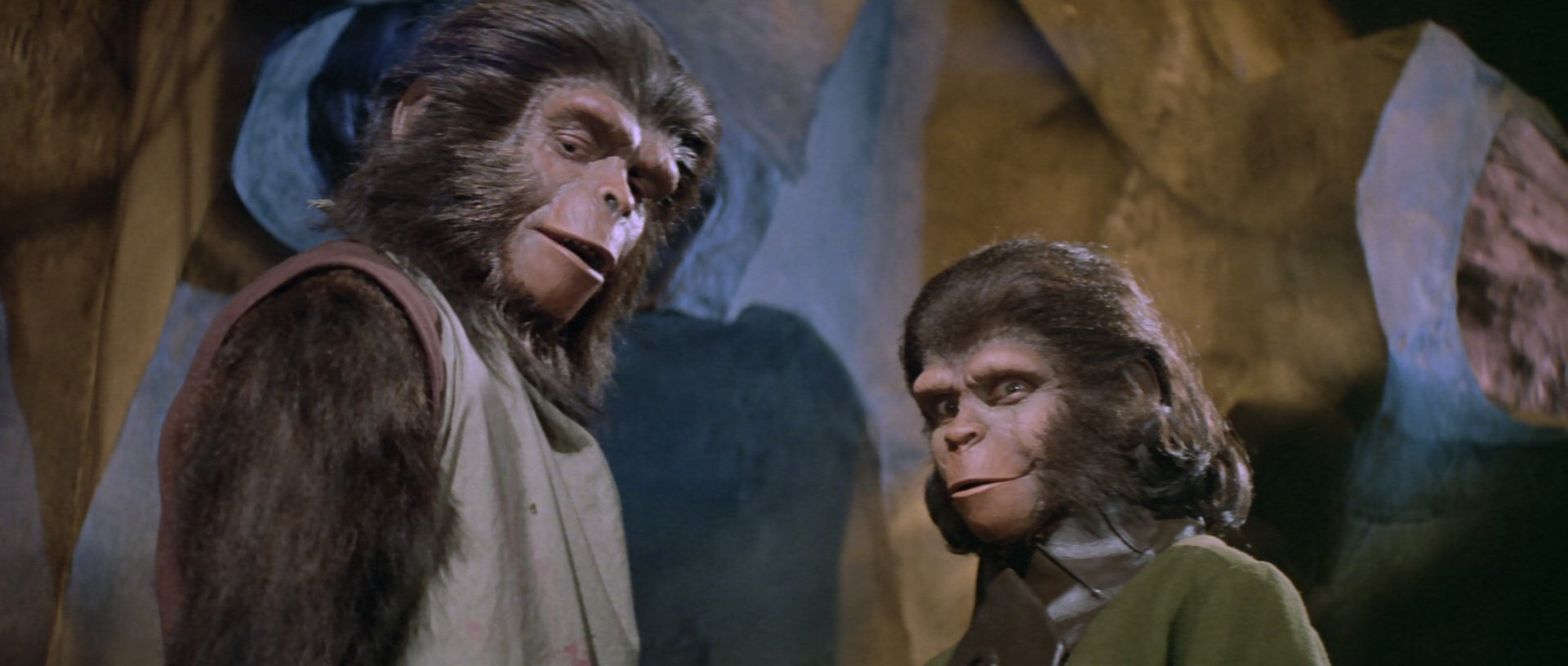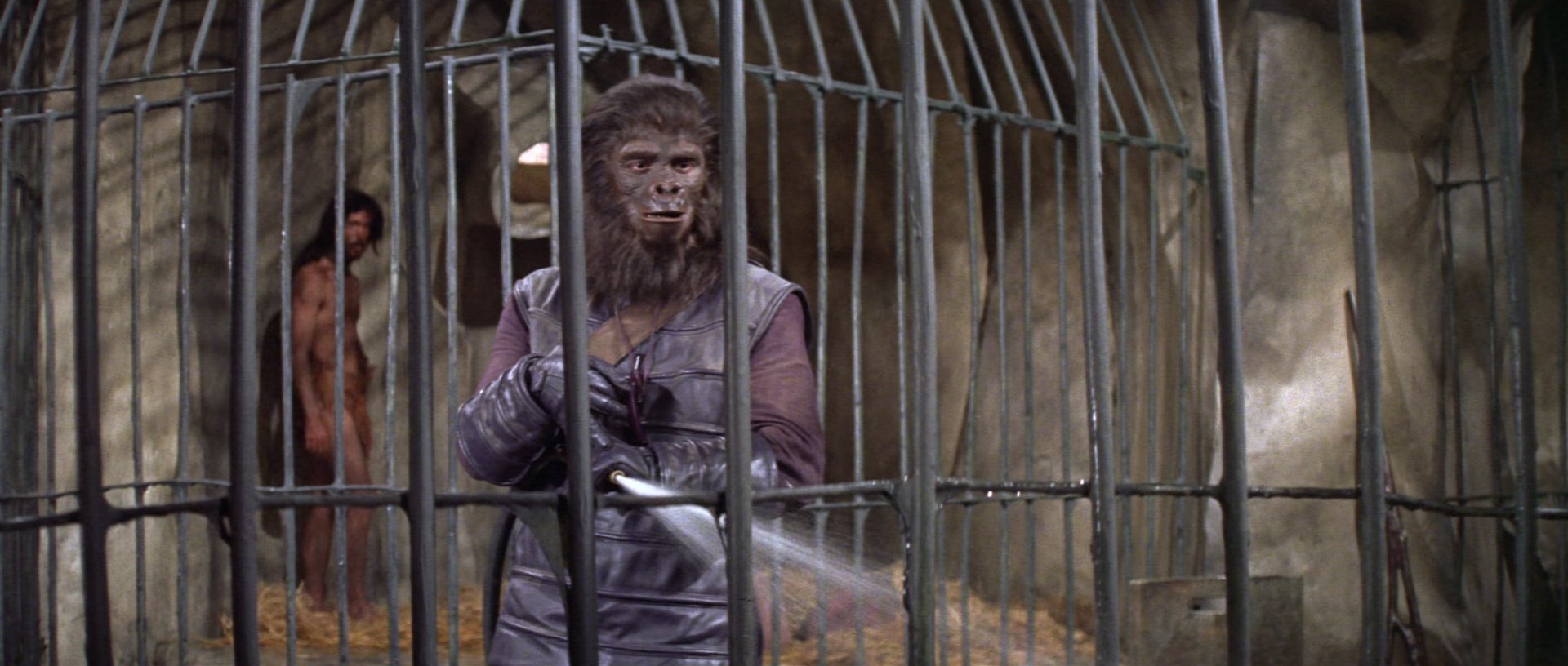
Planet of the Apes (1968): A true Sci-Fi classic
1968 • Franklin J. Schaffner • 2.35:1 • Jump to Gallery ↓
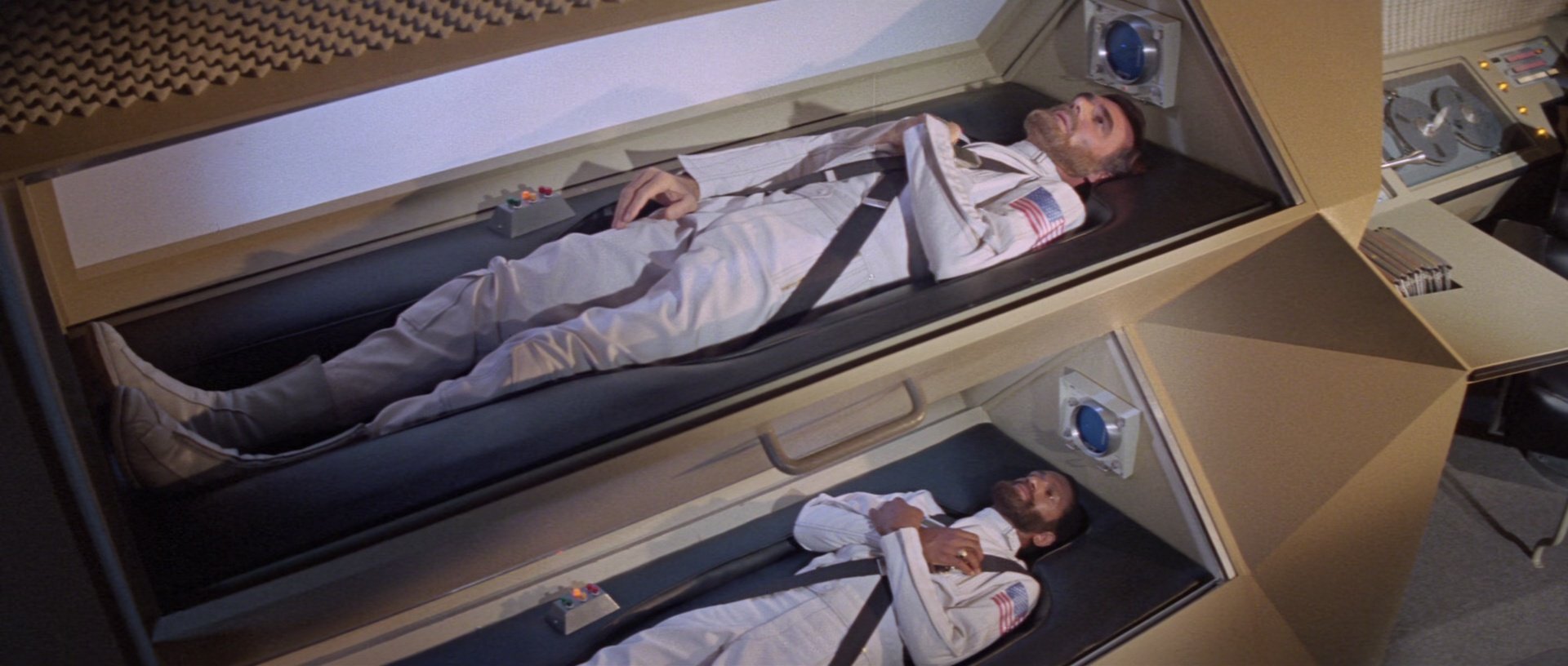
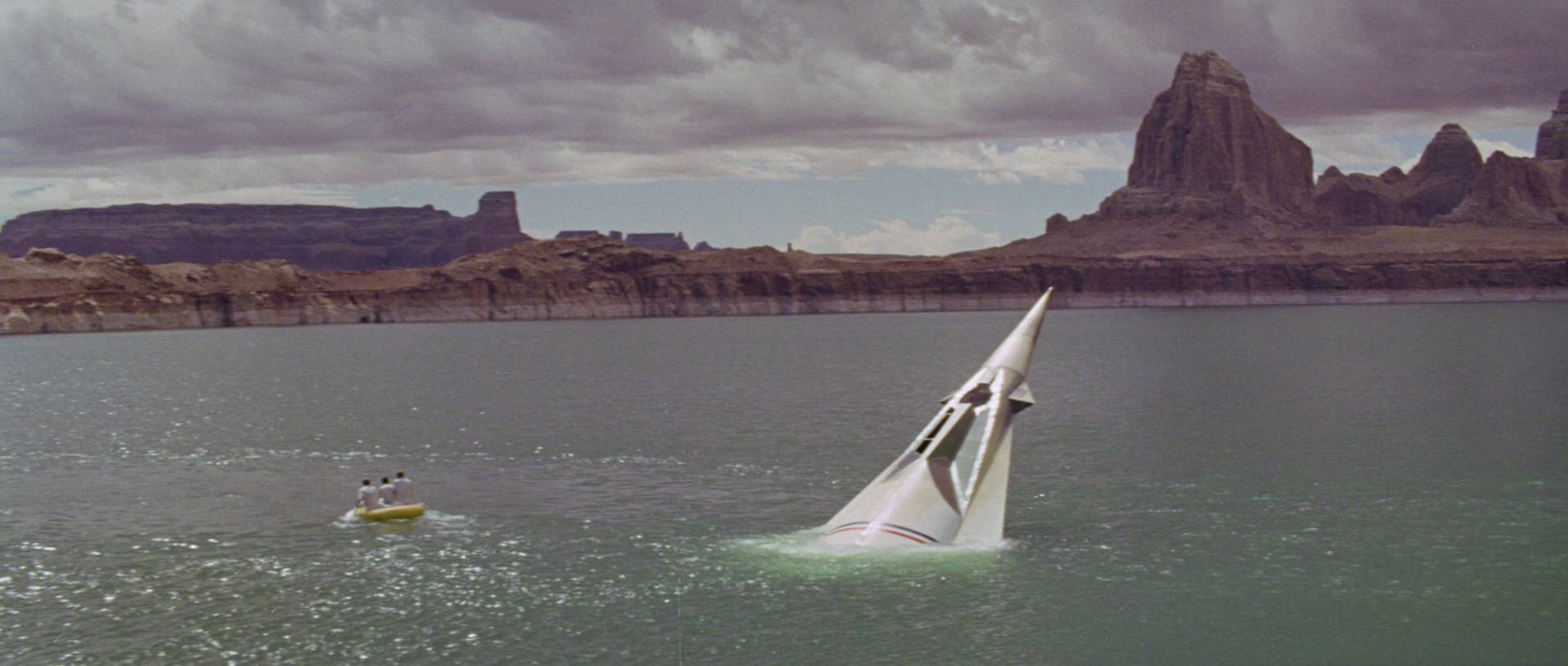
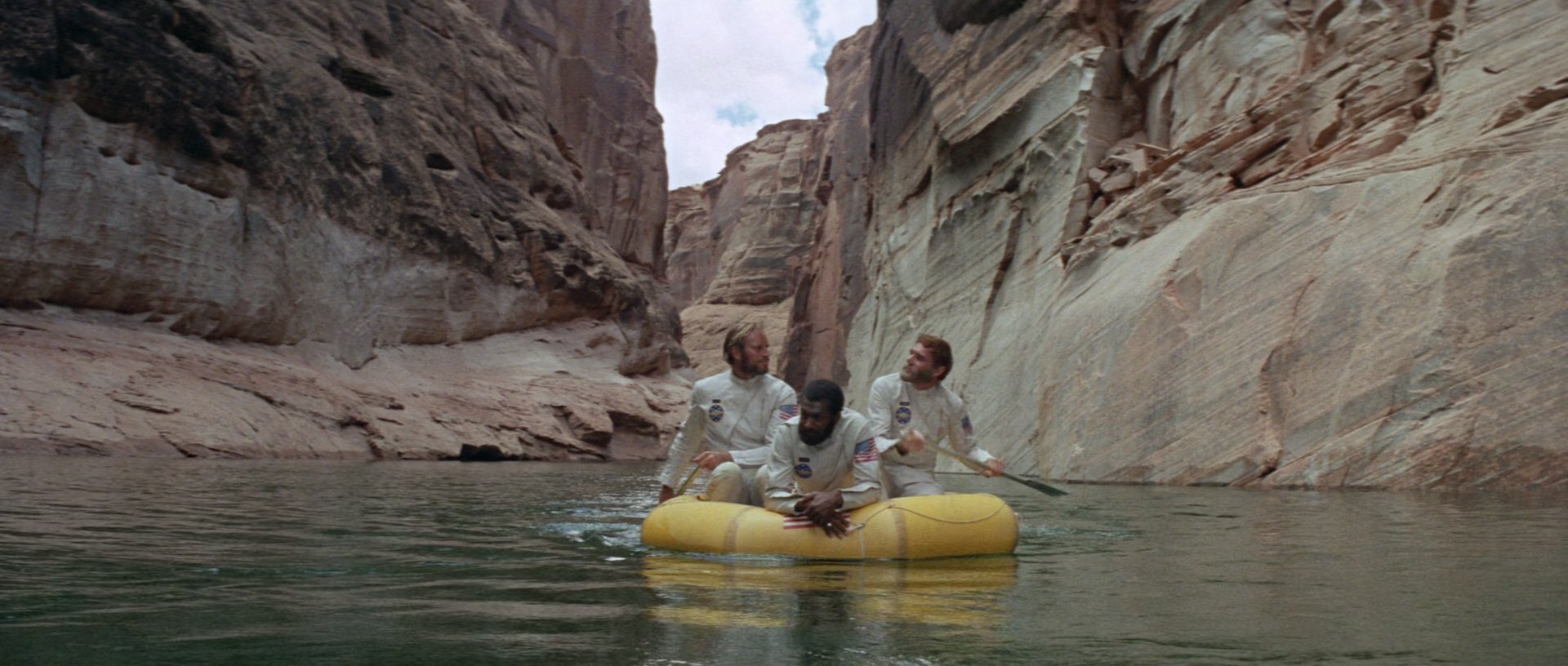
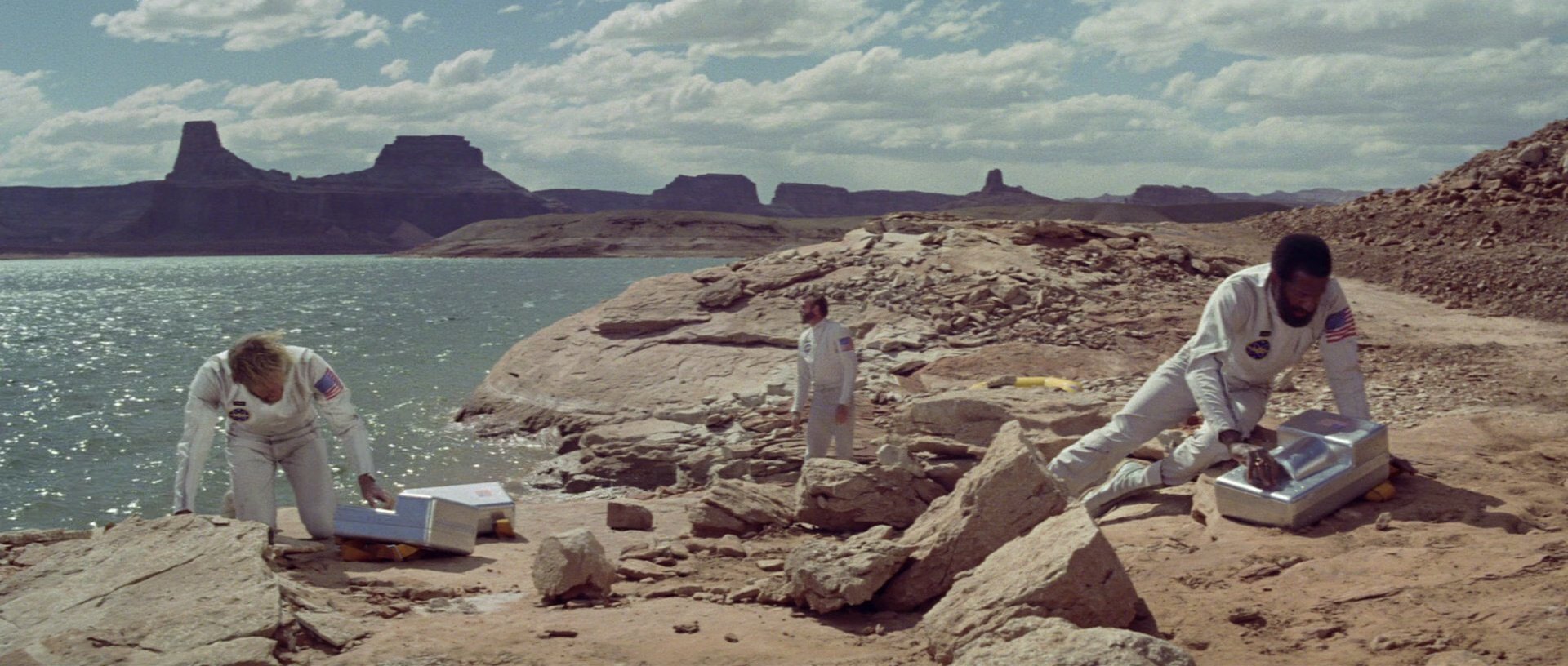
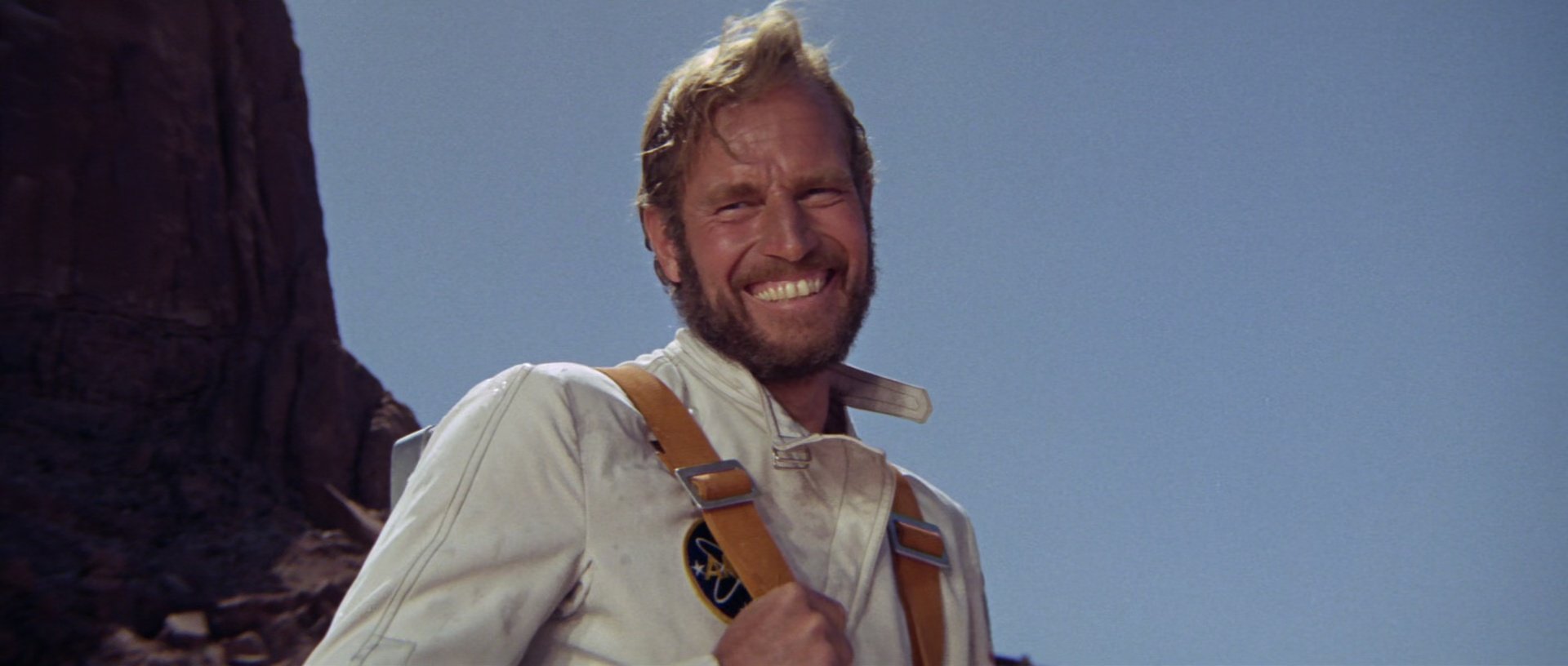
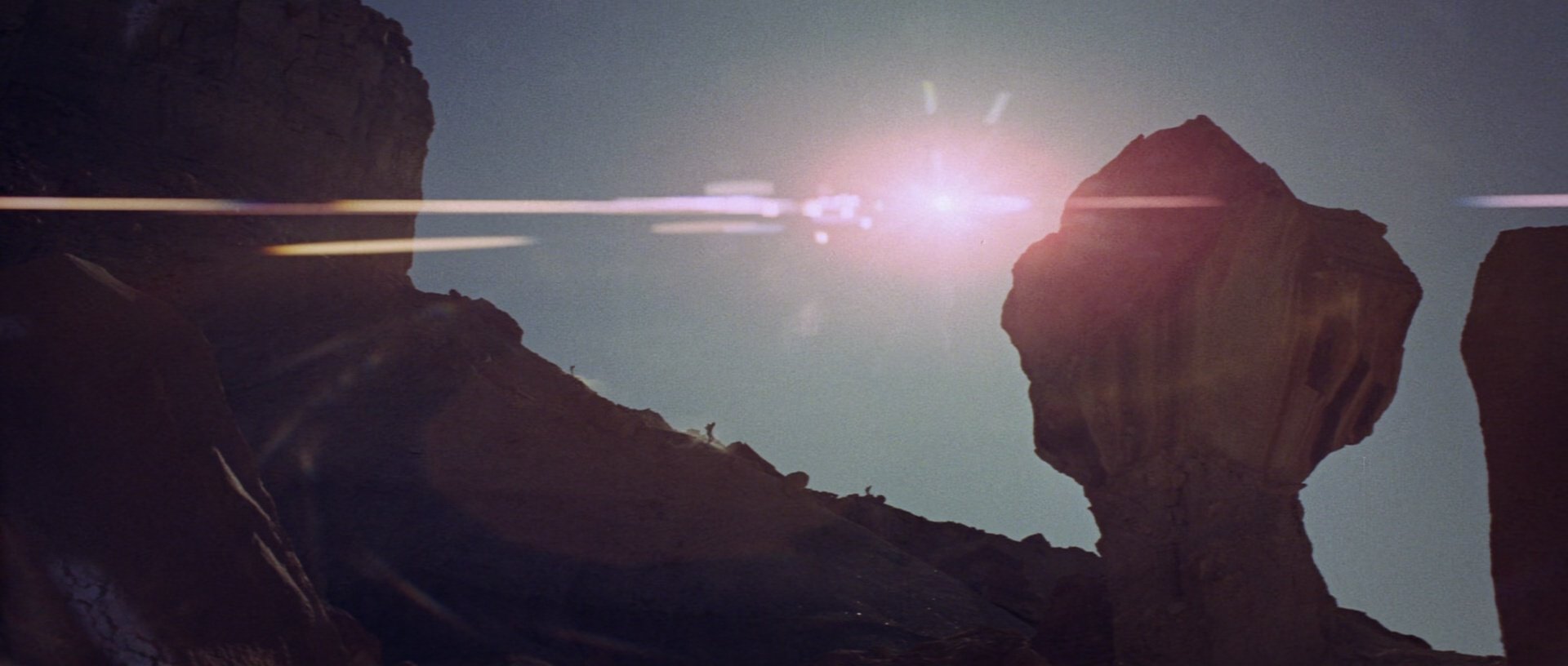
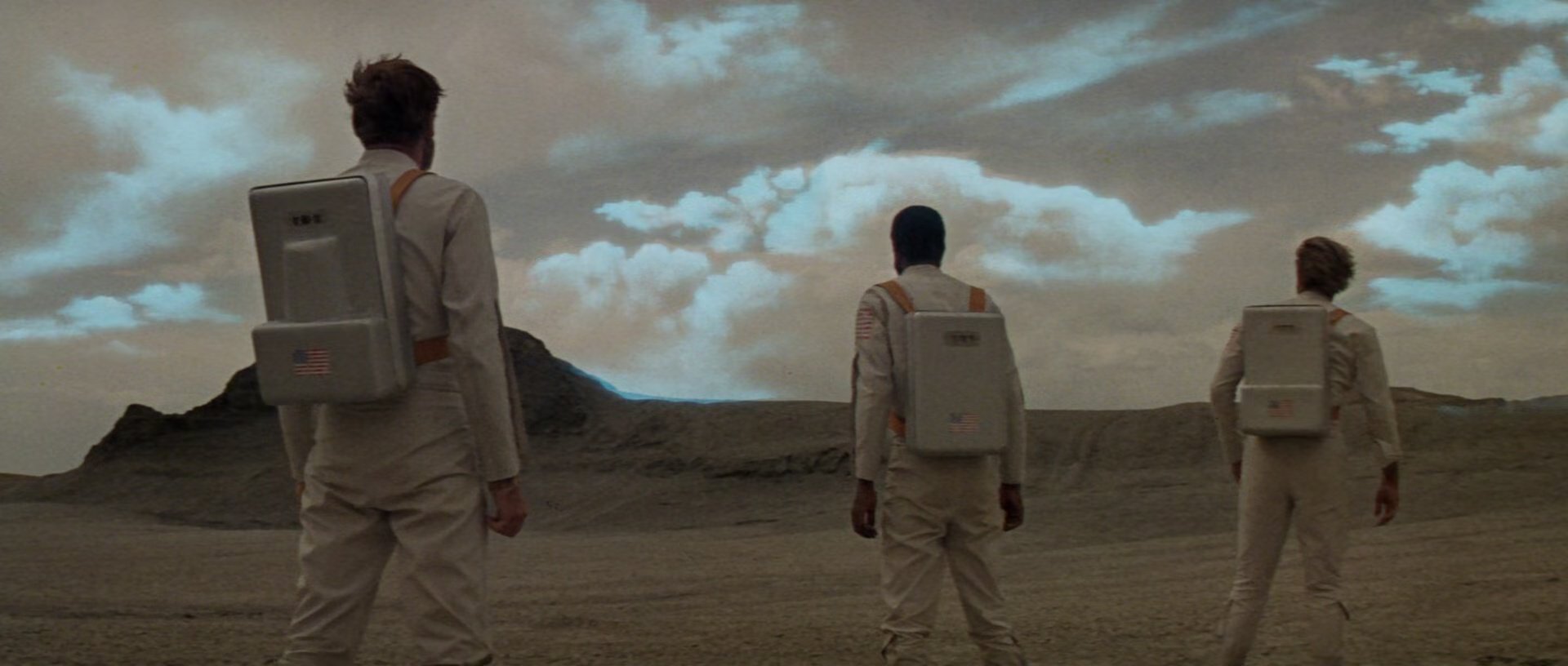
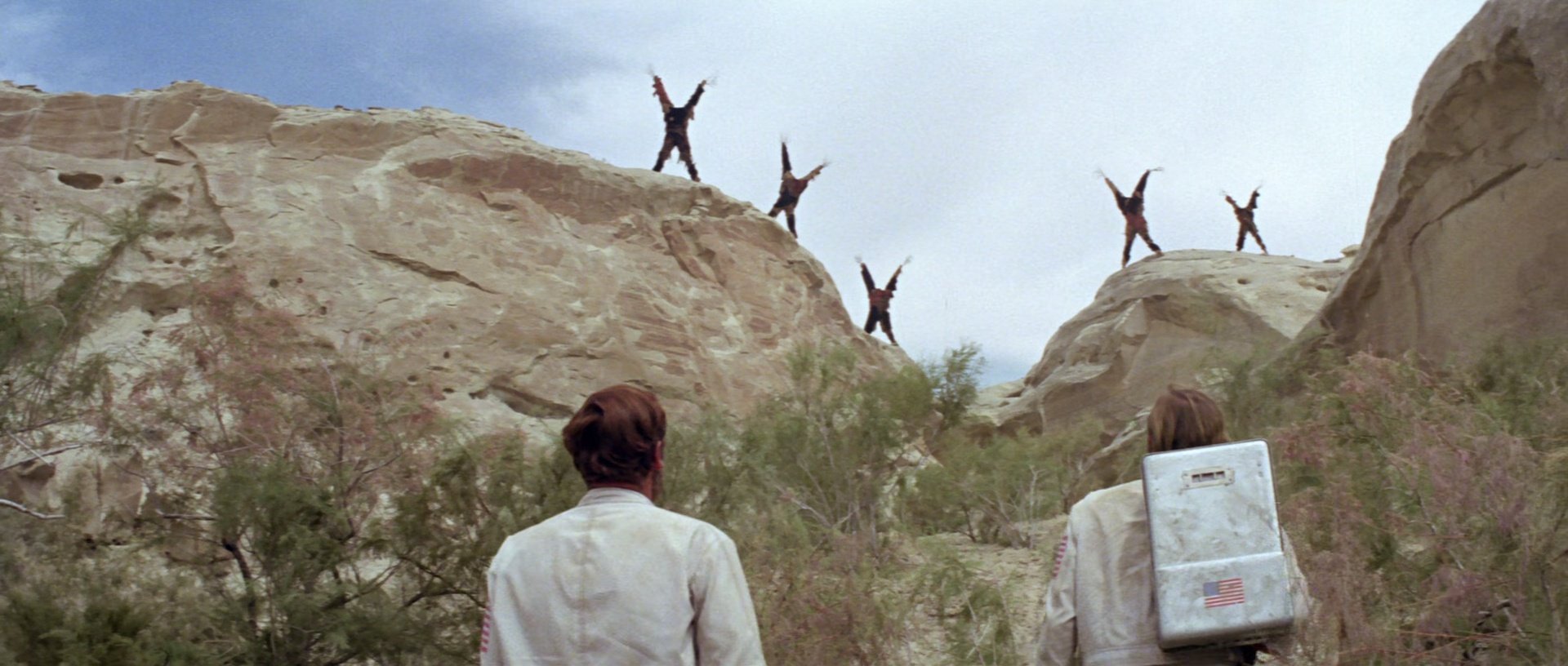
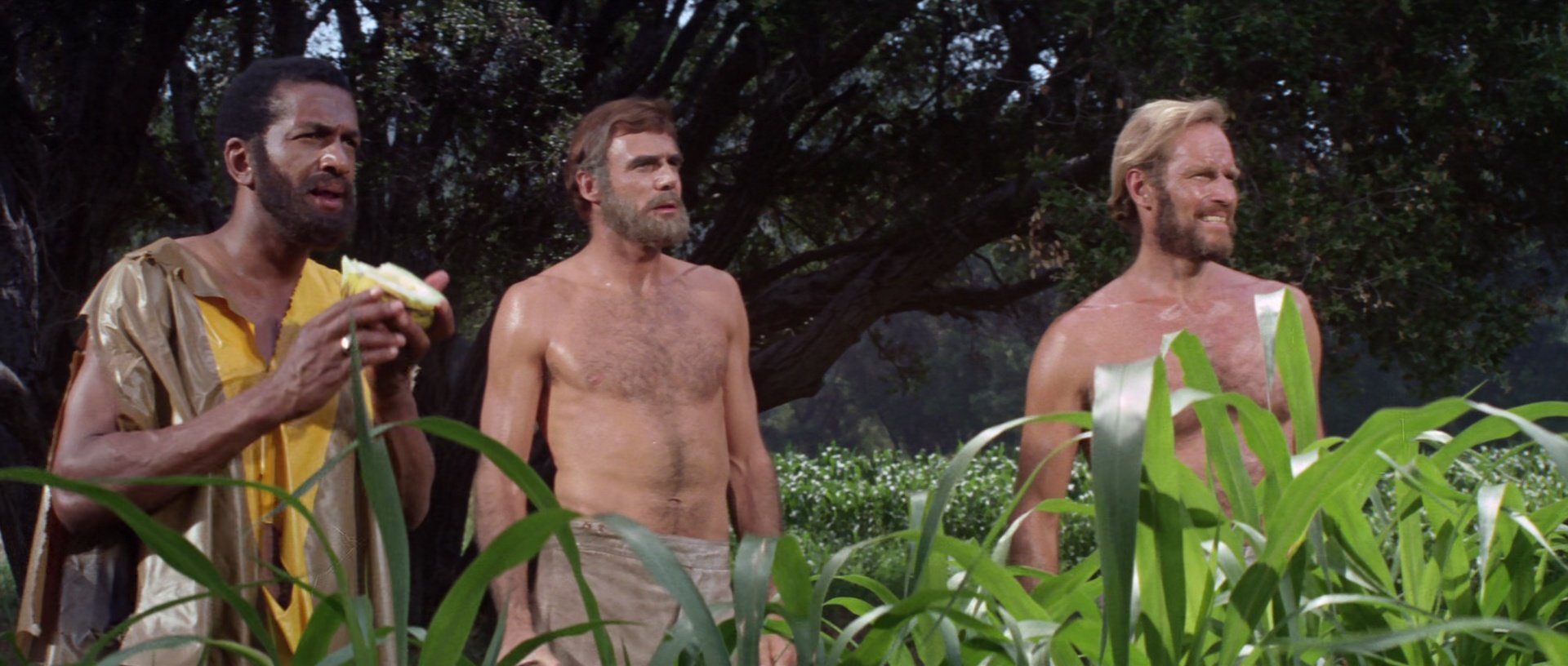
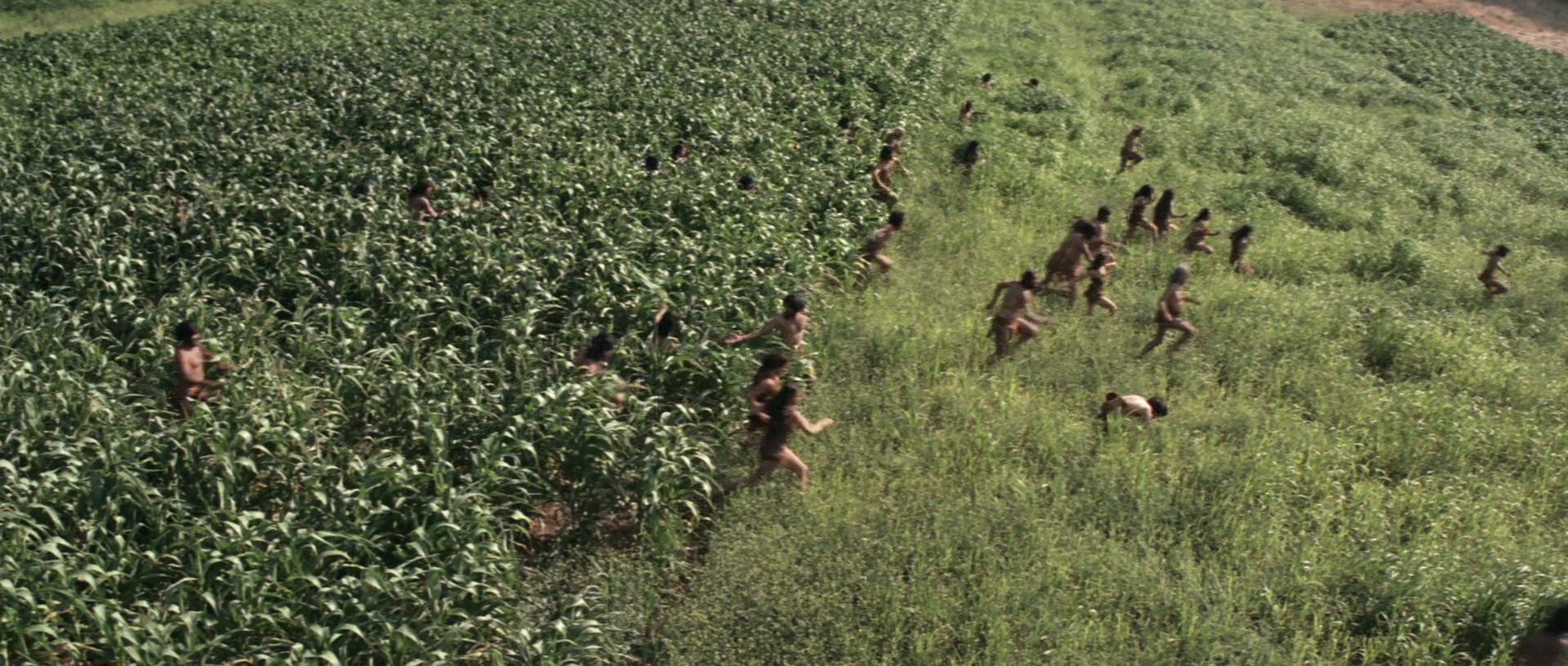
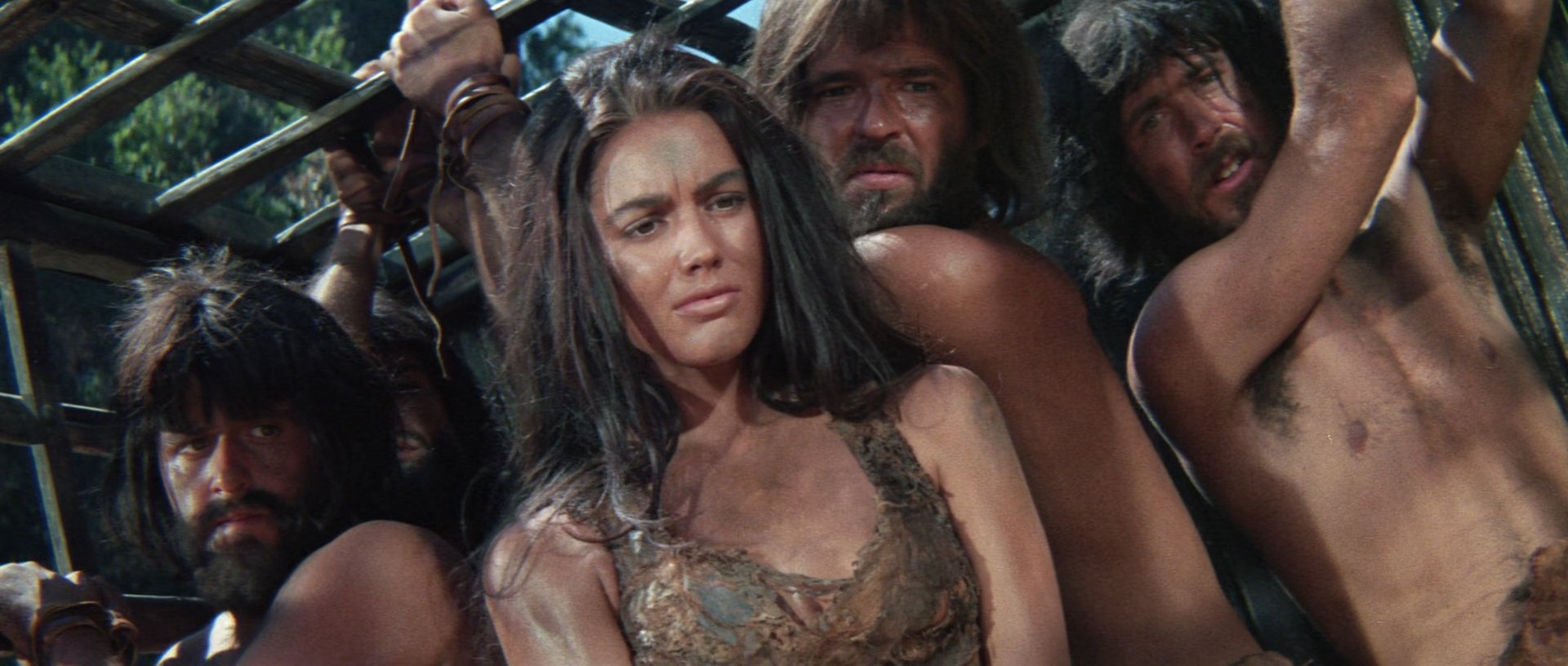
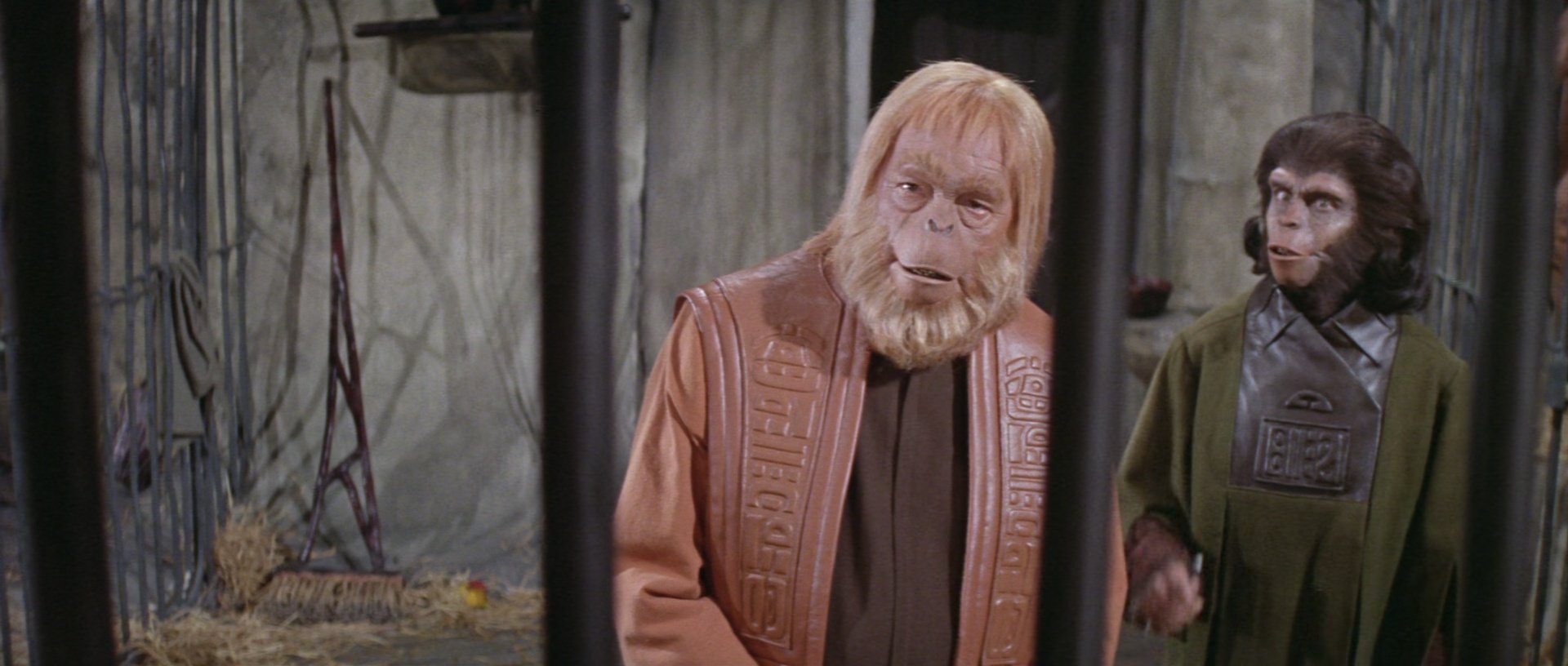
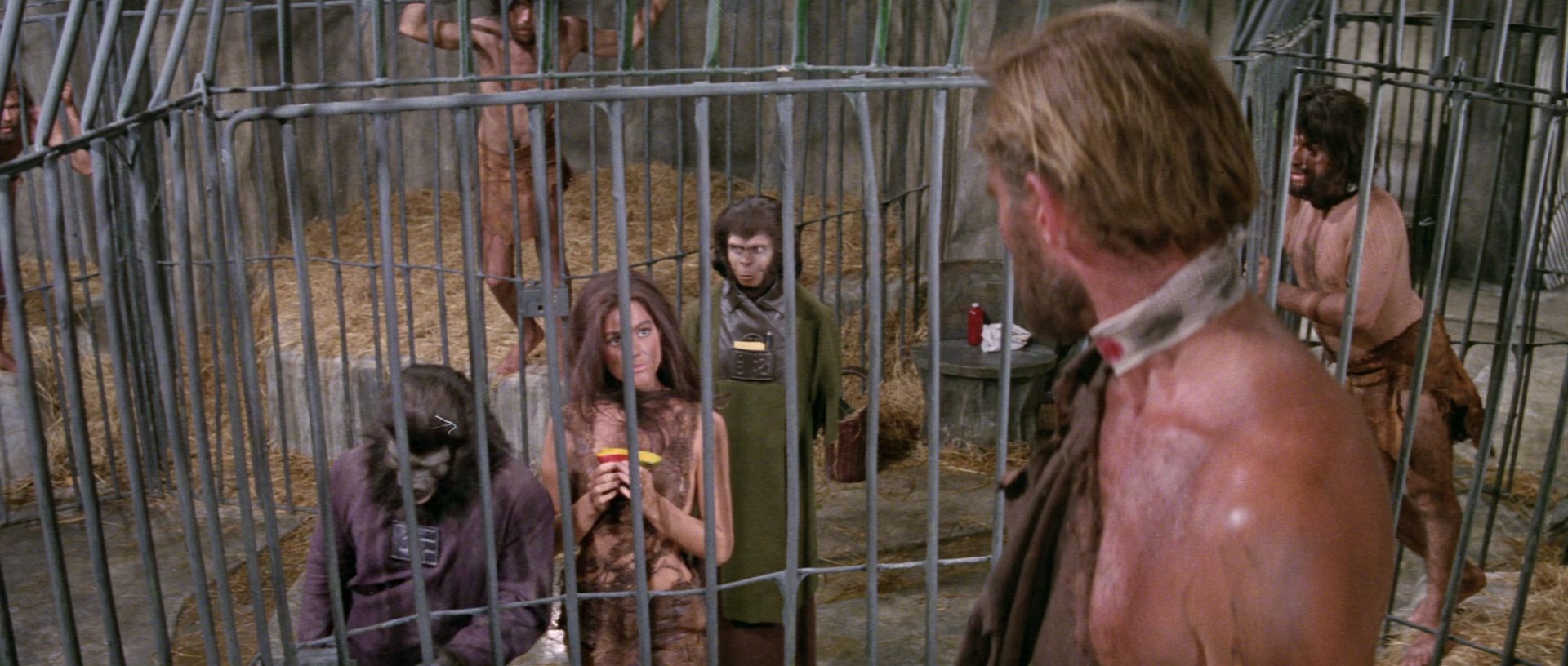
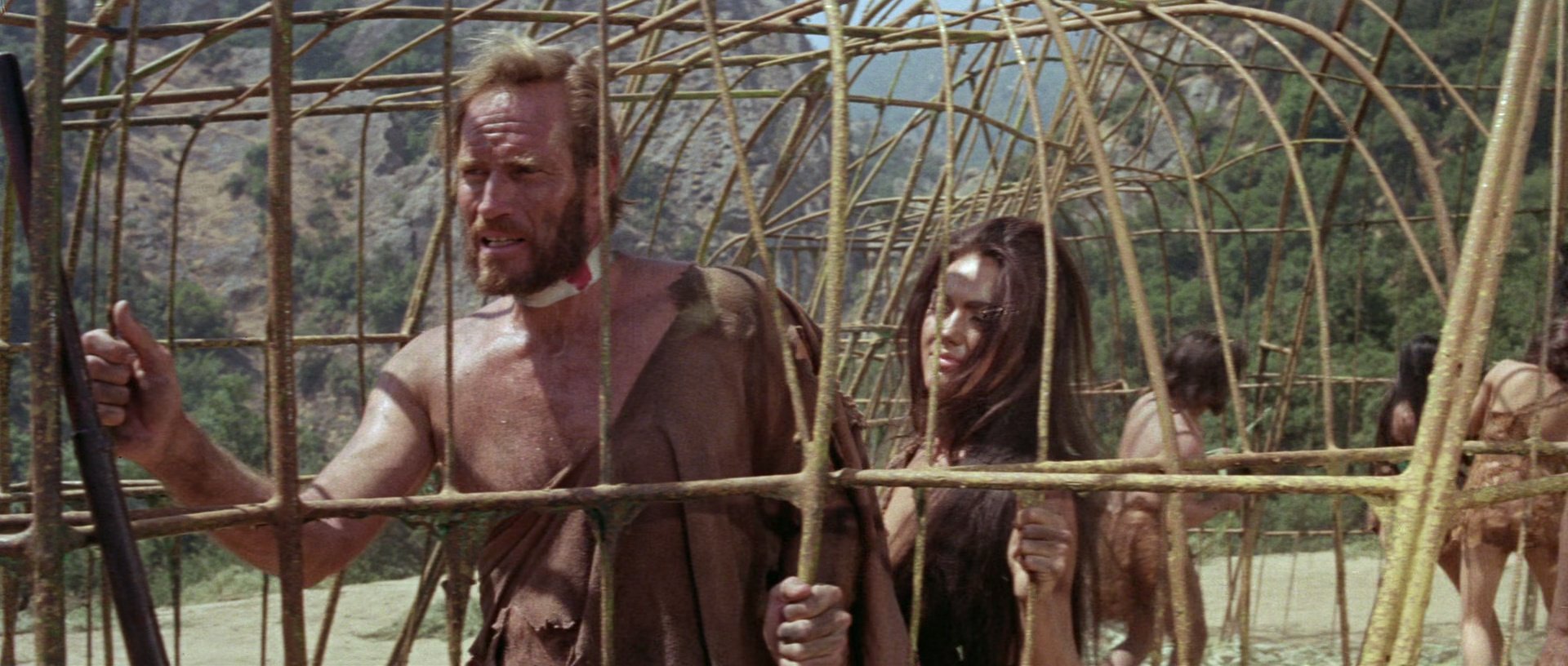
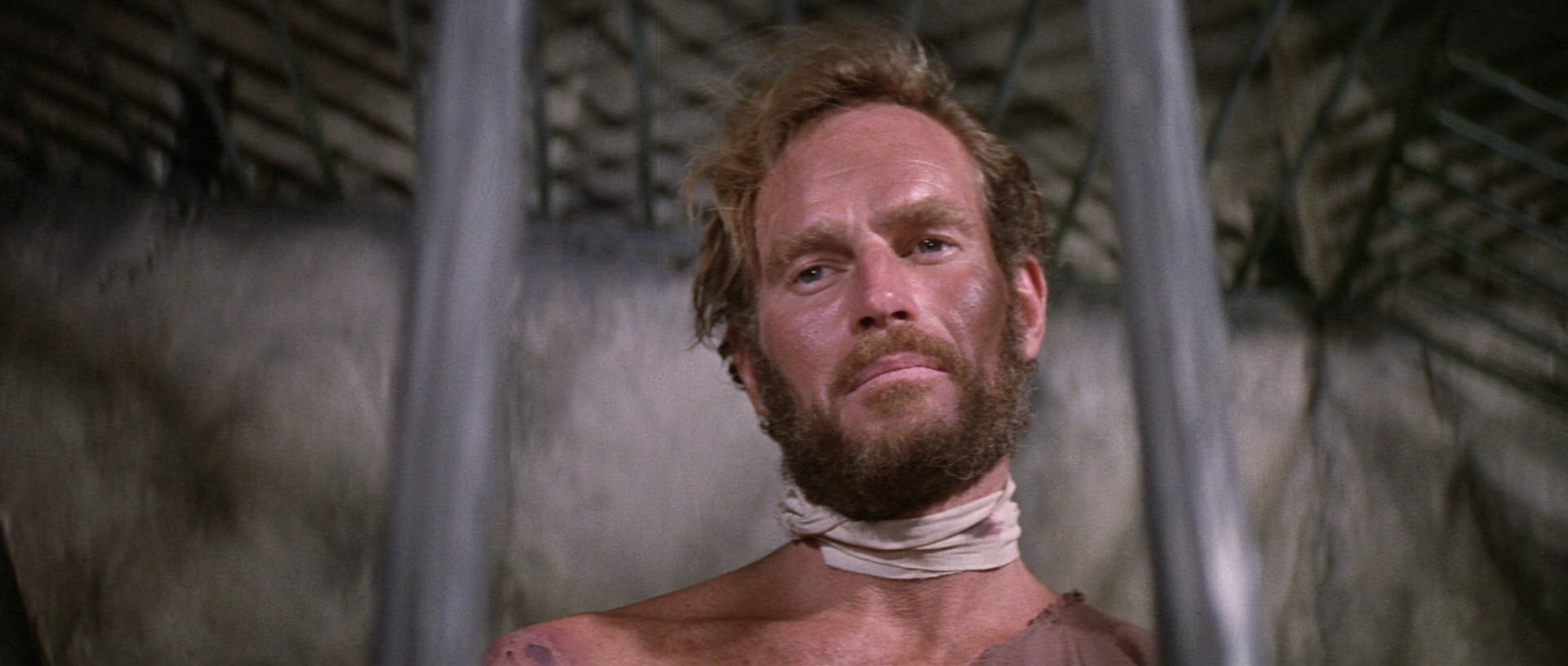
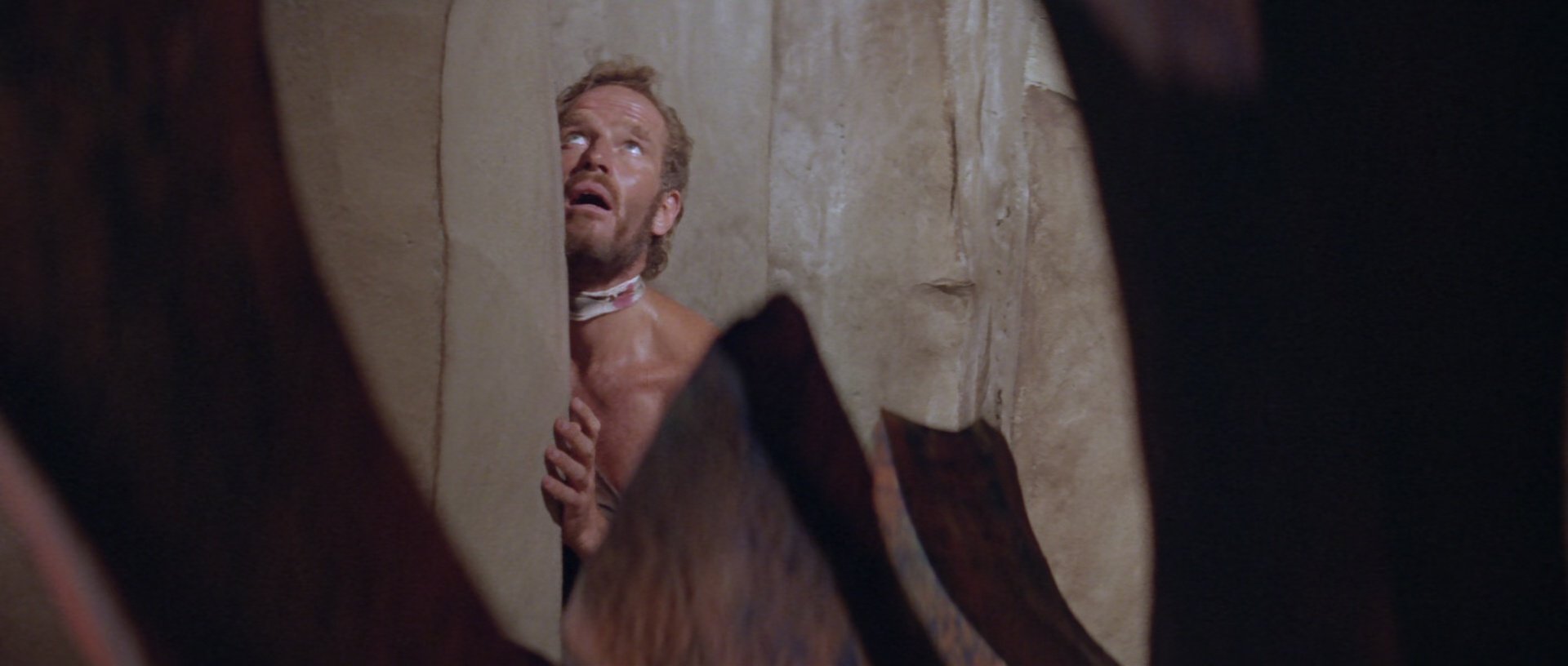
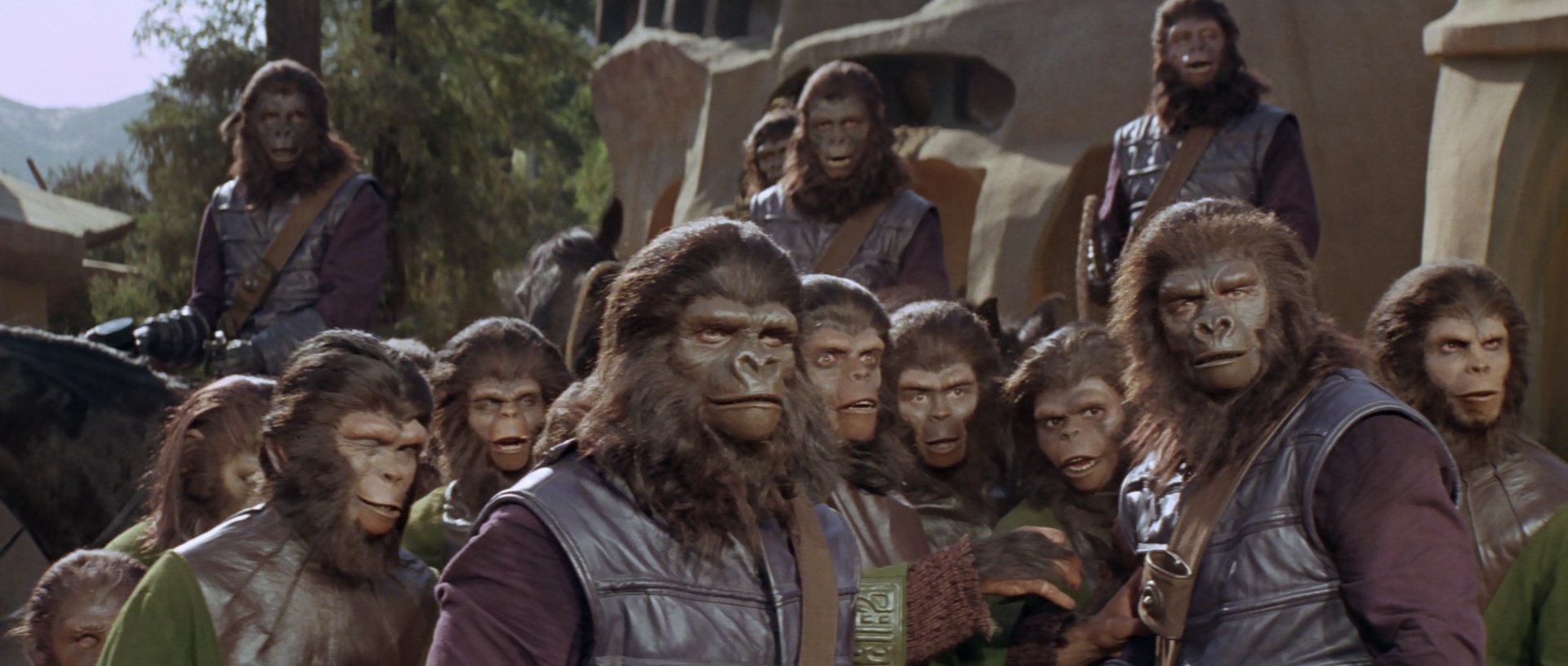
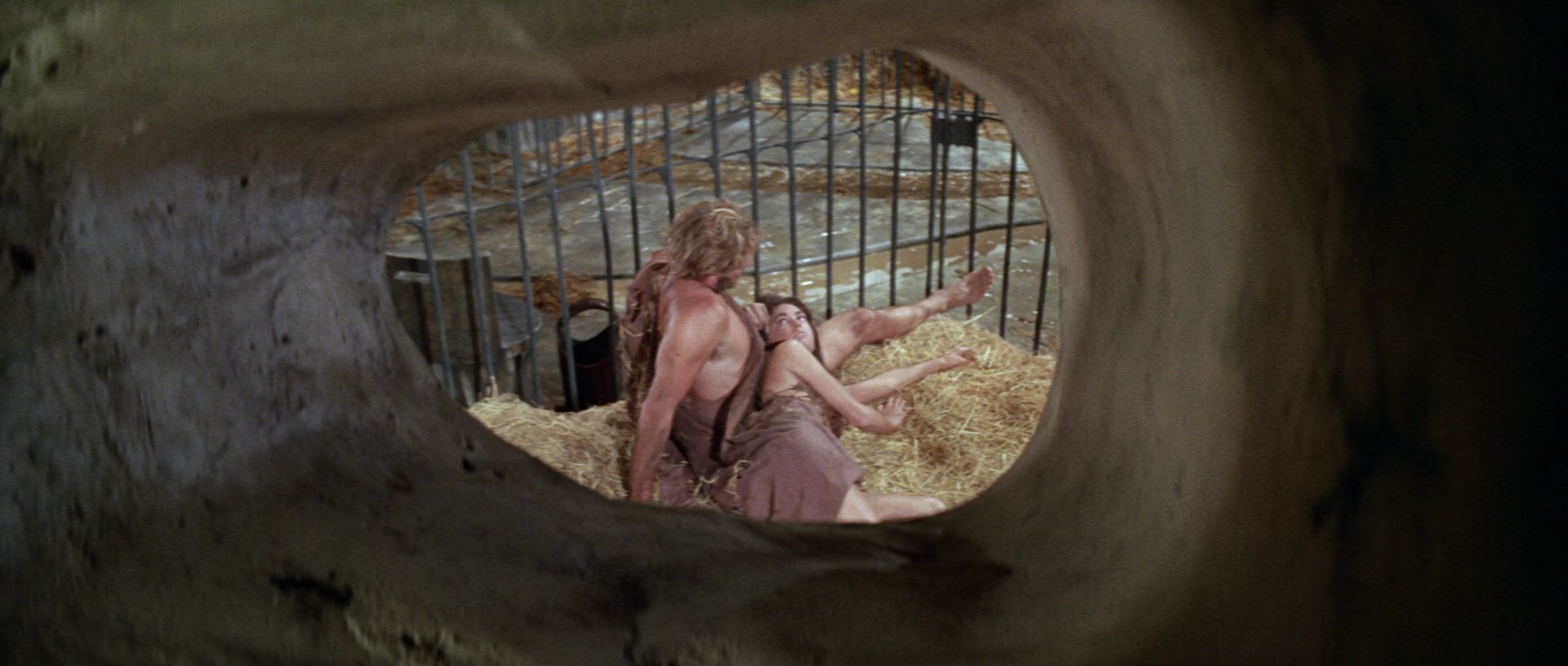
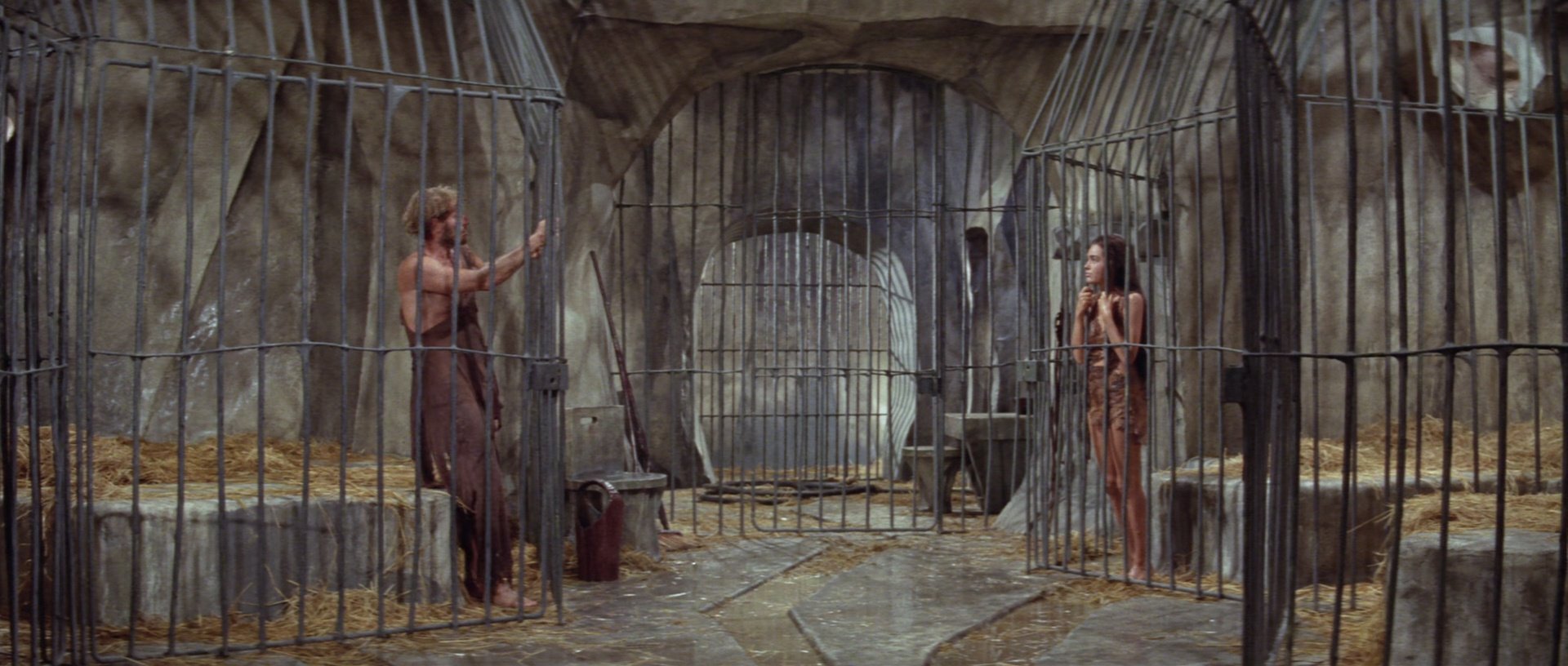
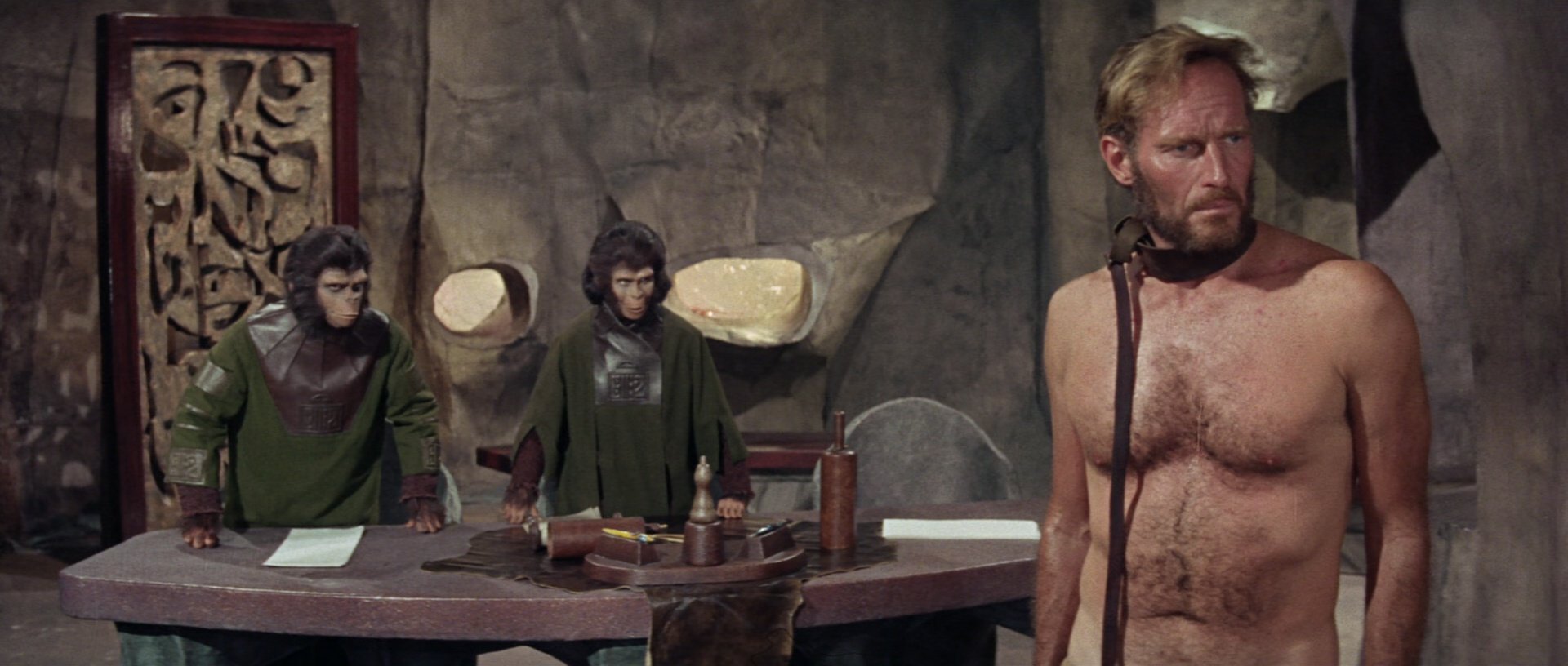
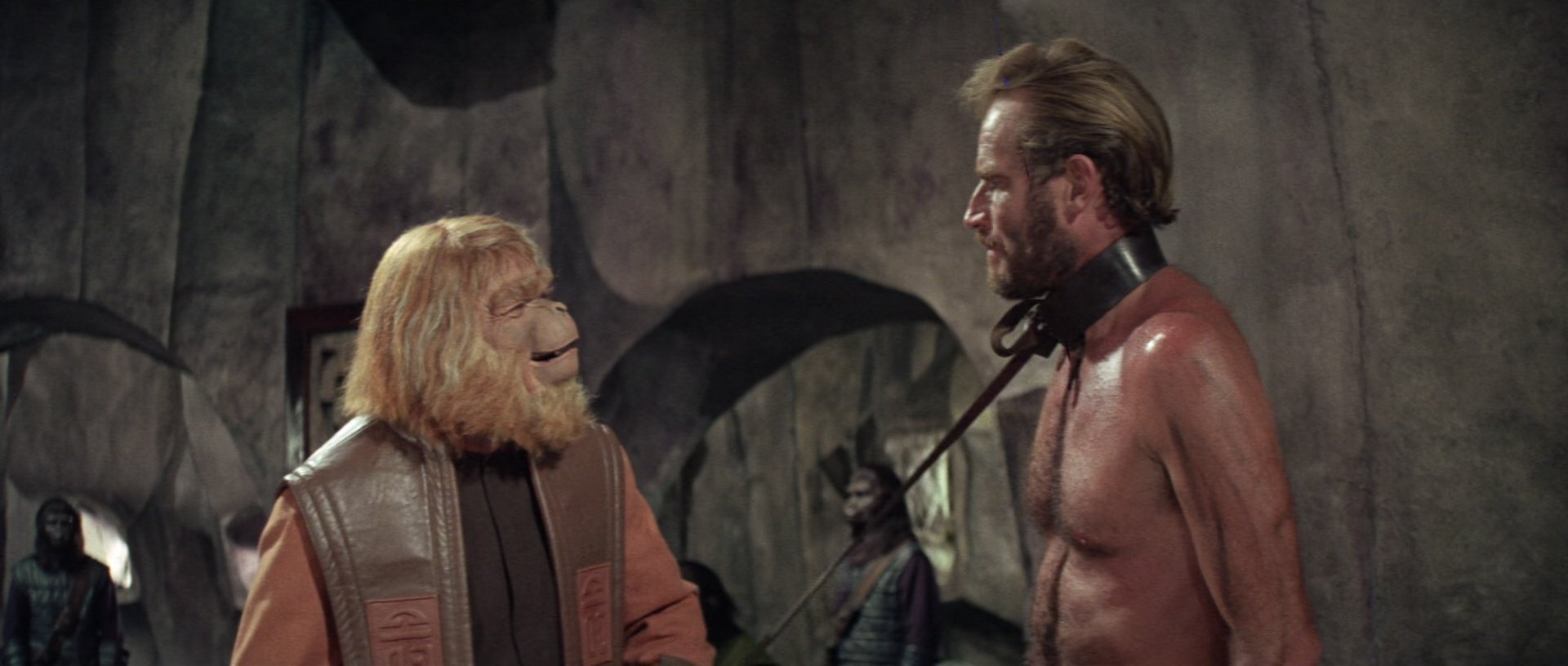
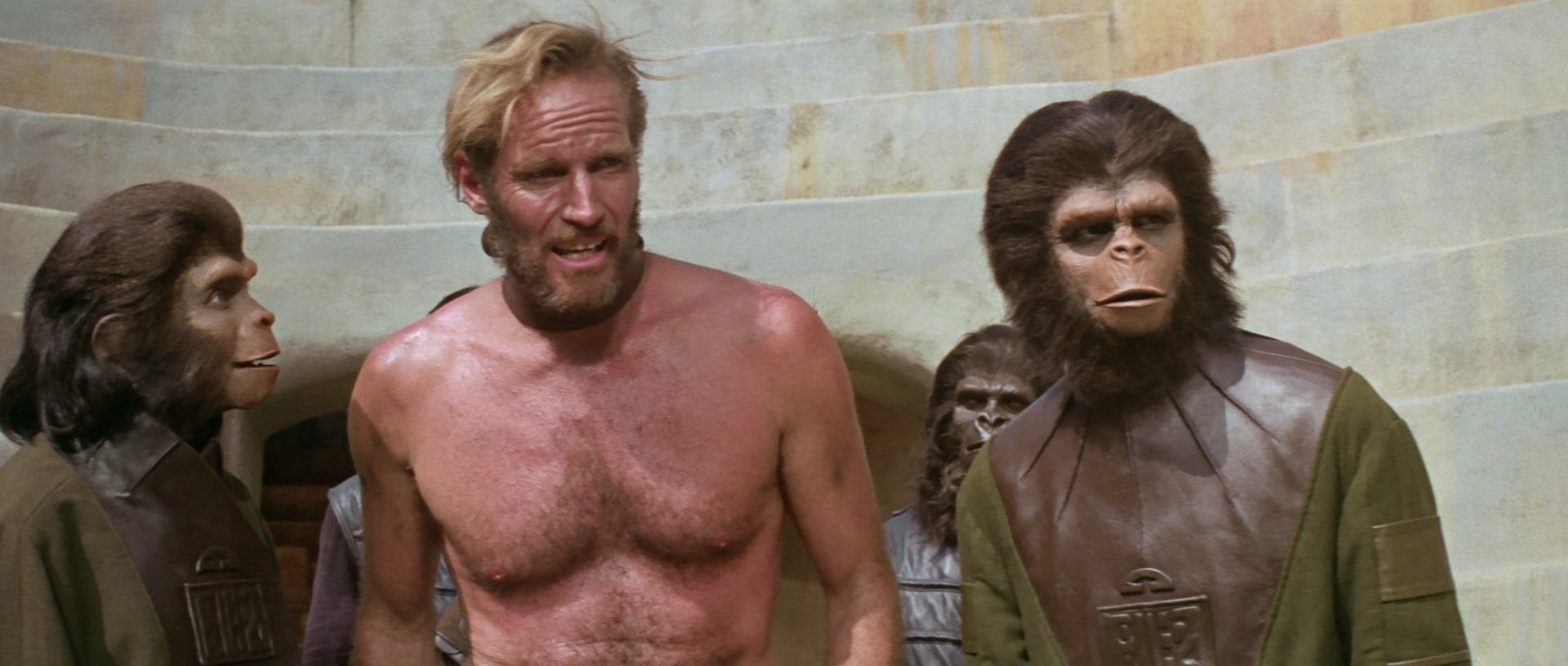
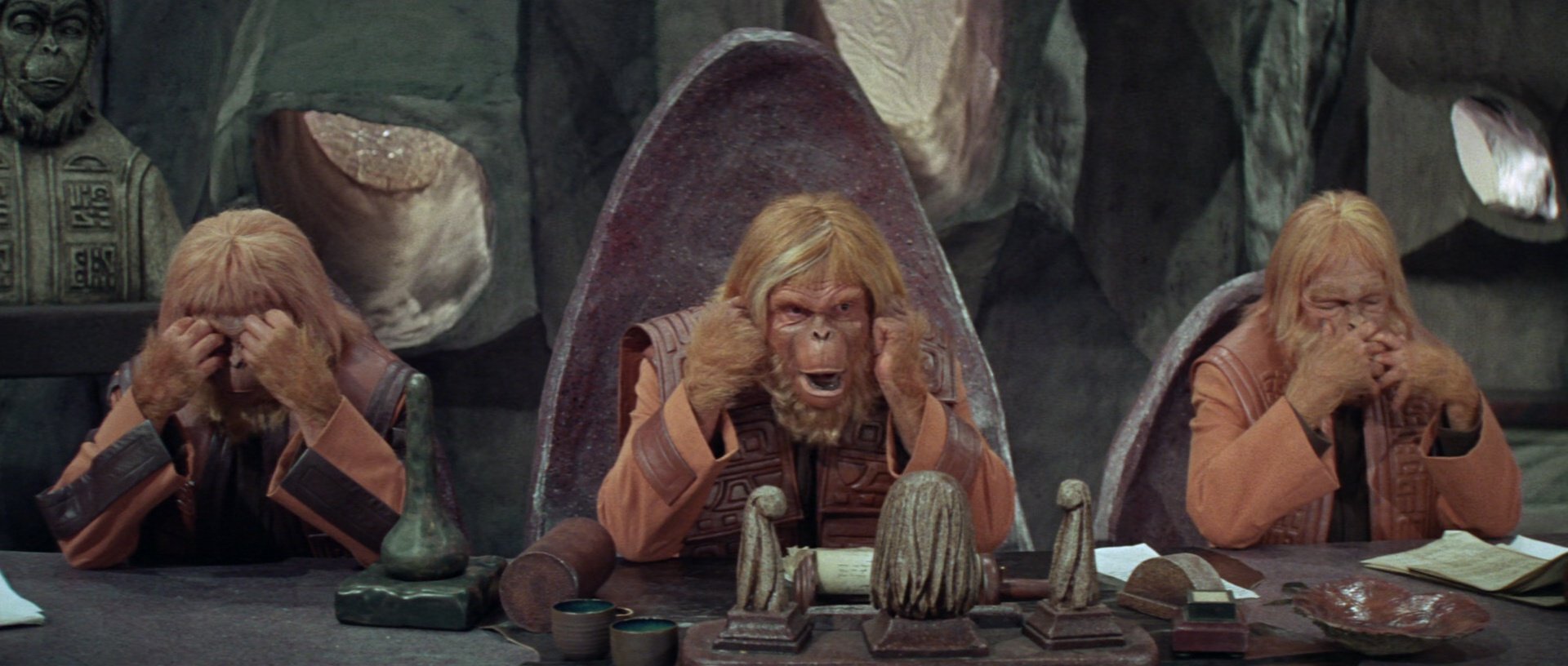
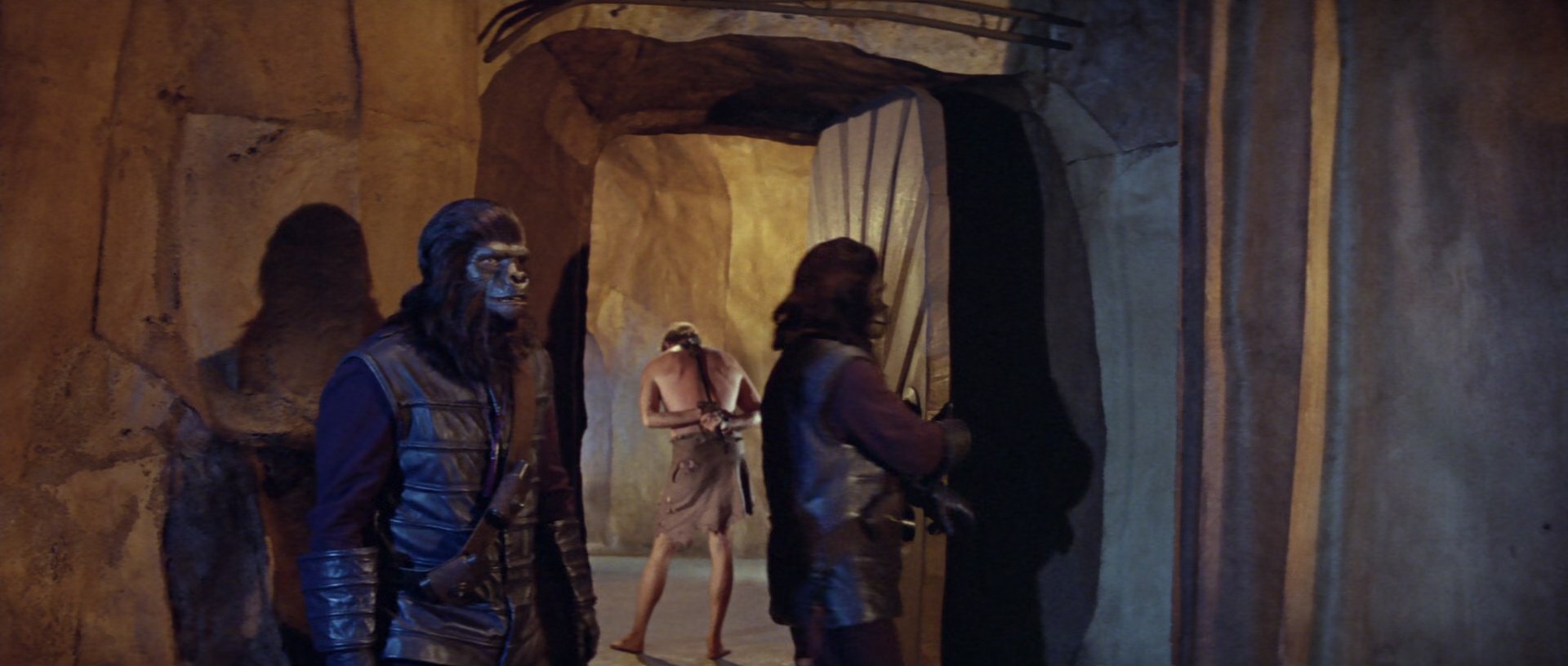
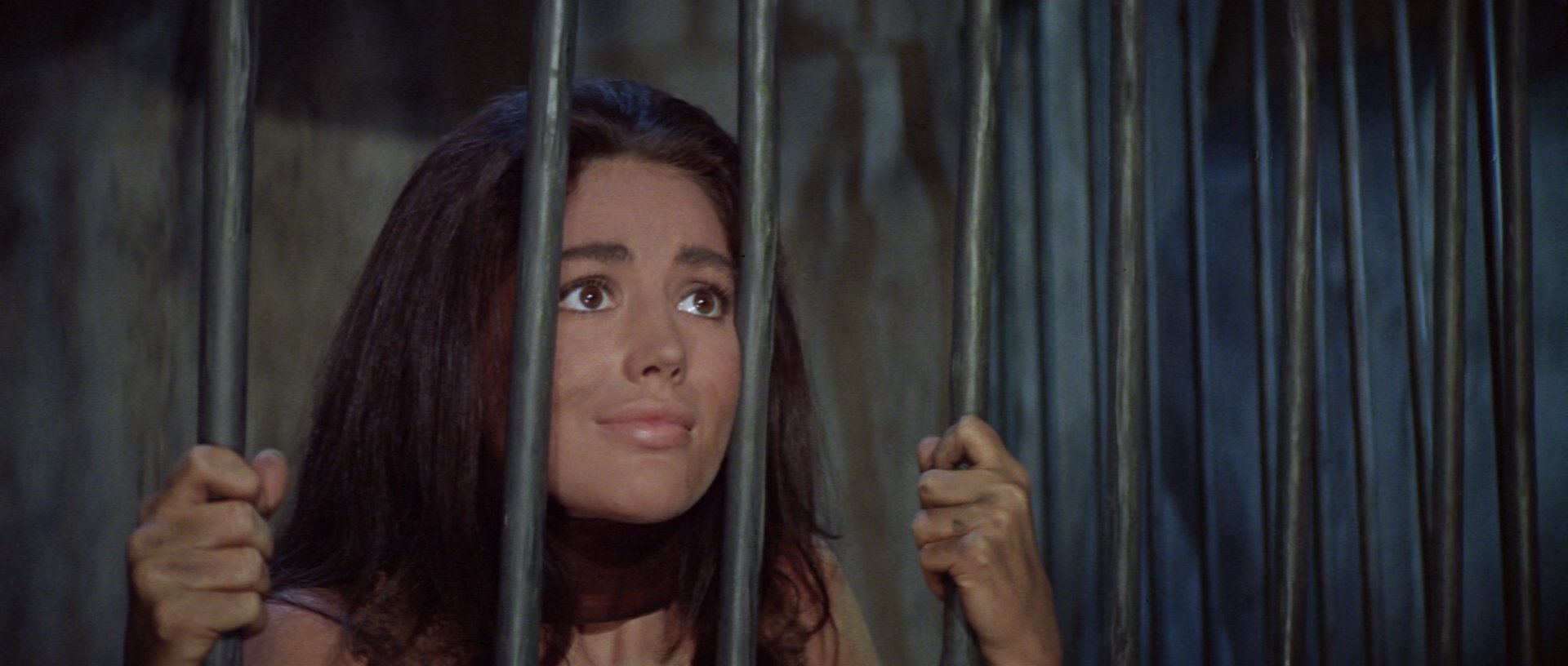
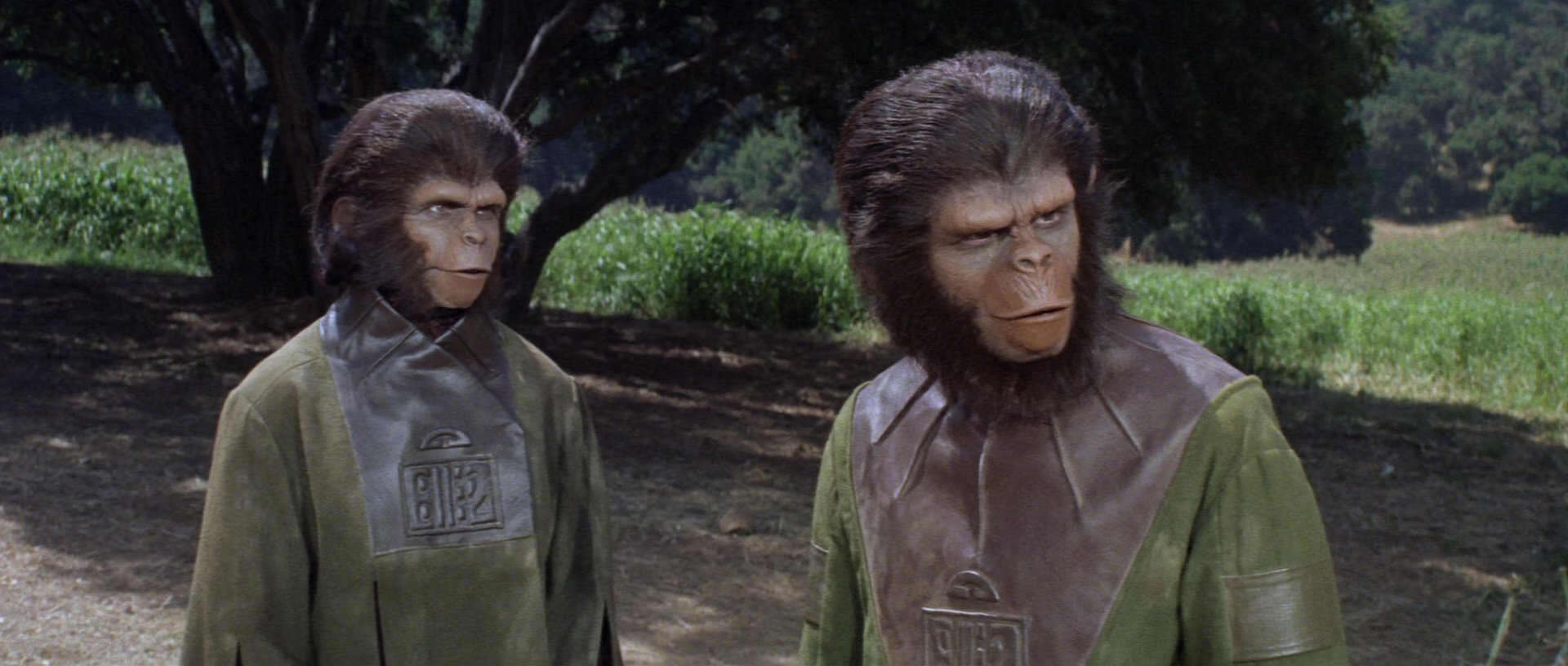
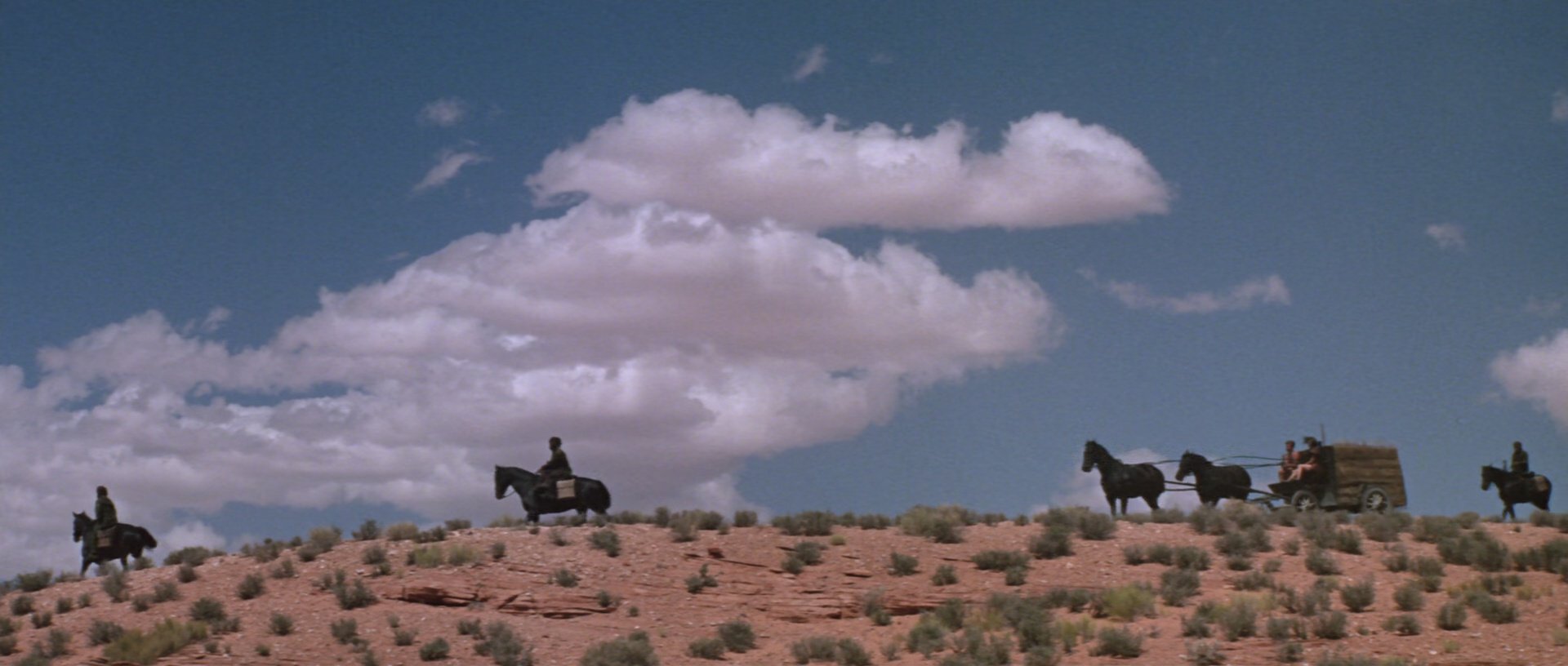
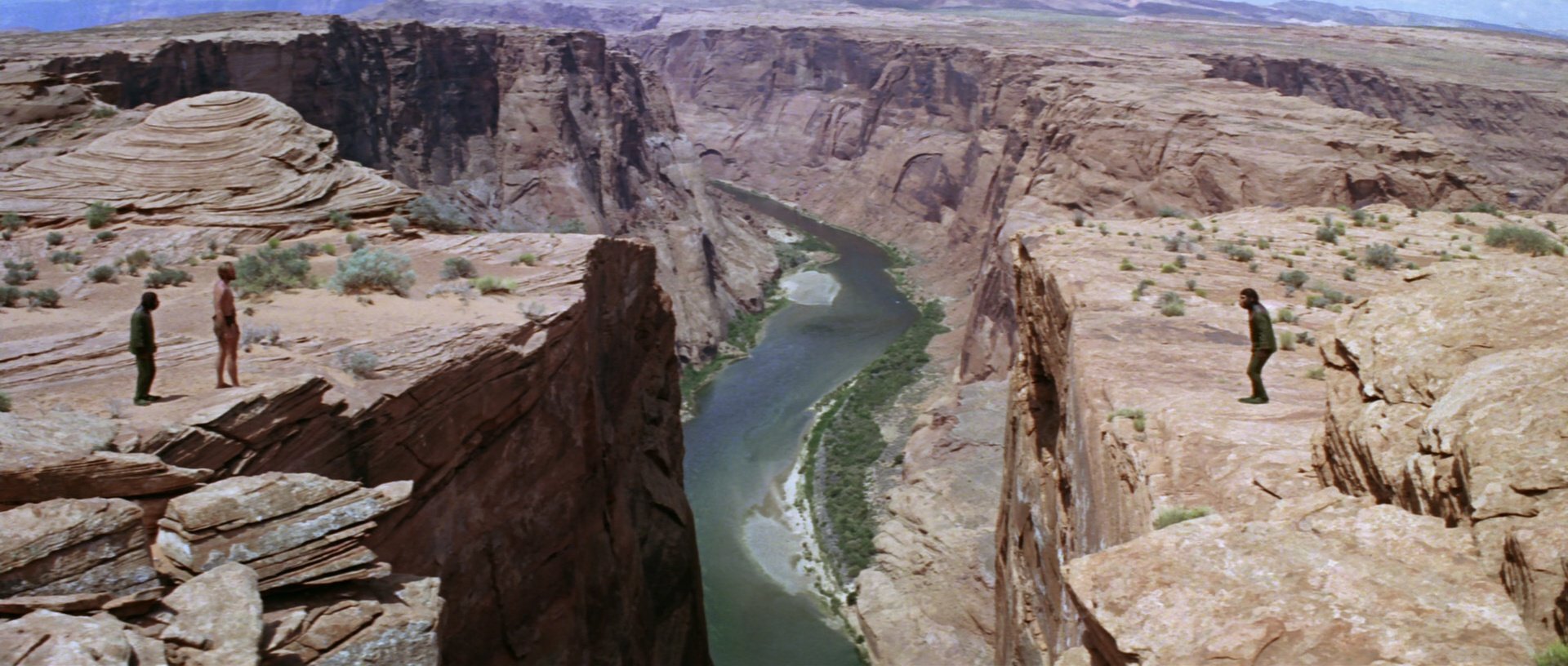
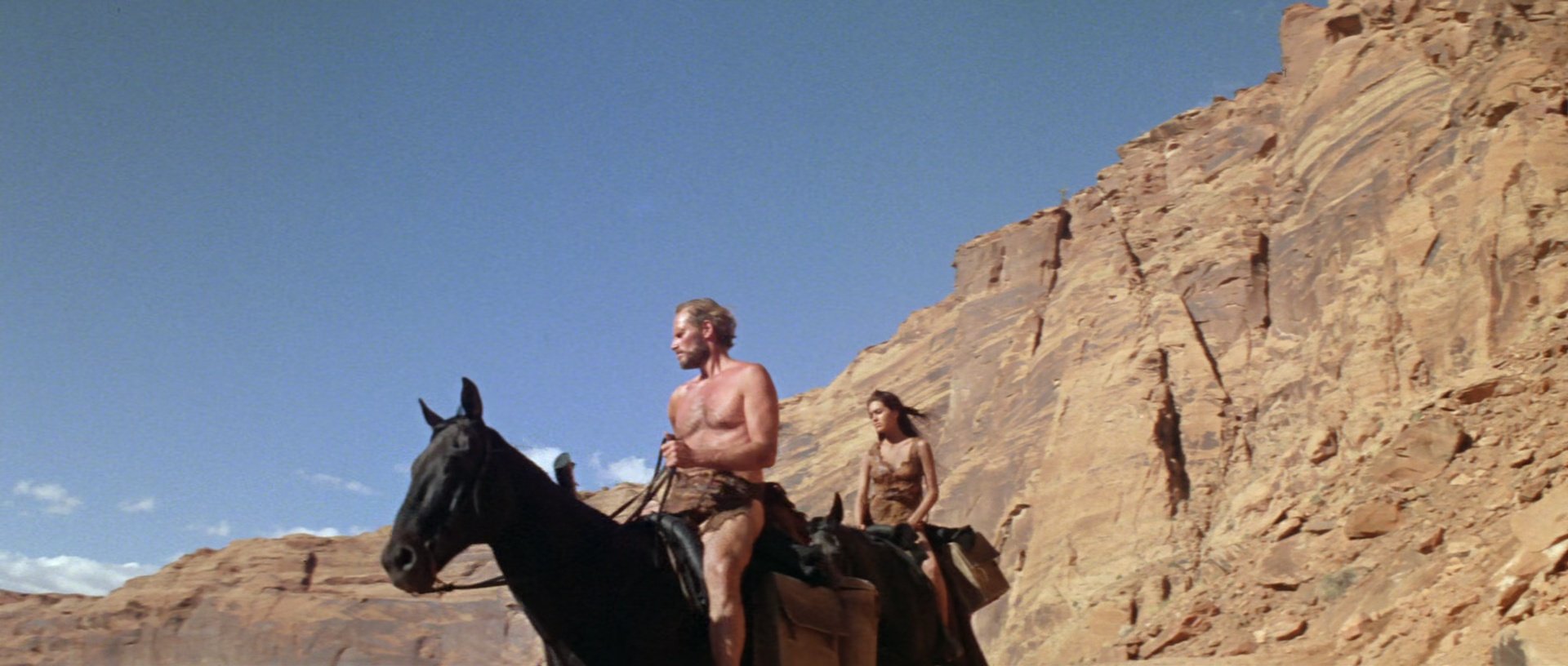
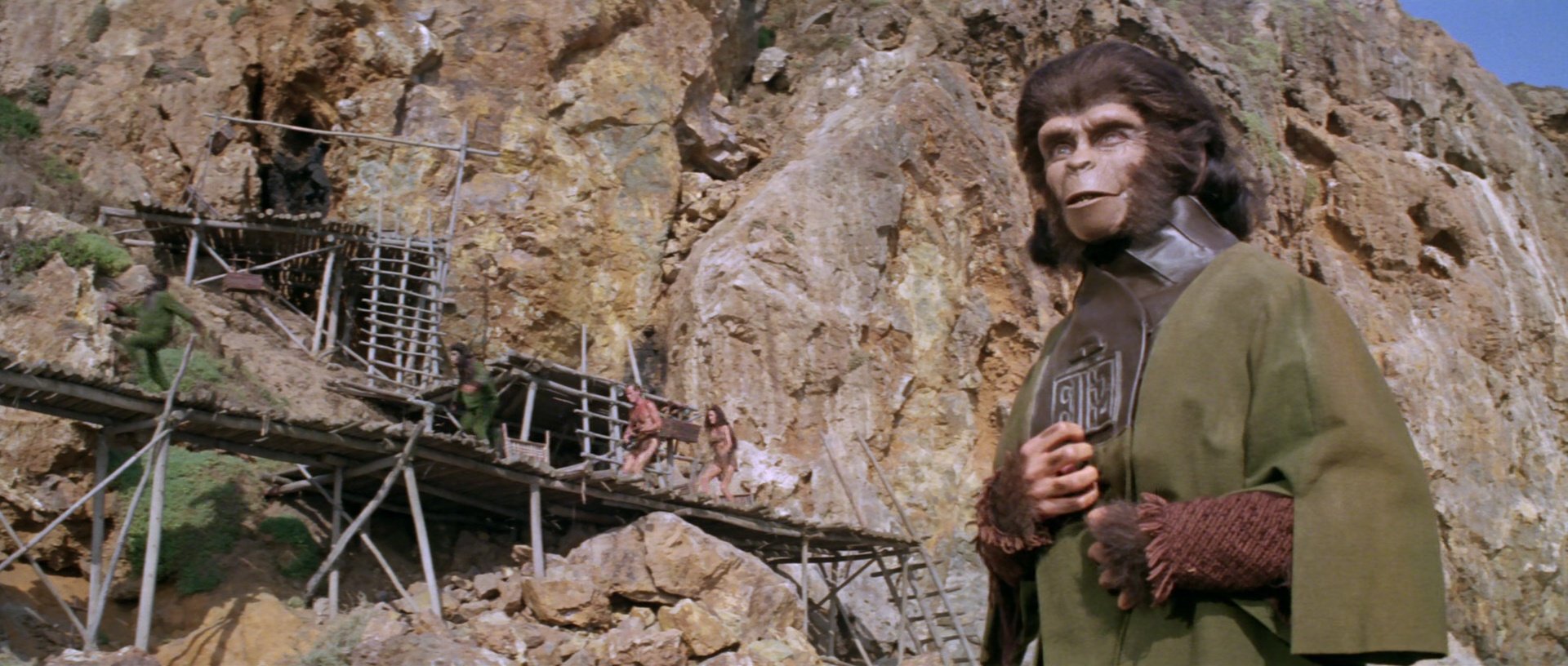
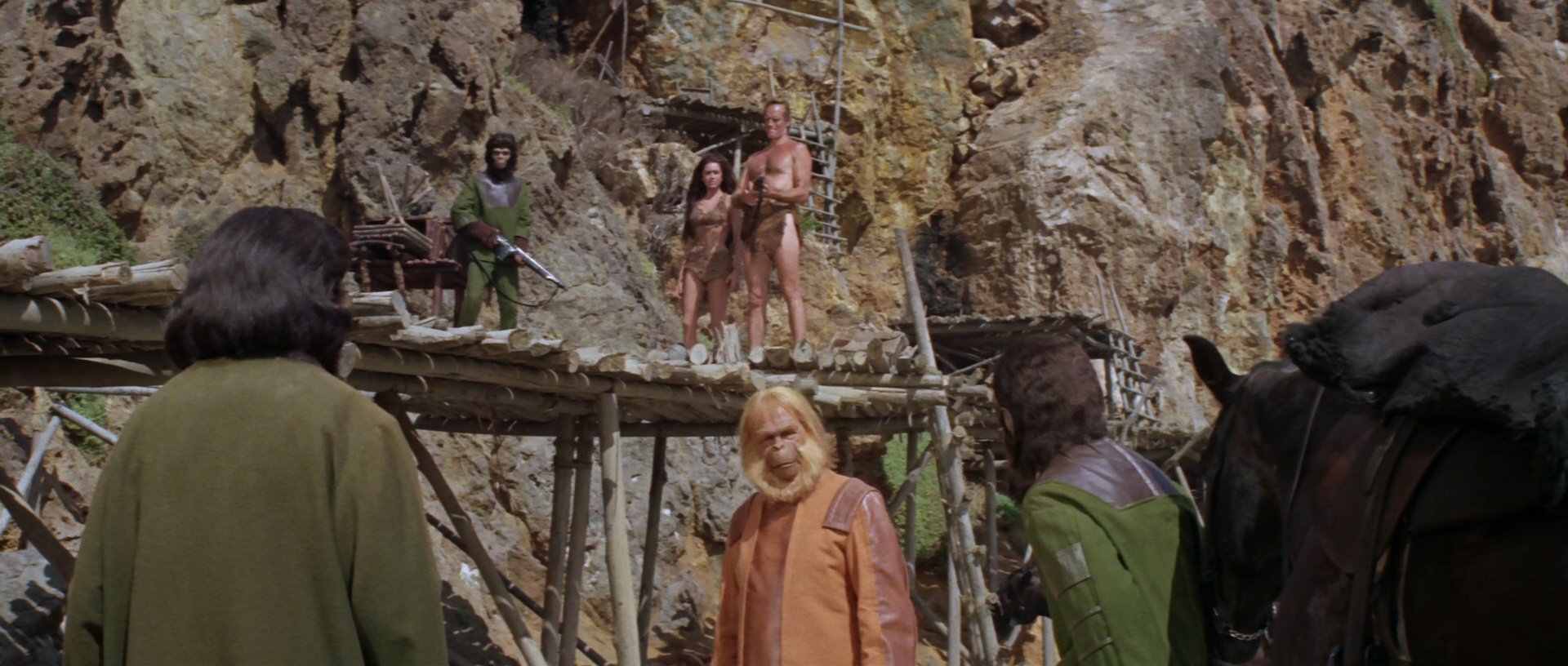
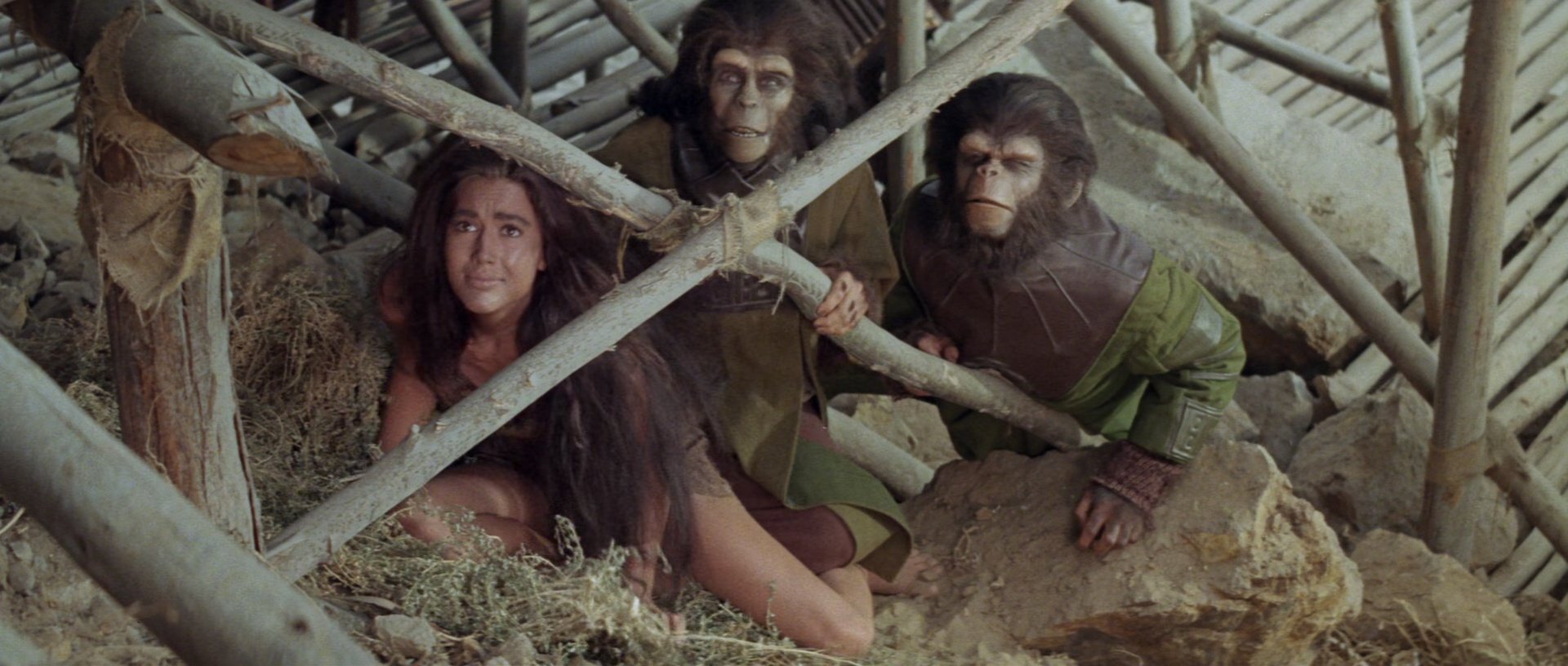
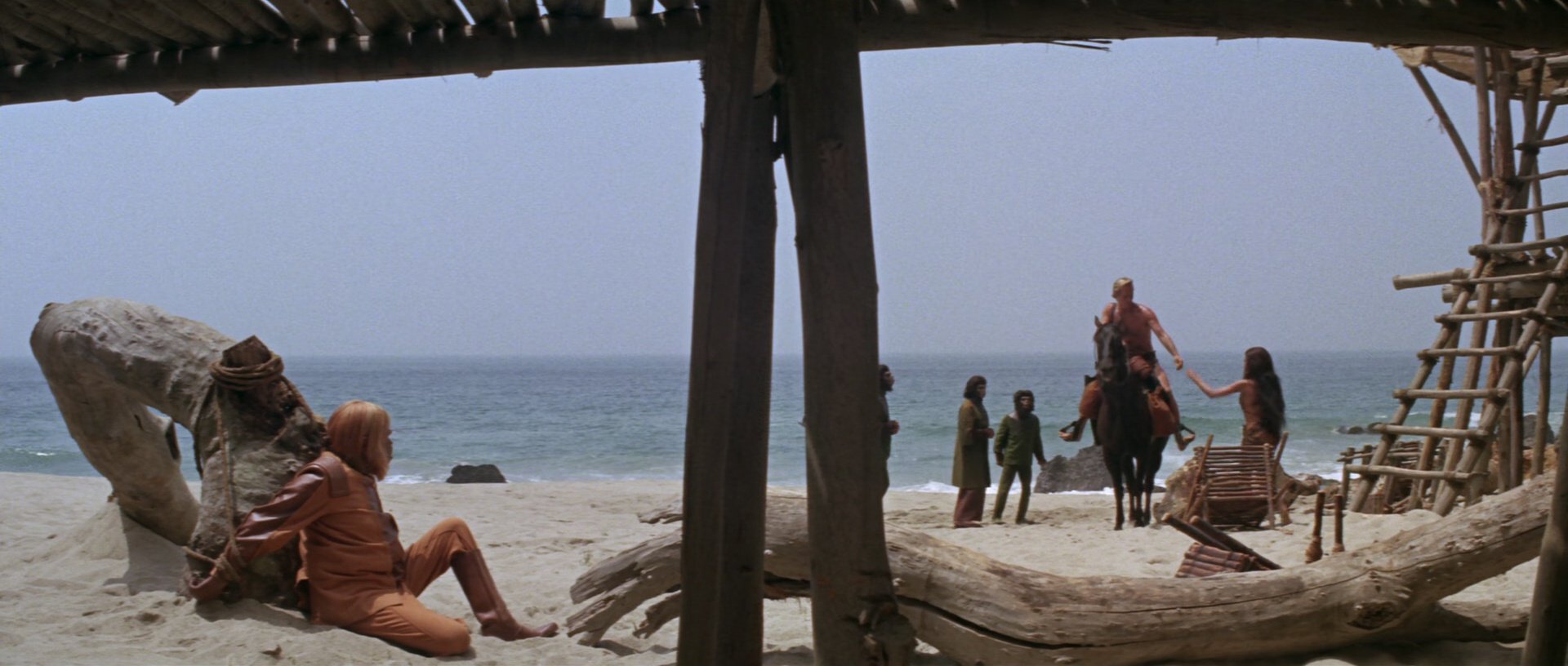
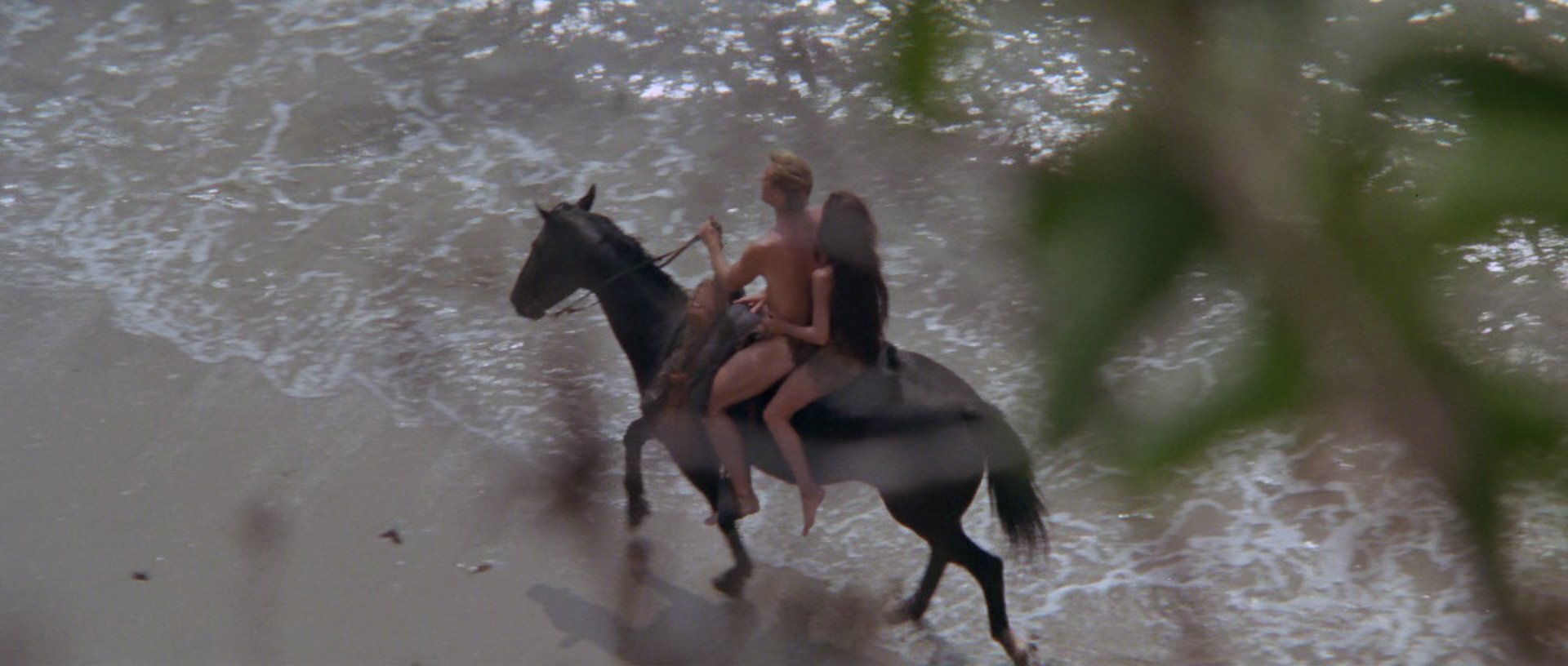
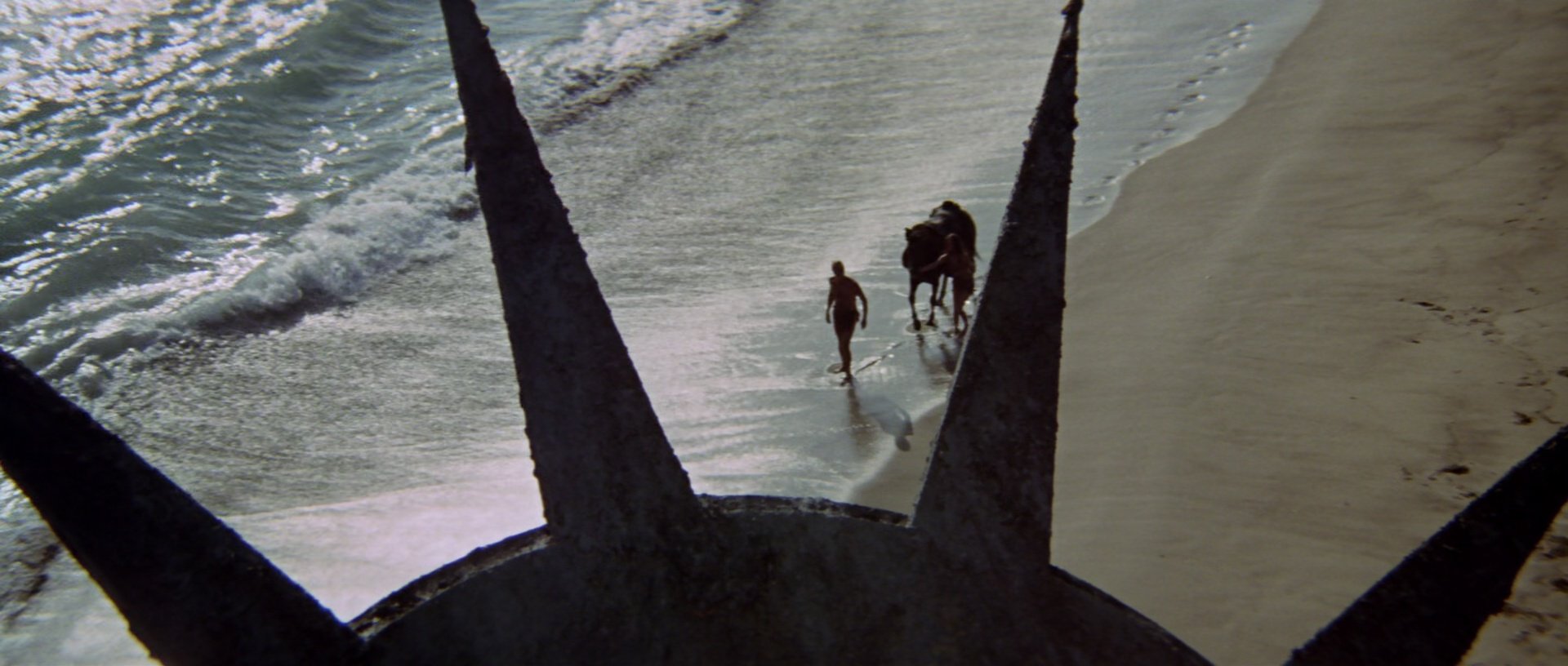
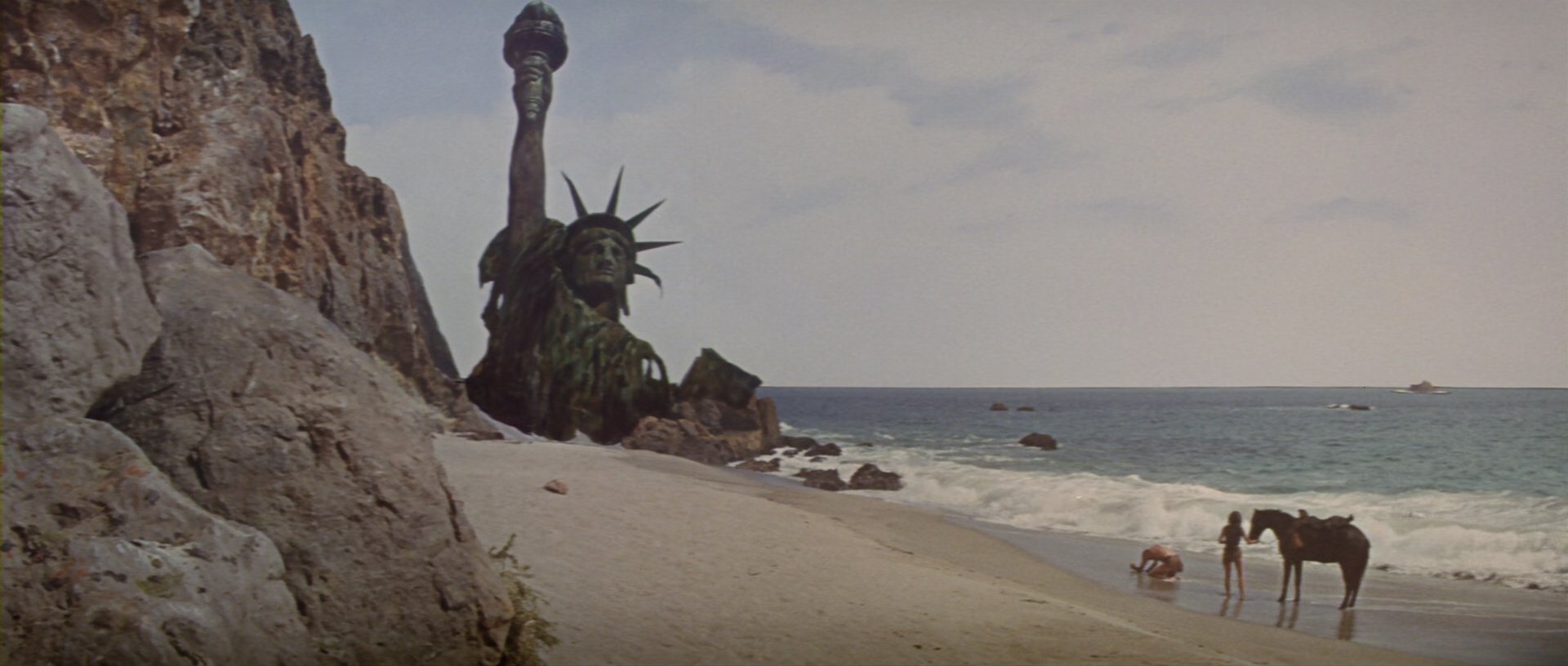
Directed by Franklin J. Schaffner and based on the novel by Pierre Boulle, Planet of the Apes follows an astronaut who crash-lands on a distant world where intelligent apes dominate a primitive human population. As he tries to understand this society, he comes up against a rigid social hierarchy that challenges his beliefs about civilisation, identity and human superiority.
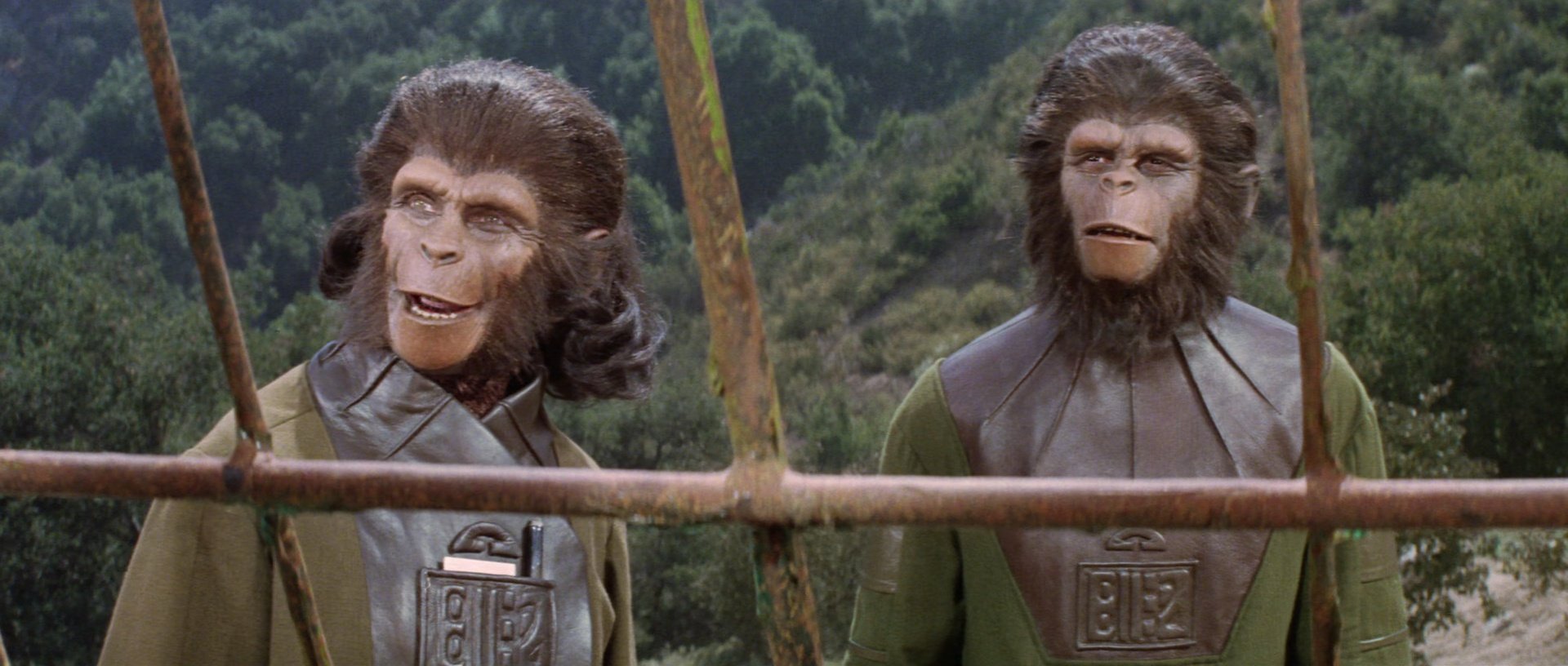
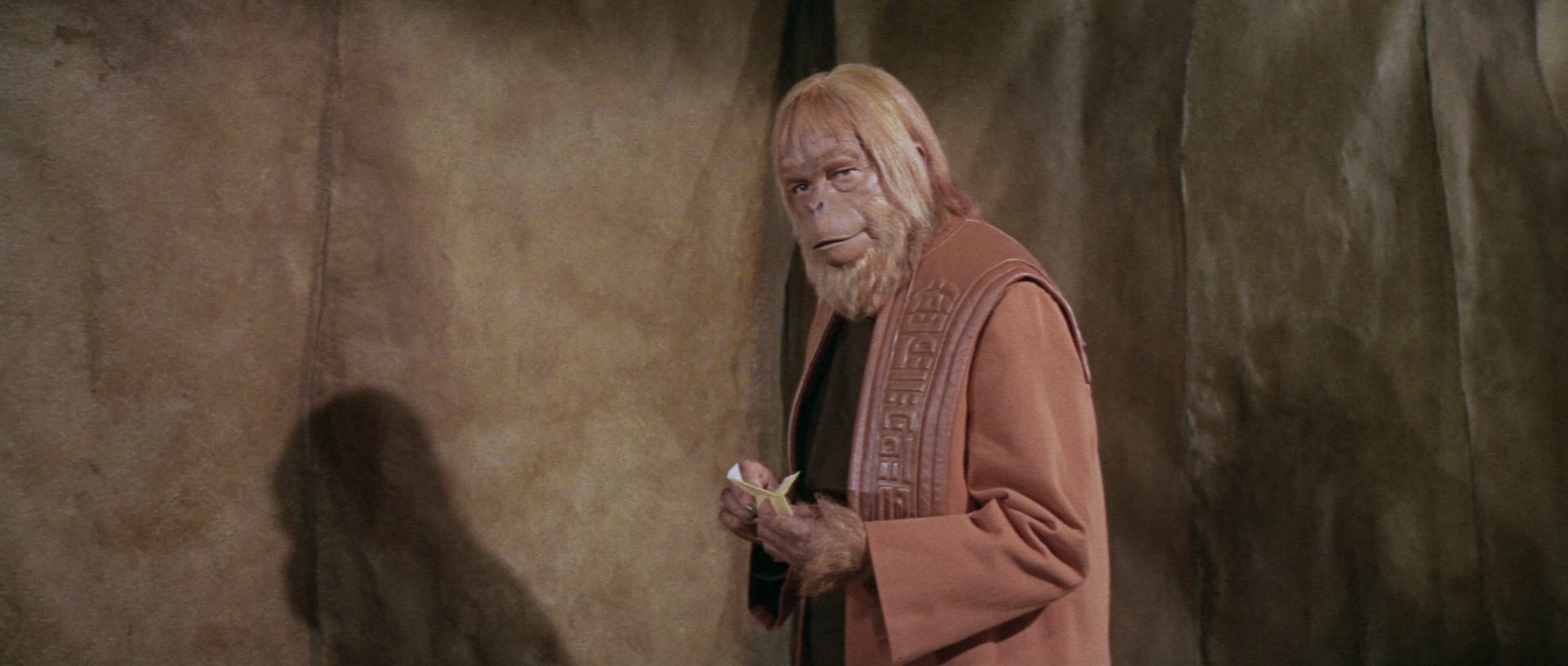
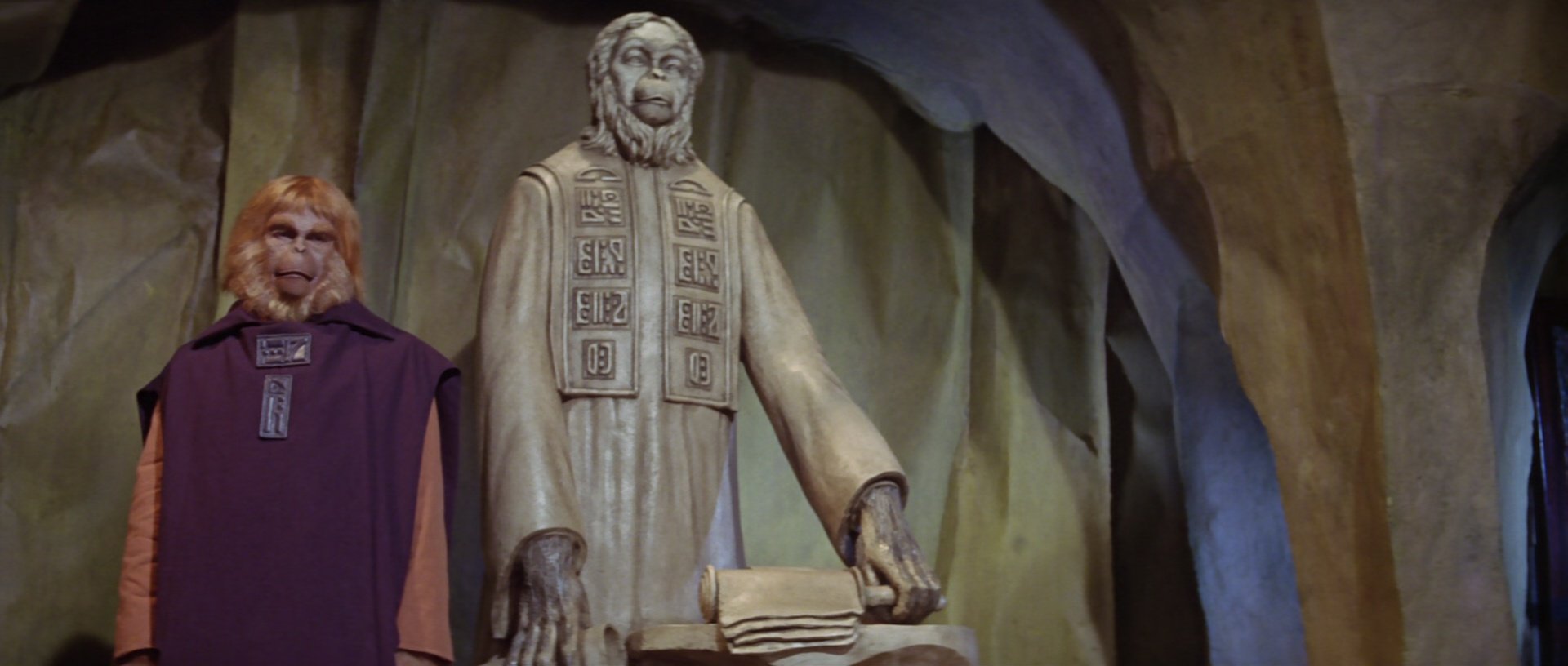
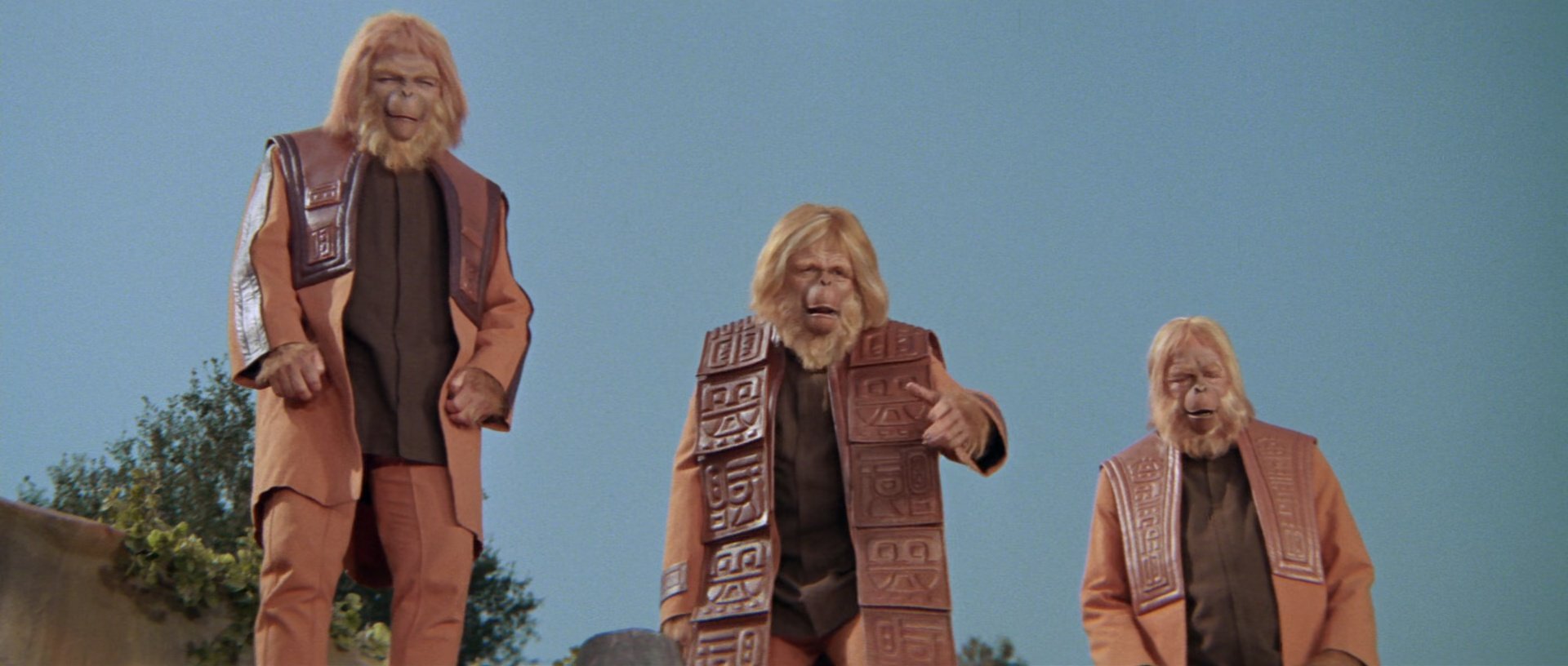
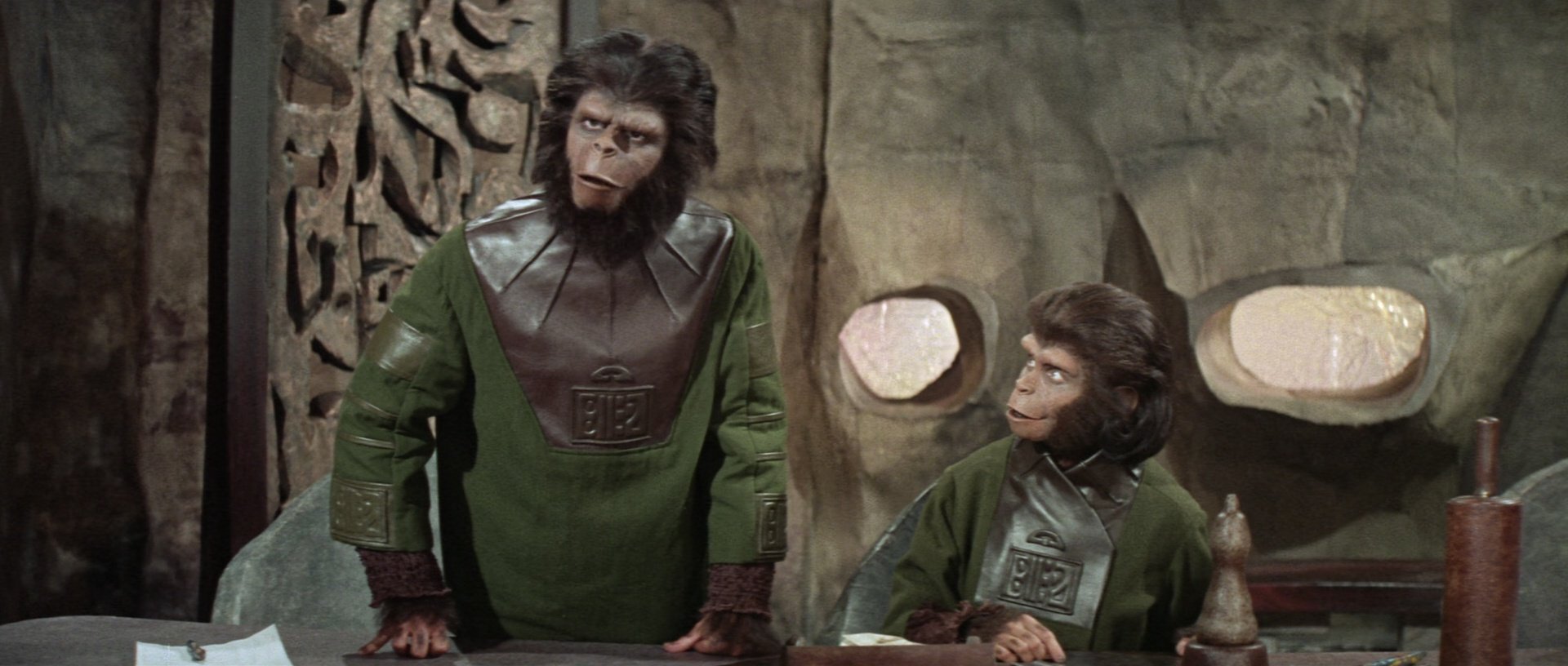
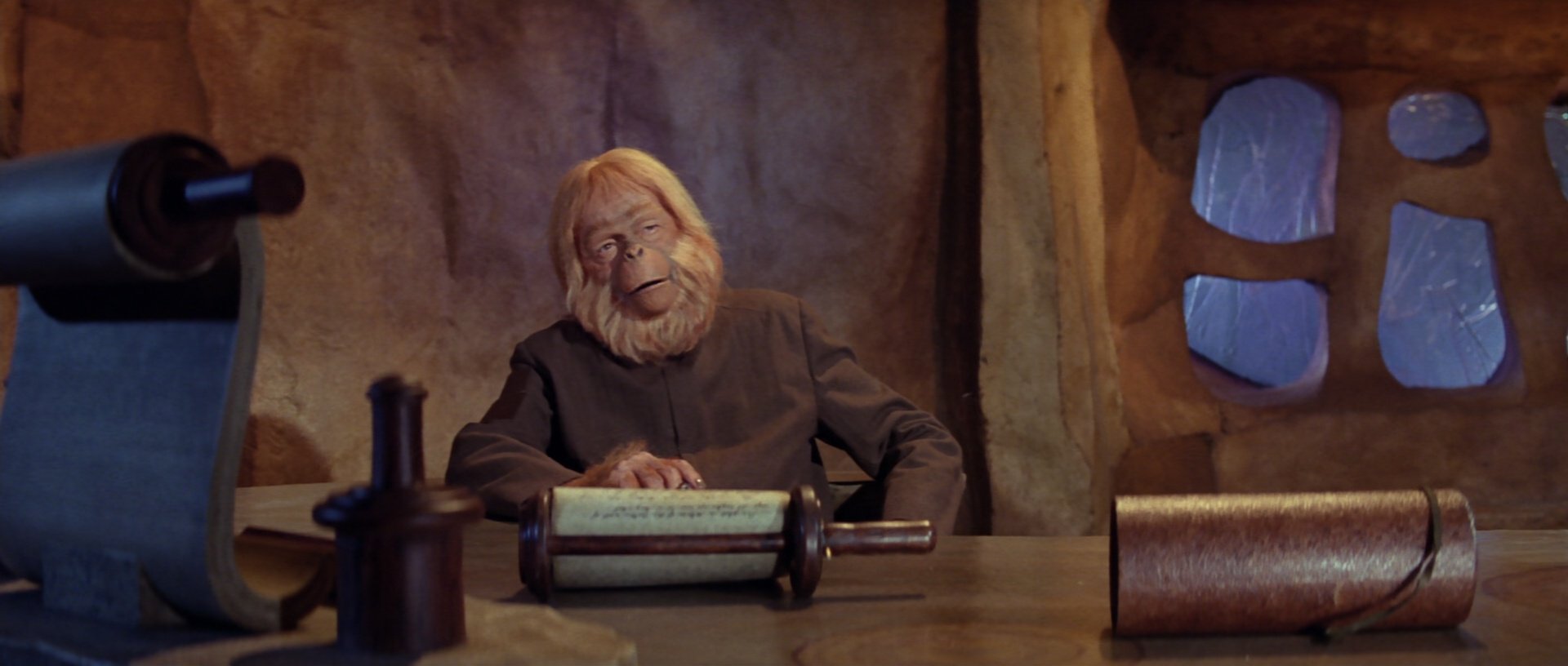
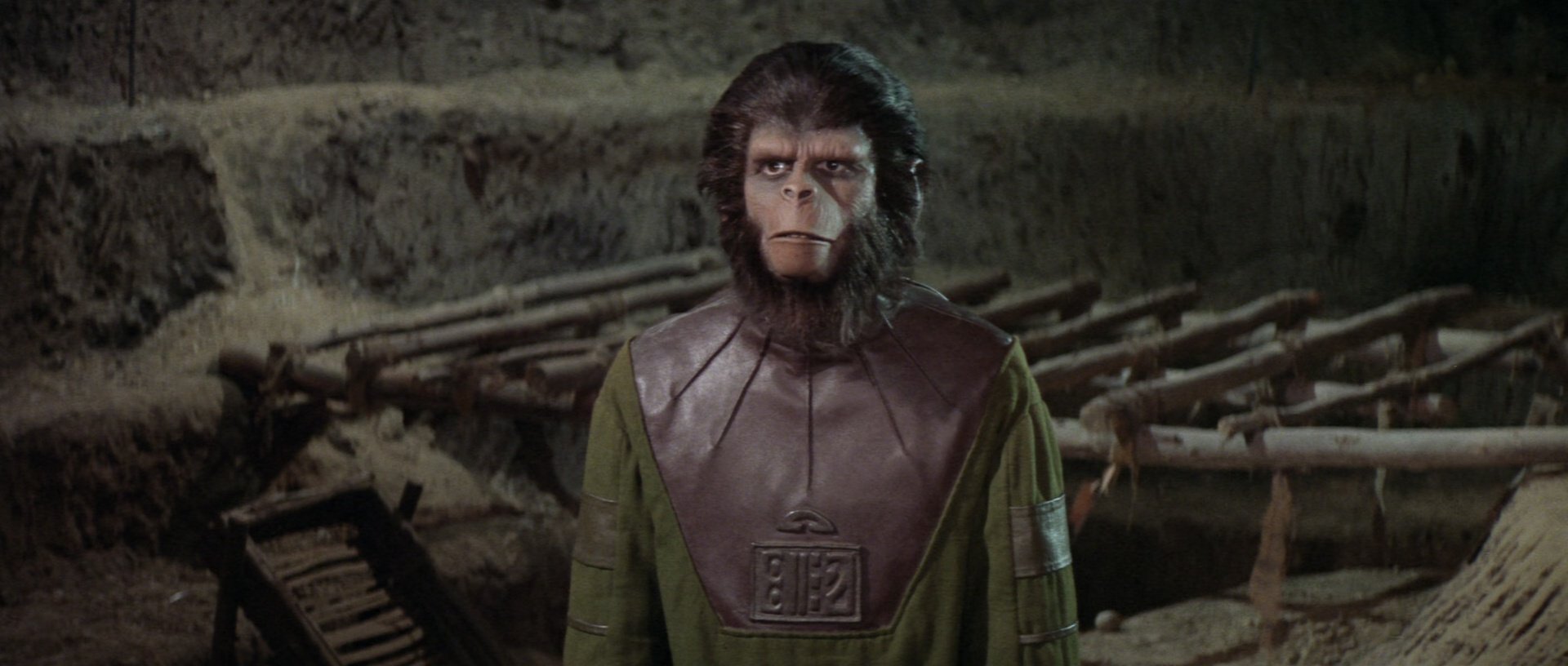
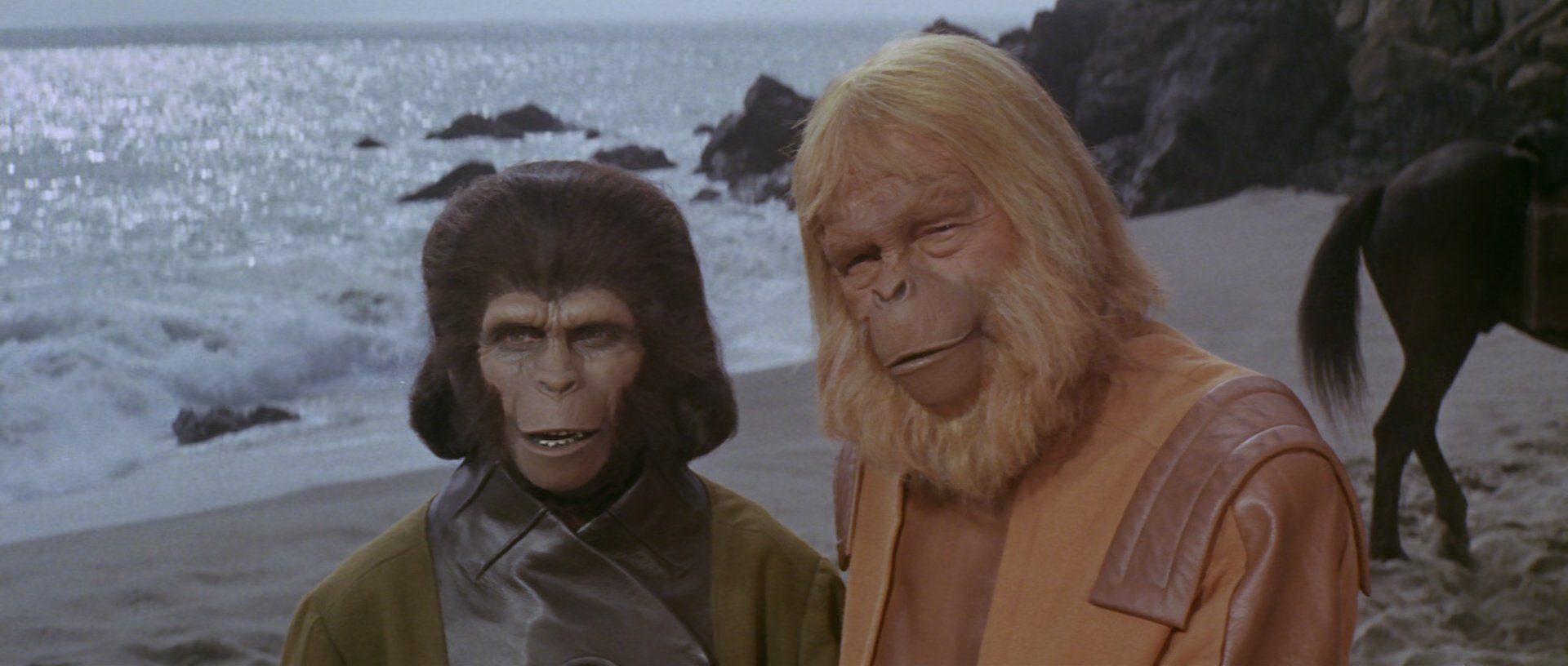
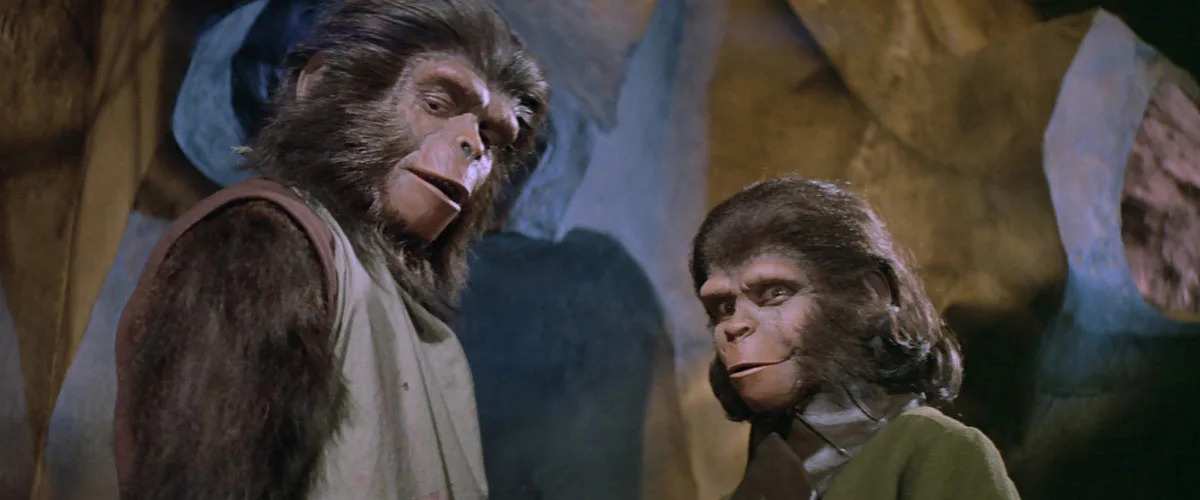
Blending science fiction with social allegory, the film creates a fully realised world in which the roles of humans and animals are reversed. The ape society, divided into intellectual, military and labour classes, mirrors and critiques human institutions, using costumes, make-up and performances to create a convincing alternative order. The story unfolds as both exploration and confrontation, gradually revealing the implications of this inverted structure.
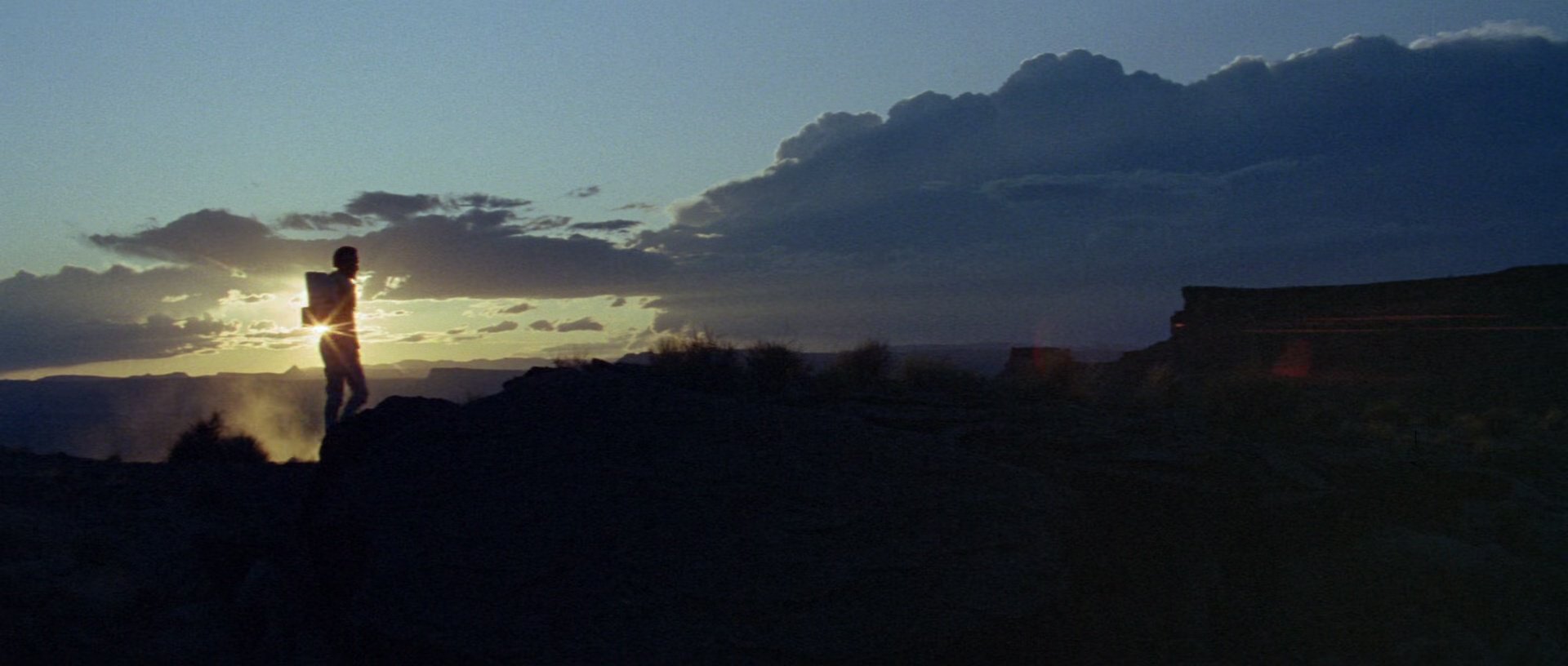
A landmark of late-1960s cinema, Planet of the Apes engages with themes of power, prejudice, and self-destruction by using genre conventions. Its controlled pacing, philosophical themes, and iconic imagery establish it as a key work of speculative fiction that extends beyond its premise to question the future of human civilisation. A true Sci-Fi classic.
Technical Specs:
- The Story: After crash-landing on a distant planet ruled by intelligent apes, a group of astronauts must fight for survival and uncover the shocking truth about the world they thought was alien. Read my review of Planet of the Apes.
- Actors: Charlton Heston, Roddy McDowall, Kim Hunter, Maurice Evans, James Whitmore, James Daly, Linda Harrison.
- Director: Franklin J. Schaffner
- Year: 1968
- Cinematographer: Leon Shamroy
- Origin: American Cinema
- Aspect Ratio: 2.35:1
- Genre: Sci-Fi