Breakfast at Tiffany’s (1961): Fashionable love in the big city
1961 • Blake Edwards • 1.85:1 • Jump to Gallery ↓
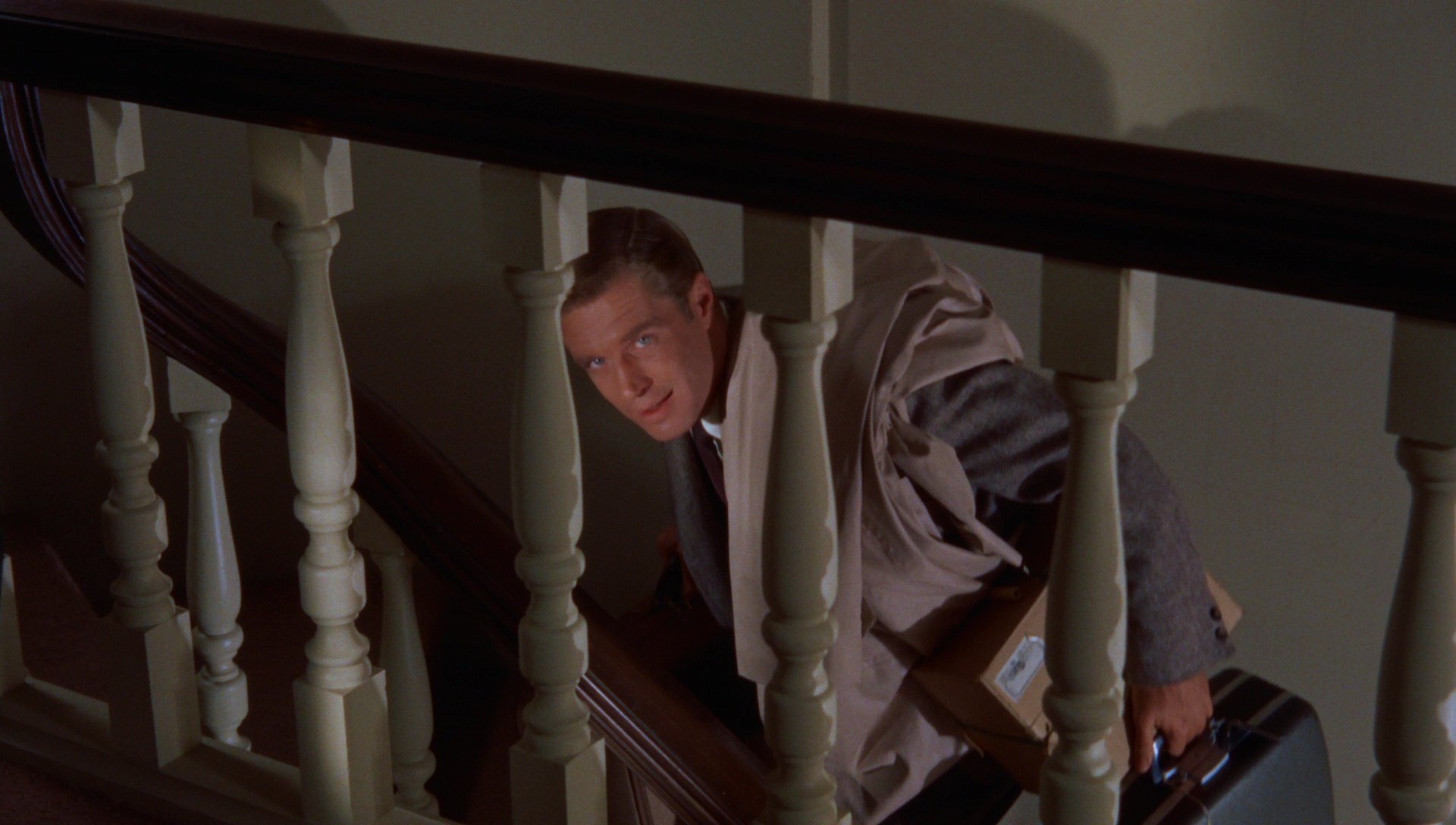
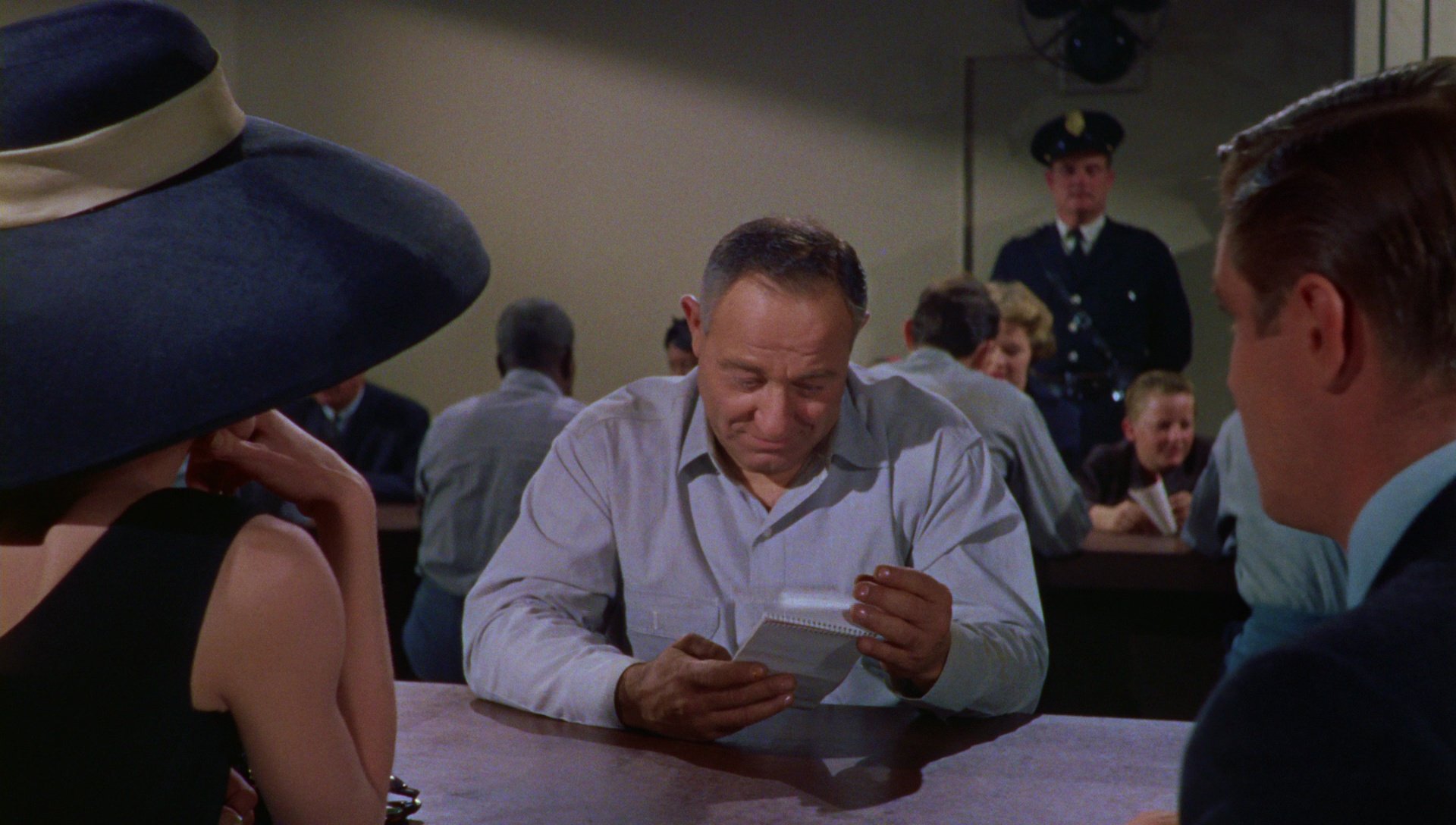
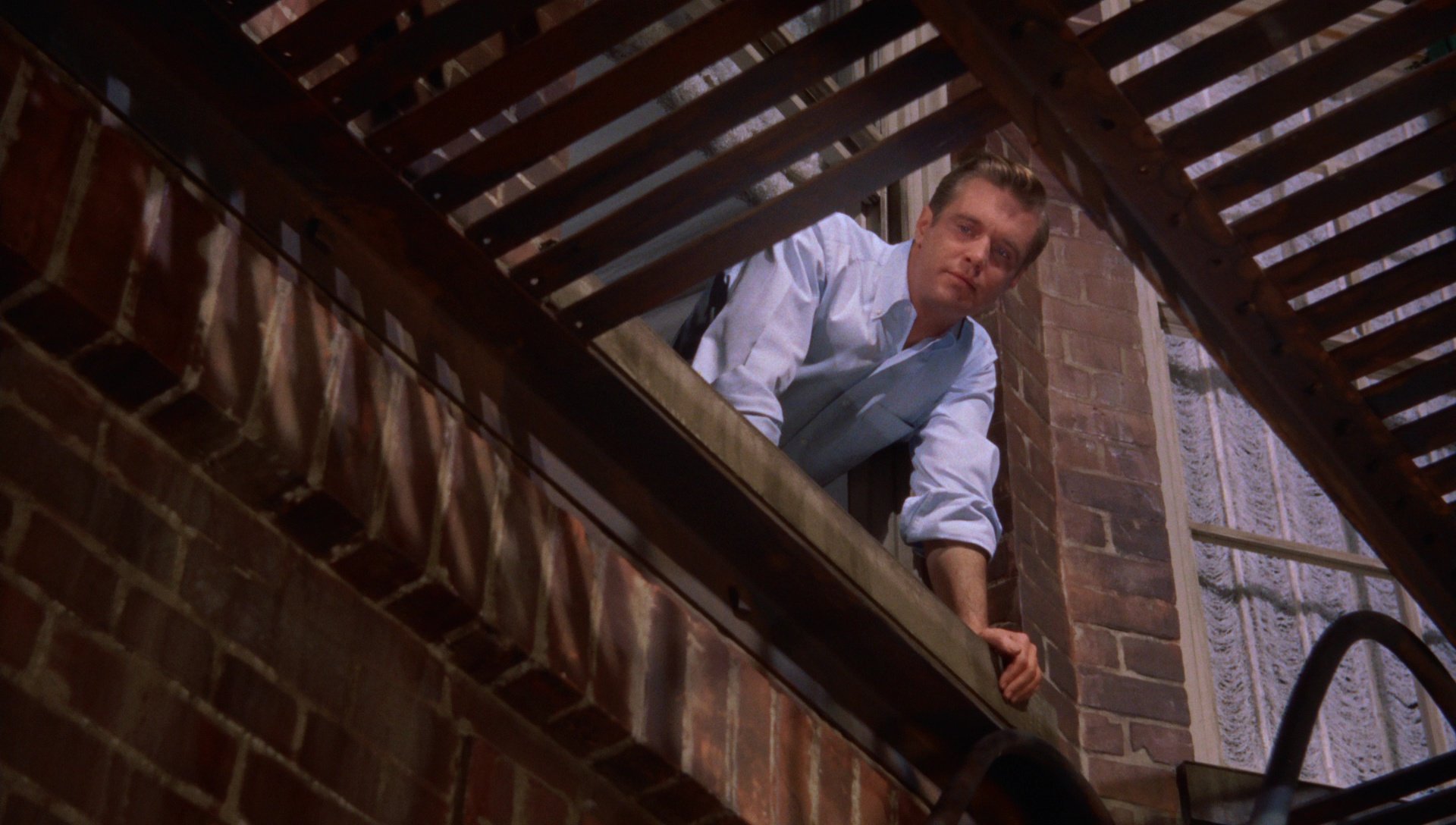
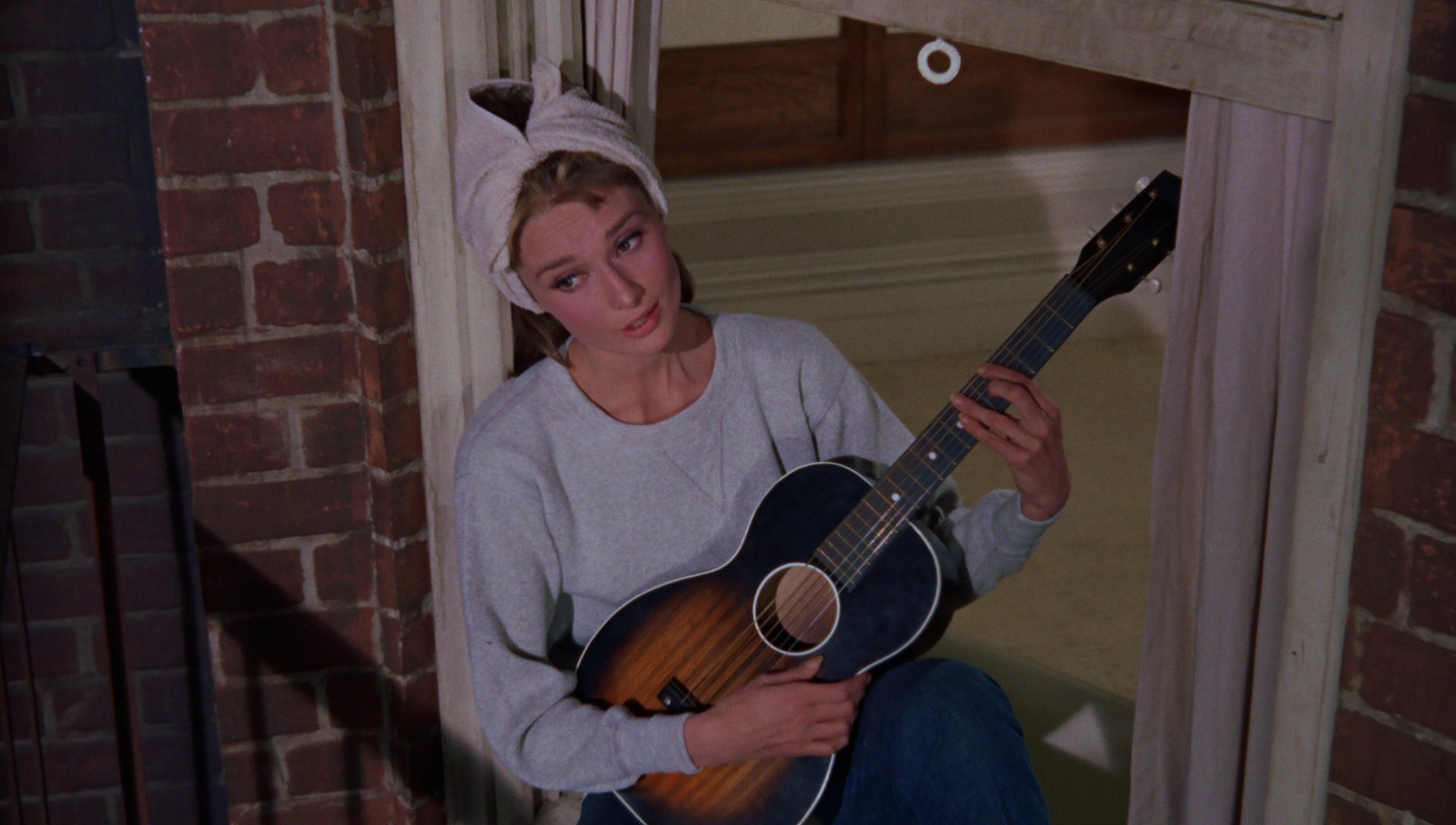
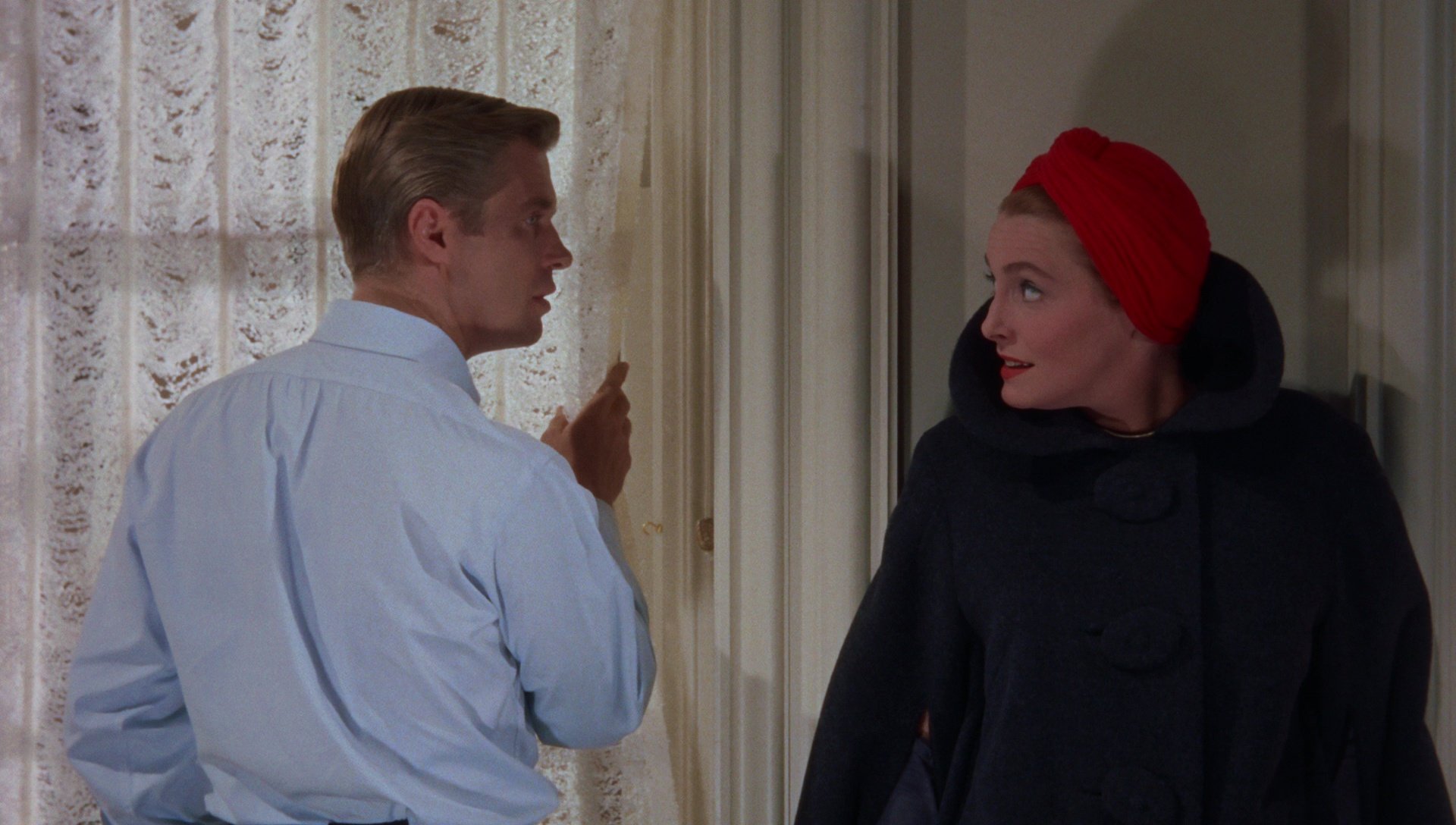
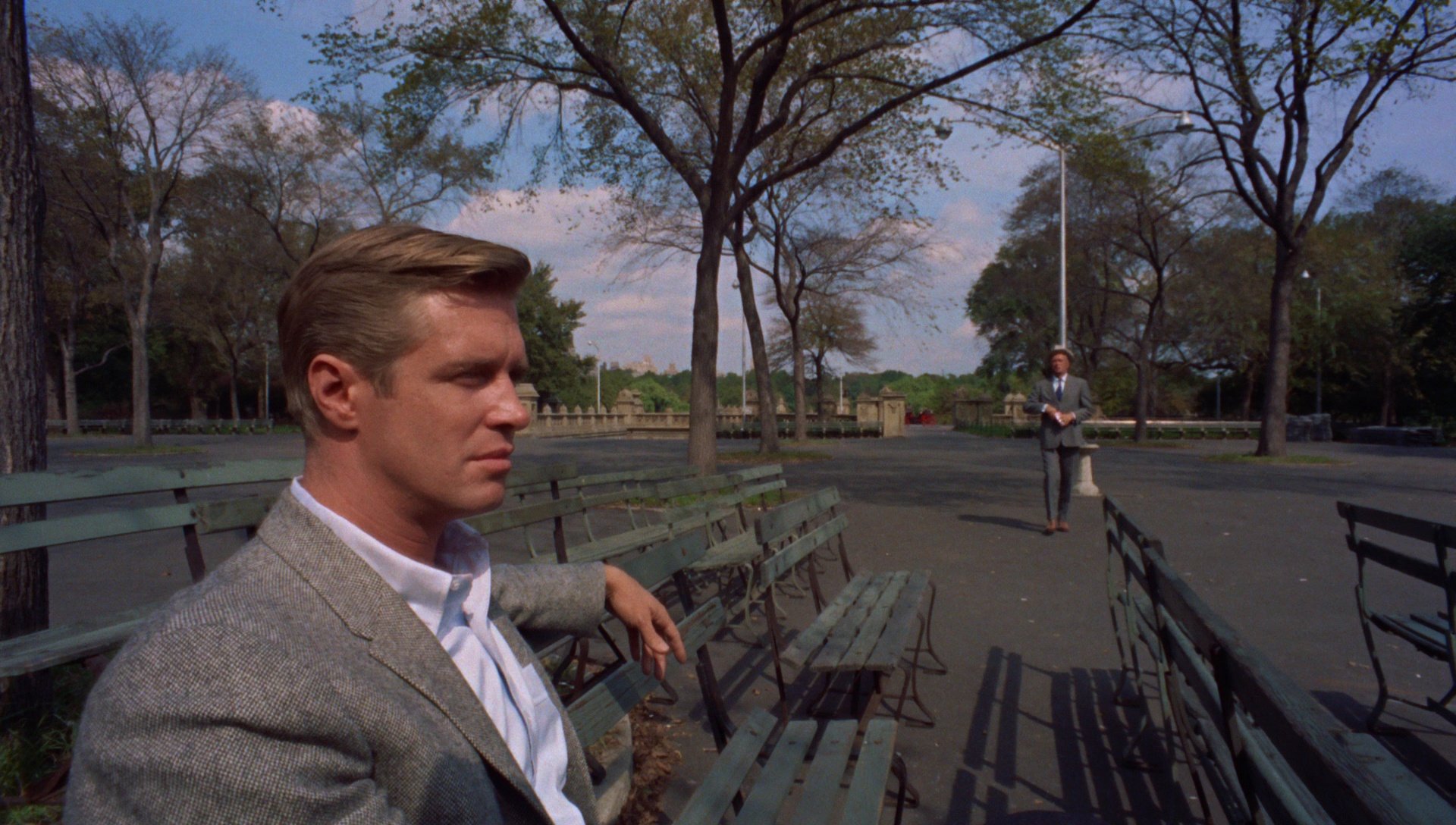
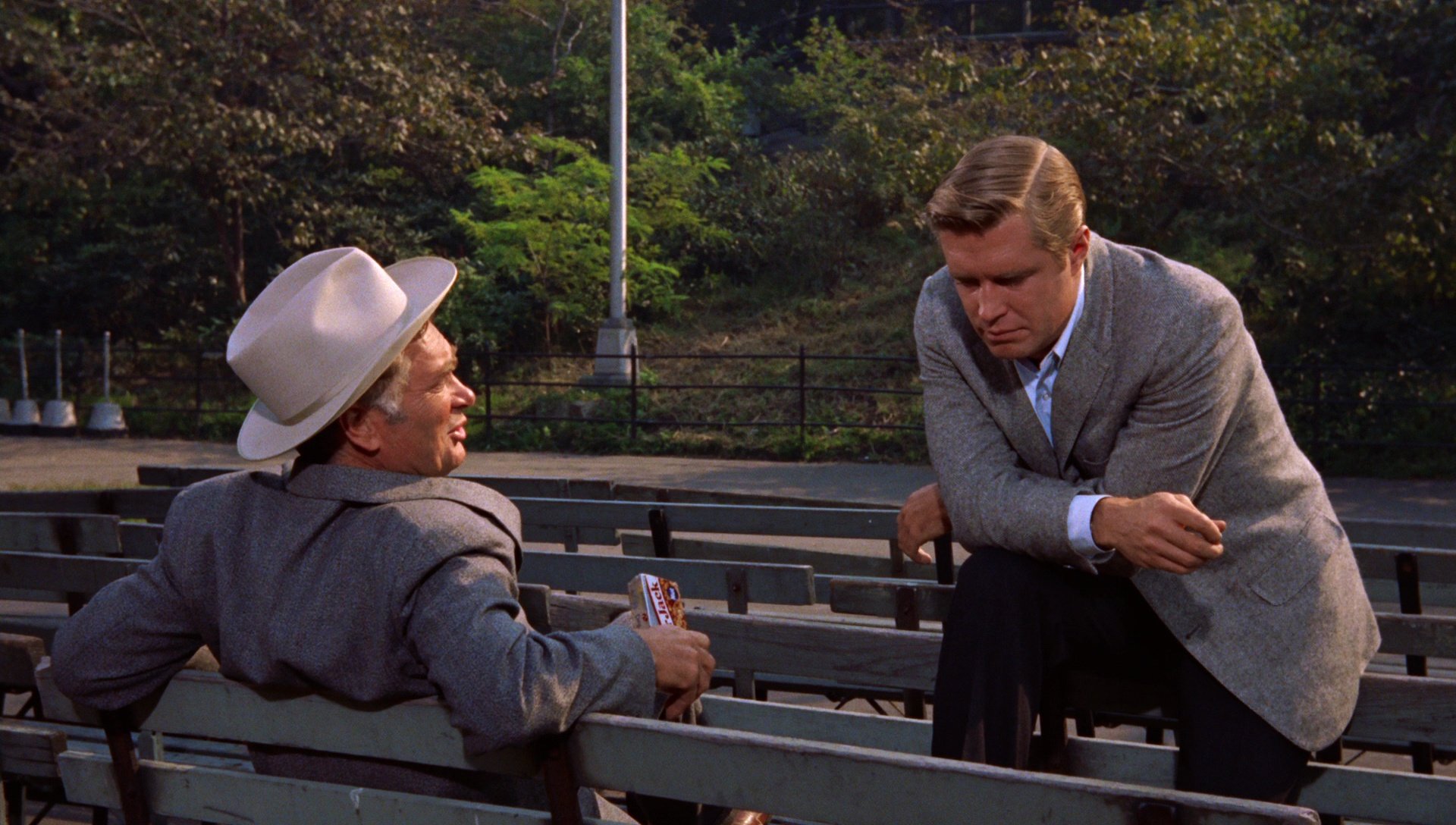
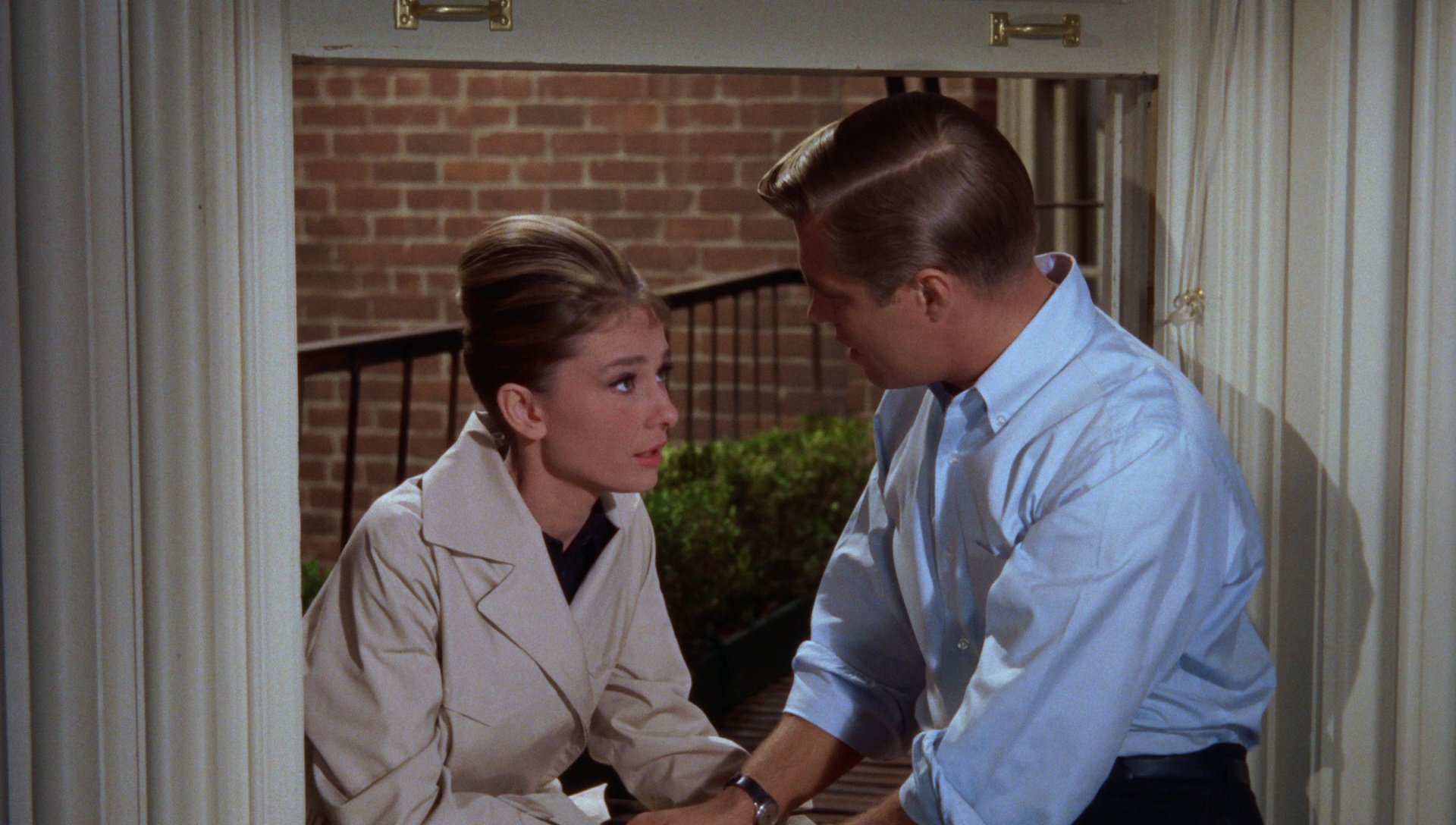
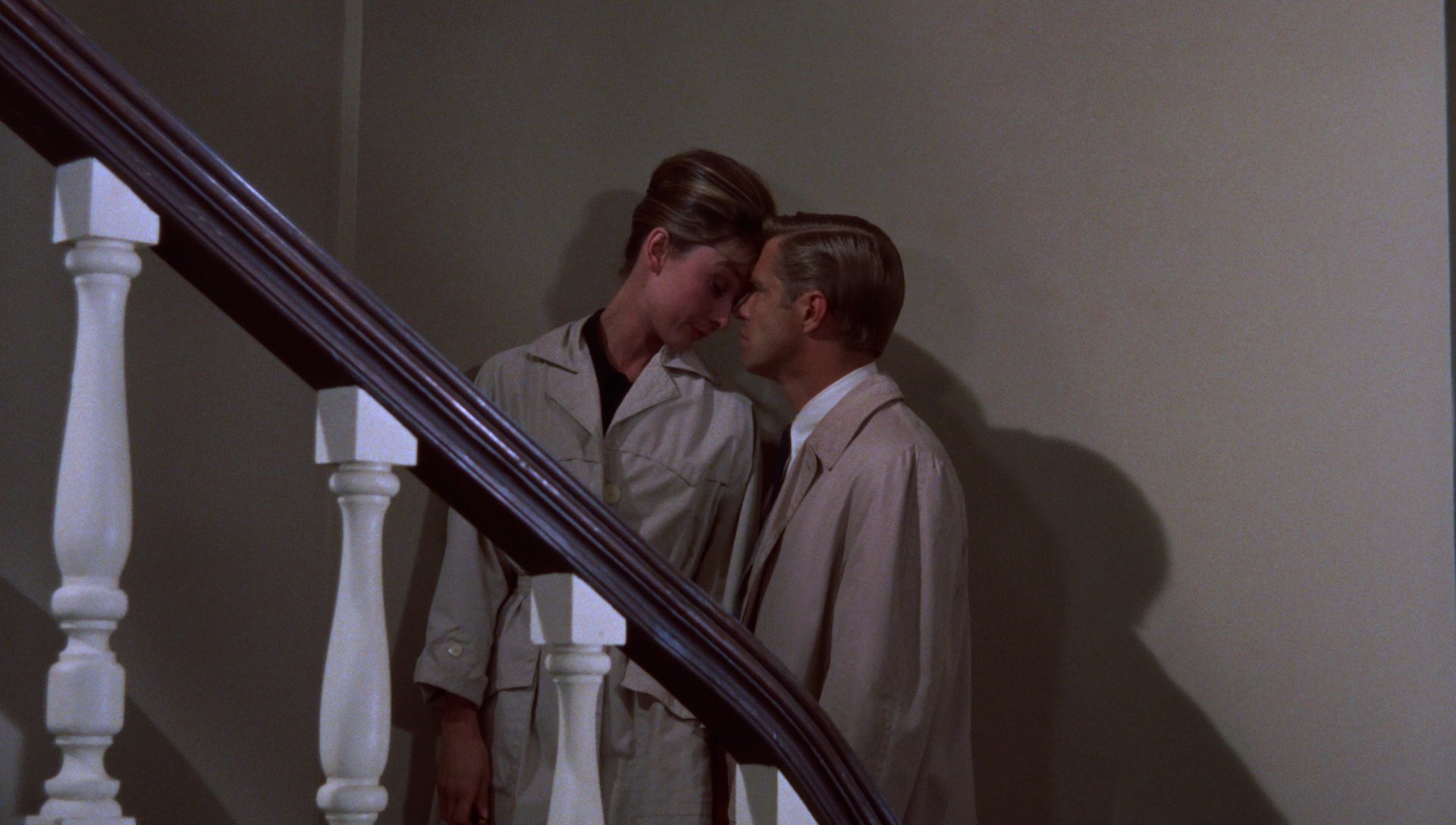
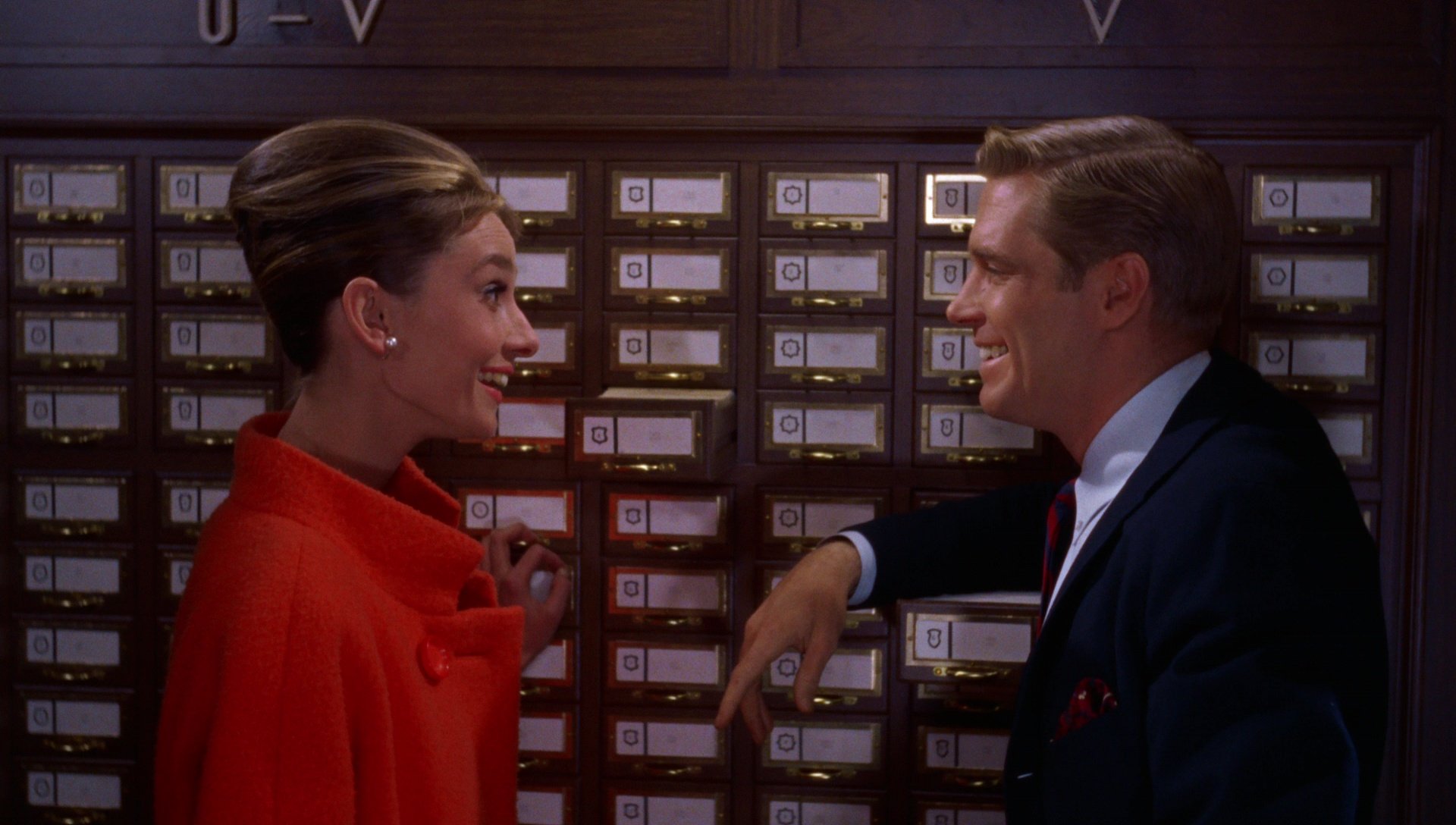
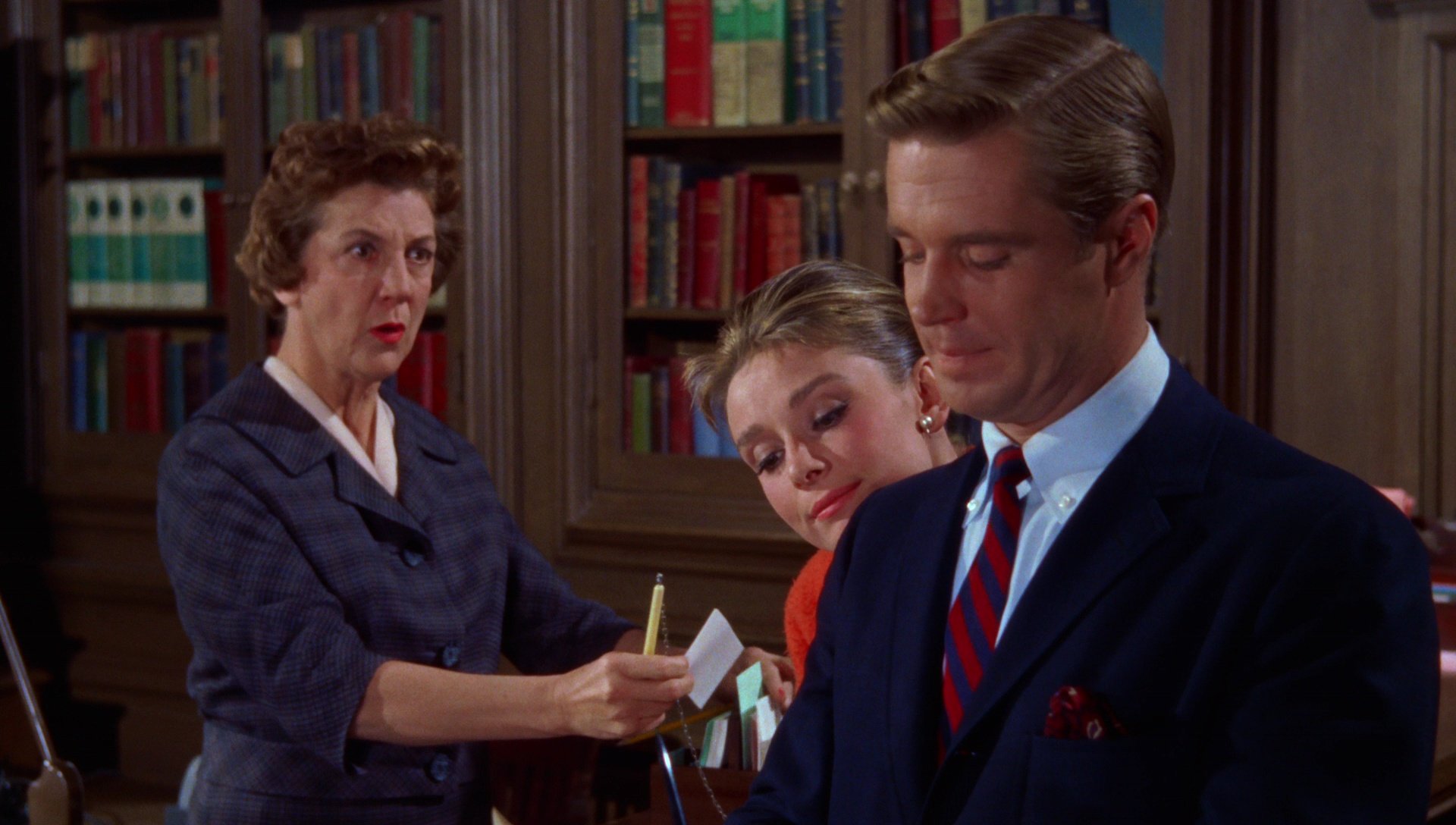
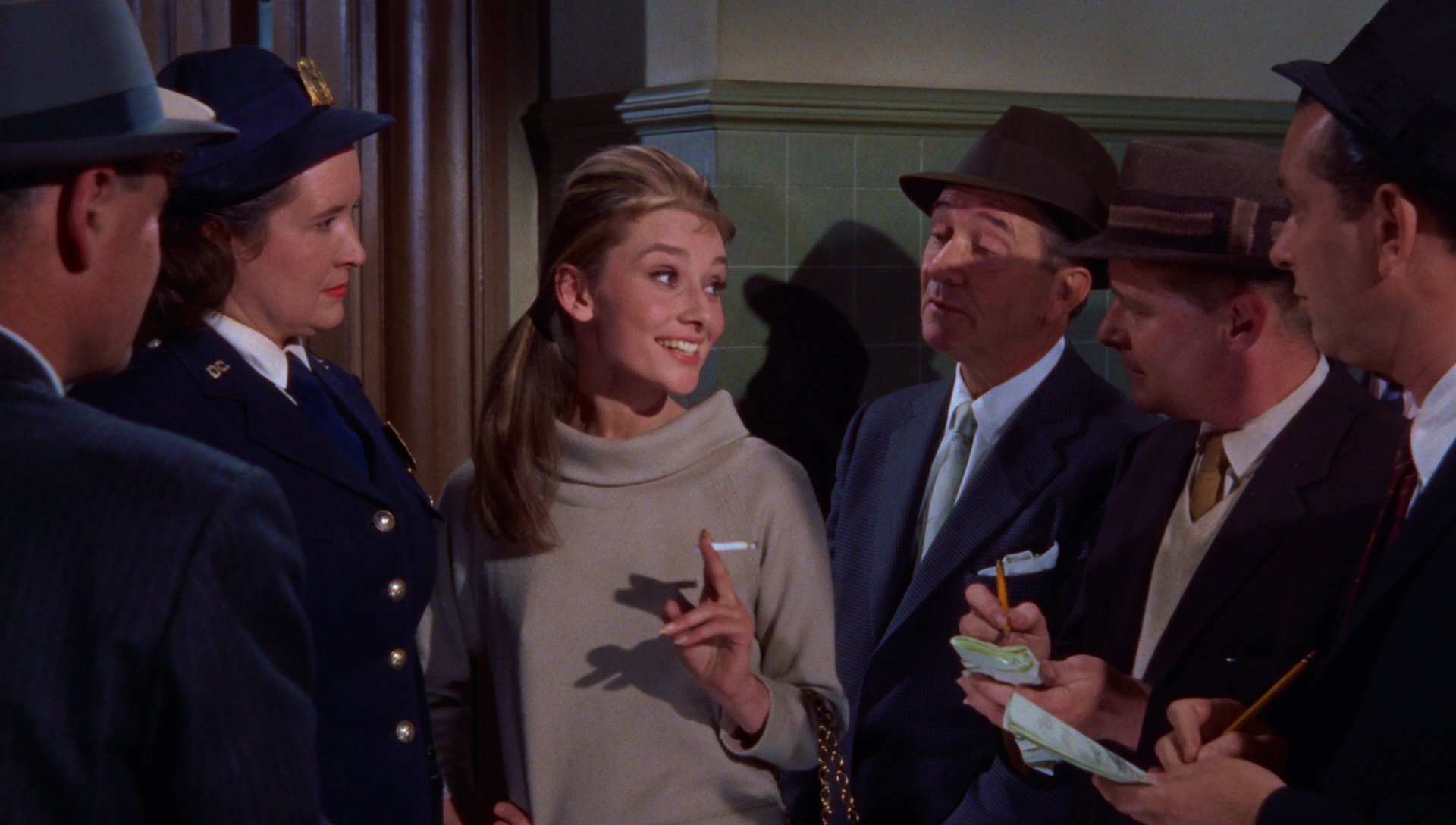
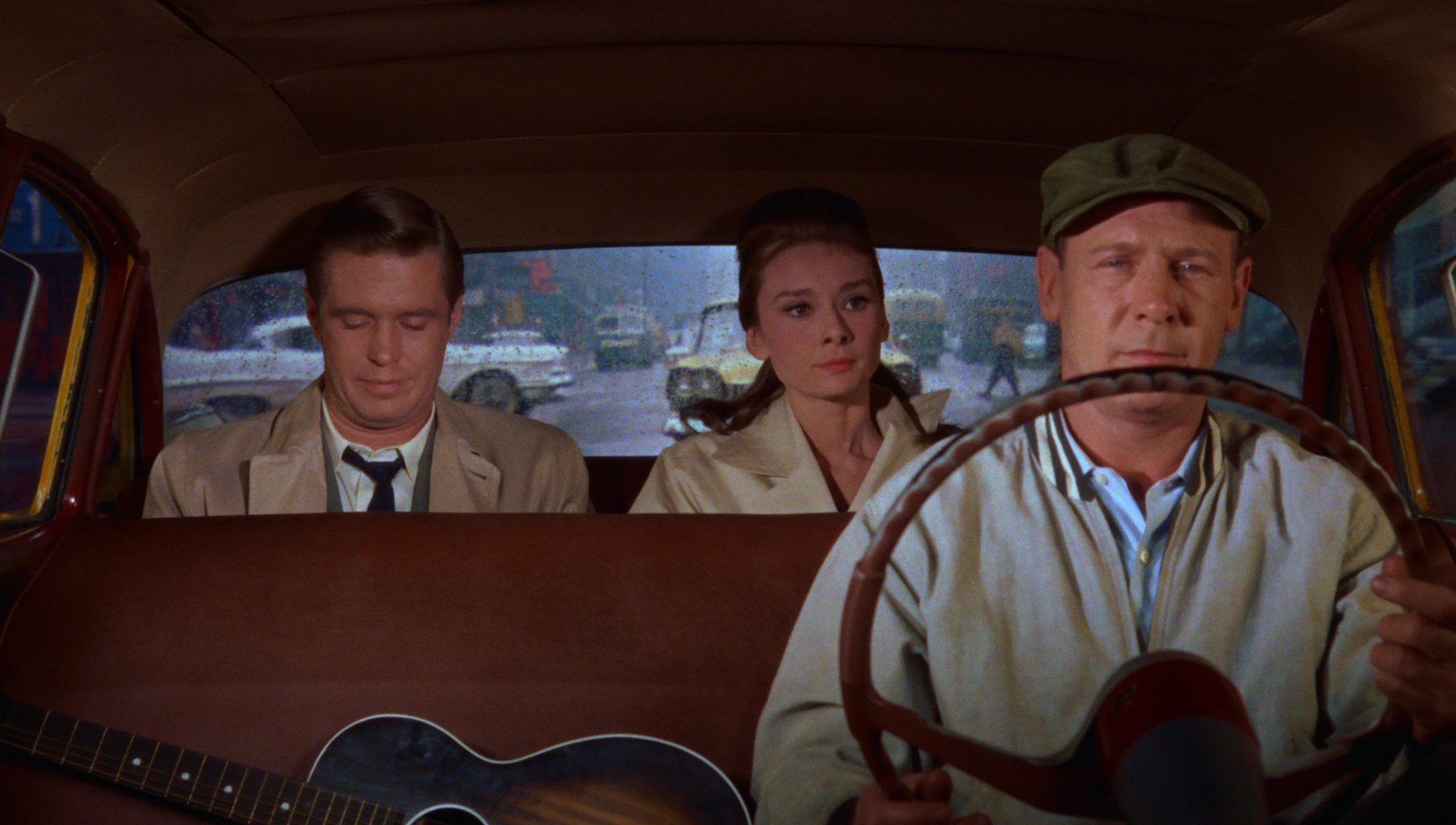
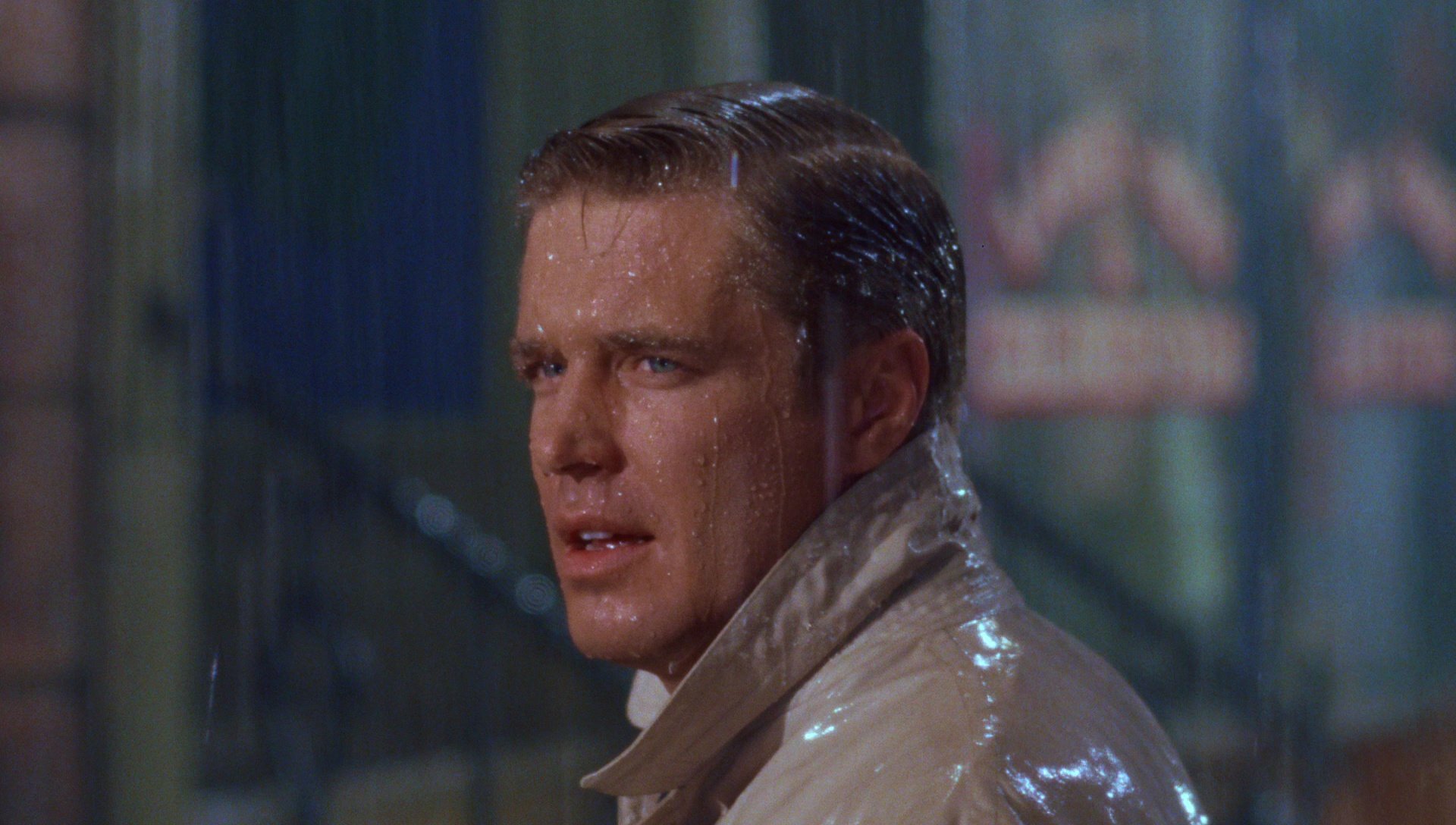
Adapted from the novella by Truman Capote and directed by Blake Edwards, Breakfast at Tiffany’s tells the story of a young writer who becomes involved with his enigmatic and vibrant neighbour, Holly Golightly. As he falls in love, he tries to understand the deeper instability and unresolved past experiences that lie beneath her social life.
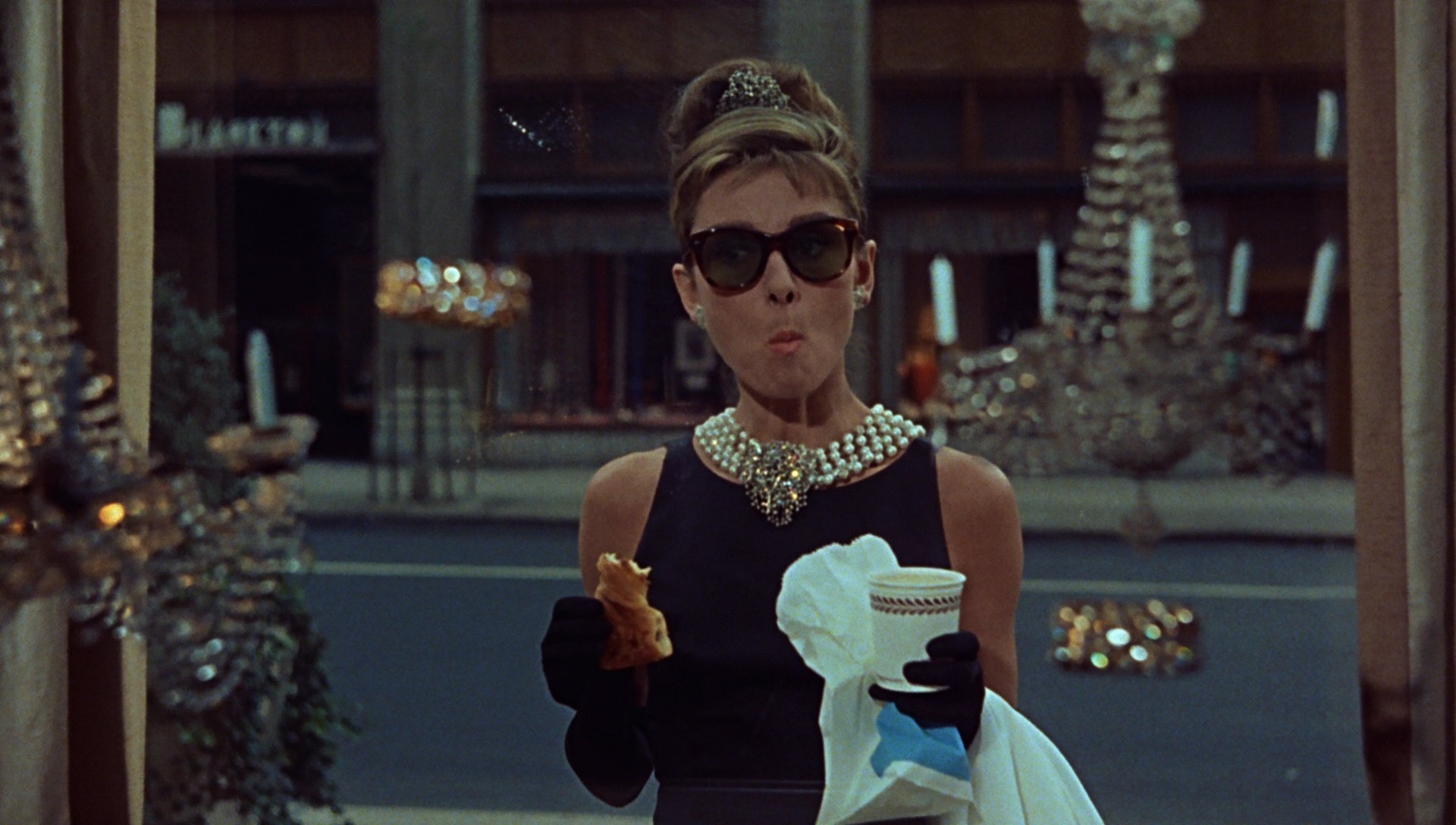
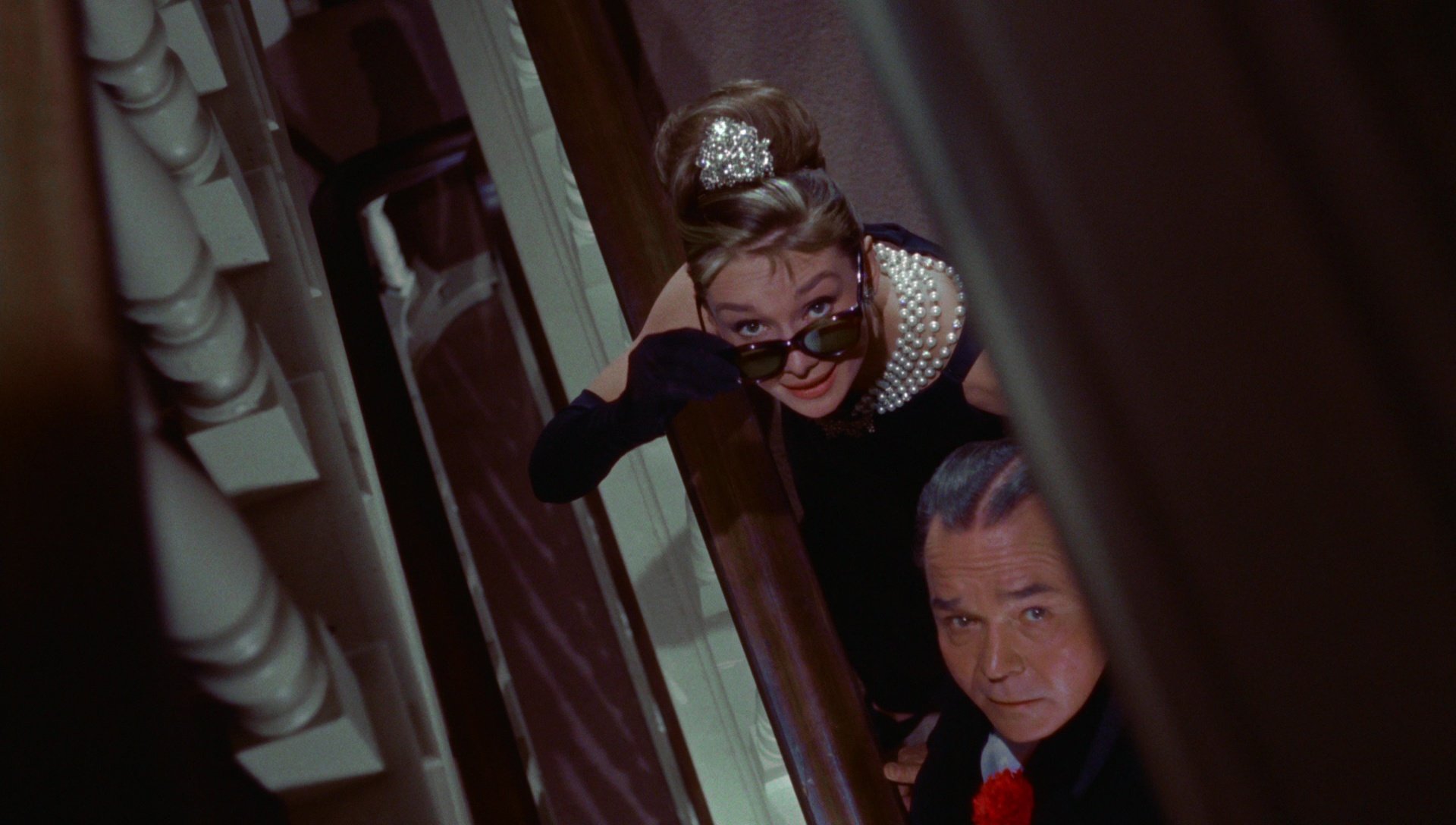
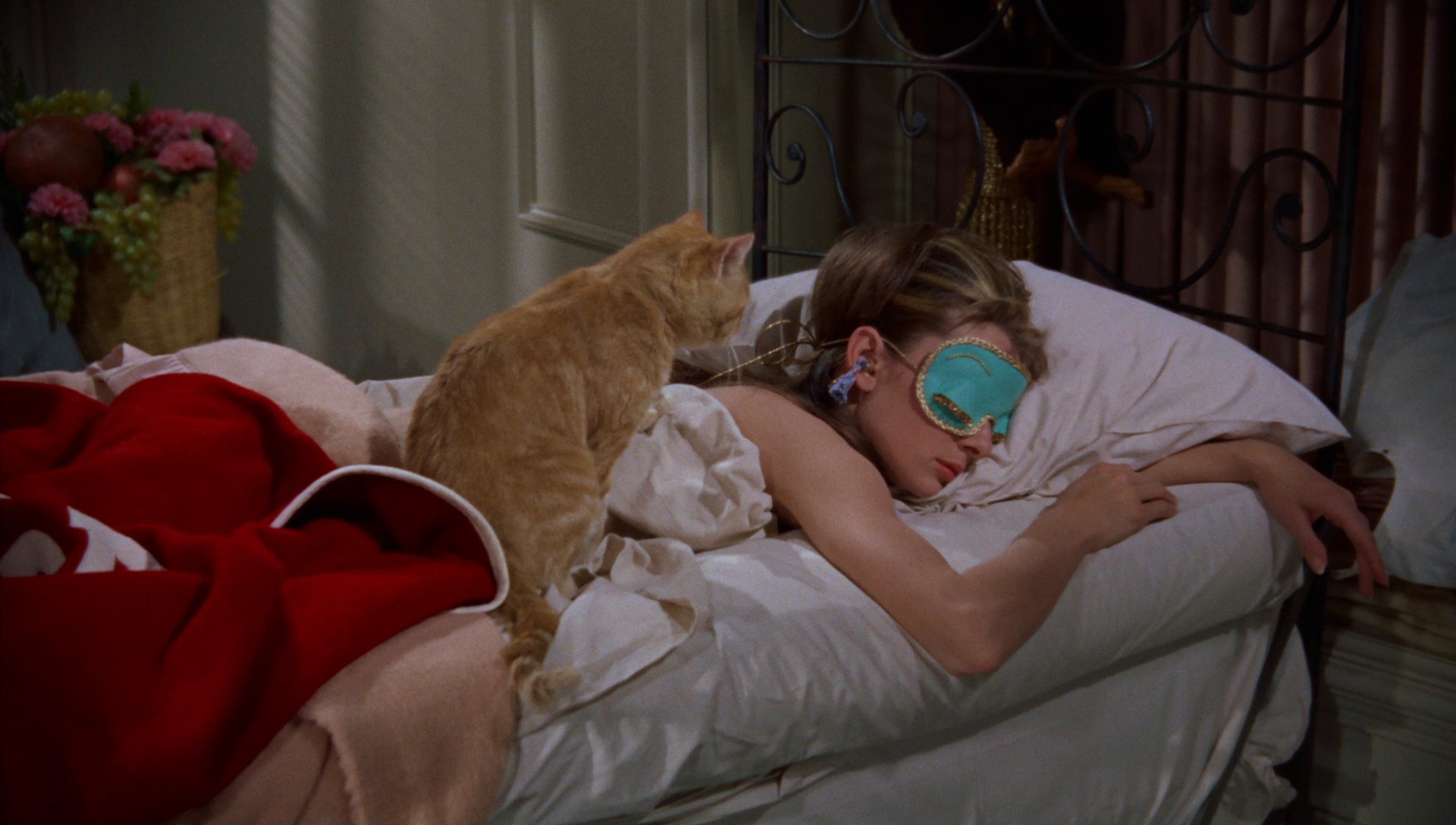
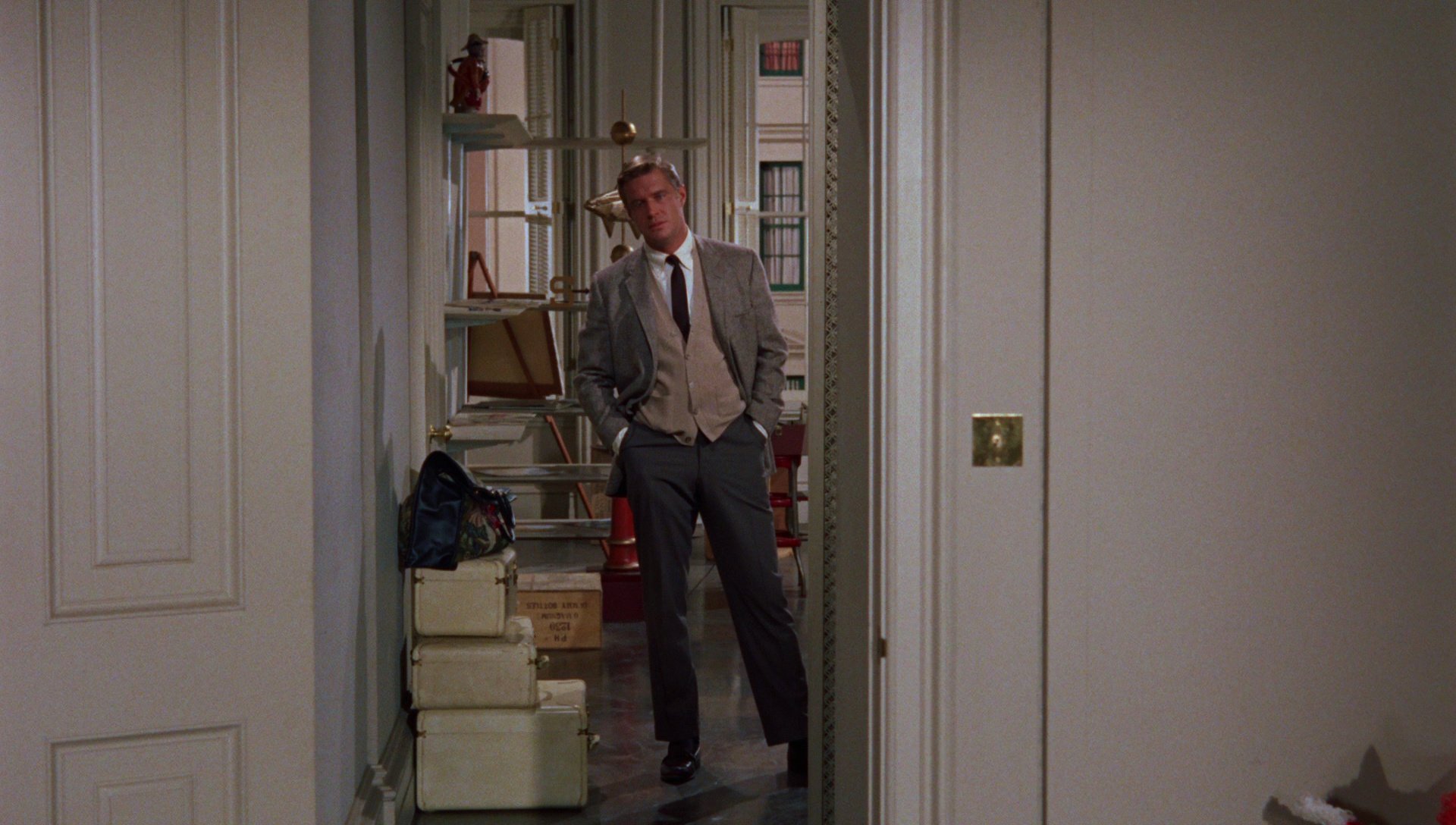
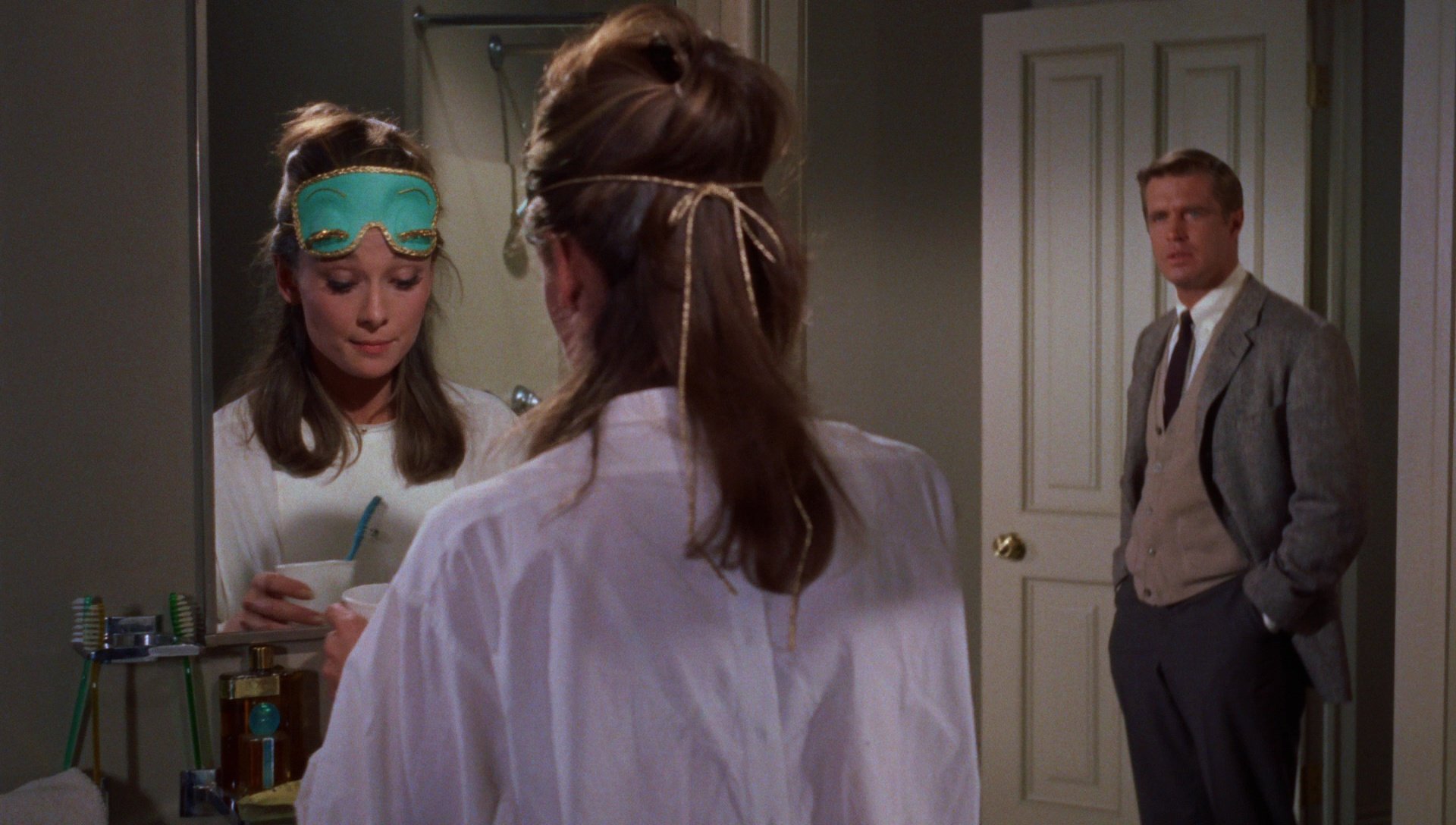
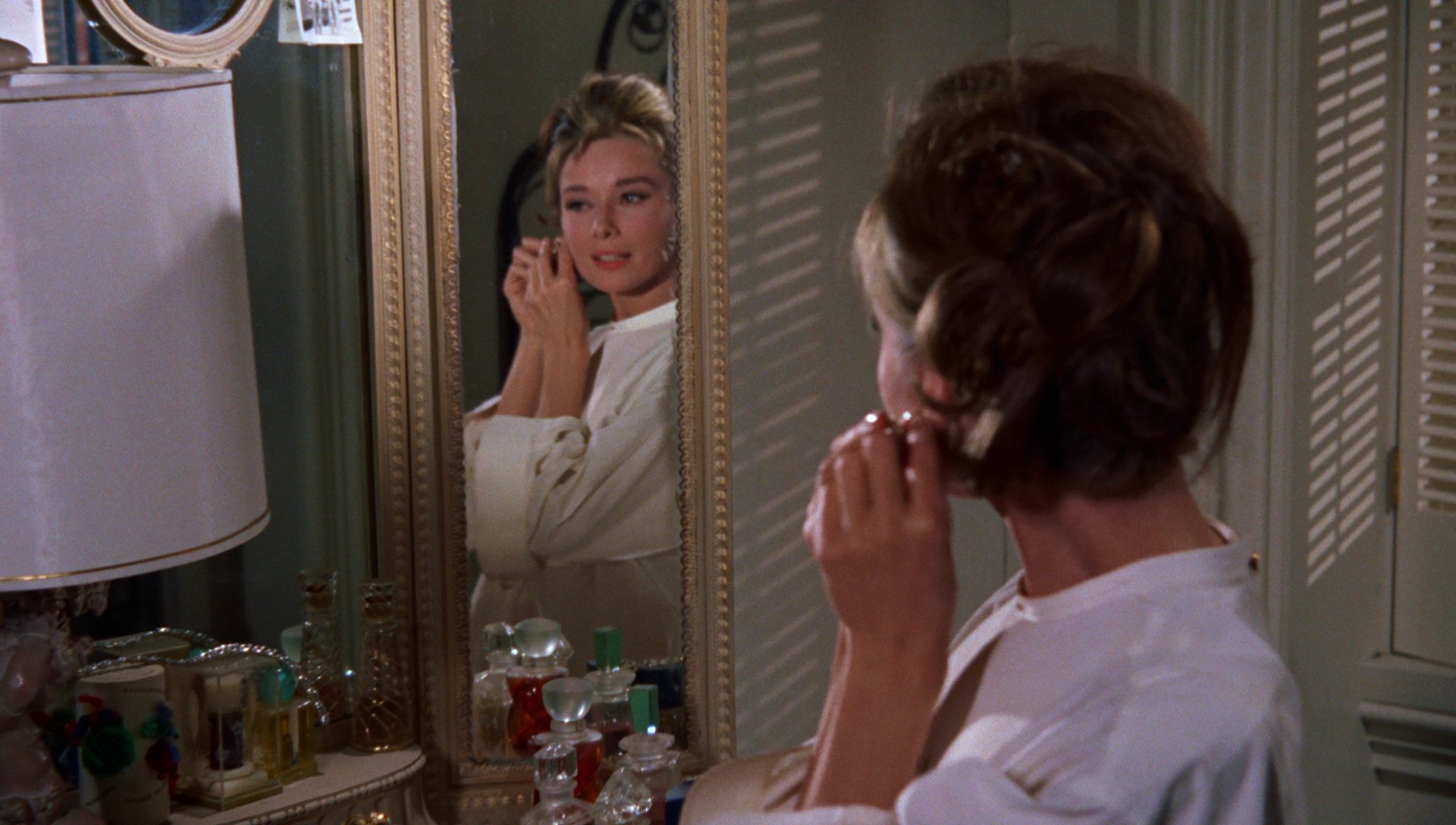
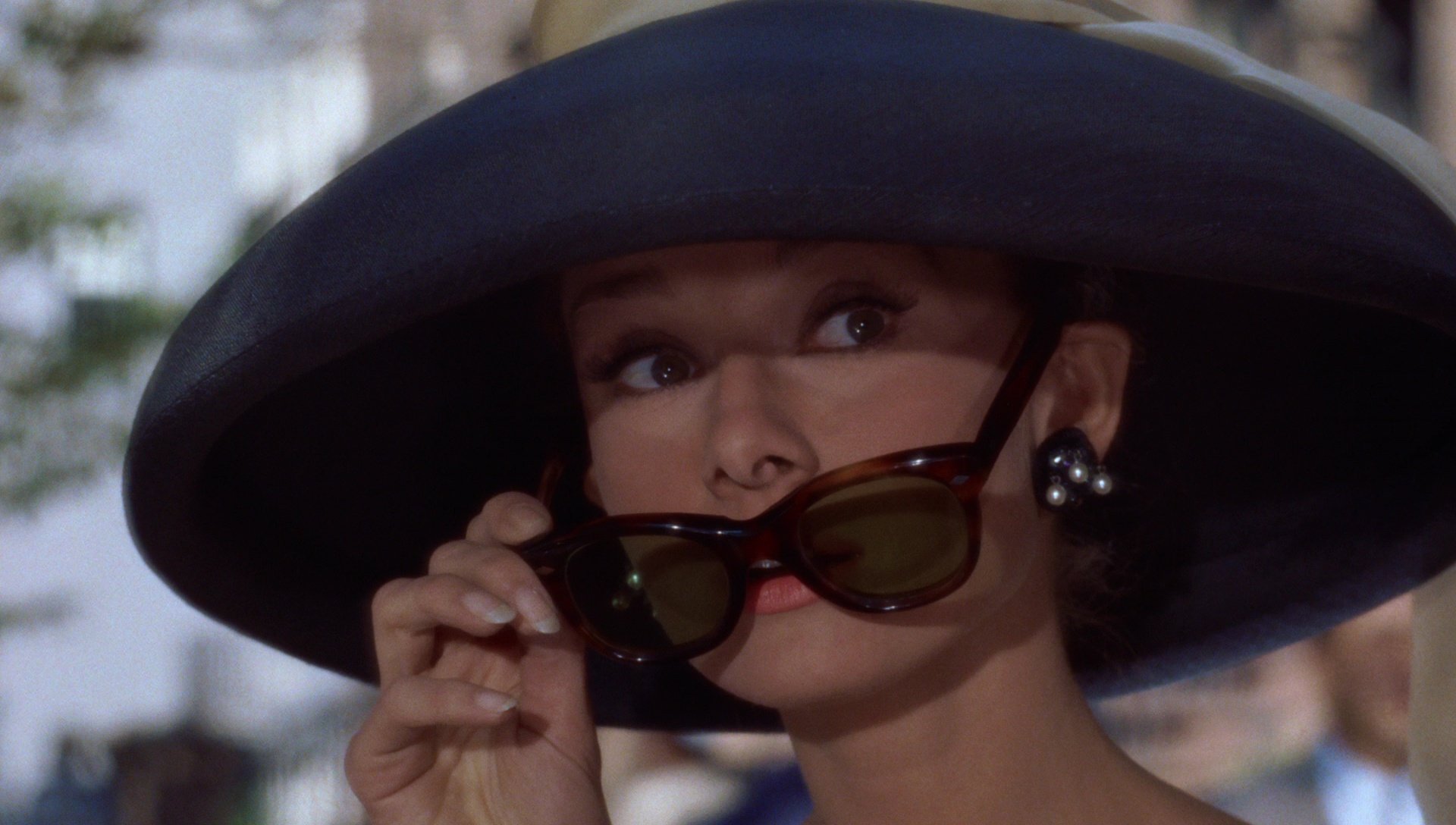
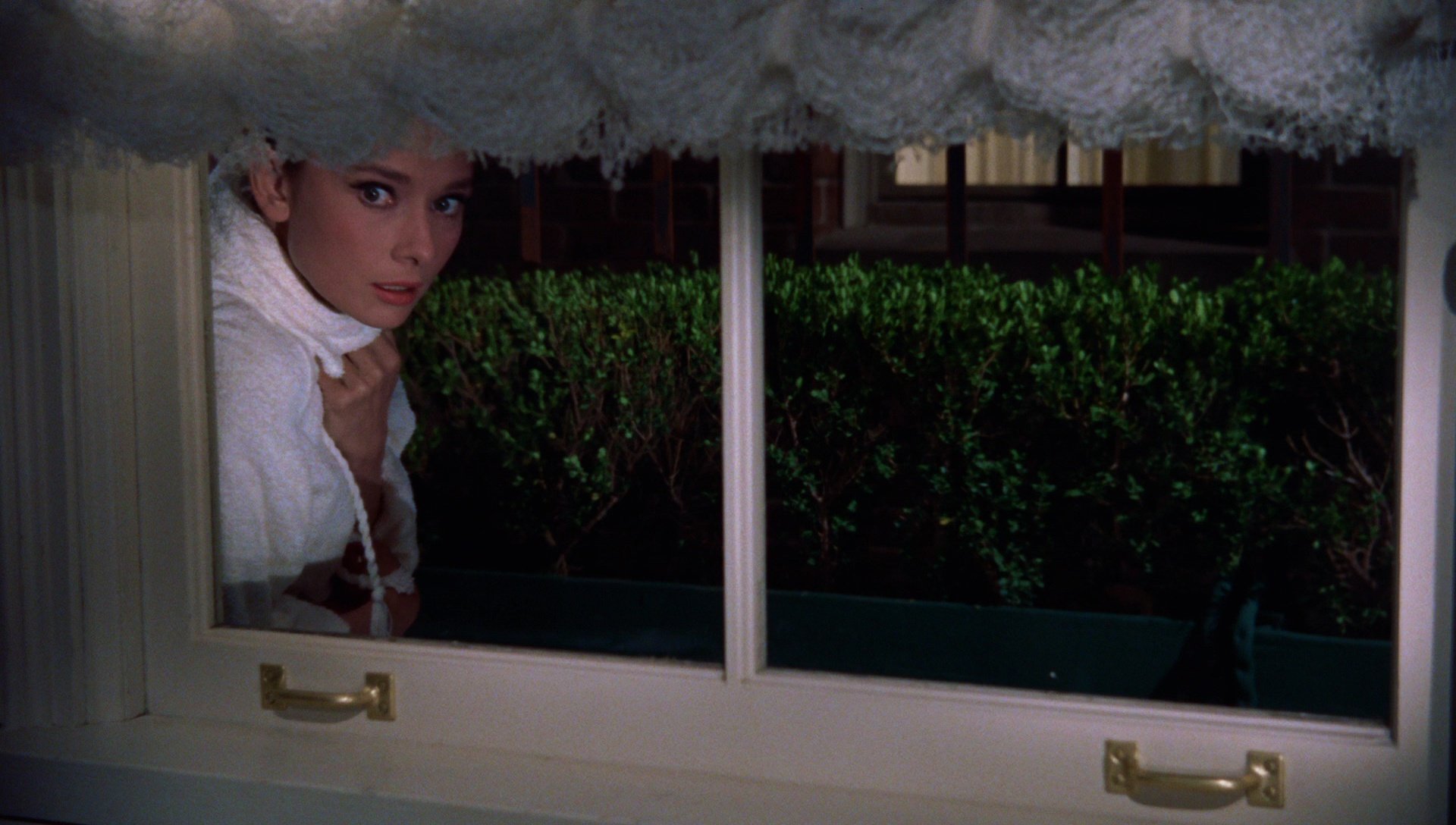
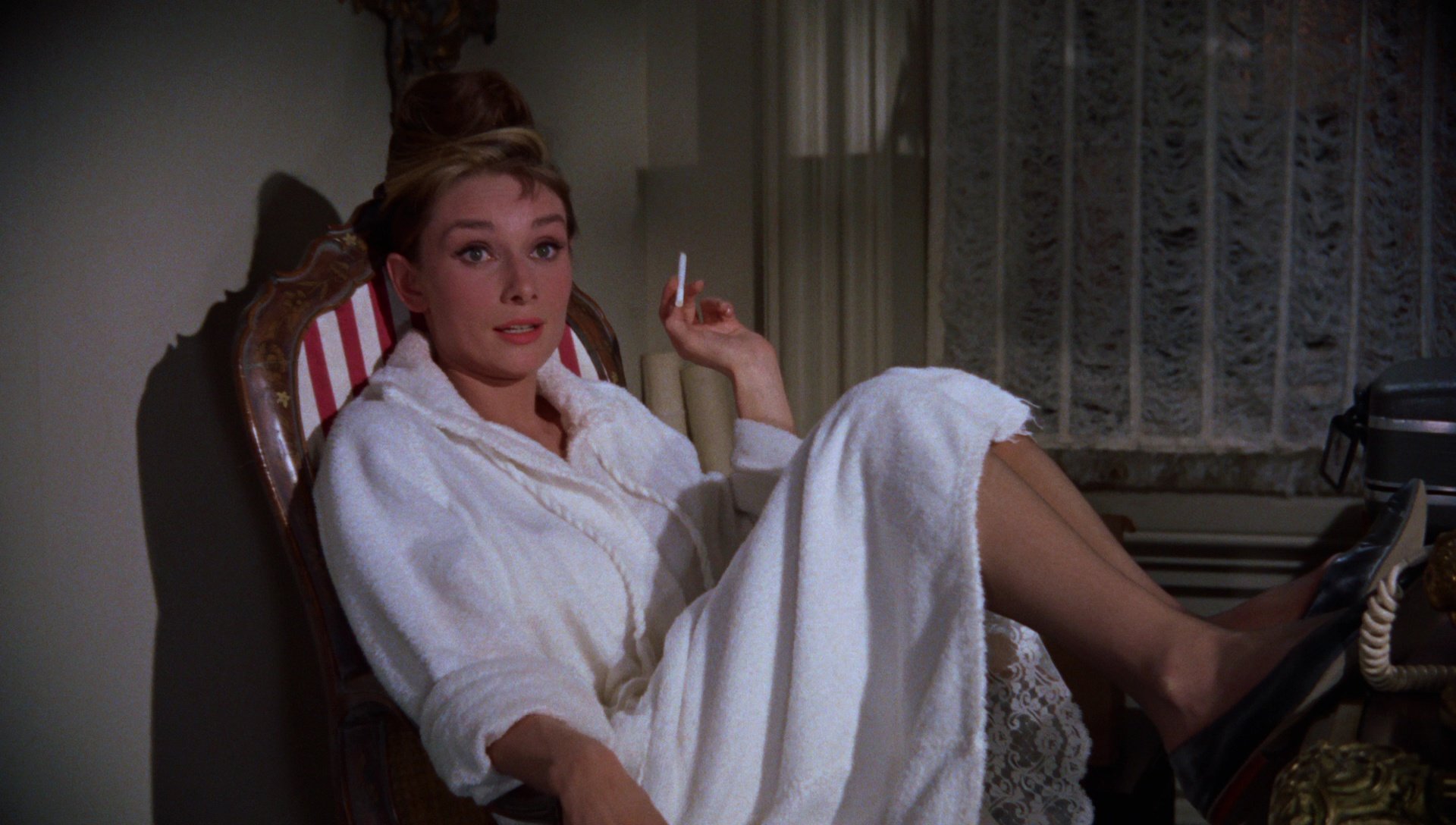
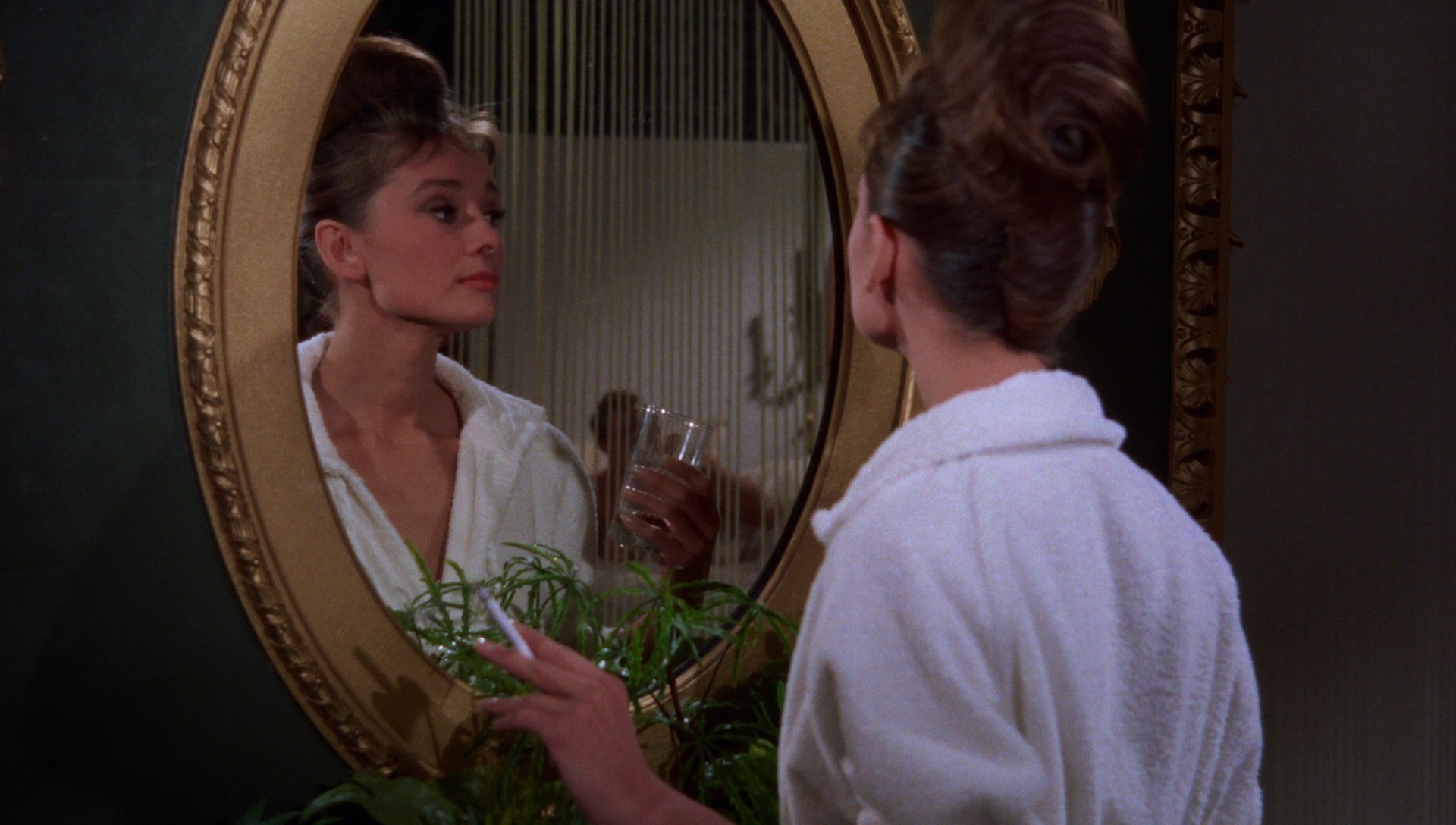
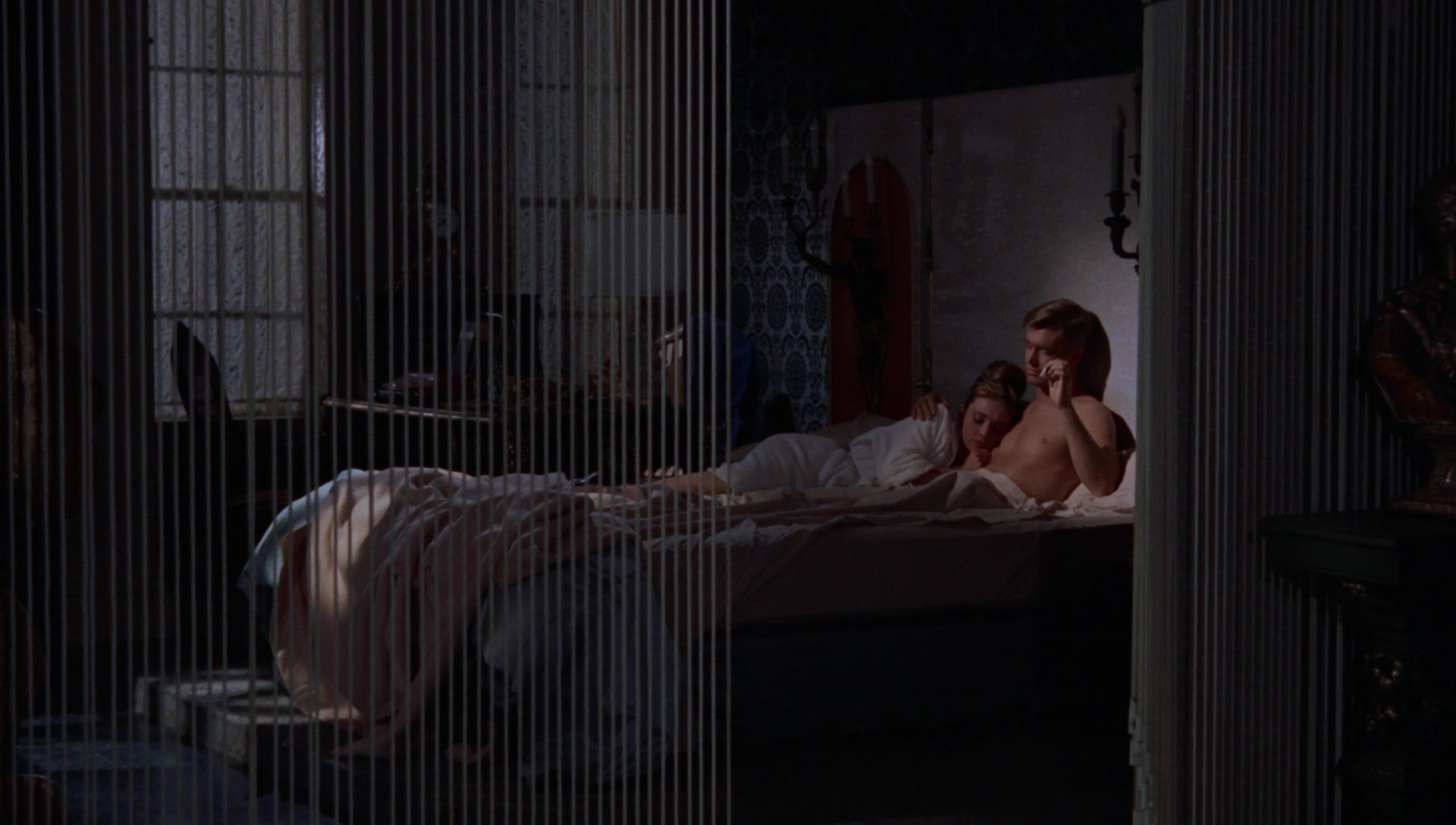
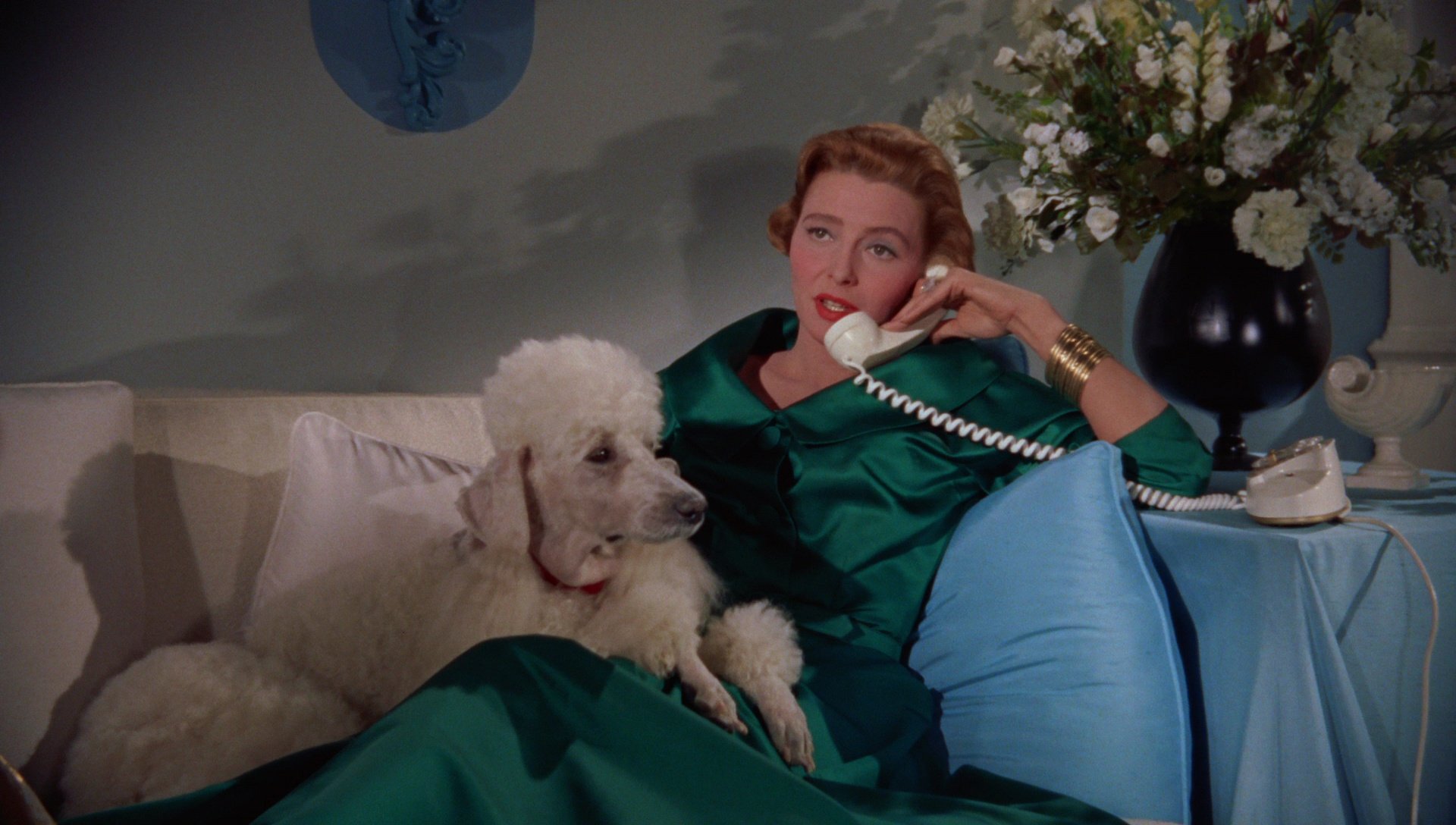
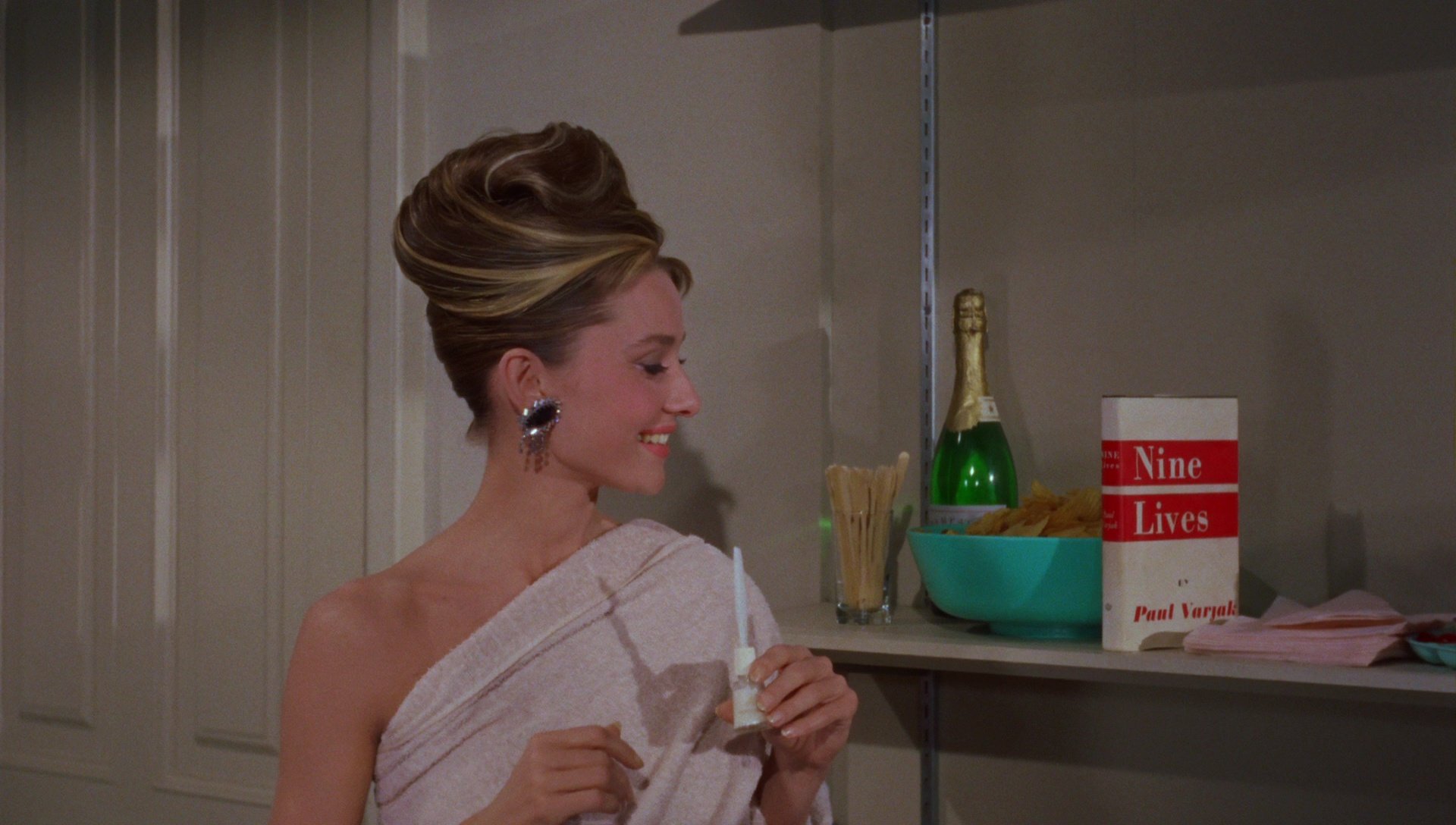
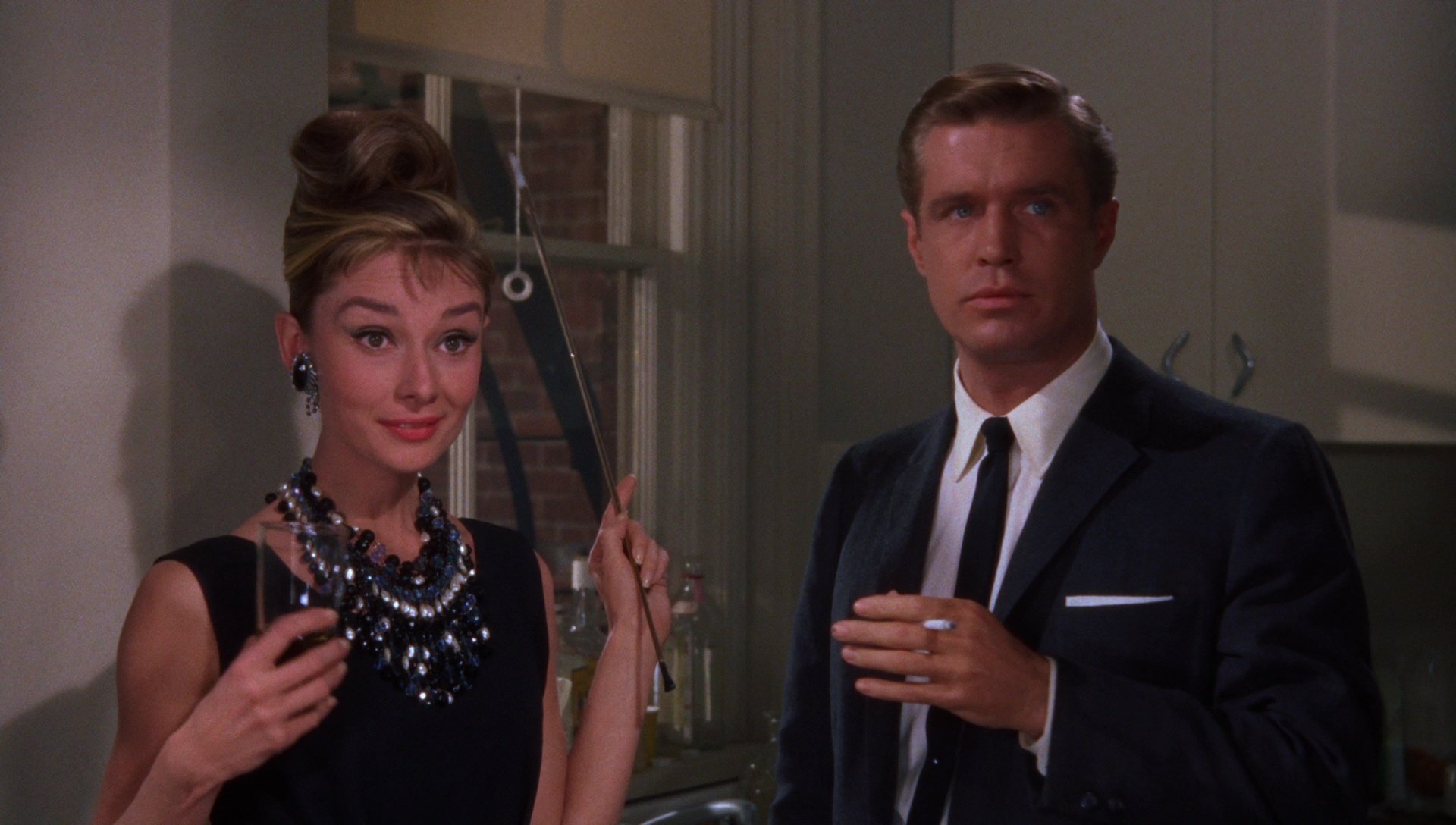
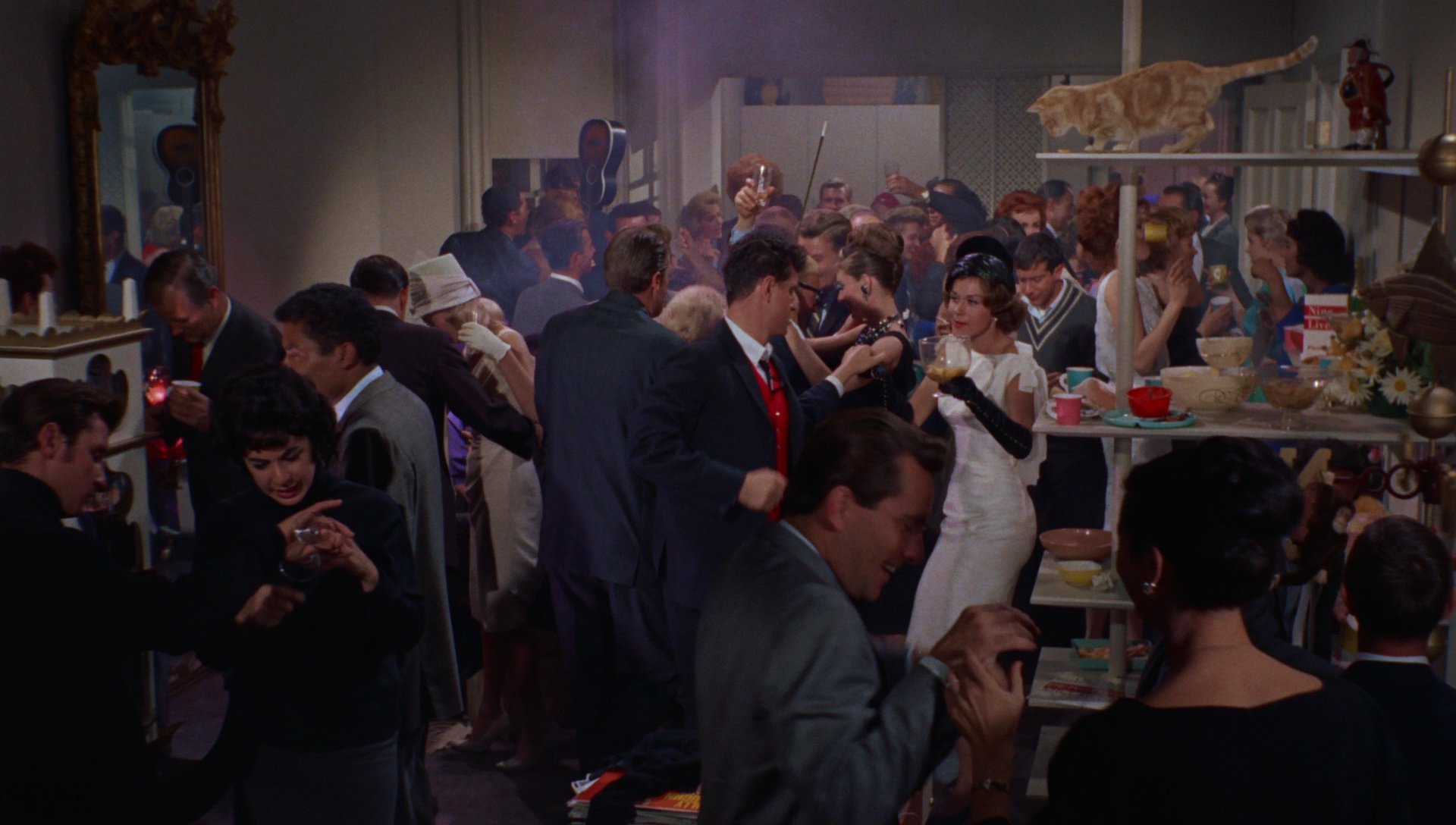
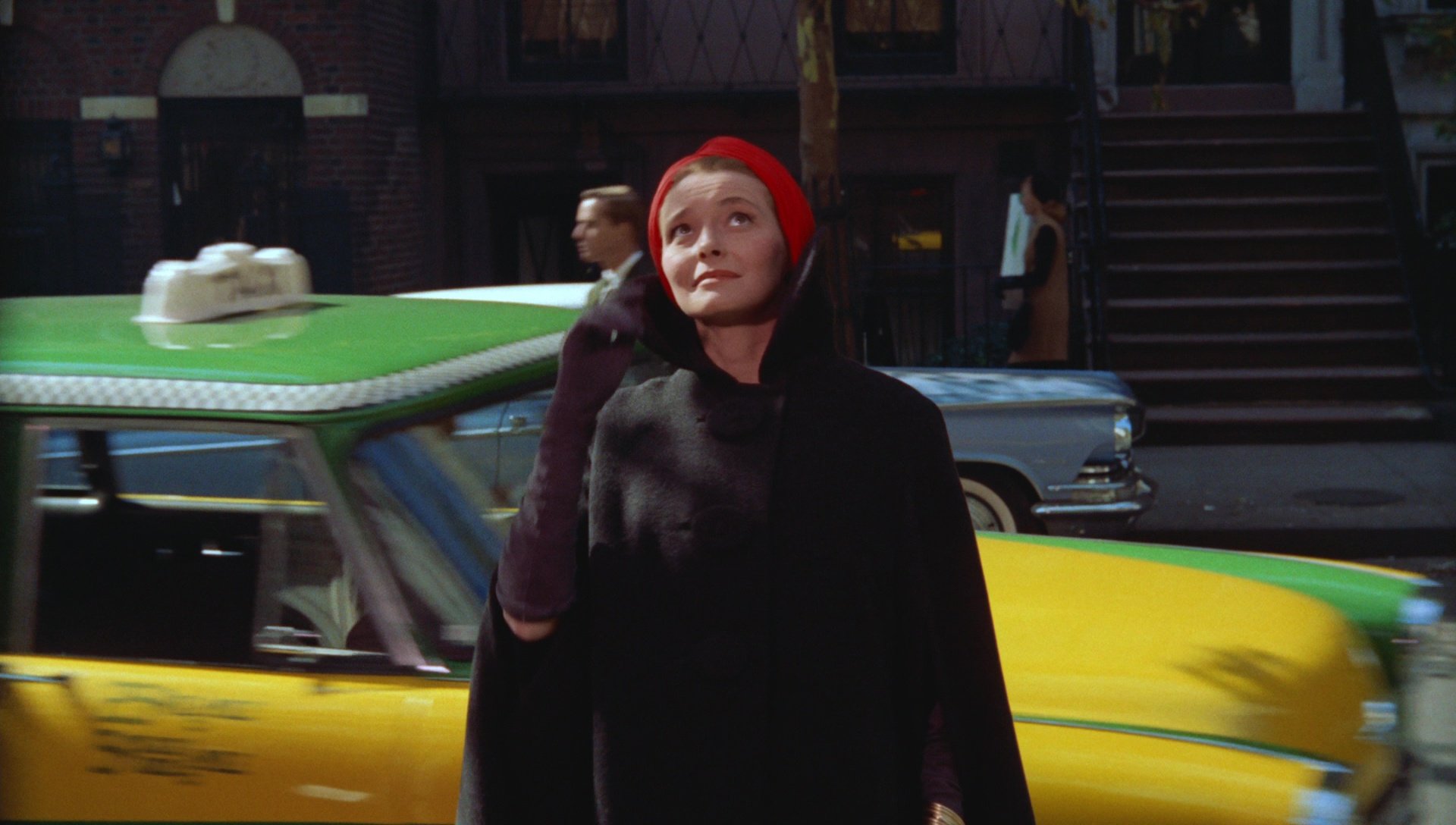
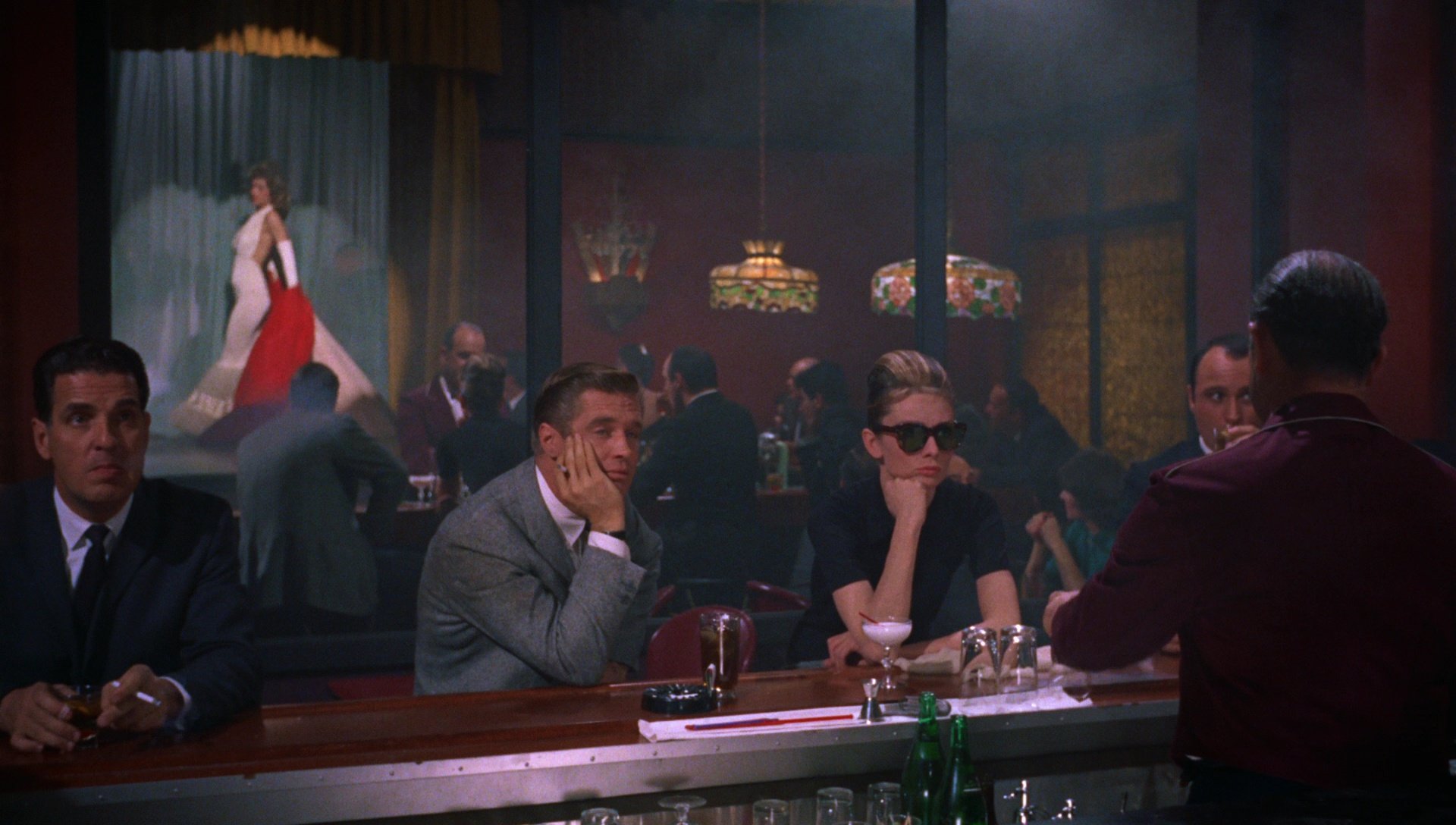
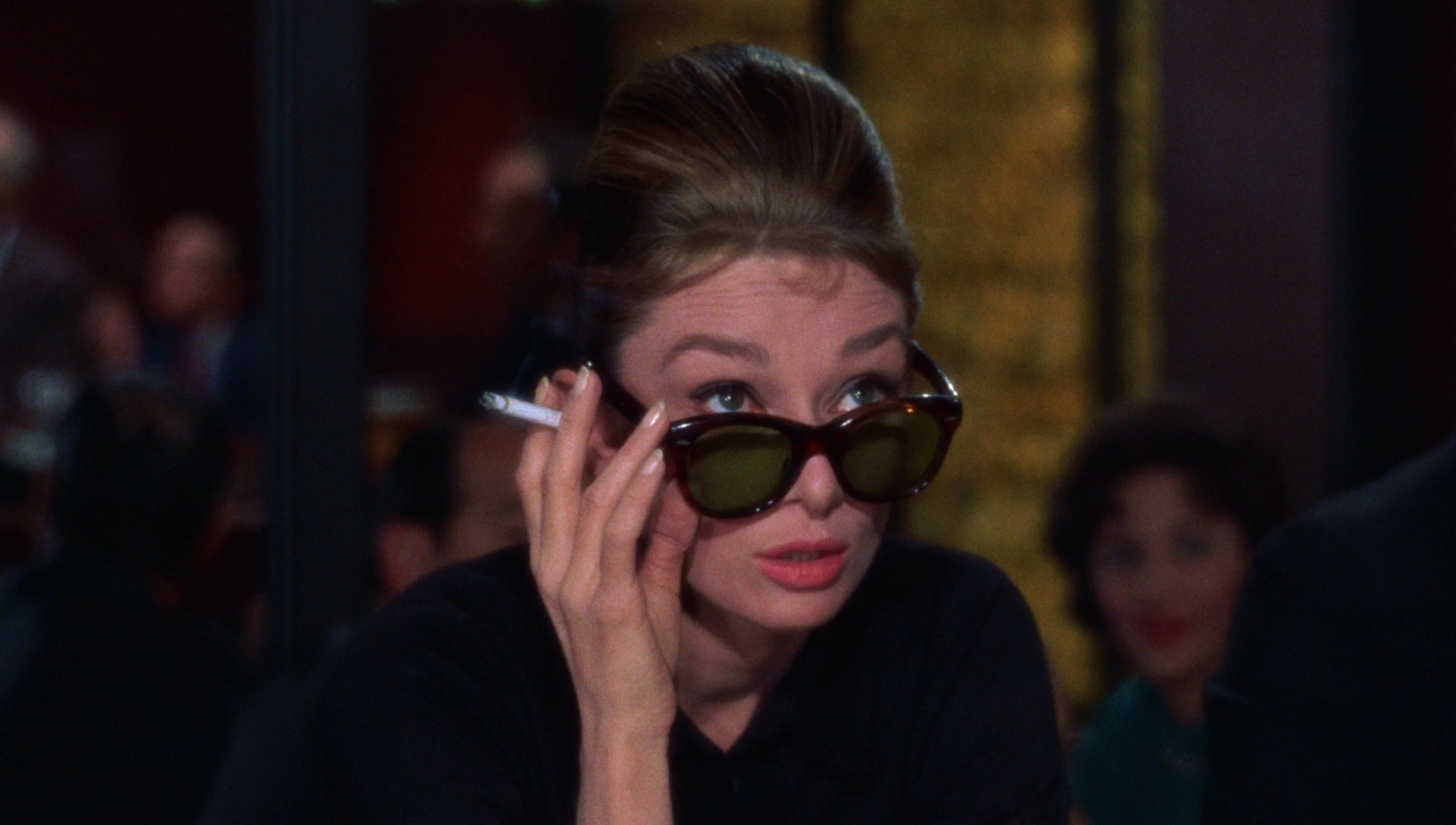
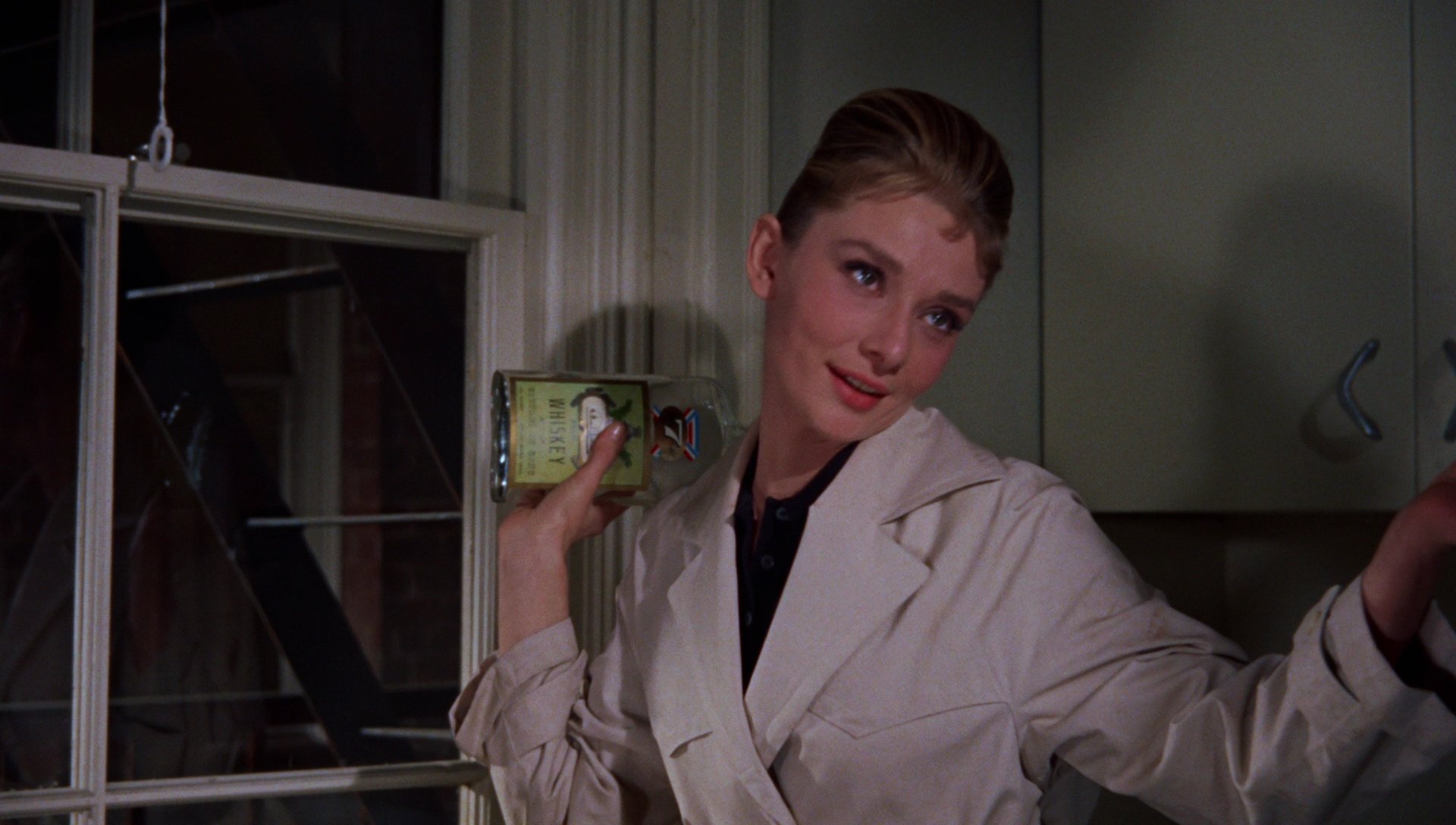
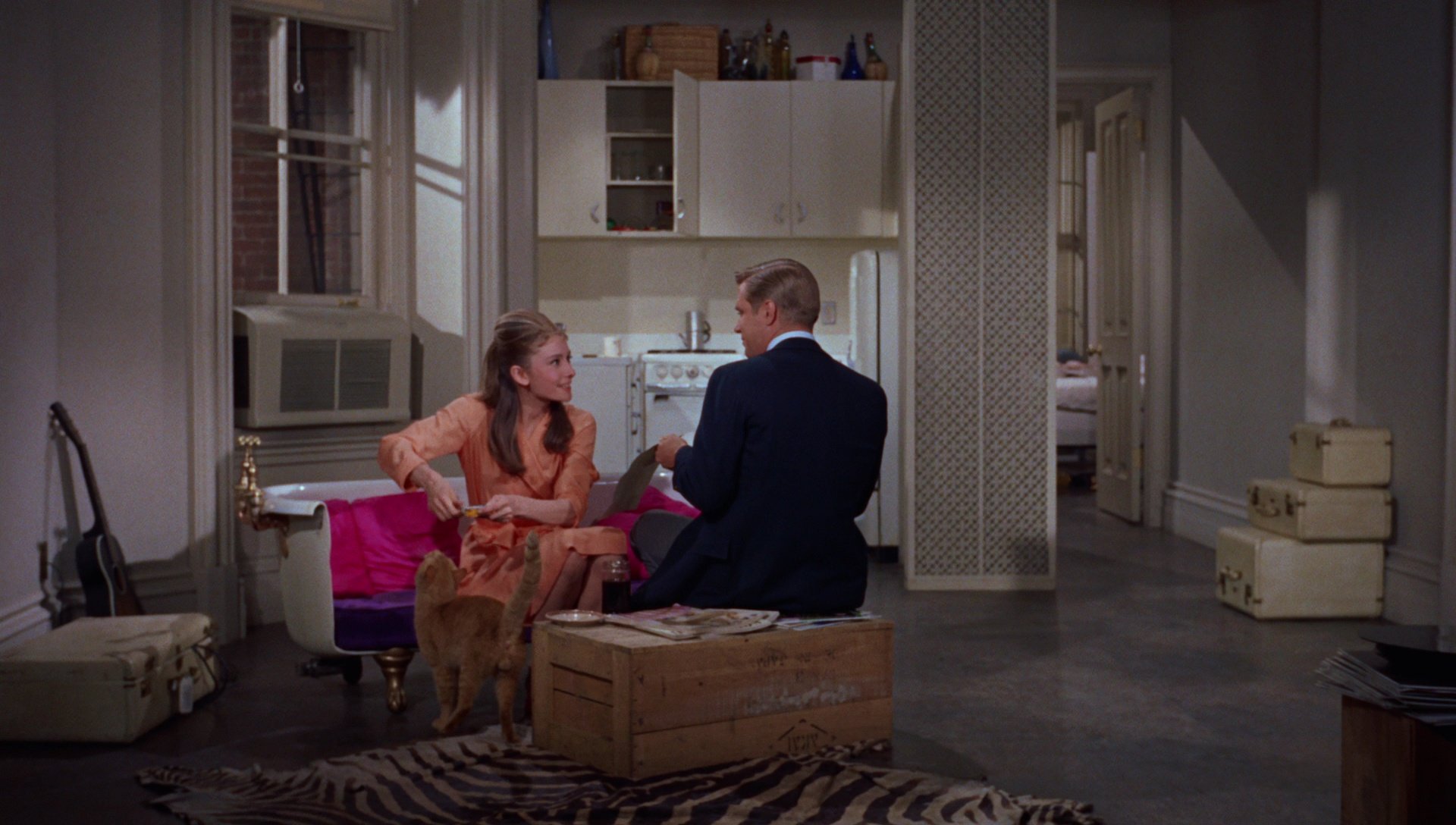
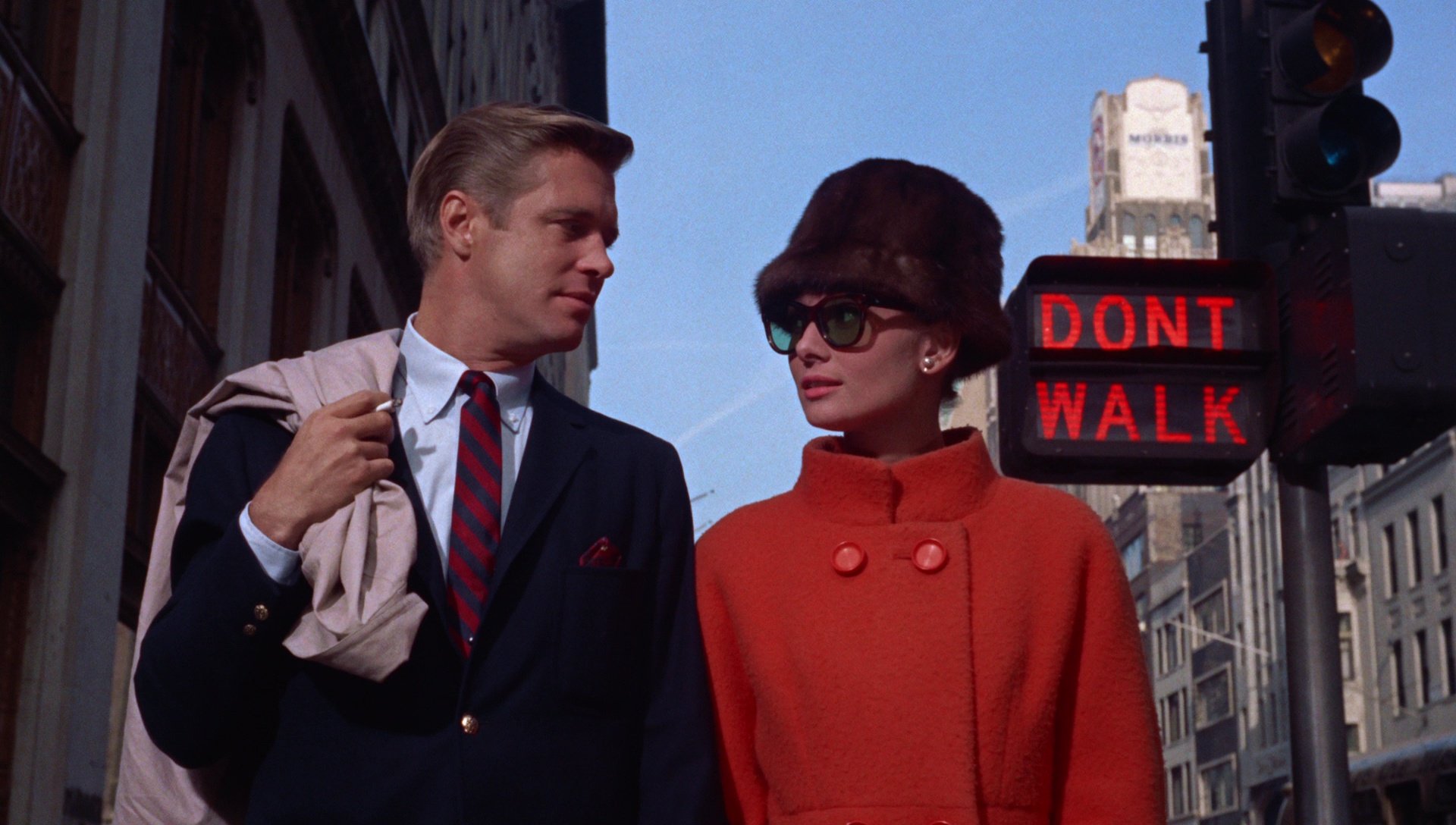
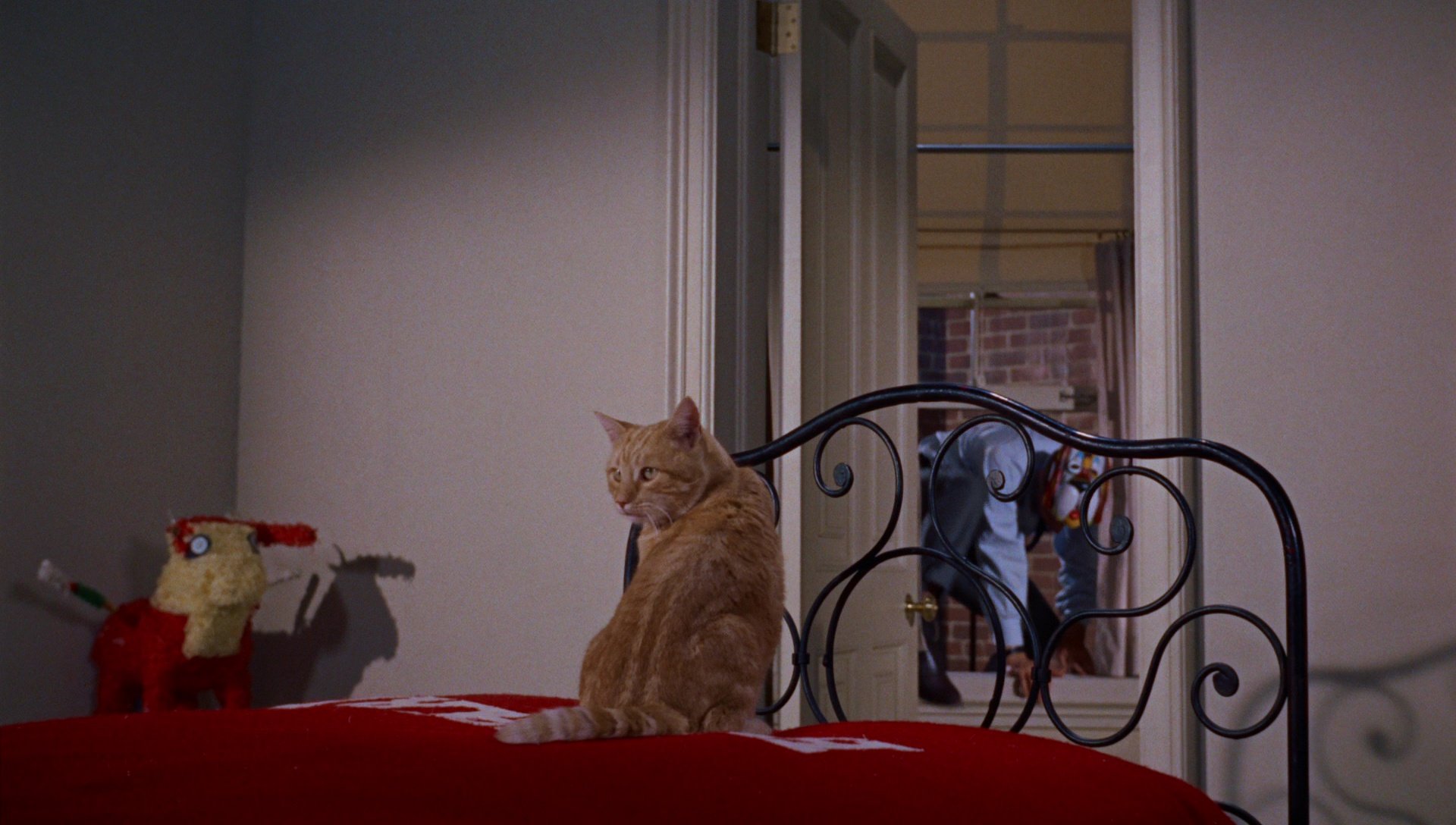
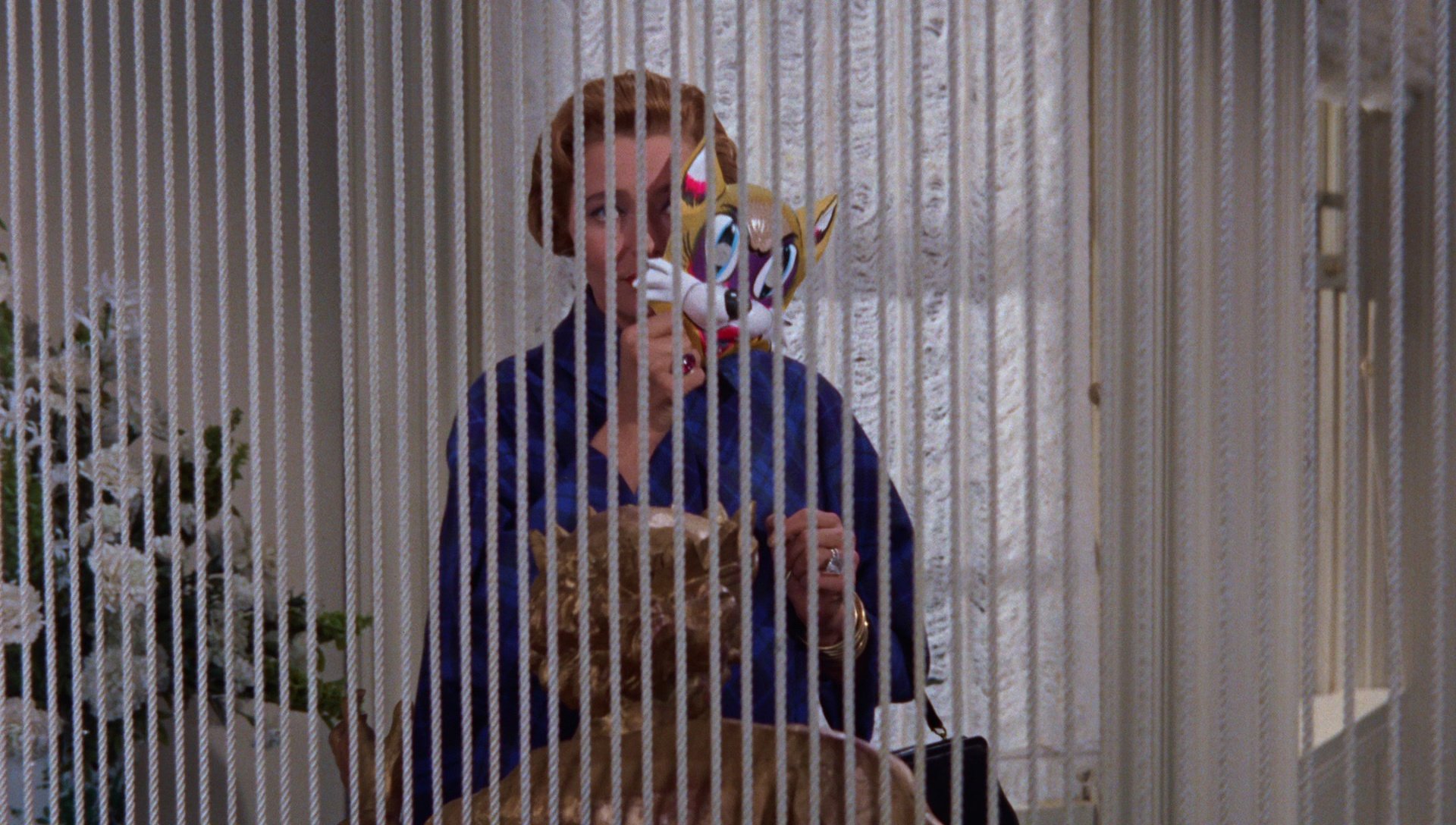
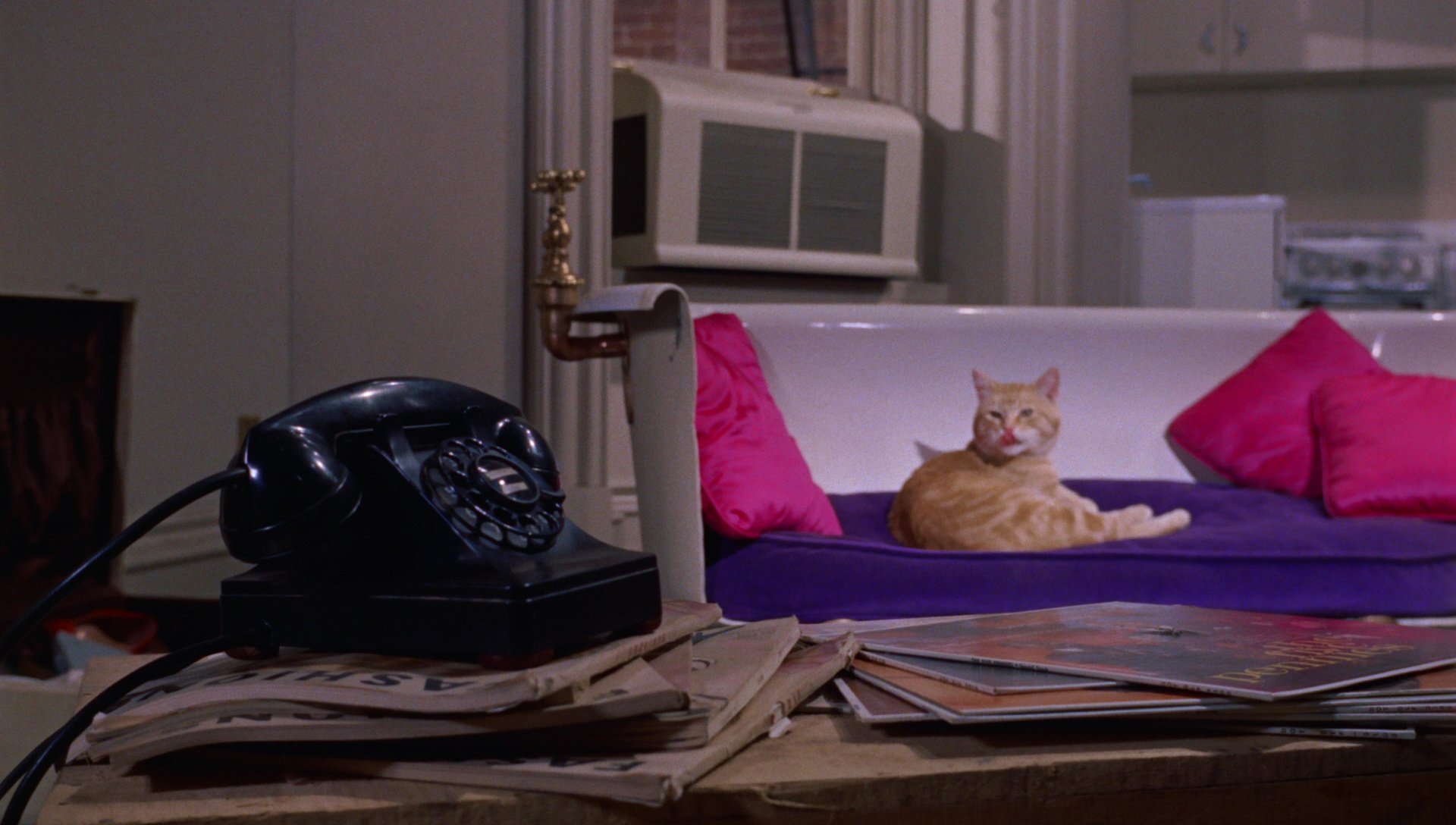
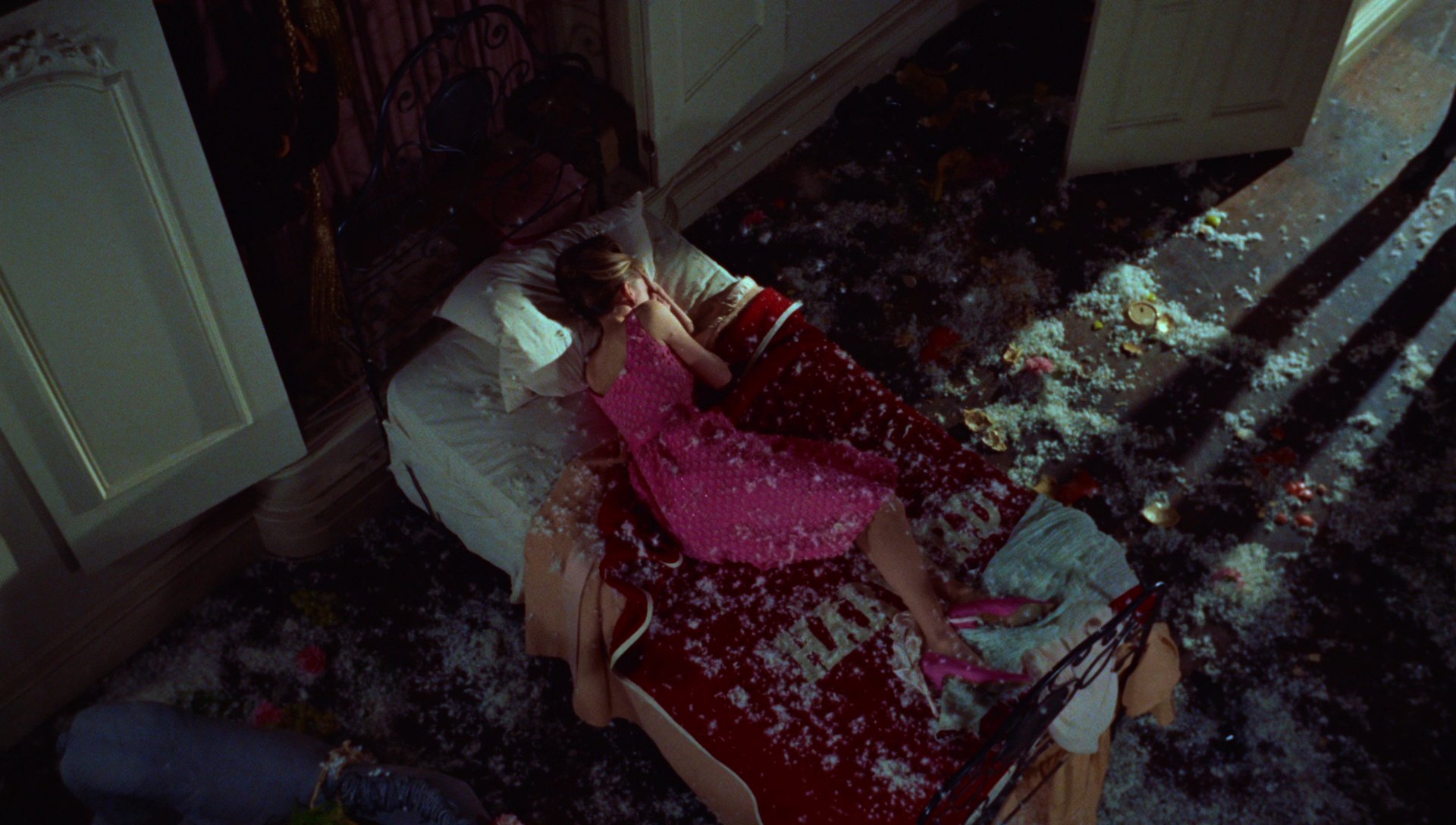
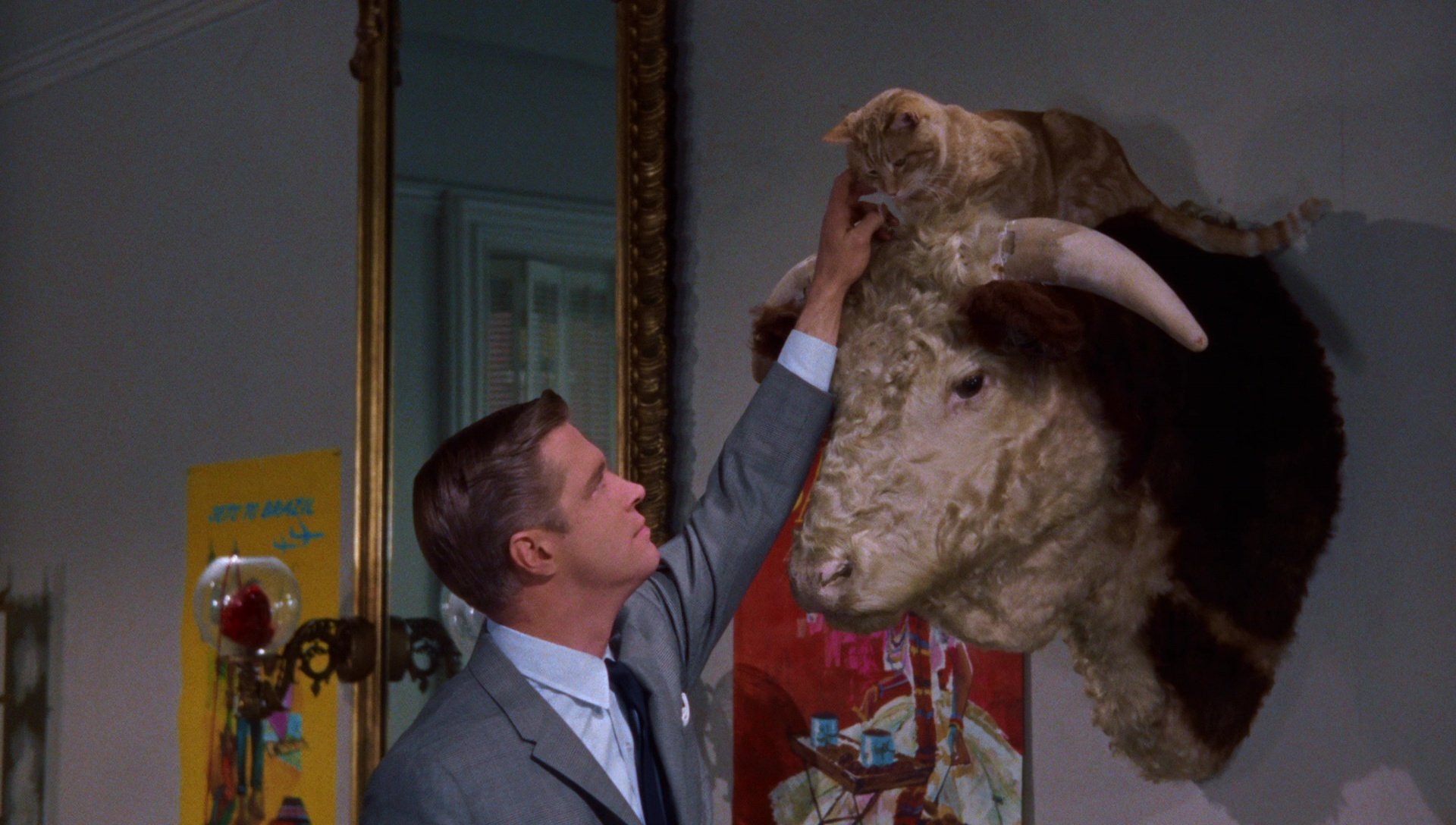
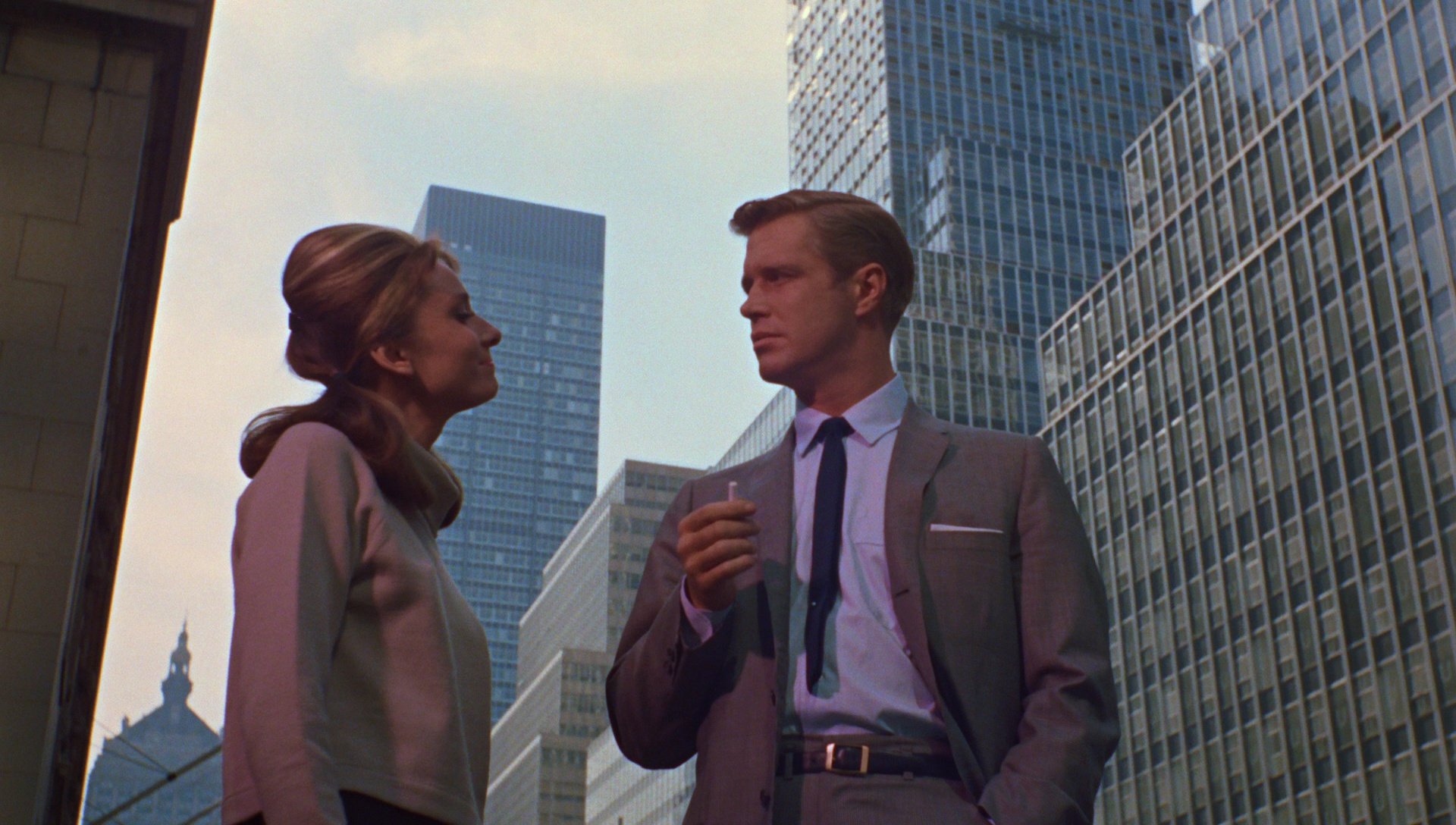
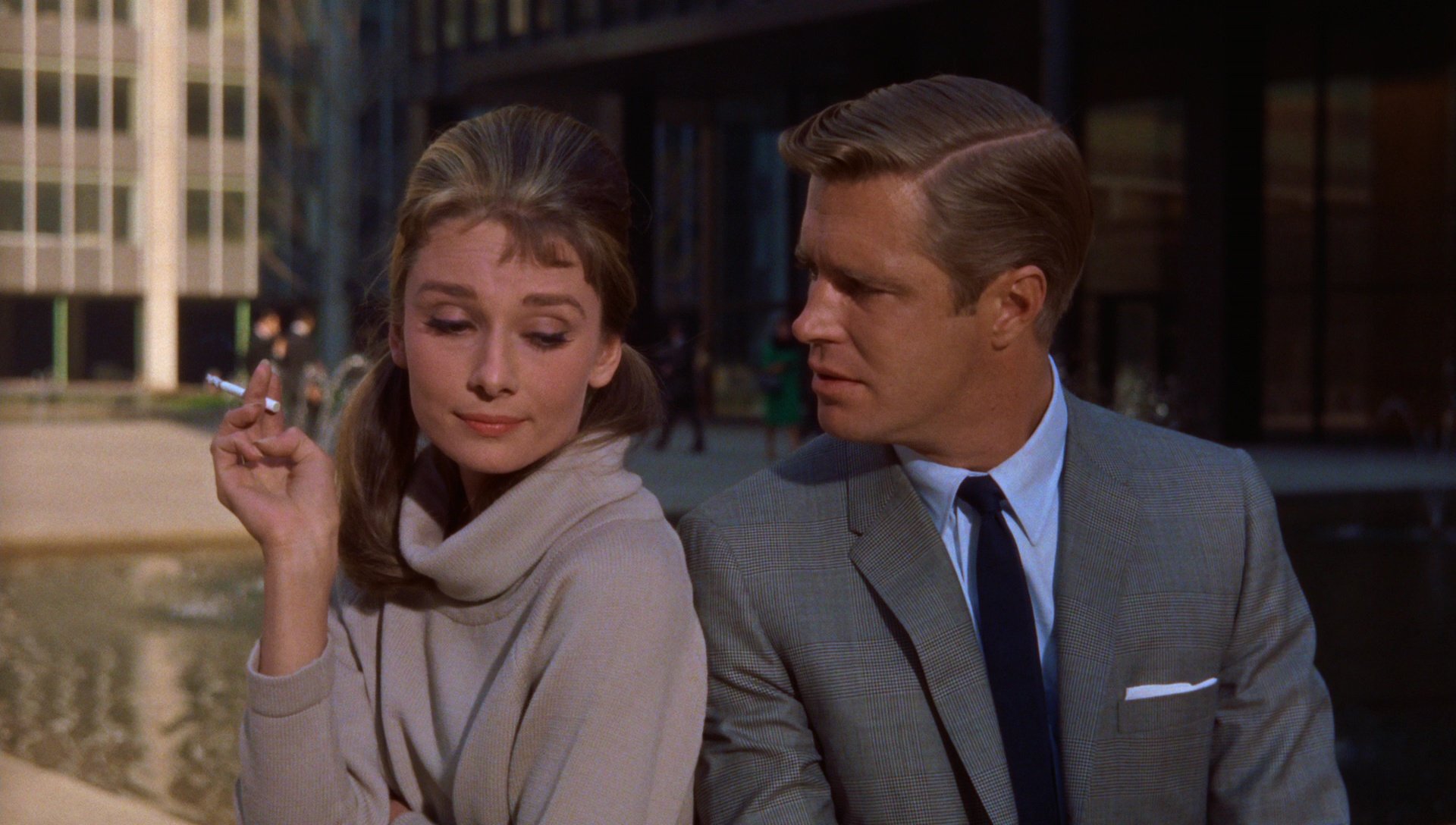
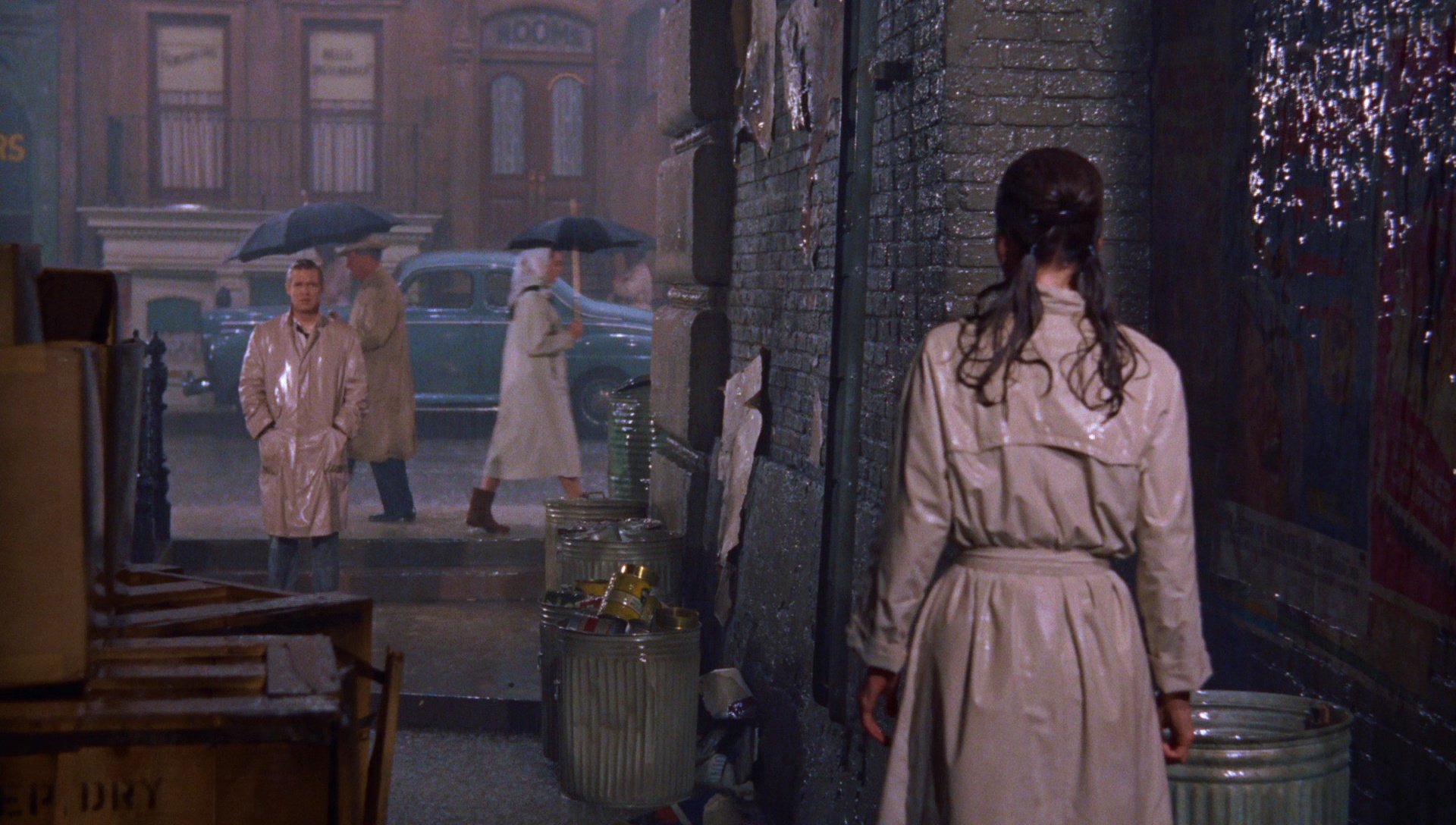
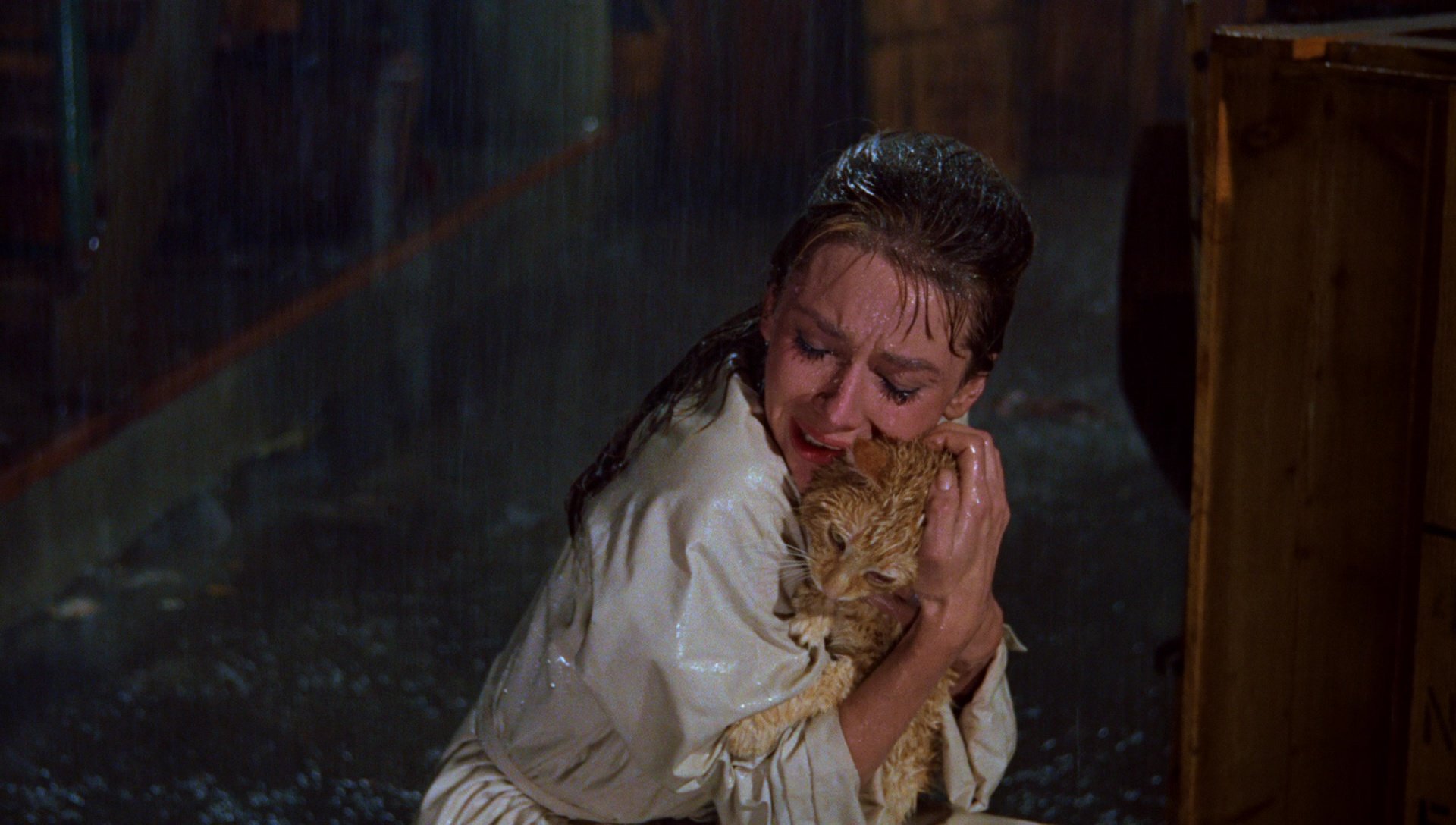
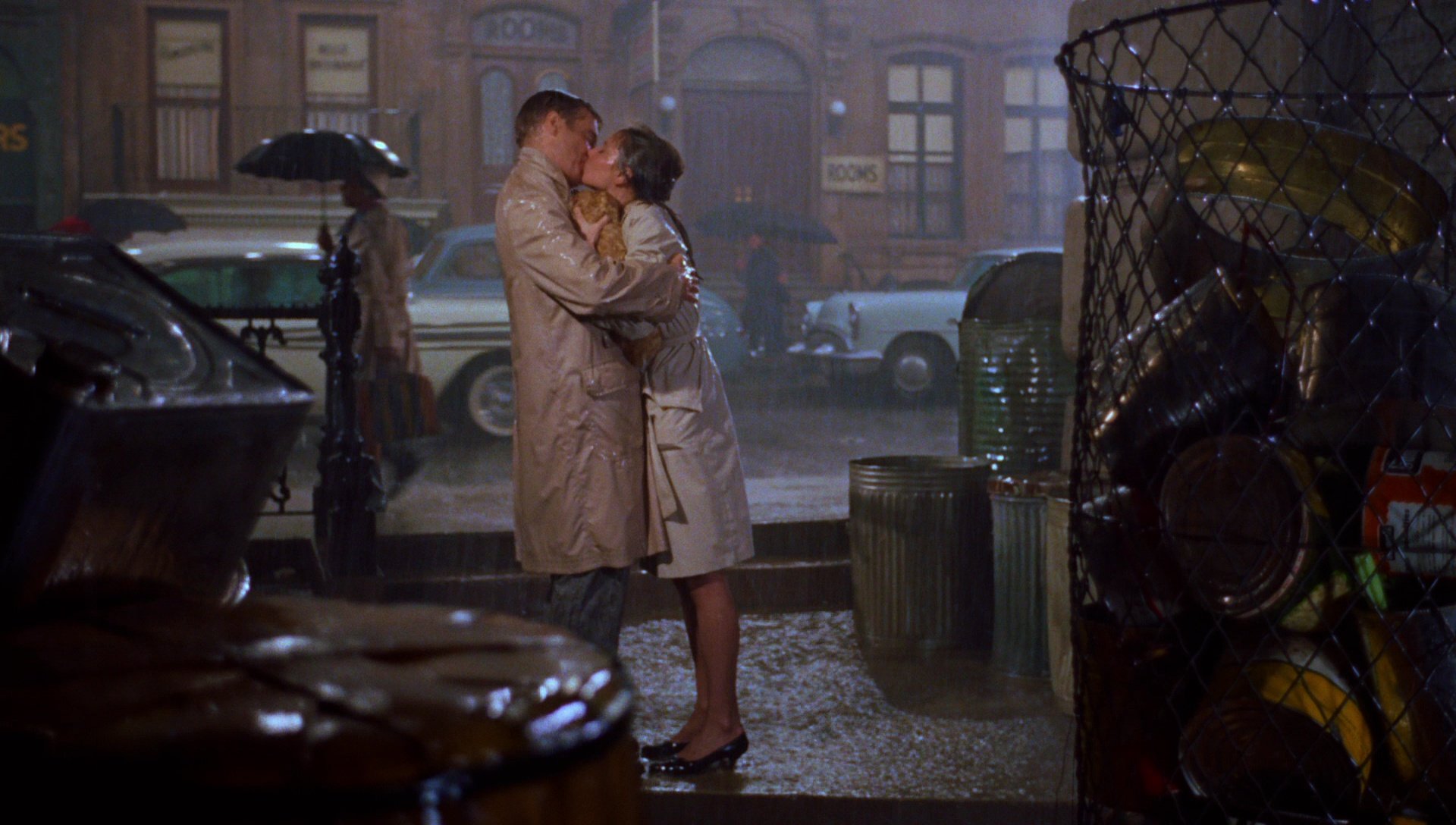
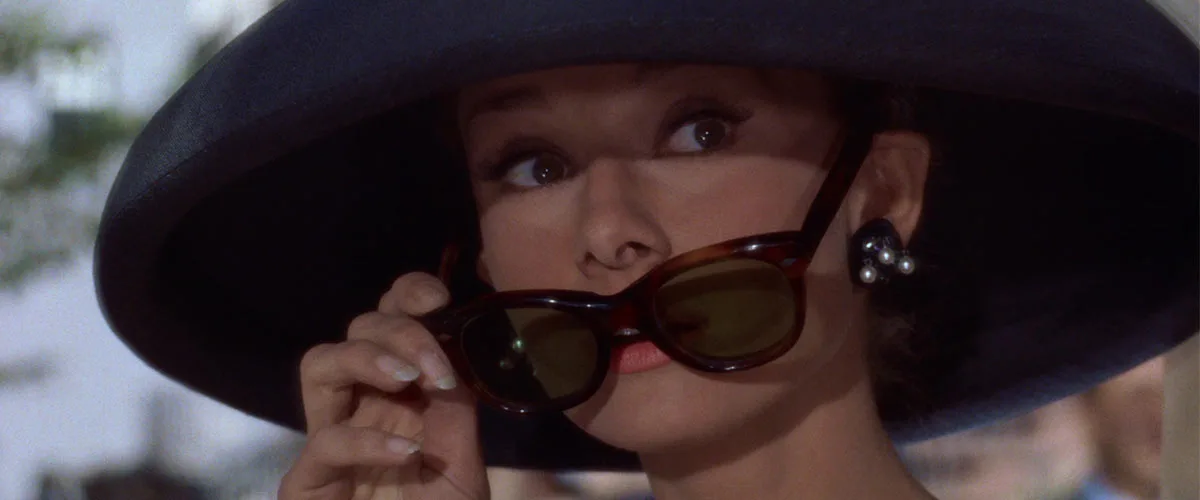
While still operating within studio conventions, the film reflects Hollywood’s shift towards urban modernity and more ambiguous female protagonists in the early 1960s. The depiction of New York and Audrey Hepburn‘s fashionable outfits (including the famous little black dress designed by Givenchy) sell a sophistication that often masks emotional chaos. However, Holly’s apartment reflects it explicitly.
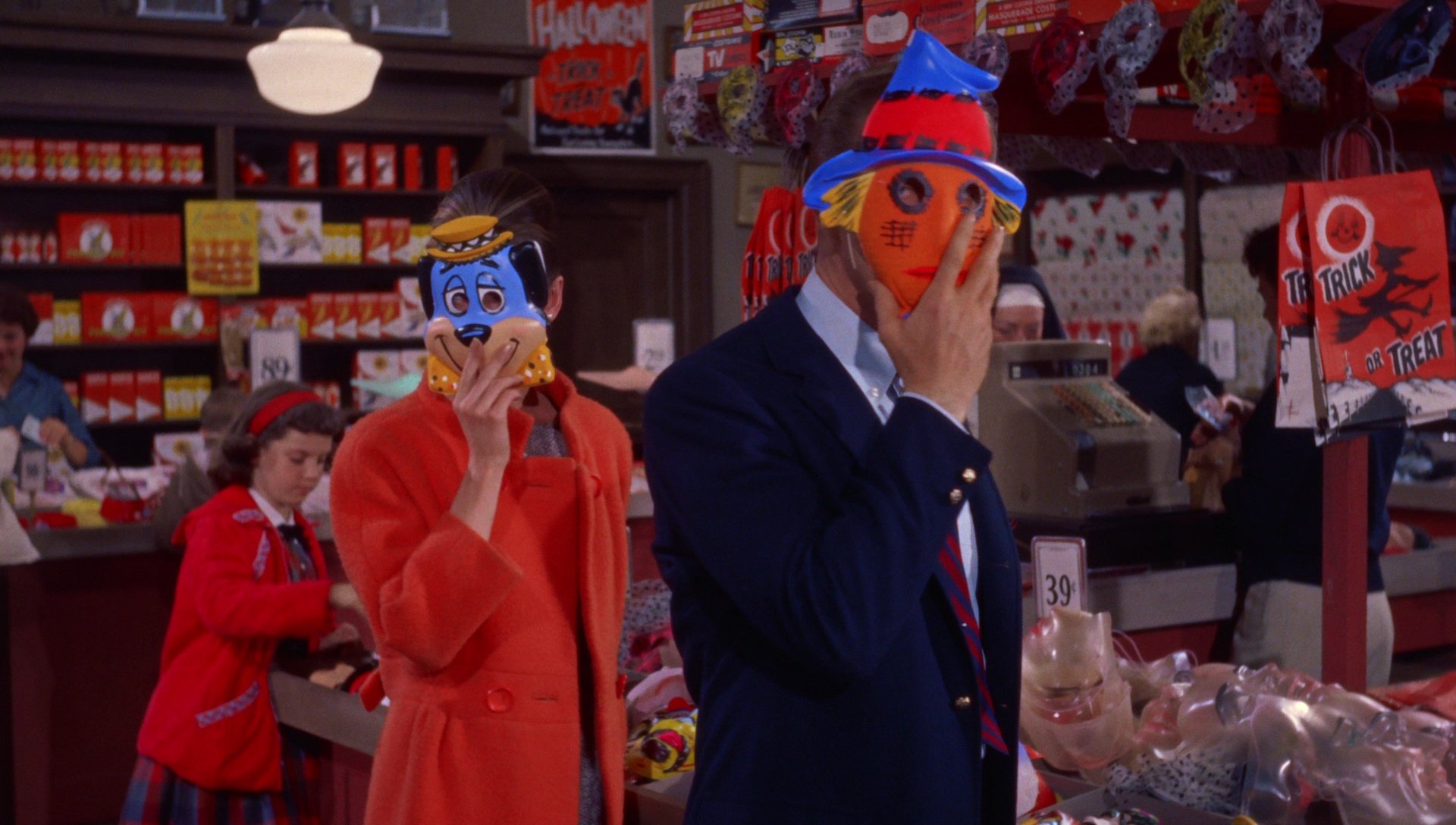
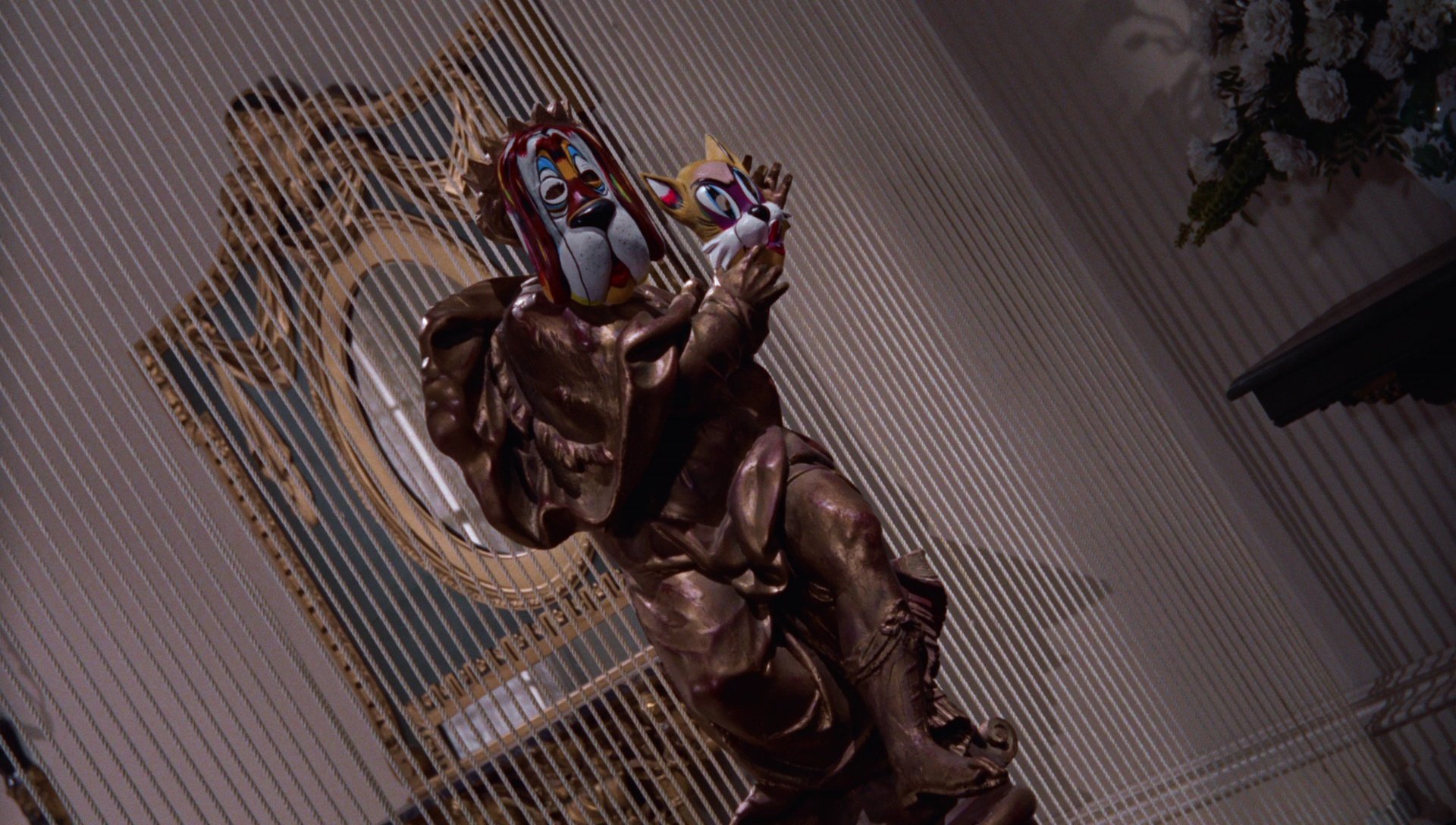
Breakfast at Tiffany’s is driven more by characters than plot, developing its romantic story through mood, performances, and iconic visuals. While it retains classical studio polish, its tone shifting between lightness and melancholy, its stylish costumes masking contradictions, and the music by Henry Mancini, it all combines to make it an influential classic in the romance genre.
Technical Specs:
- The Story: In New York City, a struggling writer becomes intrigued by his eccentric downstairs neighbor, Holly Golightly, a charming socialite with a complicated past and a penchant for reinvention. Read my review of Breakfast at Tiffany’s.
- Actors: Audrey Hepburn, George Peppard, Patricia Neal, Buddy Ebsen, Martin Balsam, Mickey Rooney, José Luis de Vilallonga.
- Director: Blake Edwards
- Year: 1961
- Cinematographer: Franz Planer & Philip H. Lathrop (uncredited)
- Origin: American Cinema
- Aspect Ratio: 1.85:1
- Genre: Romantic Comedy